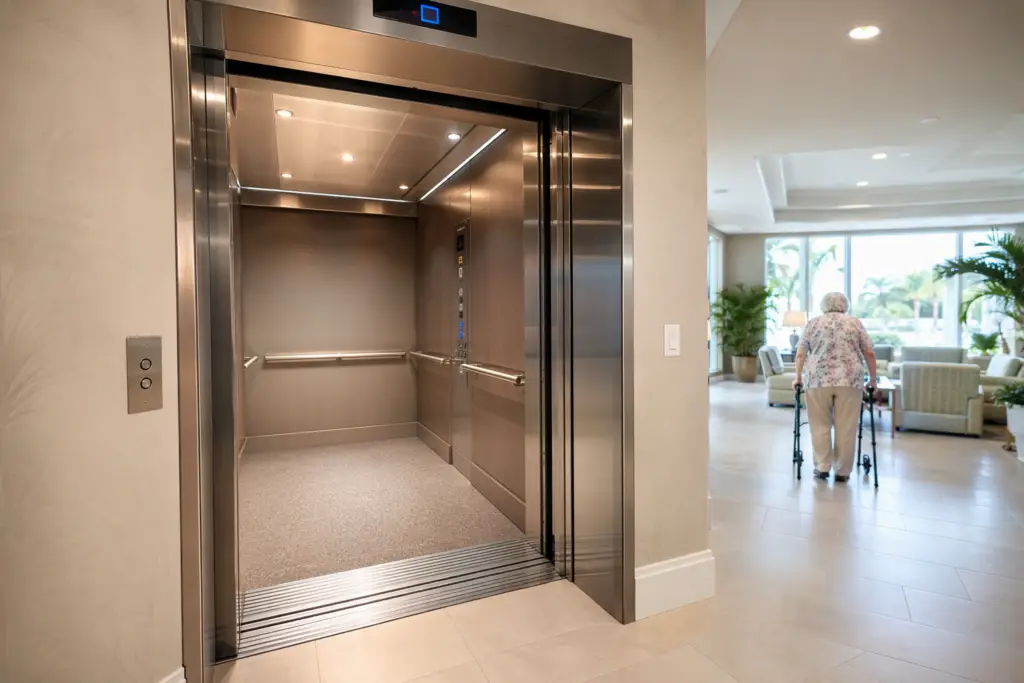
How Long Does It Take to Install a New Elevator in a Commercial Building — and What Disrupts the Timeline?
Commercial elevator installation in Florida is a multi-phase process governed by Chapter 399, Florida Statutes (the Elevator Safety Act) and the rules of the Florida Department of Business and Professional Regulation (DBPR), Division of Hotels and Restaurants, Bureau of Elevator Safety. From the first site assessment through final inspection and certificate issuance, building owners and facility managers face a layered sequence of engineering, permitting, construction, and regulatory steps — any one of which can compress or extend the overall schedule. Understanding each phase, the codes that govern it, and the local authority having jurisdiction (AHJ) for a given Florida market is essential to setting realistic project expectations.
What Is the Typical Timeline for Installing a New Commercial Elevator?
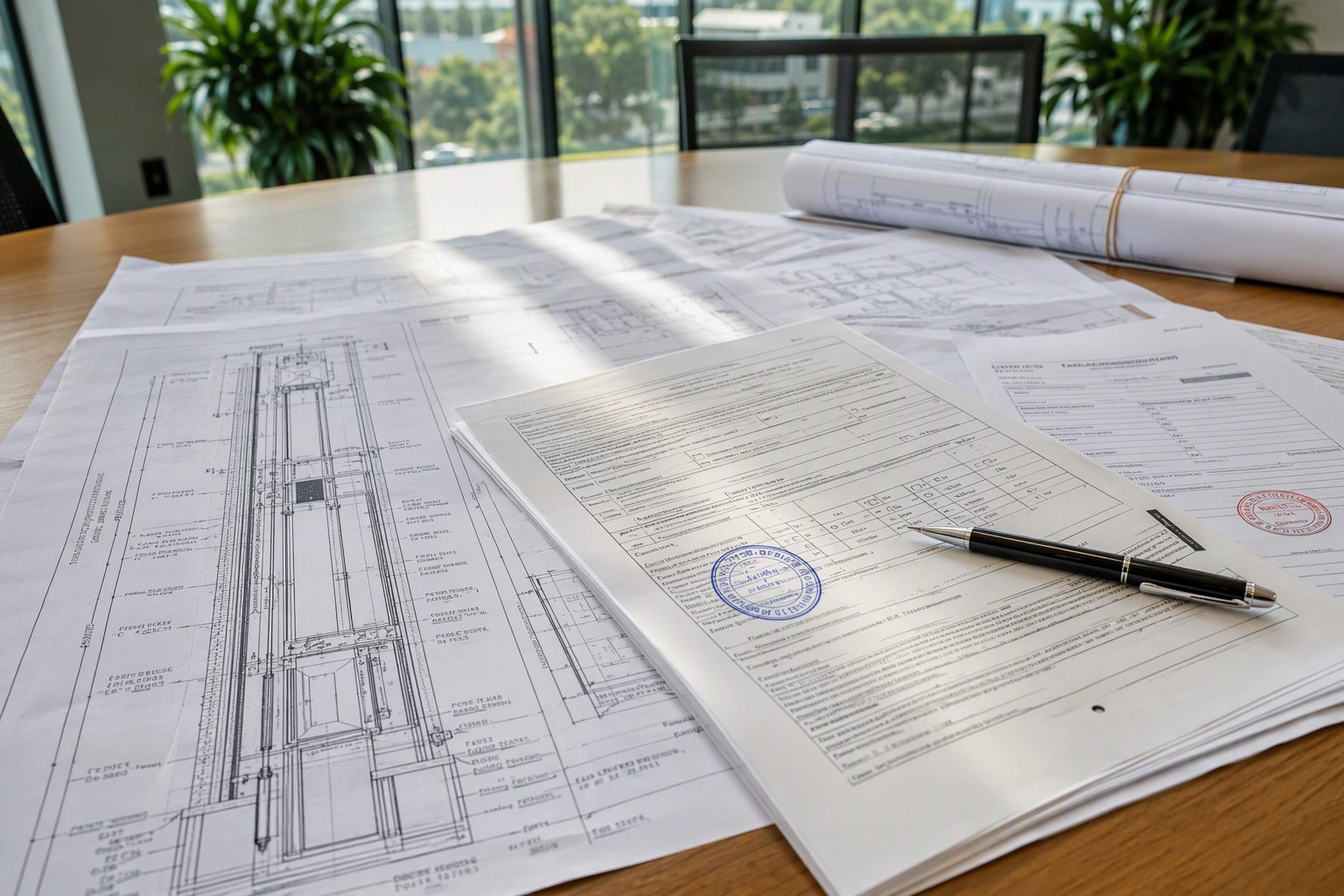
Most commercial elevator installations in Florida span 3 to 12 months from project initiation to a valid certificate of operation, with the widest variation occurring in the pre-construction permitting and post-installation inspection phases.
The timeline breaks into five sequential phases: planning and design, state and local permitting, equipment procurement, physical installation, and final inspection with certificate issuance. Each phase carries its own minimum duration, and delays in any one phase cascade into the next. A straightforward hydraulic elevator installation in a low-rise Sarasota office building may move through all five phases in under four months, while a traction elevator installation in a mid-rise Pompano Beach commercial tower involving structural modifications can stretch to a year or longer.
The table below provides benchmark durations for each phase based on elevator type and project complexity.
| Project Phase | Simple Hydraulic (2–4 stops) | Machine Room–Less Traction (4–8 stops) | High-Rise Traction (8+ stops) |
|---|---|---|---|
| Planning, engineering & design | 2–4 weeks | 4–8 weeks | 8–16 weeks |
| State permit & local AHJ approval | 2–6 weeks | 4–8 weeks | 6–12 weeks |
| Equipment manufacturing & delivery | 6–12 weeks | 10–20 weeks | 16–30 weeks |
| Physical installation (hoistway, equipment) | 4–6 weeks | 6–10 weeks | 10–20 weeks |
| Final inspection & certificate of operation | 1–3 weeks | 2–4 weeks | 2–6 weeks |
| Estimated total | 3–6 months | 5–10 months | 9–18 months |
What Permits Are Required Before Installation Can Begin in Florida?
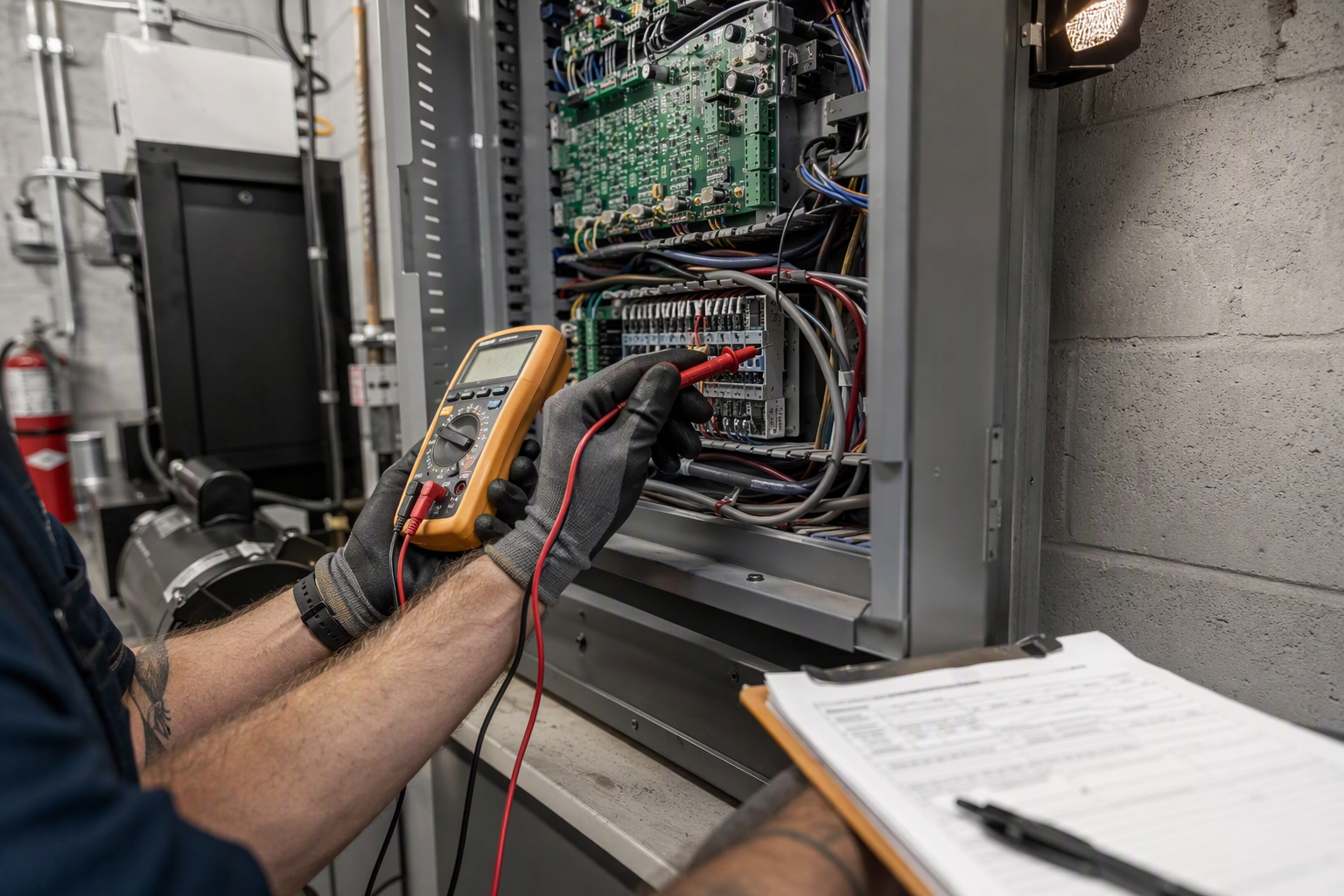
Florida law requires a state permit, applied for by a registered elevator company, before any conveyance is installed or altered — and local AHJ building permits typically run concurrently.
Under Chapter 399, Florida Statutes, no elevator may be installed without a state permit. That permit must be applied for by a company registered with the DBPR Bureau of Elevator Safety — unregistered contractors cannot legally perform the work. In Pompano Beach, the Broward County Building Code Division enforces Chapter 399 through its own elevator inspectors and administers the local building permit process in parallel. In Sarasota, the local building department handles structural and electrical permits while the state DBPR permit covers the conveyance-specific scope.
Submitting incomplete engineering drawings, using an unregistered elevator company, or failing to coordinate state and local permit applications simultaneously are among the most common causes of early-phase delays. Axxiom Elevator Florida, as a registered elevator company, manages the state permit application process on behalf of building owners to prevent these bottlenecks.
How Does Elevator Type Affect Installation Duration?
The elevator type — hydraulic, machine room–less traction, or geared/gearless traction — is the single largest determinant of installation duration because each type has different structural, hoistway, and equipment requirements.
Hydraulic elevators require a cylinder pit and, in some configurations, a machine room at the lowest landing, but they have relatively simple drive systems and shorter lead times for equipment. Machine room–less (MRL) traction elevators eliminate the overhead machine room but require precise hoistway tolerances and more complex rail and motor installations. Traditional geared or gearless traction elevators used in mid- and high-rise commercial buildings involve the most elaborate installation sequences, including overhead sheave arrangements, governor systems, and counterweight assemblies, all of which must comply with the ASME A17.1/CSA B44 Safety Code for Elevators and Escalators — adopted in Florida in its 2019 edition effective December 31, 2023 under Chapter 61C-5, Florida Administrative Code.
What Role Does the ASME A17.1-2019 Code Play in the Installation Process?
ASME A17.1-2019, adopted by Florida as its elevator safety code, establishes every technical requirement a new commercial elevator must meet before a certificate of operation can be issued, making code compliance a central driver of installation scope and timeline.
Florida adopted the ASME A17.1/CSA B44, 2019 edition effective December 31, 2023 under Chapter 61C-5, Florida Administrative Code. This code governs hoistway construction, car enclosures, safety devices, drive systems, electrical wiring, emergency operations, and fire service requirements for all new elevator installations. Every design decision made during the engineering phase must reference ASME A17.1-2019, and the certified elevator inspector who conducts the final inspection verifies compliance with this code as a condition of issuing the certificate of operation. Projects that begin design before confirming Florida’s adopted code edition risk costly field changes during installation.
How Does ADA Compliance Affect the Installation Timeline?
ADA compliance requirements for elevator design — including cab dimensions, control placement, door timing, and floor designation requirements — must be incorporated into engineering drawings from the outset; retrofitting for ADA compliance after construction begins is a significant source of delay.
The Americans with Disabilities Act (ADA) establishes minimum standards for elevator accessibility in commercial buildings, including requirements for call button height, braille and tactile signage, cab interior dimensions, door reopening devices, and audible and visual floor indicators. Because ADA requirements must be reflected in the architectural and engineering drawings submitted for permit, any gap identified during plan review triggers a correction cycle that can add weeks to the permitting phase. ADA requirements also interact with ASME A17.1-2019 on items such as door open time and car leveling tolerances, so both sets of standards must be addressed simultaneously in design.
What Is the Final Inspection Process and Who Conducts It?
Before a new elevator in Florida may be placed into service, it must be inspected by a certified elevator inspector who has no employment, association, or conflict of interest with the permit holder or the building owner.
This independence requirement under Chapter 399, Florida Statutes, means the installer’s own inspection personnel cannot serve as the final certifying inspector. Scheduling a qualified, independent certified elevator inspector who is available within the project window is a frequently underestimated source of delay. In Pompano Beach, the Broward County Building Code Division provides elevator inspectors under its delegated authority. Once the inspection is passed, the DBPR issues a certificate of operation valid for no more than two years. That certificate must be posted in a conspicuous location inside the elevator cab in a frame with a transparent cover — a step that must be completed before the elevator opens to the public. Operating an elevator without a valid certificate of operation violates Florida law.
What Are the Most Common Causes of Installation Timeline Delays?
The most common timeline disruptors are incomplete permit applications, long equipment lead times, structural deficiencies discovered after hoistway work begins, and inspector scheduling gaps.
Each delay category carries a different risk profile. Permit delays are often preventable with thorough upfront documentation. Equipment procurement delays are driven by global supply chain conditions and can range from weeks to months for specialty traction components. Structural deficiencies — undersized pit depths, insufficient overhead clearance, or inadequate machine room dimensions — are discovered during hoistway construction and require architectural modifications that trigger additional permit amendments. Inspector availability becomes acute in high-construction-volume periods when certified inspectors carry heavy schedules. Coordinating all of these variables requires experienced project management from a registered elevator company from day one.
How Does the Hoistway Construction Phase Affect Scheduling?
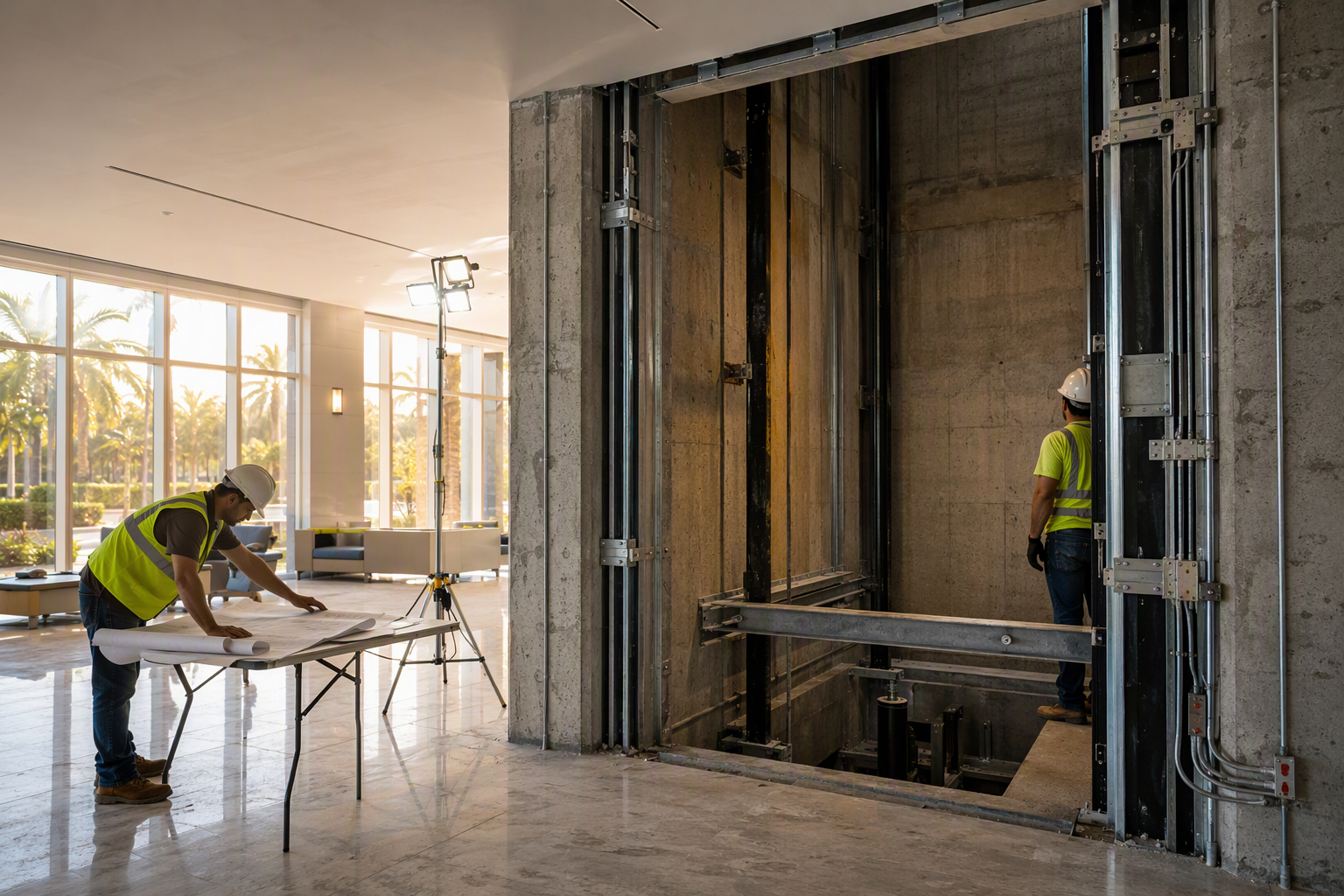
Hoistway construction is typically the critical path activity in a new elevator installation because structural work must be complete and fully cured before any elevator equipment can be set, and any rework in the hoistway extends every subsequent phase.
For new construction buildings, the elevator hoistway is built by the general contractor as part of the core structure, and the elevator company coordinates closely with the GC on pit depth, overhead clearance, slab openings, and sill angles — all governed by ASME A17.1-2019 dimensional requirements. For existing buildings receiving a new elevator, a hoistway may be constructed within or adjacent to the building envelope, which introduces coordination complexity with active building operations, structural reinforcement requirements, and fire-rated assembly construction. Axxiom Elevator Florida provides hoistway coordination support to ensure that structural work meets code dimensions before equipment delivery is scheduled, preventing costly hold points.
How Does Equipment Manufacturing Lead Time Disrupt the Schedule?
Elevator equipment — particularly drive machines, control systems, and cab enclosures — is typically manufactured to order, and lead times of 10 to 30 weeks are common for commercial traction systems, meaning equipment ordering must begin immediately after permit approval to avoid idle installation labor.
The ordering sequence matters as much as the order date. Drive machines, rails, and control panels have the longest lead times and must be ordered first. Cab finishes, door panels, and fixtures typically have shorter lead times but must be specified with sufficient detail at the time of permit submission to avoid change orders. Supply chain disruptions affecting steel, semiconductors for elevator control systems, and specialty motors can extend lead times beyond historical norms without warning. An experienced registered elevator company monitors procurement timelines and adjusts the installation schedule proactively when lead times shift.
What Disruptions Are Unique to Retrofit Installations in Occupied Buildings?
Installing a new elevator in an occupied commercial building introduces coordination requirements — noise restrictions, dust containment, limited access windows, and temporary vertical transportation for tenants — that can extend the physical installation phase substantially compared to new construction.
Occupied building installations require phased work plans that protect tenants, employees, and visitors from construction hazards while maintaining OSHA compliance under OSHA standards governing construction site safety. Hoistway penetrations must be sealed nightly in some lease agreements. Concrete cutting, welding, and electrical work may be restricted to off-hours, compressing the productive installation window to evenings and weekends. Facilities managers in Sarasota and Pompano Beach commercial properties should factor these constraints into project timelines when budgeting for a retrofit installation.
How Do Local AHJ Requirements Affect the Installation Timeline in Pompano Beach?
In Pompano Beach, the Broward County Building Code Division enforces Chapter 399 through its own elevator inspectors, meaning that both state DBPR permit processes and Broward County plan review and inspection schedules must be tracked simultaneously.
Broward County’s delegated authority under Florida law means that its elevator inspectors conduct the required inspections for elevator installations in Pompano Beach, and their scheduling availability directly affects when a certificate of operation can be issued. Building owners should anticipate that plan review cycles at the county level run concurrently with DBPR processing but are not always synchronized. A registered elevator company familiar with Broward County’s process can submit coordinated packages that minimize back-and-forth correction cycles. Axxiom Elevator Florida serves the Pompano Beach market and maintains working familiarity with Broward County’s permitting and inspection workflows.
How Does the Sarasota Market Differ for Elevator Installations?
In Sarasota, elevator installations are subject to the same statewide DBPR Bureau of Elevator Safety permitting and ASME A17.1-2019 compliance requirements as the rest of Florida, with local building permits and structural inspections processed through the Sarasota County or City of Sarasota building departments depending on jurisdiction.
Unlike Broward County, which has a specific delegated elevator inspection authority, elevator inspections in the Sarasota area are coordinated through the state DBPR framework, with local building departments handling the general construction permit components. This means the inspection scheduling path differs from the Pompano Beach market, and building owners working with a registered elevator company that serves both markets benefit from that cross-jurisdictional familiarity. Axxiom Elevator Florida operates in both Sarasota and Pompano Beach, providing consistent project management across both AHJ environments.
What Happens After the Certificate of Operation Is Issued?
Once a Florida certificate of operation is issued, the elevator owner becomes legally responsible for the elevator’s safe operation, proper maintenance, timely inspection, and correction of any code deficiencies — and must ensure the certificate, which is valid for no more than two years, remains current.
Under Chapter 399, Florida Statutes, operating on an expired certificate of operation violates state law. The certificate must be renewed based on a current satisfactory inspection. Most two-stop elevators covered by a service maintenance contract qualify for an exemption from the annual inspection requirement while that contract remains in effect, but the certificate of operation renewal obligation is separate and still applies. Building owners should establish a maintenance and inspection calendar from the day the certificate is issued to avoid lapses. Any elevator accident must be reported to the state within five working days by the certificate of operation holder.
How Should Building Owners Prepare for the Planning Phase to Avoid Delays?
Building owners who complete a thorough pre-design assessment of hoistway feasibility, ADA requirements, structural capacity, electrical service, and ASME A17.1-2019 dimensional requirements before engaging a permit application can eliminate the most common early-phase delay triggers.
- Engage a registered elevator company for a site assessment to verify hoistway dimensions, pit depth, and overhead clearance against ASME A17.1-2019 requirements.
- Confirm available electrical service capacity for the drive system and confirm compliance with the National Electrical Code as adopted in Florida.
- Review ADA requirements for cab dimensions, control placement, and door operation with the project architect before finalizing design drawings.
- Identify the correct AHJ — state DBPR, Broward County Building Code Division (for Pompano Beach), or local Sarasota building department — and confirm current plan submission requirements.
- Submit the state elevator permit application and local building permit application simultaneously rather than sequentially.
- Place equipment orders immediately upon permit approval to avoid a gap between permit issuance and equipment availability.
- Pre-schedule the independent certified elevator inspector for the final acceptance inspection before installation begins, to avoid post-installation wait time.
Can a Certificate of Operation Be Transferred to a New Building Owner?
The certificate of operation under Chapter 399, Florida Statutes, is associated with the conveyance and the building, and upon a change of ownership the new owner assumes legal responsibility for maintaining a valid, current certificate — making an elevator status review a critical component of any commercial real estate due diligence process.
Before a commercial property purchase closes, buyers should confirm that every elevator on the property has a current, satisfactory inspection on record, a valid certificate of operation posted in the cab, and an active maintenance program. An elevator with an expired certificate or outstanding code deficiencies becomes the new owner’s legal liability the moment the deed transfers. A pre-purchase elevator assessment by a registered elevator company provides a documented condition report that can support purchase price negotiations or flag items requiring immediate correction after closing.
What Are the Consequences of Installing an Elevator Without a Florida State Permit?
Installing or beginning to install an elevator without the required state permit from the DBPR Bureau of Elevator Safety violates Chapter 399, Florida Statutes, and can result in stop-work orders, fines, and the requirement to have all completed work reinspected or removed.
Only a company registered with the DBPR Bureau of Elevator Safety may apply for a Florida elevator permit. Work performed by an unregistered contractor cannot be permitted retroactively under state law, and the building owner may be required to demonstrate that all installed components meet ASME A17.1-2019 requirements through a comprehensive inspection before any certificate of operation can be issued. In some cases, work completed without a permit must be partially disassembled to allow inspection of concealed elements. The financial and schedule consequences of this scenario far exceed the cost of proper permitting at the outset.
Does Florida Require Annual Elevator Inspections After Installation?
Florida requires that every elevator covered by Chapter 399 be inspected annually by a certified elevator inspector, with one exception: an elevator that serves only two adjacent floors and is covered by an active service maintenance contract is exempt from the annual inspection while that contract remains in effect.
The certified elevator inspector must hold a valid Florida elevator inspector credential, maintain it in good standing, register annually with the state, demonstrate eight hours of continuing education, and carry general liability insurance. Inspections must be conducted by an inspector with no conflict of interest with the maintenance contractor or the building owner. Florida certificates of operation are valid for no more than two years, meaning even elevators under maintenance contracts must have a satisfactory inspection on record to renew the certificate when it expires.
What Is the Role of Elevator Technician Certification in the Installation Timeline?
In Florida, only a certified elevator technician holding a state-issued elevator certificate of competency may legally construct, install, maintain, or repair conveyances — and the availability of certified technicians can directly affect installation scheduling.
Florida elevator certificates of competency expire after one year and are renewed with proof of eight hours of continuing education. Technicians must also register with the state annually and carry general liability insurance. A registered elevator company whose technician certifications lapse mid-project faces a legal work stoppage, because uncertified labor cannot perform installation work. Building owners vetting elevator contractors should confirm that the company’s technicians hold current Florida certificates of competency. Florida registered elevator companies must themselves register with the state every year and maintain general liability insurance as a condition of holding their registration.
How Can Building Owners Minimize the Risk of Timeline Overruns?
The most effective strategy for avoiding timeline overruns is engaging a registered elevator company early in the design process, maintaining coordinated permit submissions, and building schedule buffers around equipment lead times and inspector availability.
Projects that experience the shortest timelines share several characteristics: the registered elevator company is engaged before architects finalize structural drawings; the state permit application and local building permit application are submitted at the same time; equipment is ordered the day the permit is issued; and the independent certified elevator inspector is contacted during the installation phase rather than after it concludes. Projects that take the opposite approach — engaging the elevator company after the structure is framed, submitting permits sequentially, and scheduling the inspector only when installation is nearly complete — routinely experience delays of months beyond the baseline estimates in the table above. Axxiom Elevator Florida provides project coordination services beginning at the conceptual design stage to help Pompano Beach and Sarasota building owners achieve the shortest compliant timeline.
What Should Building Owners Know About Elevator Accidents and Reporting Requirements During or After Installation?
Once a certificate of operation is issued, the certificate holder must report any elevator accident to the DBPR Bureau of Elevator Safety within five working days — and during the installation phase, OSHA construction safety standards govern worker safety in and around the hoistway.
During construction, OSHA standards for construction industry safety apply to all workers in and around the hoistway, pit, and machine room. The registered elevator company and general contractor share responsibility for maintaining a compliant worksite. After the certificate of operation is issued and the elevator is in service, the certificate holder — typically the building owner or their designee — bears the statutory obligation to report accidents within five working days. Failure to report is a separate violation of Chapter 399, Florida Statutes, from the underlying incident itself. Establishing clear reporting protocols with property management teams before the elevator opens to the public is a compliance best practice.
Ready to Start Your Commercial Elevator Project?
Understanding the full scope of a commercial elevator installation — from state permitting under the DBPR Bureau of Elevator Safety, to ASME A17.1-2019 compliance, to final certificate of operation issuance — is the foundation of a project that finishes on time and opens to the public without regulatory complications. Whether the project is in Pompano Beach, subject to Broward County Building Code Division oversight, or in Sarasota under the statewide DBPR framework, the permitting path, code requirements, and inspection sequence are navigated most efficiently with a registered elevator company involved from day one.
Axxiom Elevator Florida is a registered elevator company serving commercial building owners, property managers, and developers in Pompano Beach and Sarasota. The team provides site assessments, state permit coordination, ASME A17.1-2019 compliant installations, and post-installation maintenance programs that keep certificates of operation current under Chapter 399, Florida Statutes.
Contact Axxiom Elevator Florida for a free elevator assessment:
Need elevator service you can rely on? Axxiom Elevator Florida is ready to help.