Elevator Service in Pompano, FL | Axxiom Elevator Florida
For building owners and property managers in Pompano Beach and across Broward County, elevator reliability is not simply a convenience — it is a legal obligation, a tenant retention issue, and a core element of any sound lease agreement. Understanding exactly what to include in lease language, and why Florida law demands it, protects landlords, tenants, and the public who rely on vertical transportation every day.
Axxiom Elevator Florida serves multi-tenant office and retail properties throughout South Florida, including Pompano Beach, Fort Lauderdale, Deerfield Beach, Boca Raton, and surrounding Broward and Palm Beach County communities. As a state-registered elevator company, Axxiom Elevator Florida works directly with property owners, asset managers, and legal teams to ensure elevator systems meet every requirement under Florida law — and that lease agreements reflect those obligations accurately.
—
What Does Florida Law Require of Every Elevator Owner?
Under Chapter 399, Florida Statutes (the Elevator Safety Act), once a certificate of operation is issued, the elevator owner is responsible for safe operation, proper maintenance, inspection, and correction of any code deficiencies. This places the compliance burden squarely on the property owner — not the tenant — making the lease a critical document for allocating responsibilities, costs, and notification duties.
The Florida Department of Business and Professional Regulation (DBPR), Division of Hotels and Restaurants, Bureau of Elevator Safety, administers elevator regulation statewide. In Pompano Beach, which falls within Broward County, the Broward County Building Code Division enforces Florida’s elevator law through its own certified elevator inspectors under a delegation from the state.
Key statutory requirements every landlord and their legal counsel should understand before drafting lease language include:
- Every elevator covered by Chapter 399 must be inspected annually by a certified elevator inspector — unless it serves only two adjacent floors and is covered by a qualifying service maintenance contract, in which case it may be exempt from the annual inspection while that contract remains active.
- A Florida certificate of operation is valid for no more than two years and may be renewed only when a current satisfactory inspection has been completed.
- Operating on an expired certificate of operation violates Florida law.
- The certificate of operation must be posted in a conspicuous location inside the elevator cab, in a frame with a transparent cover.
- Any elevator accident must be reported to the state within five working days by the certificate of operation holder.
- All maintenance and repair work must be performed by a company registered with Florida’s Bureau of Elevator Safety. Registered companies must maintain general liability insurance and renew their registration annually.
—
What Elevator Maintenance Clauses Should a Lease Agreement Include?

A well-structured lease clause does more than assign who pays for repairs. It establishes standards, accountability, and a compliance framework aligned with Florida’s regulatory requirements. Landlords should work with legal counsel and a qualified elevator service provider to ensure the following elements are addressed:
- Service maintenance contract requirement: The lease should specify that the landlord will maintain a service maintenance contract with a Florida-registered elevator company for the duration of the tenancy. This contract is the foundation of both compliance and reliability.
- Inspection and certificate compliance: Language should confirm that the landlord will keep all certificates of operation current, arrange for inspections by a certified elevator inspector as required by Chapter 399, and promptly correct any deficiencies identified.
- Certificate posting: The lease should acknowledge the landlord’s obligation to ensure the certificate of operation is posted visibly inside the elevator cab at all times, as required by Florida law.
- Record access: Tenants in multi-tenant buildings benefit from lease provisions requiring the landlord to make inspection reports and maintenance logs available upon reasonable request. This is especially important for anchor tenants and those with ADA-sensitive operations.
- Notification of outages: The lease should define how and when the landlord will notify tenants of planned or unplanned elevator outages, and what alternative access accommodations will be provided during downtime.
- Accident reporting: Because Chapter 399 requires the certificate holder to report any elevator accident to the state within five working days, the lease should require tenants to promptly notify building management of any incident or injury involving the elevator.
- ADA compliance: The lease should confirm that elevators serving the building meet the requirements of the Americans with Disabilities Act (ADA), particularly for buildings where accessible routes depend on elevator service.
- Code compliance standard: Reference to the ASME A17.1/CSA B44 Safety Code for Elevators and Escalators — Florida adopted the 2019 edition effective December 31, 2023 — establishes a recognized performance benchmark that both parties understand.
—
Who Is Responsible for Elevator Compliance in a Multi-Tenant Building?
Florida law places maintenance, inspection, and correction responsibilities on the elevator owner — which, in a commercial lease context, is typically the building owner or landlord. Lease language rarely shifts these legal obligations to tenants, and attempting to do so may not be enforceable in the event of a regulatory violation or injury.
What leases can reasonably allocate to tenants includes: timely notification of observed malfunctions, cooperation with scheduled inspections, and prohibitions against unauthorized modifications to elevator equipment. Any actual installation, alteration, maintenance, or repair must be performed by a Florida-registered elevator company operating with a state permit where required.
—
Should the Lease Address Elevator Reliability Standards?
Yes. Beyond legal compliance, lease agreements for office and retail buildings increasingly address elevator reliability because downtime has measurable consequences for tenant operations, customer access, and ADA obligations. Consider including provisions that address:
- Preventive maintenance frequency: The lease can reference the service maintenance contract schedule and specify that the landlord will keep the elevator on a preventive maintenance program — not simply react to breakdowns.
- Response to service interruptions: The lease should outline the landlord’s obligation to contact the service provider and initiate repairs in a timely manner when an outage occurs. While specific arrival windows should not be promised unless confirmed by the service provider, establishing a notification and escalation process protects both parties.
- Emergency communication systems: ASME A17.1 requires functioning emergency communication devices in elevator cabs. The lease should confirm the landlord maintains these systems, including any monitoring or answering service requirements.
- Modernization planning: For long-term leases, landlords may wish to address capital improvement timelines for aging equipment, giving tenants confidence that reliability will be sustained over the lease term.
—
Does the Lease Need to Address ADA Elevator Requirements?
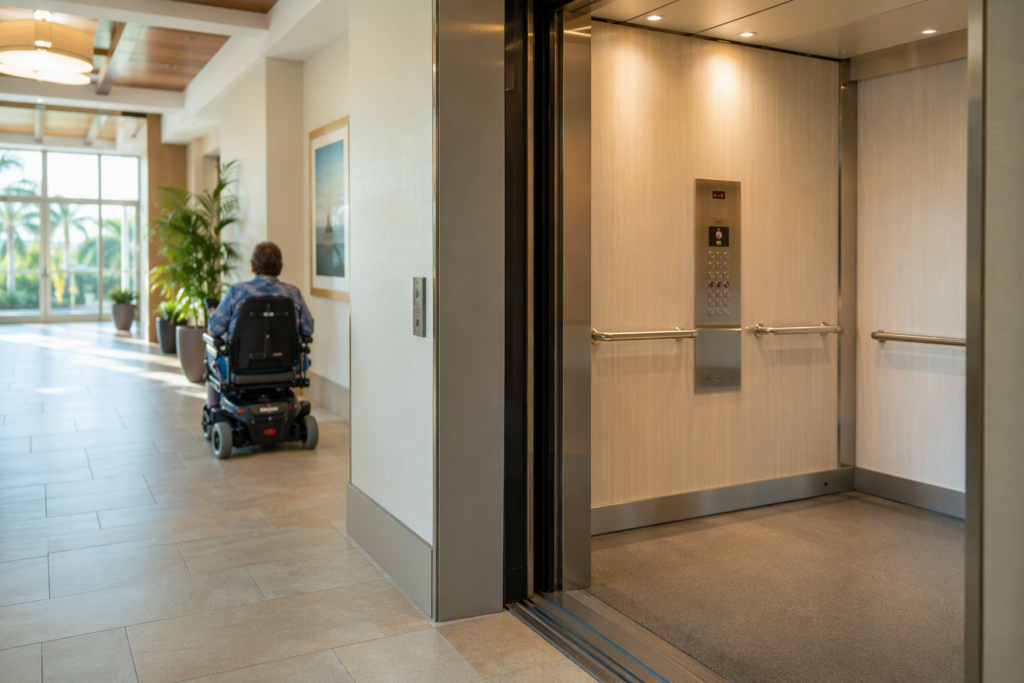
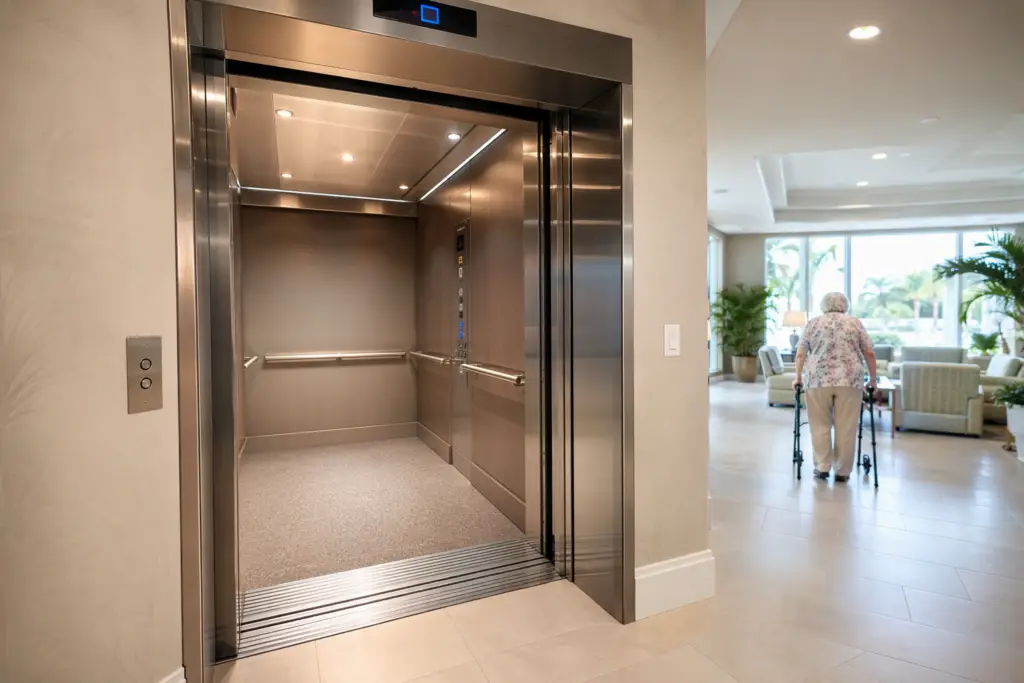
In most multi-story commercial buildings, elevators are a required component of the ADA-accessible route. The Americans with Disabilities Act imposes obligations on building owners to provide accessible vertical access, and extended elevator outages may constitute an ADA compliance issue for tenants whose employees or customers have mobility limitations.
Lease language should clarify that the landlord is responsible for maintaining ADA-compliant elevator access and that planned maintenance will be coordinated to minimize disruption to accessible routes. Tenants with ADA-sensitive operations — medical offices, government agencies, retail with elderly clientele — should pay particular attention to this clause during lease negotiation.
—
What Should Tenants Ask to Review Before Signing a Lease?
Before executing a lease in a multi-tenant building with elevators, prospective tenants should request and review:
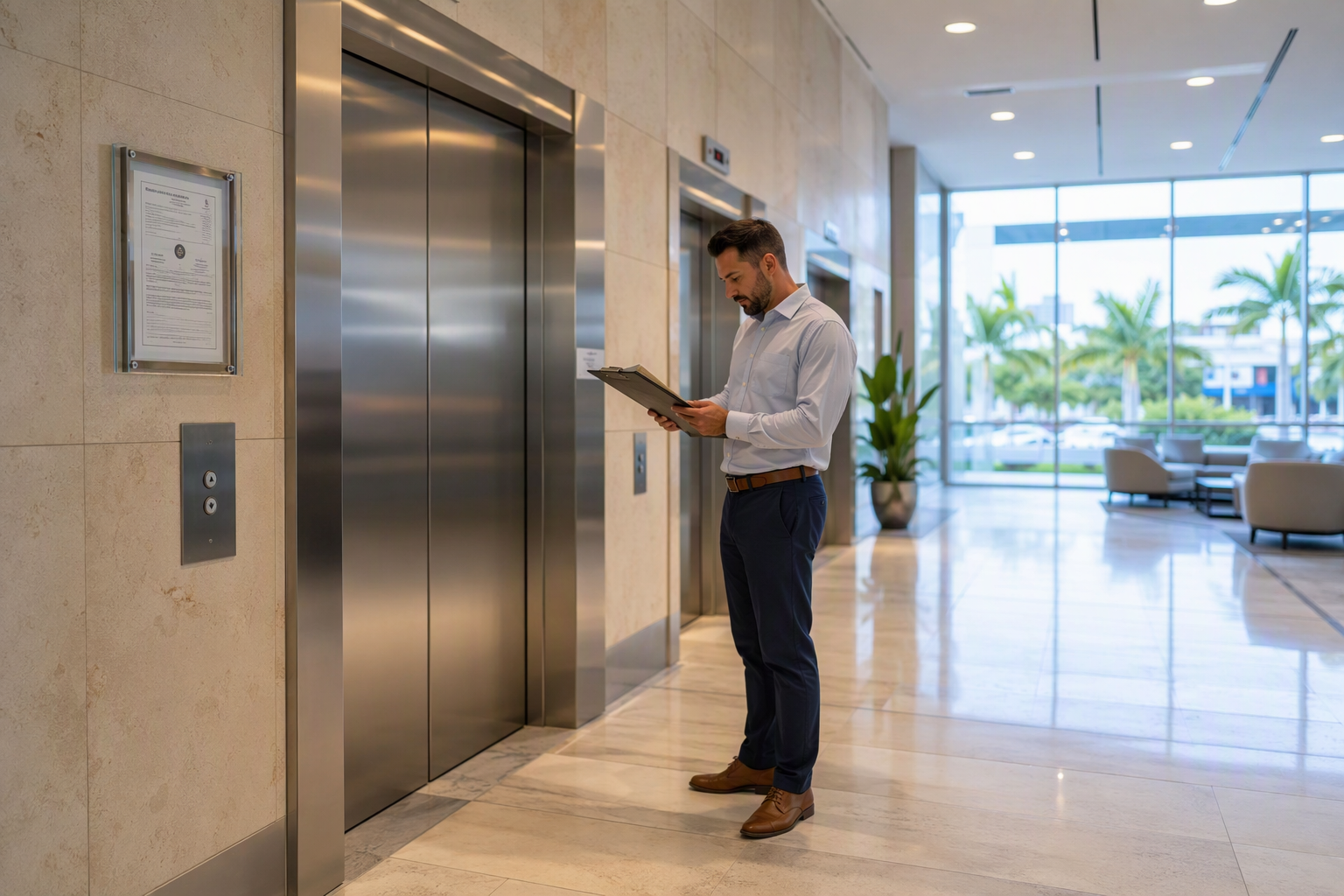
- The current certificate of operation for every elevator serving the leased floor, confirming it has not expired and is posted as required by Florida law.
- The most recent inspection report from a certified elevator inspector, including any noted deficiencies and evidence that corrections were completed.
- A copy of the active service maintenance contract, confirming the provider is a Florida-registered elevator company.
- Any history of elevator outages, accidents, or regulatory violations associated with the property.
- The landlord’s written procedure for notifying tenants of planned and unplanned elevator outages.
—
How Does a Service Maintenance Contract Affect Inspection Requirements?
Florida law provides a specific exemption: an elevator that serves only two adjacent floors and is covered by a qualifying service maintenance contract is exempt from the annual inspection requirement while that contract remains in effect. For buildings where this applies, the lease should still require the landlord to maintain the contract continuously — because allowing the contract to lapse reactivates the annual inspection obligation and may leave the building out of compliance.
For most multi-story commercial buildings, the annual inspection requirement applies regardless of whether a service contract is in place. The inspection must be conducted by a certified elevator inspector who holds a qualified elevator inspector credential in good standing, registered annually with the state and carrying general liability insurance.
—
Why Work with a Florida-Registered Elevator Company in Pompano Beach?
Florida law requires that all elevator maintenance, repair, and installation work be performed by a company registered with the Bureau of Elevator Safety. Registered companies must maintain general liability insurance and renew their registration each year. Hiring an unregistered provider exposes building owners to regulatory violations and potential liability.
Axxiom Elevator Florida is a state-registered elevator company serving Pompano Beach, Broward County, Palm Beach County, Miami-Dade County, and surrounding South Florida communities. The team works with property managers, commercial landlords, REITs, and legal counsel to ensure elevator systems meet Florida’s requirements and that lease agreements reflect those obligations accurately. Whether a building owner needs a service maintenance contract, a compliance review, or guidance on what to include in lease language, Axxiom Elevator Florida provides the local expertise that South Florida properties depend on.
—
What Steps Should a Landlord Take to Prepare an Elevator Compliance Package for Lease Negotiations?
- Confirm the current certificate of operation is valid, posted correctly inside the cab, and not within 90 days of expiration.
- Obtain the most recent certified inspection report and verify all deficiencies have been corrected and documented.
- Confirm the active service maintenance contract is with a Florida-registered elevator company and includes the specific property address.
- Verify that the elevator’s emergency communication system is functional and monitored as required under ASME A17.1.
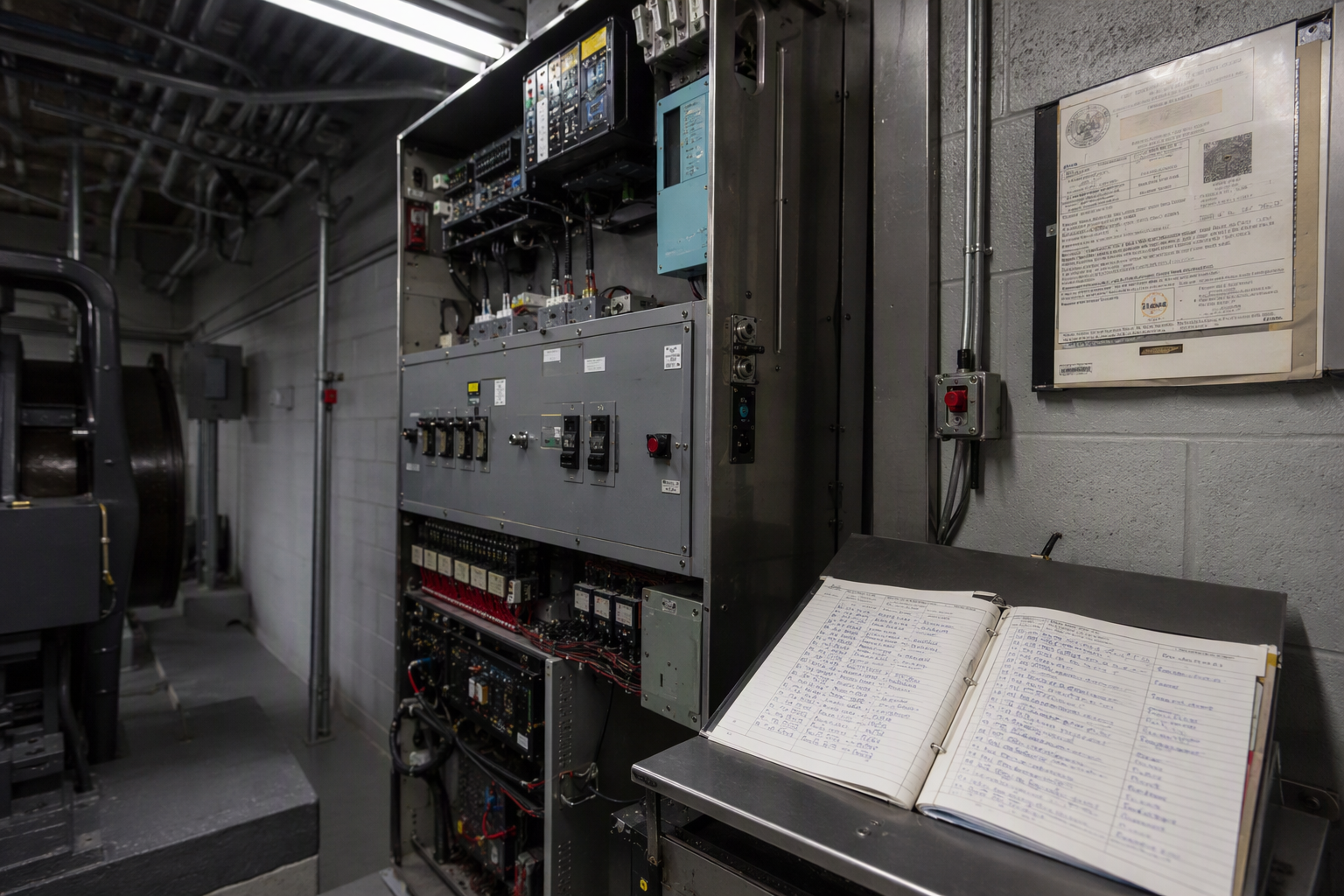
- Compile a maintenance log showing the history of preventive service visits and any repairs completed in the prior 24 months.
- Share the package with legal counsel drafting the lease to ensure maintenance and compliance clauses accurately reflect existing contracts and regulatory obligations.
- Engage a registered elevator service provider to conduct a pre-lease condition assessment if the equipment is aging or has had recent reliability issues.
—
Elevator compliance and reliability language in a commercial lease is only as strong as the service program behind it. Axxiom Elevator Florida helps Pompano Beach property owners, managers, and their legal teams build that foundation — with service maintenance contracts, inspection coordination, and compliance guidance grounded in Florida’s regulatory requirements.
Schedule a Free Consultation with Axxiom Elevator Florida today:
Need elevator service you can rely on? Axxiom Elevator Florida is ready to help.