Elevator Service in Pompano, FL | Axxiom Elevator Florida
Florida commercial building owners in Pompano Beach and across South Florida face a clear compliance and capital challenge: elevator modernization is not optional when equipment ages out of code, yet the upfront cost can strain any operating budget. Axxiom Elevator Florida works with commercial property owners throughout Broward County and the surrounding region to plan, permit, and execute modernization projects that satisfy the Florida Elevator Safety Act (Chapter 399, Florida Statutes) and the requirements of the Florida Department of Business and Professional Regulation (DBPR), Division of Hotels and Restaurants, Bureau of Elevator Safety — while keeping financing options front of mind from the first conversation.
What Is Elevator Modernization and Why Does It Matter for Florida Commercial Buildings?
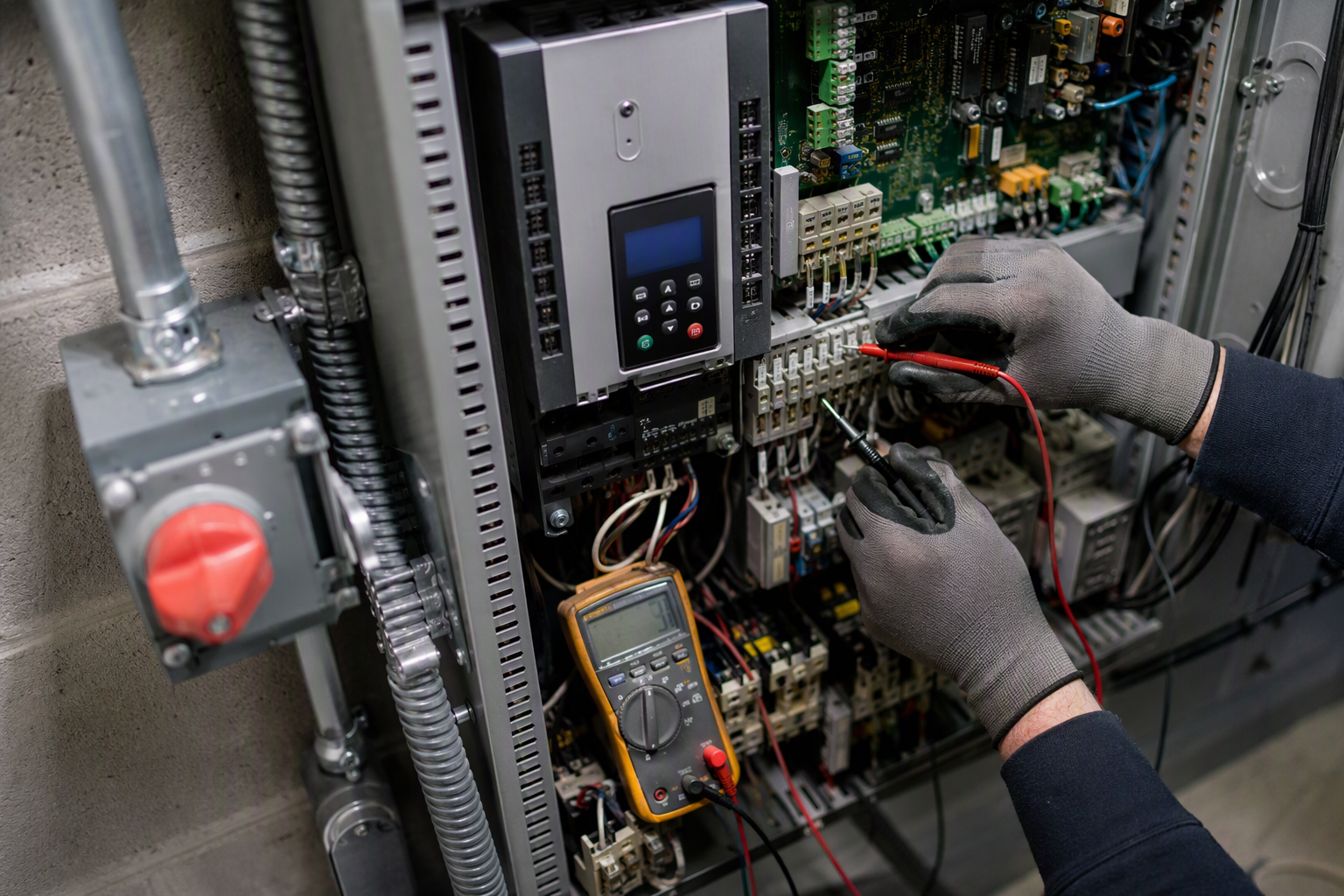
Elevator modernization is the process of upgrading one or more major systems of an existing elevator — controls, drive systems, cab interiors, door operators, safety devices, or all of the above — without full replacement of the hoistway structure. For Florida commercial building owners, modernization is frequently triggered by three factors: equipment that no longer meets the ASME A17.1/CSA B44 Safety Code for Elevators and Escalators (Florida has adopted the 2019 edition, effective December 31, 2023), accessibility requirements under the Americans with Disabilities Act, or a failed or deficient inspection under Chapter 399.
Because the certificate of operation issued by the DBPR Bureau of Elevator Safety is valid for no more than two years, and operating on an expired certificate violates state law, building owners have a firm regulatory clock driving modernization timelines. A capital plan that accounts for financing from the start prevents compliance gaps.
What Federal Tax Incentive Programs Apply to Elevator Modernization in Florida in 2026 and 2027?

Two federal incentive categories are most relevant to Florida commercial building owners considering elevator modernization in 2026 and 2027.
Section 179 Expensing. The IRS Section 179 deduction allows businesses to deduct the full purchase price of qualifying equipment and improvements in the year placed in service, rather than depreciating the cost over many years. Elevator control systems, drive units, and related components typically qualify as business personal property or qualified improvement property. Building owners should confirm the current annual deduction cap and phase-out thresholds with a qualified tax professional, as these figures are indexed and subject to legislative change.
ADA Compliance Tax Credit (Section 44). Small businesses that modernize to meet ADA accessibility standards — for example, adding accessible cab controls, auditory signals, or Braille markings — may qualify for the Disabled Access Credit under IRC Section 44. Eligible expenditures include those incurred to remove barriers and provide accessible equipment. A tax advisor can confirm whether the building entity qualifies as an eligible small business under current thresholds.
How Can SBA Loan Programs Finance a Florida Elevator Modernization Project?
The U.S. Small Business Administration offers two primary loan structures that Florida commercial building owners or elevator-dependent small businesses can use for capital improvements.
SBA 7(a) Loans provide general-purpose financing for equipment, renovation, and leasehold improvements. Elevator modernization fits within the scope of eligible improvements when the borrower owns or occupies the building.
SBA 504 Loans are designed specifically for major fixed assets, including building improvements, and typically require a Certified Development Company (CDC) as a lending partner. For larger modernization scopes — full controller replacements, machine room upgrades, or multi-car projects — the 504 structure can offer longer repayment terms and fixed interest rates that reduce monthly carrying costs.
Florida has an active network of CDCs and SBA-affiliated lenders serving Broward County and South Florida, making 504 financing accessible for Pompano Beach commercial property owners.
What Is Equipment Financing and Leasing, and Is It a Good Fit for Elevator Upgrades?
Equipment financing allows a building owner to spread the cost of elevator components — controllers, motors, door systems — over a defined repayment term, with the equipment itself serving as collateral. Equipment leasing structures transfer the equipment to the building for a monthly fee, with options to purchase at term end.
Both structures preserve working capital and can align payment schedules with the revenue cycle of the property. For Pompano Beach commercial buildings where modernization is driven by a code deadline or a deficient inspection, equipment financing can be arranged and funded faster than many traditional commercial real estate loans — an important consideration when a certificate of operation is at risk.
Can PACE Financing Be Used for Elevator Modernization in Florida?
Property Assessed Clean Energy (PACE) financing is available in Florida for commercial properties and funds qualifying improvements through a special assessment on the property tax bill. While PACE programs are most commonly associated with energy efficiency and hurricane-hardening improvements, modern elevator drive systems — particularly those with regenerative drives that recover energy during operation — may qualify under energy efficiency criteria depending on the specific PACE program and Florida county in which the property is located.
Broward County property owners, including those in Pompano Beach, should review available PACE programs with their lender and confirm which equipment categories qualify before structuring a project around this financing method. PACE liens are senior to most other liens, which is a factor for lenders and owners to evaluate together.
How Does a Florida Modernization Permit Affect Financing Timelines?
Financing timelines must account for Florida’s regulatory permit requirements. Under Chapter 399, Florida Statutes, a state permit — applied for by a registered elevator company — is required before any conveyance is installed or altered. No modernization work may begin without this permit in place.
In Pompano Beach, the Broward County Building Code Division enforces Florida’s elevator law through its own certified elevator inspectors. Before a modernized conveyance is returned to service, it must be inspected by a certified elevator inspector with no conflict of interest with the permit holder or the owner. Only after a satisfactory inspection can a new certificate of operation be issued.
Building owners pursuing financing should factor permit approval and post-modernization inspection into their project schedule — lenders disbursing funds tied to project completion milestones will require documented compliance before final disbursement.
What Steps Should a Florida Commercial Building Owner Follow to Plan an Elevator Modernization with Financing?
- Commission a comprehensive condition assessment of the existing elevator system to identify which components require modernization and whether the scope triggers a full or partial upgrade under the ASME A17.1-2019 Safety Code as adopted in Florida.
- Obtain a detailed scope of work and cost estimate from a Florida registered elevator company so that financing applications are based on verified project figures.
- Review the certificate of operation expiration date and current inspection status with the DBPR Bureau of Elevator Safety to establish the compliance deadline driving the financing timeline.
- Consult a qualified tax advisor to identify applicable federal deductions or credits — including Section 179 and ADA-related credits — before finalizing the financing structure.
- Evaluate lender options: SBA 7(a) or 504, equipment financing, PACE, or conventional commercial improvement loans, comparing repayment term, collateral requirements, and lien position.
- Confirm that the registered elevator company submits the required state permit application before any alteration work begins.
- After modernization is complete, ensure the post-installation inspection by a certified elevator inspector is scheduled and that the new certificate of operation is posted in a conspicuous location in the elevator cab in a frame with a transparent cover, as required by Chapter 399.
Are There Compliance Obligations That Affect the Long-Term Cost of a Modernized Elevator in Florida?
Yes. Once a certificate of operation is issued, the elevator owner is responsible for safe operation, proper maintenance, inspection, and correction of any code deficiencies under Chapter 399. Florida requires annual inspection by a certified elevator inspector for most covered conveyances, with the certificate of operation remaining valid for no more than two years. Any elevator accident must be reported to the state within five working days by the certificate of operation holder.
These ongoing obligations carry real cost implications. Lenders and building owners structuring long-term financing should budget for annual maintenance contracts, periodic inspections, and any corrective work identified during inspections — not just the initial modernization capital expenditure. A service maintenance contract with a registered elevator company is not only good practice but, for eligible two-floor elevators, may qualify the conveyance for an exemption from the annual inspection requirement under Chapter 399.
Schedule a free consultation with Axxiom Elevator Florida at 954-970-0020.
Need elevator service you can rely on? Axxiom Elevator Florida is ready to help.