Elevator Service in Pompano, FL | Axxiom Elevator Florida
Choosing the correct elevator type is one of the most consequential decisions a building owner or property manager in Pompano, FL can make. The wrong choice leads to costly retrofits, recurring maintenance headaches, and potential code compliance gaps. Axxiom Elevator Florida helps commercial and residential property owners throughout Broward County and South Florida evaluate, install, maintain, and modernize both hydraulic and traction elevator systems — ensuring every installation meets applicable federal and Florida-specific standards.
—
What Is a Hydraulic Elevator and How Does It Work?
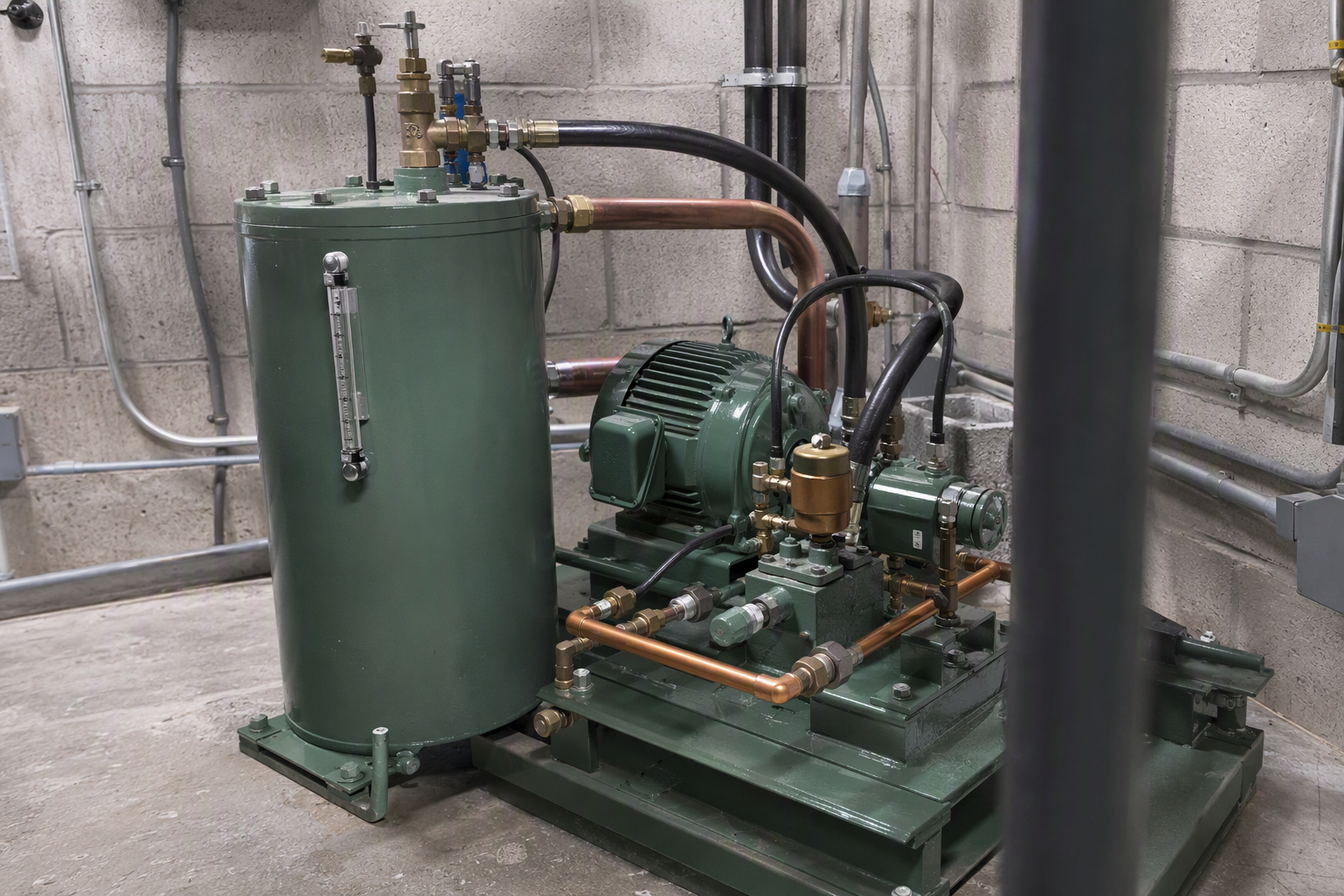
A hydraulic elevator operates by pumping hydraulic fluid into a cylinder that pushes a piston upward, lifting the elevator cab. When the cab descends, the fluid is released back into a reservoir tank. The power unit — the pump, motor, and fluid reservoir — is housed in a separate machine room, typically located adjacent to or below the hoistway.
Key characteristics of hydraulic elevators include:
- Travel heights generally suited to low-rise applications (commonly up to five stories)
- Requirement for a below-ground cylinder in traditional in-ground configurations, or above-ground options in holeless and roped-hydraulic variants
- Lower initial installation cost compared to traction systems in many low-rise scenarios
- Slower travel speeds relative to traction elevators
- A machine room that must meet ventilation and temperature requirements
- Potential environmental considerations around hydraulic fluid, which Florida building officials may scrutinize during permitting
Modern hydraulic units use biodegradable or fire-resistant fluids and advanced valve technology that significantly improve energy efficiency and ride quality compared to older installations.
—
What Is a Traction Elevator and How Does It Differ?
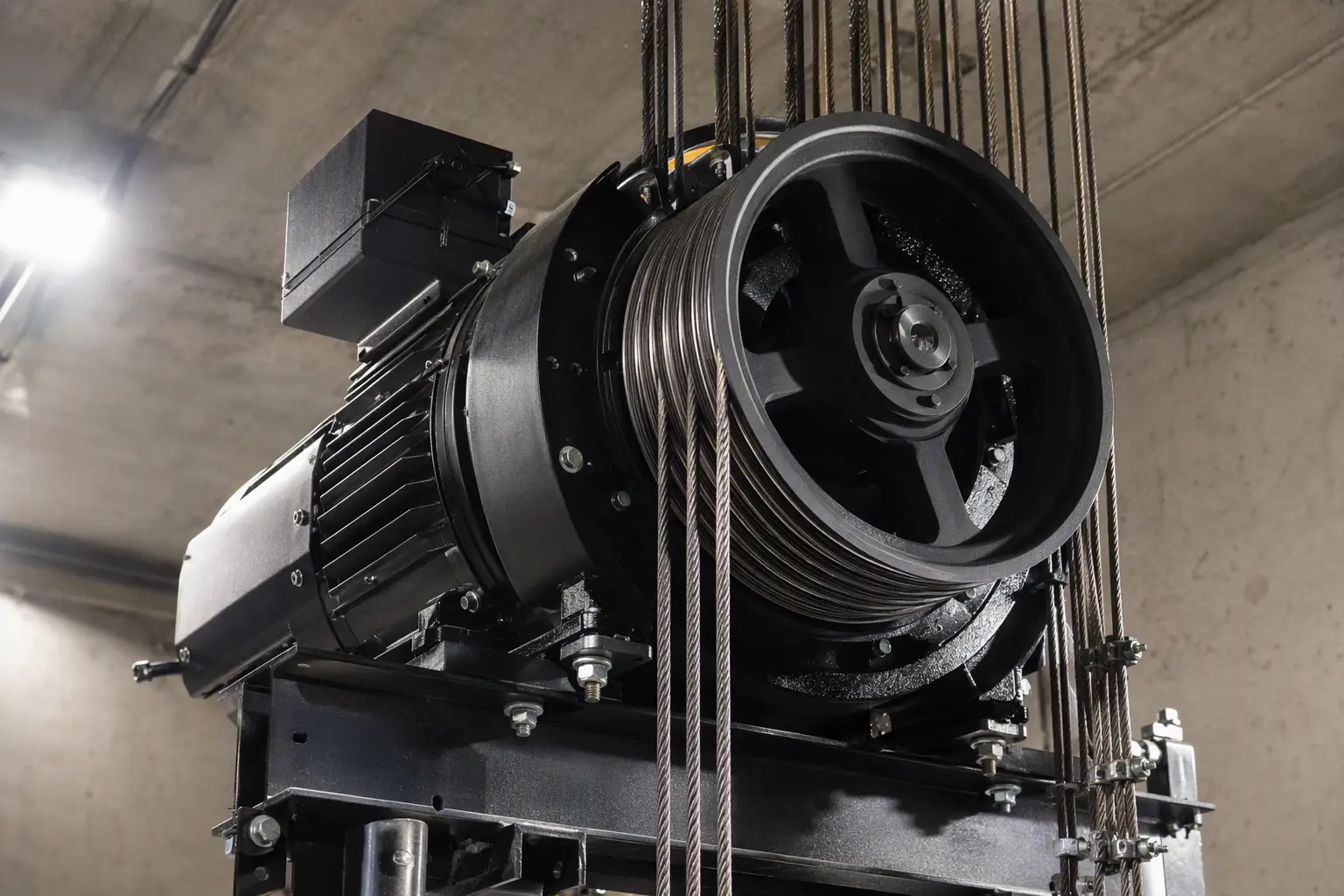
A traction elevator moves the cab using steel wire ropes or flat polyurethane-coated belts that pass over a grooved drive sheave connected to an electric motor. A counterweight — typically equal to the weight of the empty cab plus roughly half the rated load — offsets the cab weight, reducing the motor energy needed to move passengers.
Traction elevators come in two main configurations:
- Geared traction: Uses a gearbox between the motor and sheave; common in mid-rise buildings and lower-speed applications.
- Gearless traction (including machine-room-less, or MRL): The motor drives the sheave directly, enabling faster speeds, higher efficiency, and the elimination of a dedicated overhead machine room in MRL designs.
Traction systems are the standard choice for buildings exceeding five to six stories and are capable of serving the tallest high-rise towers. They typically deliver faster travel speeds, a smoother ride, and lower long-term energy consumption compared to conventional hydraulic systems — advantages that become more meaningful as building height and daily traffic volume increase.
—
Which Elevator Type Is Better for My Building in Pompano, FL?
There is no universally superior elevator type — the right system depends on several building-specific factors:
- Building height: For buildings of four to five floors or fewer, hydraulic systems are often practical and cost-effective. For six or more floors, traction is generally the code-compliant and operationally sound choice.
- Pit and overhead clearance: Florida’s warm climate and high water table in Broward County can complicate in-ground hydraulic cylinder installations. Holeless hydraulic or MRL traction systems are sometimes preferable for sites where deep excavation is problematic.
- Traffic demand: High-volume commercial buildings, hotels, and healthcare facilities in Pompano benefit from the faster cycle times of traction systems.
- Energy efficiency goals: Gearless traction with regenerative drives can return energy to the building’s electrical grid during descent, supporting sustainability objectives.
- Renovation versus new construction: Existing hydraulic systems undergoing modernization may remain hydraulic if the structure and use case still support it, while aging hydraulic units in taller buildings are frequently converted to traction or MRL systems.
- Available space: Machine-room-less traction units are increasingly popular in Pompano commercial properties where overhead or adjacent machine room space is limited.
—
What Florida Codes and Standards Govern Elevator Installations?
All elevator installations, alterations, and inspections in Florida are governed by a combination of federal standards and state-level requirements administered by the Florida Department of Business and Professional Regulation (DBPR). Florida adopts the ASME A17.1 Safety Code for Elevators and Escalators as the foundational safety standard for new installations, and the ASME A17.3 Safety Code for Existing Elevators and Escalators for units already in service.
Additional compliance layers that apply in Florida include:
- ADA accessibility requirements: Elevators serving the public must meet Americans with Disabilities Act standards for cab dimensions, door timing, control height, and audible/visual signals — requirements enforced during permitting and Certificate of Occupancy inspections.
- Florida DBPR inspections: Florida requires periodic inspections by state-licensed elevator inspectors. Any new installation or major alteration triggers a DBPR inspection before the elevator may be placed into service. Certificates must be posted visibly in the elevator cab.
- Local AHJ (Authority Having Jurisdiction): Broward County and the City of Pompano Beach may impose additional permitting requirements beyond state minimums. Axxiom Elevator Florida coordinates with local AHJs throughout the permit and inspection process.
- OSHA standards: Construction-phase elevator work and maintenance operations must comply with applicable OSHA workplace safety requirements.
For 2026 projects, confirming which edition of ASME A17.1 your local AHJ has adopted is an important early step — Axxiom Elevator Florida assists clients in navigating this determination before design and permitting begin.
—
What Are the Long-Term Maintenance Differences Between Hydraulic and Traction Elevators?
Both elevator types require routine maintenance to remain code-compliant and safe, but their maintenance profiles differ:
- Hydraulic systems: Require periodic fluid level checks, seal inspections, valve testing, and cylinder integrity verification. Older in-ground cylinders may require testing for leaks under Florida’s environmental protection requirements. Fluid degradation and pump wear are common service items over time.
- Traction systems: Require rope or belt inspection and replacement on a condition- and mileage-based schedule, sheave groove wear assessment, brake testing, and controller diagnostics. MRL traction systems require technicians trained in accessing compact drive and controller units mounted in the hoistway or overhead space.
Florida’s climate — high humidity, heat, and coastal salt air in the Pompano Beach area — accelerates corrosion on exposed components of both system types. Regular lubrication, moisture barriers, and corrosion-resistant hardware are important maintenance considerations for South Florida elevator owners.
—
How Much Does Each Elevator Type Cost to Install and Operate in Florida?
Specific pricing varies widely based on building configuration, number of stops, cab finish, code requirements, and site conditions — and Axxiom Elevator Florida provides customized project estimates rather than published price ranges. That said, the general cost framework is:
- Hydraulic systems typically carry a lower upfront equipment and installation cost for low-rise applications, but higher long-term energy consumption (no counterweight advantage).
- Traction and MRL systems generally involve higher installation costs but offer lower energy costs over the elevator’s service life, particularly with regenerative drive technology.
- Modernization projects — converting an aging hydraulic system to traction — involve additional structural and electrical work that must be factored into total cost-of-ownership calculations.
A lifecycle cost analysis that accounts for energy, maintenance, parts availability, and code compliance over a 20-plus year horizon often shifts the financial comparison meaningfully in favor of traction systems for buildings where both types are feasible.
—
What Should I Do If My Elevator Fails or Needs Emergency Service in Pompano, FL?
- Ensure passenger safety first. If anyone is trapped in the elevator cab, contact emergency services (911) immediately. Do not attempt to force open doors or extract passengers without trained assistance.
- Post a clear out-of-service notice. Secure access to the elevator and notify building occupants and management.
- Document the failure. Note any error codes displayed on the controller panel, unusual sounds or smells observed prior to the failure, and the time of the incident.
- Contact a licensed elevator service provider. Notify Axxiom Elevator Florida to dispatch a certified technician for assessment and repair.
- Report to the DBPR if required. Certain serious incidents involving elevators in Florida may require notification to the Florida DBPR. Your service provider can advise on reporting obligations.
- Retain a written service record. All repairs and inspections should be documented in the elevator’s maintenance log, which Florida inspectors may review.
Axxiom Elevator Florida provides emergency elevator service for commercial and residential properties throughout Pompano Beach and the greater South Florida region.
—
Why Do Pompano Beach and Broward County Property Owners Choose Axxiom Elevator Florida?
Axxiom Elevator Florida serves a broad range of property types across South Florida — including commercial office buildings, multifamily residential towers, hotels, healthcare facilities, retail centers, and industrial properties. The team works with building owners, property managers, architects, and general contractors from initial system selection through installation, ongoing maintenance contracts, and full modernization projects.
Operating exclusively in Florida, Axxiom Elevator Florida focuses its expertise on the specific code landscape, environmental conditions, and permitting processes that affect South Florida elevator projects — from Broward County AHJ coordination to DBPR inspection readiness. That Florida-specific focus means clients receive guidance grounded in the actual regulatory environment their building operates in, not generalized advice adapted from another market.
—
Schedule a Free Consultation
Ready to determine whether a hydraulic or traction elevator is the right fit for your Pompano, FL property — or looking for maintenance, modernization, or emergency service support? Contact Axxiom Elevator Florida today.
Call us at to schedule your free consultation.
Axxiom Elevator Florida — Certified elevator service, installation, and modernization throughout Pompano Beach, Broward County, and South Florida.
Need elevator service you can rely on? Axxiom Elevator Florida is ready to help.