Elevator Upgrades & Repairs to Prioritize Before the End of the Fiscal Year
Facility managers and building owners across Pompano Beach and Sarasota regularly face the same pressure at fiscal year-end: use remaining capital budget strategically or risk losing it. Elevator systems offer a high-value opportunity because the equipment spans both safety compliance and long-term asset preservation. This guide answers the most important questions building professionals ask when evaluating elevator spending before the budget cycle resets.
What elevator upgrades should be prioritized first when capital budget remains at year-end?
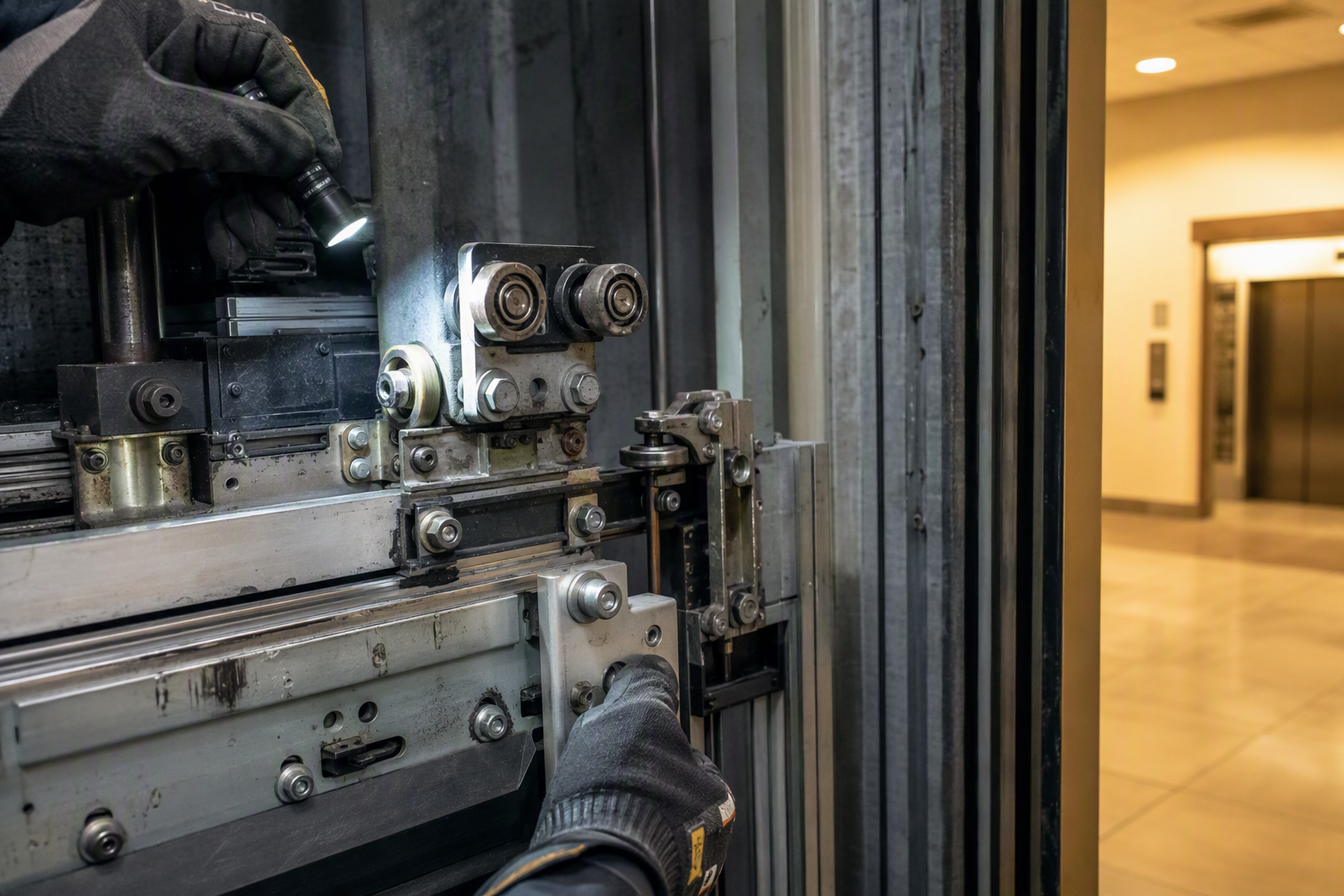
Life-safety deficiencies and active code violations should always be addressed first, followed by mechanical components that are causing unplanned downtime, and then modernization upgrades that extend equipment lifespan and improve energy efficiency.
When capital funds remain available, spending them on deferred elevator maintenance is one of the most defensible decisions a facility manager can make. Unlike cosmetic building improvements, elevator safety upgrades directly reduce liability, protect occupants, and satisfy regulatory obligations under ASME A17.1 Safety Code for Elevators and Escalators and Florida-specific administrative rules. A structured prioritization framework — life-safety first, reliability second, efficiency third — ensures that every dollar produces measurable risk reduction or asset value.
Which elevator components are most likely to trigger a Florida inspection violation?
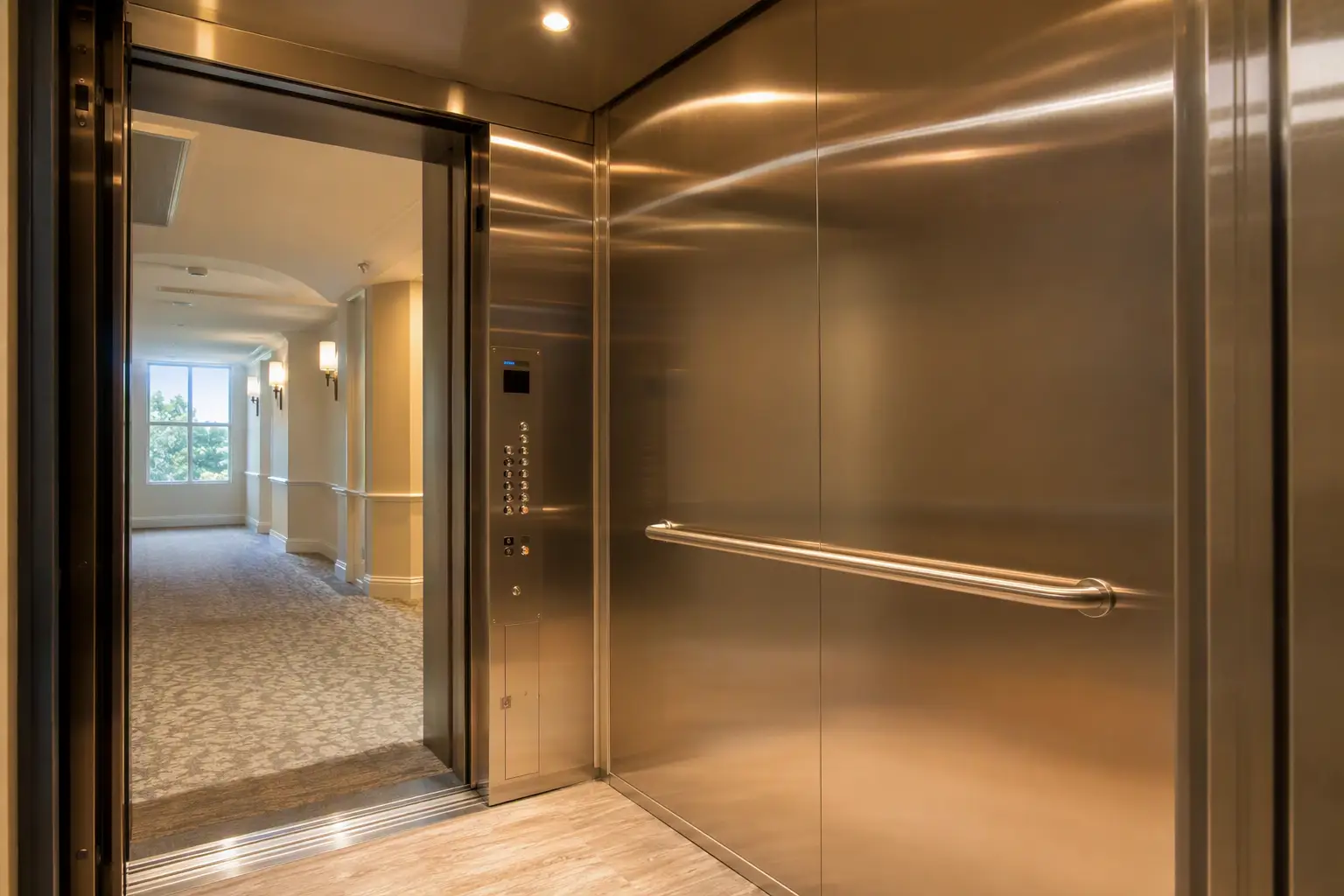
Door operator systems, governor and safety devices, emergency lighting and communication equipment, and hydraulic cylinder integrity are the components most commonly cited during Florida Department of Business and Professional Regulation (DBPR) elevator inspections.
Florida’s elevator safety program requires periodic inspections by licensed inspectors, and violations must be corrected before a unit can be returned to service. Door systems top the list because worn rollers, gibs, and reopening devices create entrapment and shear risks. Governor and safety assemblies are tested under load, and any device that fails to arrest a descending car within the required parameters results in immediate out-of-service orders. Building owners who invest capital budget in these areas before a scheduled inspection avoid the emergency premium costs associated with urgent corrective repairs mandated by a notice of violation.
How does ASME A17.1 affect which elevator repairs qualify as mandatory versus discretionary?
ASME A17.1 Safety Code for Elevators and Escalators establishes minimum safety requirements, and any component that no longer meets those requirements is mandatory to repair — it is not a discretionary budget item regardless of fiscal timing.
The 2019 and subsequent editions of ASME A17.1 introduced retroactive requirements that affect older installations, including updated requirements for car enclosures, firefighters’ emergency operation, and seismic risk mitigation in applicable zones. In Florida, the adopted edition of ASME A17.1 and its supplements is enforced by the DBPR. Items that are “grandfathered” under the edition in force at the time of installation may still need to be upgraded when a major alteration is performed, which means that a fiscal year-end modernization project can trigger additional mandatory compliance work that should be scoped and budgeted together rather than in isolation.
What ADA-related elevator upgrades are commonly deferred and worth funding before year-end?
Outdated hall call button heights, non-compliant car control panel layouts, missing or worn Braille overlays, inadequate audible and visual signals, and door timing that does not accommodate users with mobility impairments are the most frequently deferred Americans with Disabilities Act compliance items in existing elevator installations.
Title III of the ADA requires places of public accommodation to remove accessibility barriers when doing so is readily achievable, and elevator accessibility is specifically addressed in the ADA Standards for Accessible Design. For facilities that have not upgraded call fixtures or car operating panels since original installation, year-end capital funds are well spent on a fixture modernization package that brings the unit into current compliance. This also positions the property favorably in the event of an ADA complaint or audit, reducing legal exposure.
What is the difference between a repair and a modernization for capital budgeting purposes?
A repair restores a component to its original functional condition and is typically expensed, while a modernization replaces or significantly upgrades a system to improve performance, extend useful life, or meet current code — qualifying it as a capitalized asset for accounting purposes.
This distinction has direct implications for how year-end dollars are allocated. A facilities team that replaces a failed door operator with an identical unit is performing a repair. A team that replaces an aging relay-logic controller with a solid-state microprocessor controller is performing a modernization — a capital expenditure that can be depreciated over the asset’s useful life. Consulting with a tax advisor alongside an elevator service provider helps ensure that the scope of work is documented correctly to support the chosen accounting treatment. Axxiom Elevator Florida provides detailed scope-of-work documentation that facilities departments can use when working with their finance teams.
Which mechanical systems have the highest risk of causing unplanned downtime if left unaddressed?
Traction machine bearings and brake assemblies, hydraulic pump units and seals, and aging relay-logic control systems present the highest risk of sudden, unplanned outages in elevator fleets that have not been systematically modernized.
Relay-logic controllers manufactured before the widespread adoption of solid-state systems are particularly problematic because replacement relay components are increasingly difficult to source. When a critical relay fails on an older system, the path to restoring service can involve custom fabrication or extended lead times for obsolete parts. Proactively replacing these controllers before end-of-life eliminates that vulnerability. Similarly, hydraulic cylinders in single-bottom jack configurations installed prior to certain code changes may require integrity testing or liner systems to remain compliant — a capital-eligible project that protects both the environment and the building’s liability position.
How do I evaluate whether a full elevator modernization or targeted component replacement is the better investment?
A structured condition assessment comparing remaining useful life, parts availability, energy consumption, and code compliance gap analysis determines whether targeted repair or full modernization delivers superior return on the capital invested.
The decision framework considers several factors simultaneously. If a controller, machine, and fixtures all need attention within a two-to-three-year horizon, bundling the work into a single modernization contract is almost always more cost-efficient than performing each replacement separately. Conversely, if only one system is failing and the rest of the equipment is in sound condition, targeted replacement makes sense. Axxiom Elevator Florida conducts comprehensive condition assessments for properties in Pompano Beach and Sarasota that give building owners a prioritized roadmap — not a one-size-fits-all modernization proposal.
What elevator energy efficiency upgrades qualify for year-end capital investment?
Variable voltage variable frequency (VVVF) drive retrofits, LED cab lighting conversions, and regenerative drive systems are the most impactful energy efficiency upgrades available for existing elevator installations.
VVVF drives replace older single-speed or two-speed motor controls with systems that modulate motor speed dynamically, significantly reducing energy draw during acceleration and deceleration cycles. Regenerative drives go a step further, returning energy to the building’s electrical grid during descent or when a lightly loaded car rises. LED cab lighting retrofits are lower in cost but deliver immediate reductions in continuous electrical consumption and reduce HVAC load inside the cab. For properties pursuing LEED recertification or energy benchmarking compliance, these upgrades provide documented, measurable performance improvements that support sustainability reporting.
What is the step-by-step process for planning an elevator upgrade before fiscal year-end?
A structured planning process ensures that year-end capital is committed, scoped, and documented before the budget cycle closes, even if physical work extends into the next fiscal year.
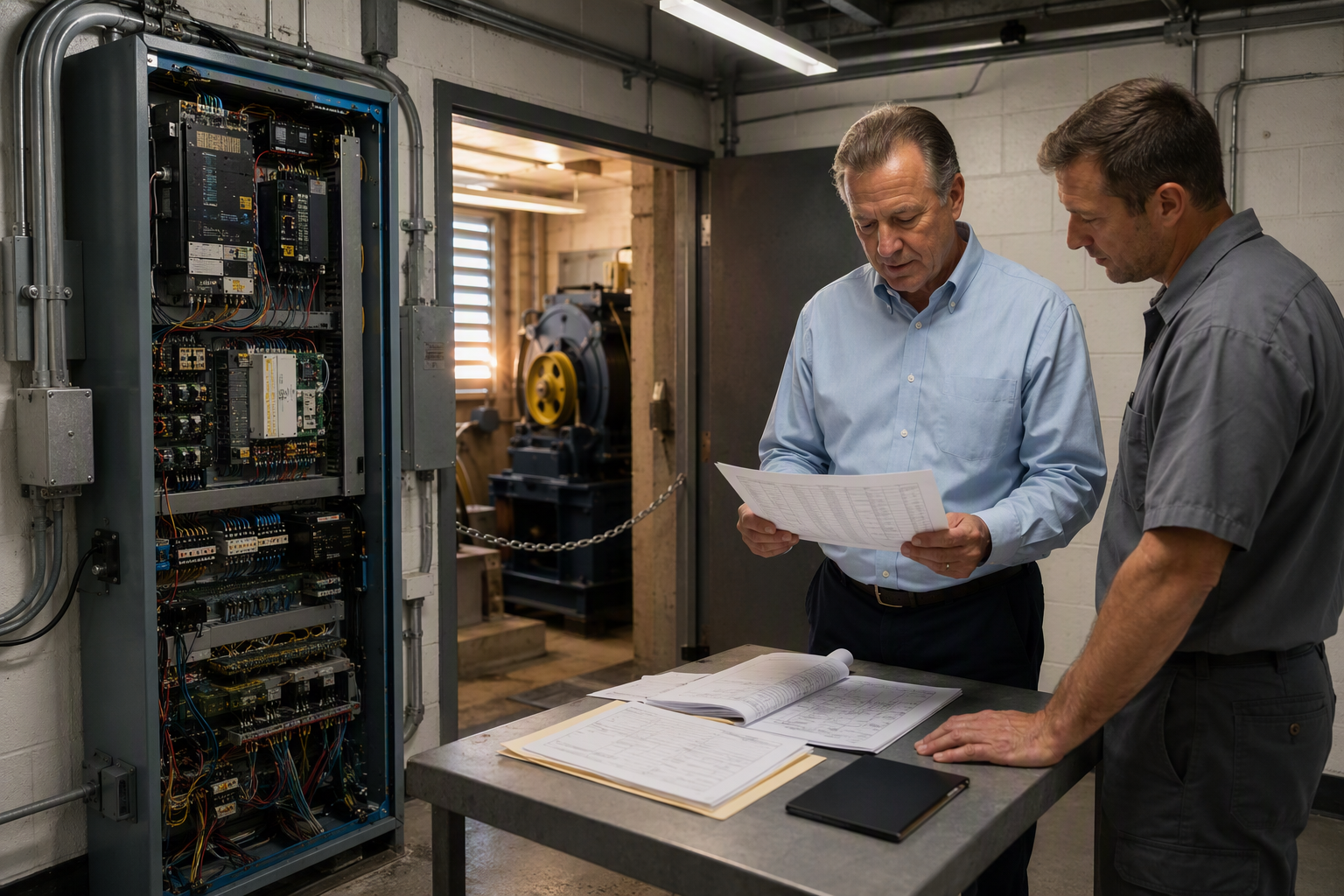
- Commission a condition assessment: Engage a qualified elevator service company to inspect each unit and document the current condition of all major systems — controller, machine, door operators, safety devices, cab, and fixtures.
- Identify compliance gaps: Compare current equipment status against the adopted edition of ASME A17.1 and Florida DBPR requirements to produce a prioritized list of mandatory versus discretionary items.
- Develop a scope of work: Work with the service provider to define exactly what will be replaced, upgraded, or repaired, including part specifications and brand equivalents where applicable.
- Obtain a formal proposal: Request a written proposal that itemizes labor, materials, permit fees, and inspection coordination so finance teams can classify expenditures correctly.
- Confirm capital commitment timing: Verify with your accounting department whether the budget requirement is for purchase orders issued, contracts executed, or work completed within the fiscal year.
- Schedule the work: Coordinate with the service provider to sequence the project around building occupancy needs, minimizing tenant disruption during high-traffic periods.
- Obtain permits and inspections: Ensure the service provider pulls all required permits from the local authority having jurisdiction and schedules the mandatory post-installation inspection.
- Document for asset records: Collect all as-built documentation, inspection certificates, and warranty information for the property’s fixed-asset register.
How does fiscal year-end timing affect elevator contractor availability and lead times?
Elevator contractors in high-demand markets like South Florida and the Gulf Coast frequently experience scheduling compression in Q4 as multiple building owners attempt to commit capital simultaneously, making early engagement critical to securing preferred project windows.
Parts procurement is an equally important timing consideration. Certain elevator components — particularly proprietary controller boards, specialized door operators, and hydraulic cylinder liners — carry lead times that can extend project completion well beyond the date a purchase order is issued. Building owners who begin the assessment and proposal process at least sixty to ninety days before their fiscal year-end are better positioned to have equipment on order and work scheduled before the deadline, even if installation extends modestly into the new budget period. Axxiom Elevator Florida serves properties across Pompano Beach and Sarasota and recommends initiating year-end project conversations as early as possible to confirm availability.
What elevator safety device tests are required and could reveal hidden repair needs?
Florida requires periodic full-load safety tests, governor overspeed tests, and pressure relief valve tests for hydraulic systems — any of these tests can reveal latent deficiencies that immediately become mandatory repair items.
The five-year full-load safety test required under Florida administrative rules subjects the governor, safeties, and buffers to conditions that routine maintenance inspections cannot replicate. Buildings that are approaching their five-year test interval should proactively inspect and service the governor rope, car frame, and safety jaws before the test is conducted — not after a failure is discovered during the test itself. Using capital budget to prepare for these tests rather than respond to their failures is a materially more cost-effective strategy.
Are there elevator upgrades specifically relevant to hurricane preparedness in Florida?
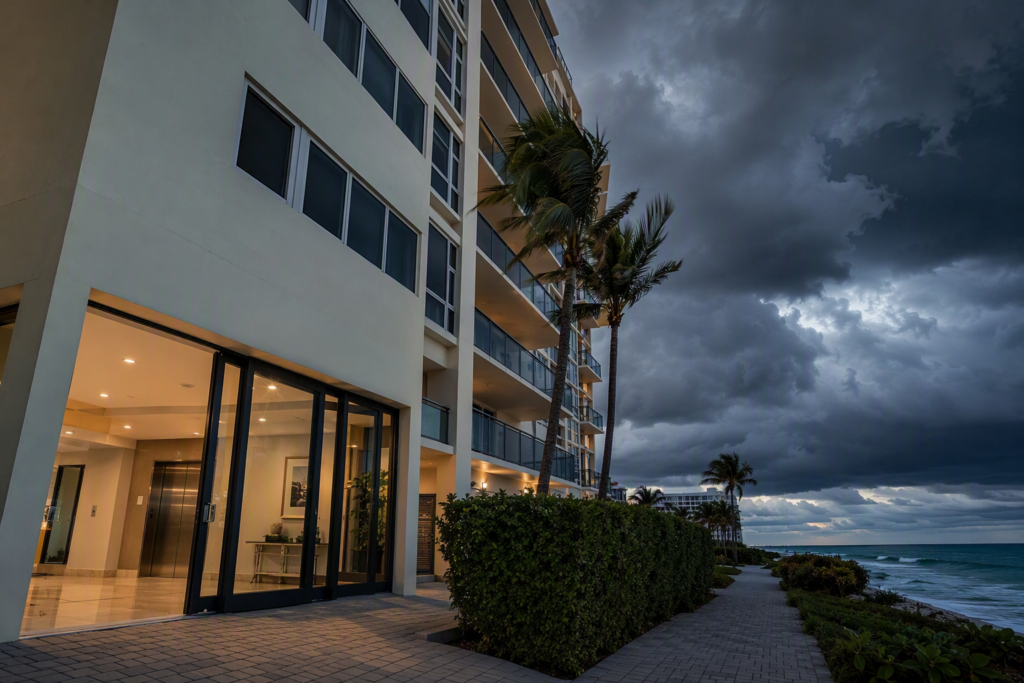
Yes — flood sensor systems, emergency power recall sequences, and machine room environmental controls are Florida-specific upgrades that address hurricane and severe weather risks particular to coastal markets like Pompano Beach and Sarasota.
Flood sensor systems automatically return elevator cars to a designated upper floor and park them with doors open when water intrusion is detected at the pit level, preventing hydraulic contamination and electrical damage. Emergency power systems that are properly integrated with on-site generators ensure that at least one elevator remains operational during extended outages, which is especially important in high-rise residential and healthcare facilities. For coastal Florida properties, these investments address a climate risk exposure that is not present in most other elevator markets and represent strong candidates for year-end capital allocation.
What documentation should be current before pursuing any elevator capital project?
Current inspection certificates, a complete maintenance log, original installation drawings, and any outstanding violation notices must be assembled before beginning a capital project to ensure accurate scoping and permit compliance.
Many older Florida buildings have incomplete elevator documentation because records were lost during ownership transitions or were never properly maintained. A service provider beginning a modernization project without accurate as-built drawings may encounter unforeseen conditions — incorrect hoistway dimensions recorded in older permits, non-standard components installed by previous contractors, or undocumented alterations — that expand project scope and cost. Commissioning a documentation audit as the first phase of a year-end project protects the budget from these surprises.
How should multi-unit elevator portfolios be prioritized when budget is limited?
Prioritize units with active violations or imminent safety test due dates first, followed by units with the highest passenger volume, then units where deferred maintenance costs are accelerating relative to the value of the equipment.
For property managers overseeing multiple buildings in markets like Pompano Beach or Sarasota, a fleet-level assessment assigns a risk score to each unit based on age, maintenance history, inspection record, and component condition. This produces a defensible priority ranking that allocates finite capital to the highest-risk units first. Axxiom Elevator Florida has experience working with multi-property portfolios and can structure assessments and proposals at the portfolio level, enabling managers to make informed trade-off decisions rather than addressing units reactively as failures occur.
What is the typical useful life of major elevator components, and which ones are likely approaching end-of-life in older Florida buildings?
The table below presents benchmark useful-life ranges for major elevator components, drawn from industry engineering practice and ASME guidance, to help building owners identify systems approaching replacement in their specific installations.
| Component | Typical Useful Life Range | End-of-Life Indicators | Project Type |
|---|---|---|---|
| Relay-Logic Controller | 20–30 years | Unavailable replacement relays, frequent nuisance faults | Modernization (Capital) |
| Microprocessor Controller | 15–25 years | Software no longer supported, board failure | Modernization (Capital) |
| Traction Machine (AC) | 25–40 years | Bearing noise, overheating, brake adjustment frequency | Modernization (Capital) |
| Hydraulic Pump Unit | 20–30 years | Seal leaks, slow leveling, pressure loss | Repair or Replace (Capital/Expense) |
| Door Operator | 15–25 years | Nuisance door faults, worn couplers, motor heat | Repair or Replace (Expense/Capital) |
| Governor & Safety Assembly | 20–30 years | Failed load test, governor rope wear | Repair (Mandatory/Expense) |
| Cab Interior & Fixtures | 15–20 years | Worn surfaces, non-ADA fixtures, damaged panels | Modernization (Capital) |
| Hoist Ropes (Traction) | 6–12 years | Wire breaks, reduced diameter, corrosion | Repair (Mandatory/Expense) |
| Hydraulic Cylinder (Single-Bottom) | 25–40 years | Seepage, failed pressure test, age-based mandate | Modernization (Capital) |
| Emergency Lighting & Communication | 5–10 years | Failed battery backup, non-code-compliant phone system | Repair (Mandatory/Expense) |
Buildings constructed between the 1970s and early 1990s in Florida are particularly likely to have relay-logic controllers, single-bottom hydraulic jacks, and original cab fixtures that have reached or exceeded these ranges. Year-end capital budget applied to these systems addresses the highest-probability failure modes in the near-term maintenance horizon.
Can elevator work be contracted before fiscal year-end even if installation occurs in the next fiscal year?
In most accounting frameworks, a binding purchase order or fully executed contract is sufficient to commit capital budget in the current fiscal year, even when physical installation occurs in subsequent months — but this must be confirmed with the organization’s finance and legal teams.
This distinction is important for building owners whose fiscal year-end falls in a period that is inconvenient for elevator outages — for example, a retail property that cannot take an elevator offline during peak holiday season. By executing a contract and issuing a purchase order before the year closes, the capital is committed and the project can be scheduled for a lower-impact installation window in the new year. Service providers like Axxiom Elevator Florida can issue formal proposals and contracts that satisfy these documentation requirements.
What questions should a building owner ask an elevator service company before committing year-end capital?
The most important questions focus on scope documentation, permit responsibility, inspection coordination, parts lead times, and how the service provider handles unforeseen conditions discovered during the work.
Specifically, building owners should ask: Will the proposal include a detailed bill of materials with part numbers? Who is responsible for pulling permits and scheduling the post-installation inspection? What is the current lead time on critical components like the controller or door operator? How are change orders handled if concealed conditions alter the scope? What warranty is provided on parts and labor? What is the process for returning the elevator to service after installation? A service provider that answers these questions clearly and in writing before work begins is demonstrating the operational transparency that protects the building owner’s investment.
How do elevator upgrades affect property value and insurance premiums?
Documented elevator modernizations and current inspection certificates can positively influence property appraisals, reduce liability insurance premiums, and support favorable terms during property sales or refinancing.
Lenders and underwriters performing due diligence on commercial and multi-family properties increasingly scrutinize elevator maintenance records and inspection compliance. A building with a current inspection certificate, no outstanding violations, and documented modernization history presents a materially different risk profile than one with deferred maintenance and expired permits. For building owners in markets like Sarasota and Pompano Beach where commercial real estate activity is active, investing capital in elevator compliance and modernization before a planned sale or refinancing event can reduce negotiation friction and support the asset’s appraised value.
What role does OSHA play in elevator workplace safety and capital planning?
The Occupational Safety and Health Administration (OSHA) has jurisdiction over elevator-related workplace safety hazards in commercial and industrial settings, and OSHA citations can result in mandatory corrective action that forces unbudgeted capital expenditure.
OSHA’s general industry standards address machine guarding, pit access safety, and hazardous energy control (lockout/tagout) procedures that apply to elevator maintenance operations. While OSHA does not regulate passenger elevator safety directly in the same way that ASME A17.1 does, an OSHA inspection triggered by a workplace incident can result in citations that require physical modifications to machine rooms, pit access ladders, lighting, and electrical panels. Proactively addressing these conditions as part of a year-end capital project eliminates a potential enforcement liability.
How should building owners compare proposals from multiple elevator service companies?
Proposals should be compared on the basis of scope specificity, parts quality and sourcing, permit and inspection inclusion, warranty terms, contractor licensing, and demonstrated familiarity with the adopted Florida code edition — not on price alone.
A low-price proposal that omits permit fees, uses non-OEM parts without disclosure, or excludes post-installation inspection coordination may carry a lower headline number while delivering substantially higher total cost of ownership. Building owners in Florida should confirm that any elevator contractor holds a current State of Florida elevator contractor license as required by the DBPR before committing capital funds. Axxiom Elevator Florida operates as a certified elevator service company in Florida and serves building owners in Pompano Beach and Sarasota with transparent, fully documented project proposals.
Ready to Put Your Remaining Capital Budget to Work?
Contact Axxiom Elevator Florida for a free elevator assessment before your fiscal year closes. The Axxiom team serves property owners and facility managers across Pompano Beach, FL and Sarasota, FL, providing detailed condition assessments, code compliance gap analysis, and fully documented project proposals that support both your capital planning and your regulatory obligations.
Whether the priority is a life-safety correction, a controller modernization, an ADA fixture upgrade, or a full cab renovation, Axxiom Elevator Florida delivers the technical depth and project documentation that building professionals need to make confident year-end investment decisions.
Call Axxiom Elevator Florida today:
Don’t let unused capital budget expire — schedule your free elevator assessment now and start the new fiscal year in full compliance.