Elevator Modernization Cost for Mid-Rise Apartment & Condo Buildings in Florida
For property managers, condo association boards, and building owners in Pompano Beach and Sarasota, understanding the true cost of elevator modernization goes far beyond a single price quote. Compliance obligations, equipment age, Florida inspection requirements, and resident safety all shape what a modernization project actually involves — and what it ultimately costs.
What Drives Elevator Modernization Costs in a Mid-Rise Florida Building?
Modernization costs are not one-size-fits-all. Several variables determine where a project lands on the cost spectrum:
- Number of stops and floors: A five-story building with a single elevator has a fundamentally different scope than a twelve-story building with two elevator banks.
- Drive system type: Hydraulic elevators common in Florida mid-rise buildings often require oil line replacement, valve upgrades, or a full conversion to a more energy-efficient drive system.
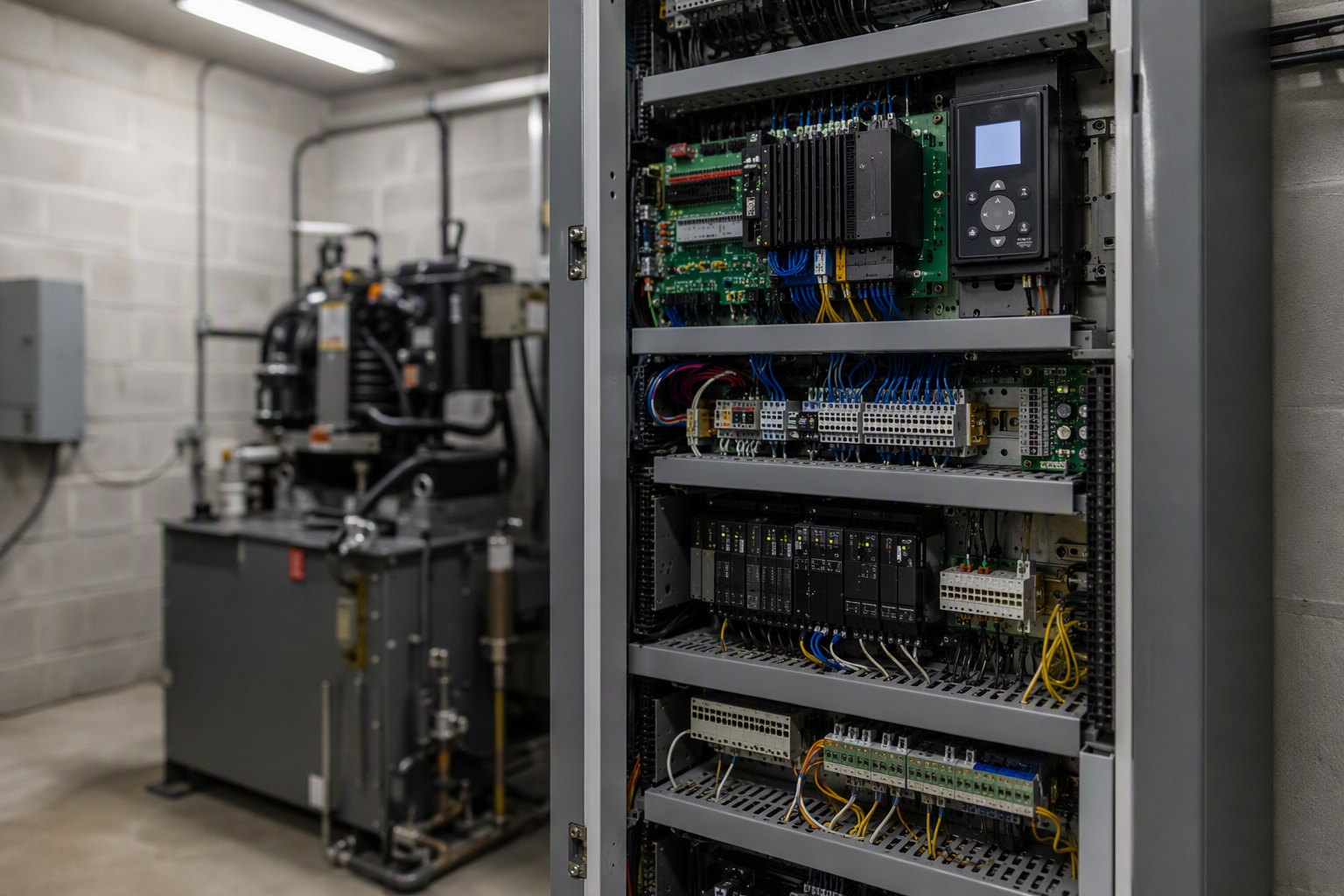
- Age of existing equipment: Older mechanical relay-logic control systems require full replacement with modern solid-state controls, which represents one of the largest single cost drivers.
- Cab interior condition: Flooring, ceiling panels, handrails, and door frames that do not meet current ADA requirements must be addressed during modernization.
- Code compliance gaps: Florida-adopted editions of the ASME A17.1 Safety Code for Elevators and Escalators and ASME A17.3 Safety Code for Existing Elevators and Escalators set the compliance baseline. Any existing deficiencies identified by the Florida Department of Business and Professional Regulation (DBPR) must be corrected.
- Door operator and safety edge systems: Modernized door operators with updated safety edges and infrared curtains are typically required and add to project cost.
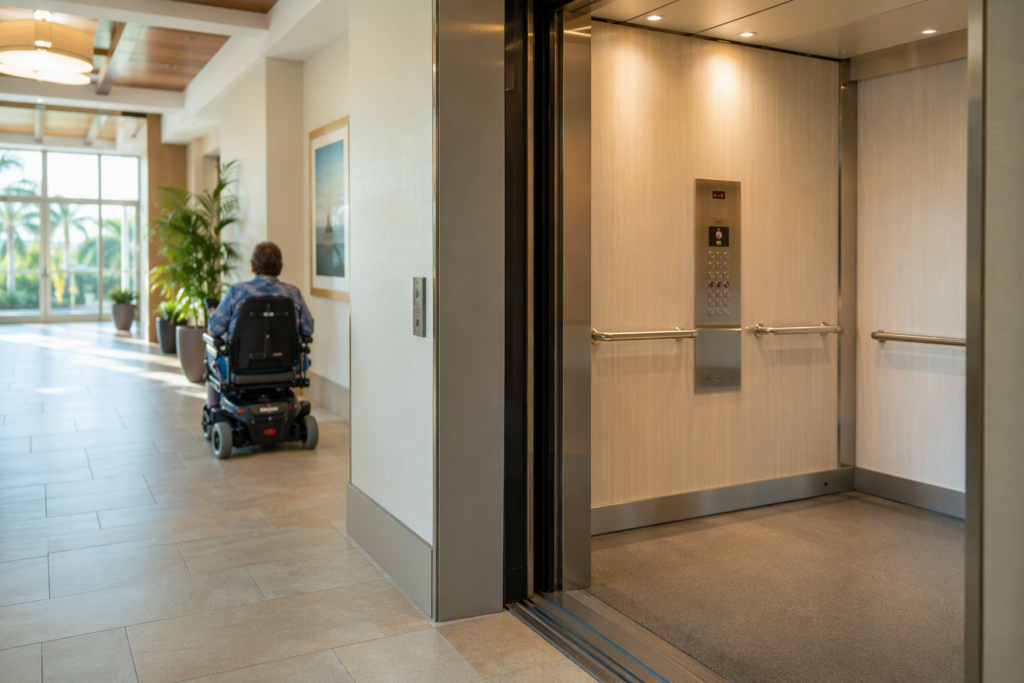
- Accessibility upgrades: Braille signage, audible floor indicators, leveling accuracy, and accessible cab controls are common ADA requirements that mid-rise residential buildings must satisfy.
- Permits and inspection fees: Florida requires permits and inspections by a licensed elevator inspector through the DBPR or an authorized third party. These fees are part of every legitimate modernization budget.
What Florida Compliance Standards Apply to Mid-Rise Residential Elevator Modernization?
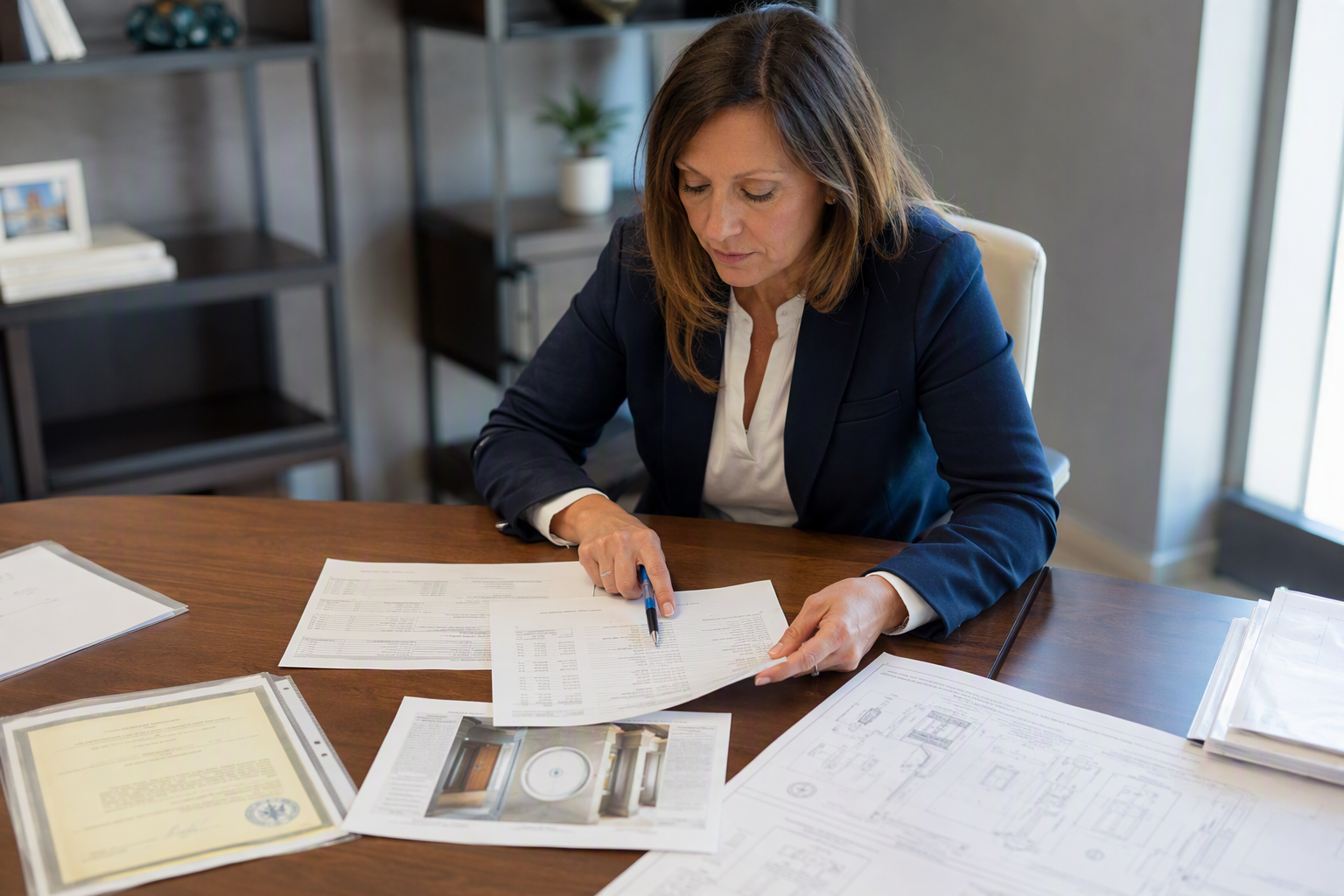
Florida’s elevator industry is governed by Chapter 399 of the Florida Statutes and administered by the DBPR. The state adopts editions of the ASME A17.1 Safety Code for Elevators and Escalators as the installation standard and the ASME A17.3 Safety Code for Existing Elevators and Escalators as the standard governing upgrades to equipment already in service.
For mid-rise apartment and condo buildings, the most frequently triggered compliance categories during modernization include:
- ASME A17.3 retroactive requirements: When a modernization project triggers certain thresholds — such as replacing the controller or drive unit — it can activate retroactive safety requirements for the entire elevator system, not just the components being replaced. This is a common source of budget surprises for building owners who expected a partial upgrade.
- ADA Title III and Fair Housing Act: Multi-family residential buildings must ensure elevator cabs, controls, and landings meet ADA accessibility standards. Failure to comply exposes building owners to civil complaints.
- Florida DBPR annual inspection intervals: Florida law requires periodic inspections by licensed elevator inspectors. A modernization project requires its own permit, inspection, and certificate of operation before the elevator returns to passenger service.
- Firefighters’ emergency operation: Phase I and Phase II firefighters’ emergency operation requirements under ASME A17.1 must be verified or updated as part of the modernization scope.
- Seismic and environmental considerations: While Florida is not a high-seismic zone, humidity, salt air in coastal markets like Pompano Beach, and storm-related power disruptions are environmental factors that influence equipment selection for long-term durability.
Axxiom Elevator Florida works with building owners in Pompano Beach, Sarasota, and surrounding Florida markets to identify exactly which ASME A17.3 retroactive requirements apply before a project scope is finalized, helping avoid unexpected cost escalations mid-project.
What Is Typically Included in a Full Elevator Modernization Scope?
A complete modernization for a mid-rise Florida residential building generally covers the following components:
- Controller and solid-state relay replacement
- Drive unit or hydraulic power unit upgrade
- Door operators, tracks, and safety edges
- Cab interior: flooring, walls, ceiling, lighting, and handrails
- Accessible cab operating panel and emergency communication system
- Hall fixtures, lanterns, and position indicators at each landing
- Firefighters’ emergency operation verification and update
- Governor, safeties, and buffer inspection and upgrade as required
- Permit submission, inspections, and certificate of operation
Partial modernizations — for example, replacing only the controller and door operator — cost significantly less but may trigger ASME A17.3 retroactive requirements that expand the scope. A qualified elevator contractor will conduct a full assessment before recommending a partial or full approach.
How Long Does Elevator Modernization Take in a Florida Residential Building?
Project timelines vary based on equipment lead times, permit processing by the Florida DBPR, and building-specific conditions. A straightforward controller and door operator upgrade may be completed in a matter of weeks. A full cab and systems modernization on a multi-elevator mid-rise building can take several months from contract execution to final inspection approval.
For condo associations and apartment managers, downtime planning is critical. Buildings with a single elevator serving all residents require careful scheduling to minimize service disruption, which may influence the sequence of work and overall project timeline.
What Is the Difference Between Partial Modernization and Full Modernization?
A partial modernization addresses specific components — such as controls, door operators, or cab interiors — without replacing the entire drive system. It typically costs less upfront but carries the risk of triggering retroactive ASME A17.3 requirements that expand the required scope.
A full modernization replaces all major mechanical, electrical, and interior systems. It requires a larger upfront investment but results in a fully code-compliant elevator with a predictable maintenance profile and extended service life. For buildings with equipment that is decades old, a full modernization is often the more cost-effective decision over a five-to-ten-year horizon when avoided repair costs are considered.
How Should a Condo Association Budget for Elevator Modernization?
Florida condo associations operating under Chapter 718 of the Florida Statutes are required to maintain reserve funds for major capital expenditures, which may include elevator modernization. A properly funded reserve study will account for the elevator’s age, expected remaining service life, and the projected cost of modernization when that threshold is reached.
Axxiom Elevator Florida provides free elevator assessments to help building owners and association boards in Pompano Beach, Sarasota, and across Florida establish a realistic modernization cost baseline for reserve planning and vendor budgeting purposes.
What Questions Should Building Owners Ask When Comparing Elevator Modernization Bids?
Not all modernization proposals are structured equally. When reviewing competing bids, building owners and property managers should confirm:
- Does the bid include permit fees and Florida DBPR inspection costs?
- Which ASME A17.3 retroactive items has the contractor included, and which are excluded?
- Is ADA compliance work — cab controls, signage, leveling — included in the scope?
- What warranty does the contractor offer on parts and labor?
- Is the contractor licensed under Florida’s elevator specialty contractor licensing requirements administered by the DBPR?
- How will the contractor manage building access and resident communication during the project?
- What is the process if the inspector identifies additional deficiencies during the final inspection?
What Are the Consequences of Delaying Elevator Modernization in Florida?
Delaying a necessary modernization carries compounding risks for residential building owners and condo associations:
- Out-of-service equipment: Aging components fail more frequently. A shutdown elevator in a mid-rise building creates immediate hardship for residents, including those with mobility limitations who depend on the elevator for daily access.
- ADA exposure: A non-compliant cab that denies effective access to residents or guests with disabilities can result in formal complaints under the ADA and the Fair Housing Act.
- DBPR enforcement action: Florida elevator inspectors can issue orders to take an elevator out of service. Operating an elevator under a citation or without a valid certificate of operation exposes the building owner to fines and liability.
- Escalating repair costs: Emergency repairs on obsolete equipment are typically more expensive than planned modernization work on the same components.
How Does Elevator Modernization Affect Property Value and Insurance in Florida?
A modernized, fully compliant elevator can positively affect a mid-rise condo or apartment building’s market position. Prospective buyers and tenants evaluate building infrastructure as part of their decision. An aging or frequently out-of-service elevator is a documented concern in Florida real estate transactions.
From an insurance standpoint, some property insurers and liability carriers take note of elevator age, maintenance history, and compliance status when evaluating risk. A modernized elevator with a current certificate of operation and a documented maintenance agreement may support favorable underwriting considerations, though building owners should consult their insurer directly for specifics.
What Steps Should a Building Owner Follow When Planning an Elevator Modernization Project?
- Schedule a professional elevator assessment. A licensed elevator contractor conducts a full inspection of the existing equipment, identifies ASME A17.3 retroactive requirements, and documents ADA compliance gaps.
- Review the assessment report with the association board or ownership group. Establish a clear scope of work and a realistic budget range based on the findings.
- Obtain competitive bids from licensed Florida elevator contractors. Compare bids on an equal scope basis, confirming that permit fees, inspection costs, and code compliance items are consistently included.
- Select a contractor and execute a written contract. Confirm that the contract specifies scope, timeline, warranty terms, and the contractor’s Florida DBPR license number.
- Permit the project with the Florida DBPR. The elevator contractor submits permit applications and coordinates the required inspections.
- Execute the modernization work. Coordinate with building management on resident notification, access protocols, and any temporary provisions for residents with mobility needs.
- Pass final inspection. The Florida DBPR or authorized inspector conducts a final inspection and issues a certificate of operation before the elevator returns to passenger service.
- Establish a preventive maintenance agreement. A post-modernization maintenance plan protects the investment and supports compliance with Florida inspection requirements going forward.
Questions Your Inspector Will Ask
During a Florida DBPR elevator inspection — whether for a modernization permit or a routine annual inspection — building owners and property managers should be prepared to address the following questions and documentation requests:
- Is the current certificate of operation posted in or adjacent to the elevator cab? Florida law requires a valid certificate to be displayed.
- What is the maintenance contractor’s Florida DBPR license number, and is the maintenance log current? Inspectors verify that maintenance is being performed by a licensed contractor and documented properly.
- Has the firefighters’ emergency operation — Phase I recall and Phase II in-car operation — been tested recently? Inspectors will test both phases as part of their evaluation.
- Are all cab controls, including emergency communication, functioning as required under ASME A17.1? The emergency phone or communication system must connect to a monitored location.
- What work has been performed on the equipment since the last inspection, and were permits obtained for that work? Unpermitted modifications are a common citation item.
- Does the cab leveling meet current standards? Excessive floor-to-landing gaps are an ADA and safety concern that inspectors measure directly.
- Are door reopening devices — safety edges or light curtains — operational and correctly calibrated? Inspectors test door safety systems as a standard part of every inspection.
- For hydraulic elevators: is there evidence of oil leakage, and has the hydraulic system been tested for integrity? Florida inspectors pay close attention to underground hydraulic systems given environmental and safety considerations.
Axxiom Elevator Florida helps building owners in Pompano Beach, Sarasota, and throughout Florida prepare for inspections and address outstanding deficiencies before they become citations or service shutdowns.
Why Local Expertise Matters for Florida Mid-Rise Elevator Modernization?
Florida’s climate, coastal environment, and regulatory structure create conditions that differ meaningfully from inland or northern markets. Humidity, salt air corrosion in coastal communities like Pompano Beach, and the state’s storm-season power disruption patterns all influence equipment selection and long-term performance. A contractor with direct experience in the Florida regulatory environment — including DBPR permit processes, inspector expectations, and the specific code editions adopted by the state — brings practical value that goes beyond the written scope of work.
Axxiom Elevator Florida is a certified elevator service company serving mid-rise apartment buildings, condo communities, and commercial properties across Florida, including Pompano Beach and Sarasota.
Get a Free Elevator Assessment for Your Florida Building
Whether planning a full modernization, evaluating a partial upgrade, or preparing for a DBPR inspection, a professional assessment is the essential first step. Contact Axxiom Elevator Florida for a free elevator assessment and receive a clear, code-accurate evaluation of your building’s elevator system and what modernization would involve.
Contact Axxiom Elevator Florida for a free elevator assessment:
Need elevator service you can rely on? Axxiom Elevator Florida is ready to help.