Florida Elevator Code Changes for 2026 and 2027: What Healthcare Facility Owners Need to Know
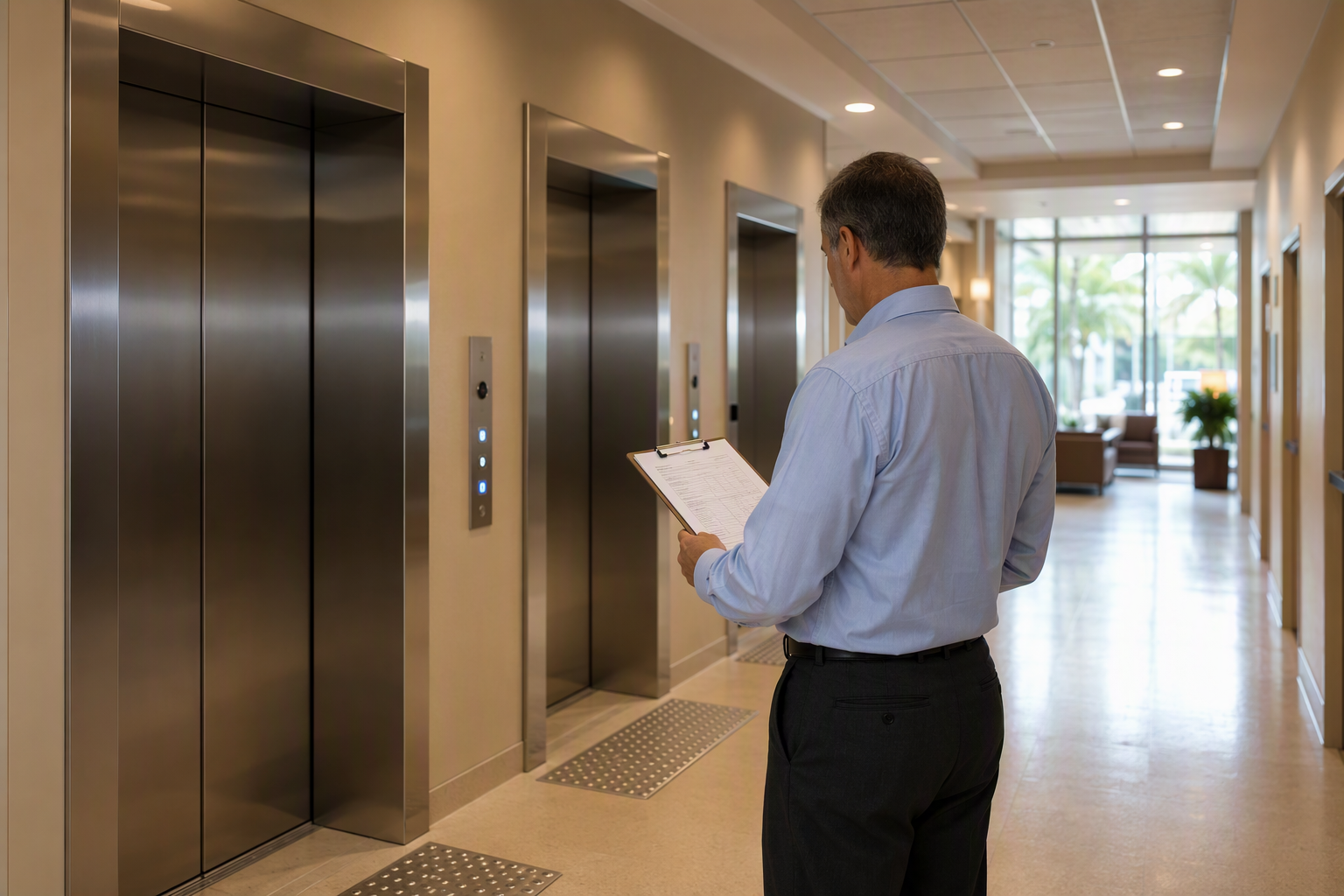
For hospitals, medical office buildings, assisted living facilities, and outpatient surgical centers across Pompano Beach and Sarasota, elevator compliance is not optional — it is a patient safety obligation and a regulatory requirement. The window to prepare for the code changes arriving in 2026 and 2027 is narrowing. Understanding what is changing, and acting before enforcement deadlines, is the most cost-effective path forward.
What Elevator Code Changes Are Going Into Effect in Florida in 2026 and 2027?
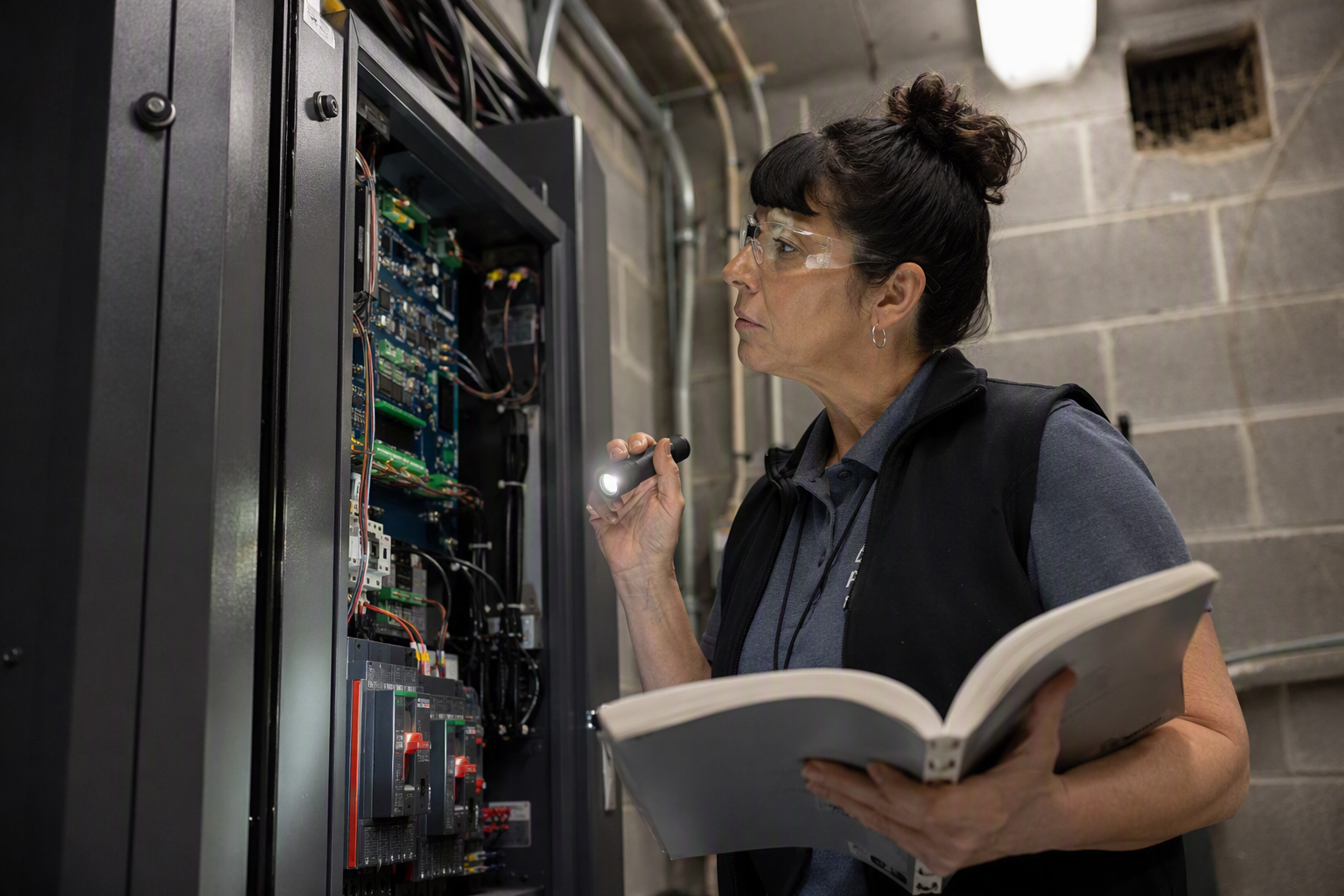
Florida adopts the ASME A17.1 Safety Code for Elevators and Escalators through its state building code process, with the Florida Building Commission periodically approving new code editions for enforcement. The 2026–2027 period reflects a transition cycle where Florida is expected to align with updated ASME A17.1 editions that include enhanced requirements for emergency operations, machine room-less (MRL) systems, cab lighting minimums, door-reopening devices, and seismic and firefighter service protocols.
Alongside ASME updates, the Americans with Disabilities Act continues to be interpreted with greater scrutiny in healthcare environments, particularly around call button placement, audible and visual floor indicators, door timing, and accessible cab dimensions. Healthcare facilities face a compounding compliance burden because they are regulated not only under Florida elevator law but also under federal accessibility standards and, in some cases, OSHA workplace safety rules that apply to service and freight elevator operation.
Axxiom Elevator Florida works with healthcare building owners in Pompano Beach and Sarasota to identify which of these intersecting requirements apply to their specific elevator inventory and occupancy classification — before an inspector does it for them.
Why Are Healthcare Elevators Held to a Higher Compliance Standard?
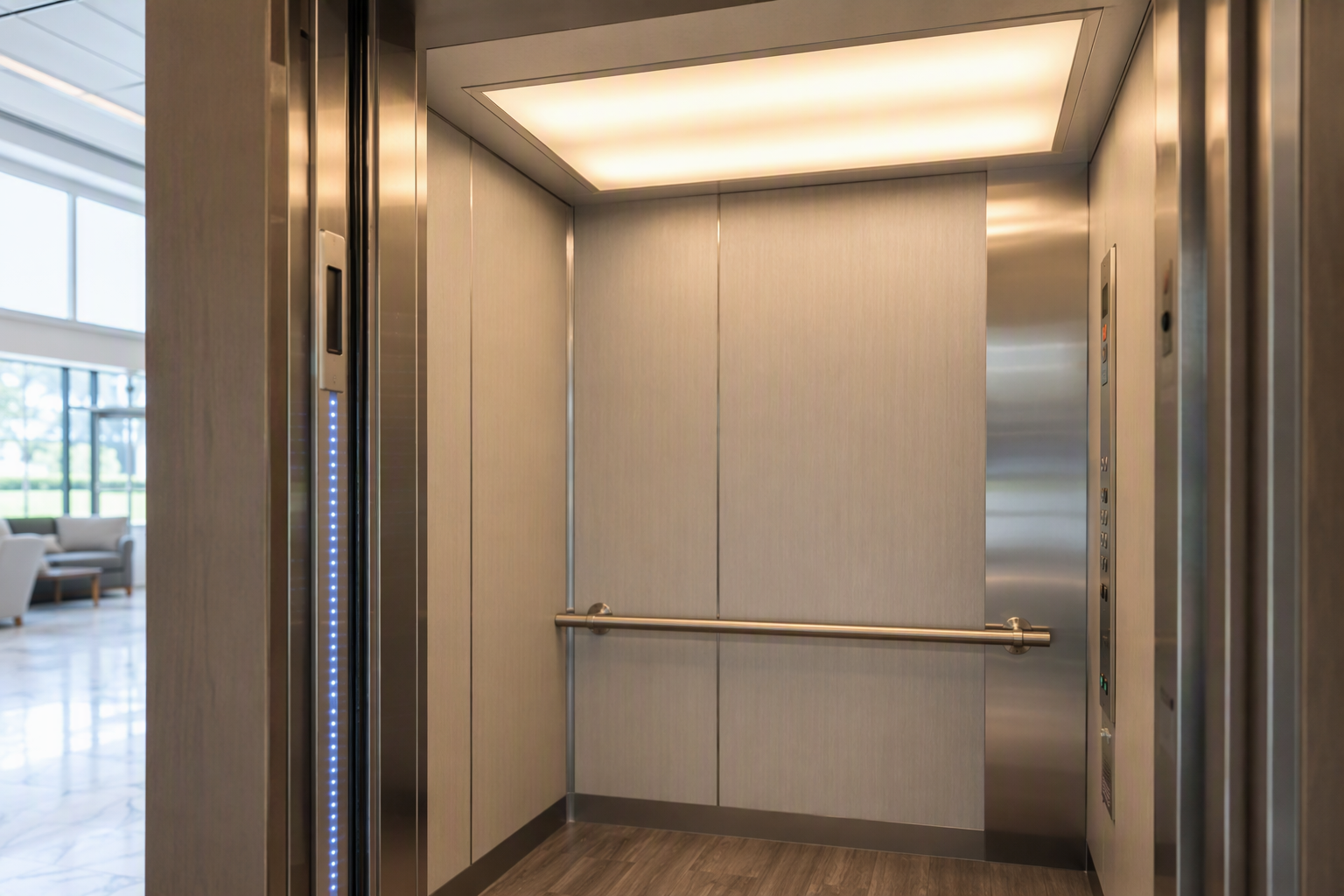
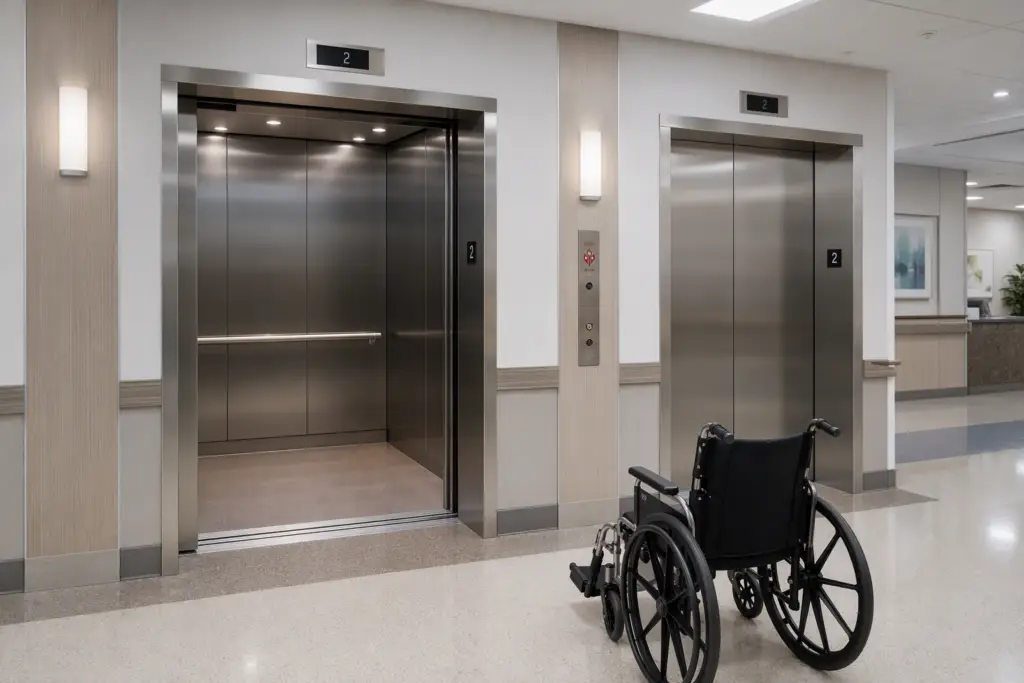
Hospitals and long-term care facilities depend on elevators for patient transport, emergency egress, and the movement of critical equipment and medication. A non-compliant elevator in a healthcare setting is not merely a citation risk — it can interrupt patient care, trigger Joint Commission findings, and expose facility owners to liability if an incident occurs during a period of known non-compliance.
Florida Statutes governing elevators and conveying systems require that all vertical transportation equipment in public buildings, including healthcare facilities, pass periodic safety inspections. Facilities that fall out of compliance during an inspection cycle may be ordered to take an elevator out of service until deficiencies are corrected, which in a clinical environment can have immediate operational consequences.
What Specific ASME A17.1 Requirements Should Healthcare Facilities Prioritize?
The following areas of the ASME A17.1 Safety Code for Elevators and Escalators are among those most frequently cited during Florida healthcare facility inspections and are expected to receive heightened attention under updated enforcement cycles:
- Emergency lighting and power: Healthcare elevators must maintain cab lighting during power interruptions, with updated minimums for illumination levels in occupied cabs.
- Two-way communication systems: Requirements for in-cab emergency communication are becoming more specific, including response protocols and system testing documentation.
- Door reopening devices: Updates clarify performance standards for door edge and light-curtain reopening devices, which are critical in settings where patients are transported on gurneys or in wheelchairs.
- Firefighter emergency operation (FEO): Phase I and Phase II firefighter service requirements are subject to updated testing and signage specifications.
- Machine room-less (MRL) systems: Facilities with MRL elevators will encounter updated maintenance access and temperature control requirements.
- Pit and overhead clearances: Updated minimum clearance requirements may require structural modifications in older healthcare buildings.
What ADA Requirements Apply Specifically to Healthcare Elevator Users?
Under the Americans with Disabilities Act, elevators serving public accommodations and commercial facilities — categories that include most healthcare settings — must meet specific accessibility standards. In healthcare environments, these requirements interact with patient populations that have elevated rates of mobility impairment, making compliance both a legal and a patient-care imperative.
Key ADA-related areas for healthcare elevators include:
- Call button height, size, and tactile marking requirements
- Cab interior dimensions adequate for wheelchair and gurney clearance
- Audible and visible floor indicators (including voice annunciators)
- Door dwell time — the period doors remain open — must accommodate patients with mobility impairments
- Handrail placement and continuity within the cab
- Braille floor designations on jamb plates
Axxiom Elevator Florida conducts accessibility audits that evaluate each of these elements against current ADA standards, providing healthcare facility managers with a written gap analysis they can use for capital planning and regulatory response.
How Should Healthcare Building Owners in Florida Begin Preparing for 2026–2027 Code Changes?
- Inventory all vertical transportation equipment — document make, model, installation date, last modernization, and current inspection certificate status for every elevator, dumbwaiter, and lift on the property.
- Pull current inspection reports — review the most recent state-issued inspection certificate and any open deficiency notices. Unresolved items from prior inspections carry forward and compound during re-inspection.
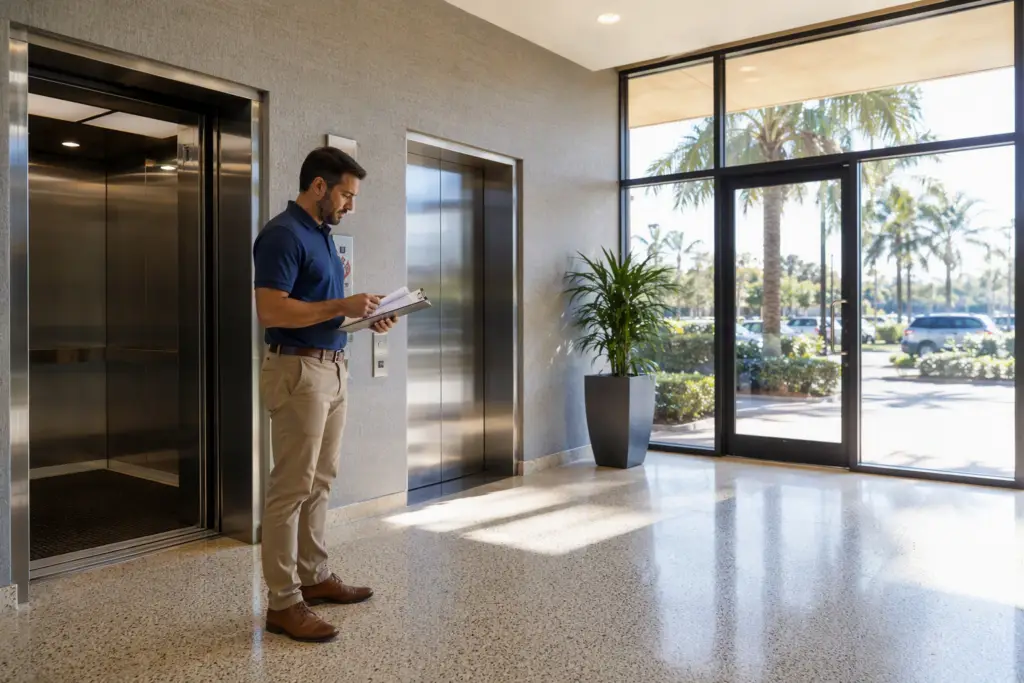
- Schedule a pre-compliance assessment — engage a qualified elevator service provider to walk each unit against the expected 2026–2027 code framework before the official inspection cycle begins.
- Evaluate modernization timelines — some compliance items require lead time for parts procurement, especially for legacy equipment or proprietary systems. Begin procurement conversations early.
- Coordinate with facilities management and risk — bring elevator compliance into the facility’s broader capital improvement and risk management planning process, particularly if Joint Commission accreditation is involved.
- Document everything — maintain a compliance file that includes inspection certificates, repair work orders, contractor qualifications, and testing logs. Inspectors and accrediting bodies may request documentation going back multiple years.
- Establish a recurring maintenance contract — facilities with documented preventive maintenance programs consistently perform better during inspections and experience fewer emergency shutdowns.
What Is the Timeline for Florida Code Adoption and Enforcement?
Florida’s code adoption process runs through the Florida Building Commission, which reviews and votes on updated code editions before they become enforceable statewide. Once adopted, enforcement typically begins with new construction and major renovations immediately, while existing equipment may be given a compliance window — but that window is not unlimited.
Healthcare facilities should plan for enforcement of updated standards to begin in earnest during scheduled inspection cycles in 2026, with secondary wave inspections and follow-up enforcement continuing into 2027. Facilities that wait until an inspector arrives to discover deficiencies face both the cost of emergency remediation and the operational disruption of potential out-of-service orders.
What Does Elevator Modernization Cost in a Healthcare Setting?
Modernization scope and cost vary significantly depending on elevator age, system type, number of stops, and the extent of code-required upgrades. Cab cosmetic upgrades, control system replacements, door operator modernizations, and machine room retrofits each carry different cost profiles. Healthcare facilities should also factor in the cost of temporary service disruption — patient transport logistics during an elevator outage have real operational and staffing cost implications.
Axxiom Elevator Florida provides written assessments that help healthcare facility managers understand the scope of work associated with compliance-driven modernization, allowing for informed capital budget conversations with administration and ownership.
How Do OSHA Requirements Interact with Florida Elevator Codes in Healthcare Facilities?
The Occupational Safety and Health Administration has jurisdiction over workplace safety conditions that include elevator machine rooms, pit access, and service elevator operations used by employees. In healthcare settings, service elevators and freight lifts used by housekeeping, dietary, and materials management staff must meet OSHA general industry standards in addition to Florida elevator code requirements.
Common OSHA-relevant conditions in healthcare elevator environments include pit ladder safety, machine room access control, lighting in service areas, lockout/tagout compliance during maintenance, and signage requirements. A facility that is current on Florida elevator code but deficient in OSHA compliance remains exposed to regulatory action.
What Are the Consequences of Non-Compliance for a Healthcare Facility?
Non-compliant elevators in a healthcare setting can result in:
- Mandatory out-of-service orders from Florida’s Building Department or elevator inspection authority
- Fines and re-inspection fees
- ADA complaint investigations or litigation from patients, visitors, or employees with disabilities
- Negative findings during Joint Commission or Agency for Health Care Administration (AHCA) surveys
- Increased liability exposure in the event of an elevator-related incident
- Reputational consequences in markets like Pompano Beach and Sarasota where healthcare competition is active
How Often Are Healthcare Facility Elevators Inspected in Florida?
Florida requires periodic safety inspections for all elevators in public and commercial buildings, including healthcare facilities. The frequency and process are governed by state statute and administered through local building departments or the state’s elevator safety program. Routine safety inspections and periodic maintenance tests are distinct requirements — both must be current for a facility to remain in good standing.
Axxiom Elevator Florida helps healthcare clients in Pompano Beach and Sarasota maintain current inspection certificates by coordinating required tests, preparing documentation, and ensuring that any deficiencies identified during informal assessments are resolved before the formal inspection occurs.
Questions Your Inspector Will Ask
Healthcare facility managers should be prepared to answer the following questions during a Florida elevator inspection or an AHCA or Joint Commission survey:
- Is the current elevator certificate of operation posted in or adjacent to the cab?
- When was the last full safety inspection, and what deficiencies, if any, were noted?
- Is there a current preventive maintenance contract in place, and are maintenance logs available?
- Have all open deficiency items from prior inspections been resolved and documented?
- Has the firefighter emergency operation (Phase I and Phase II) been tested and logged within the required interval?
- Is the two-way emergency communication system functional and tested?
- Are machine room temperature logs maintained where required?
- Are pit access ladders, lighting, and sump pumps in compliant condition?
- Have any alterations or repairs been performed by a licensed elevator contractor, and is that documentation on file?
- Is cab emergency lighting functional and tested?
How Does Axxiom Elevator Florida Support Healthcare Facilities Specifically?
Axxiom Elevator Florida is a certified elevator service company serving healthcare, commercial, and residential properties throughout Florida, including Pompano Beach and Sarasota. The company provides preventive maintenance programs, code compliance assessments, modernization project management, and coordination with Florida inspection authorities — giving healthcare facility managers a single point of accountability for their vertical transportation compliance obligations.
Healthcare clients benefit from working with a provider that understands the layered compliance environment — Florida elevator code, ADA, OSHA, and accreditation requirements — rather than a provider focused solely on mechanical service. Compliance documentation, inspection preparation, and gap analysis are part of the service relationship, not add-ons.
What Should a Healthcare Facility Do If an Elevator Is Found Non-Compliant?
- Take the elevator out of service immediately if the deficiency presents a safety risk, to protect patients, visitors, and staff.
- Notify facilities management and administration so that patient transport and operational contingencies can be activated.
- Contact a licensed elevator service provider to assess the deficiency and provide a written scope of corrective work.
- Do not return the elevator to service until the deficiency is corrected and, if required, re-inspected by the appropriate authority.
- Document all corrective actions taken, including work orders, parts used, contractor credentials, and dates of completion.
- File any required notifications with the local building department or state elevator safety authority as applicable.
Get Ahead of Florida’s 2026–2027 Elevator Code Requirements
Healthcare facility owners in Pompano Beach, Sarasota, and across Florida cannot afford to treat elevator compliance as a reactive line item. The code changes arriving in 2026 and 2027 affect patient safety, operational continuity, and regulatory standing simultaneously. A proactive assessment now is far less disruptive — and far less costly — than an emergency remediation after an inspection finding.
Contact Axxiom Elevator Florida for a free elevator assessment:
Need elevator service you can rely on? Axxiom Elevator Florida is ready to help.