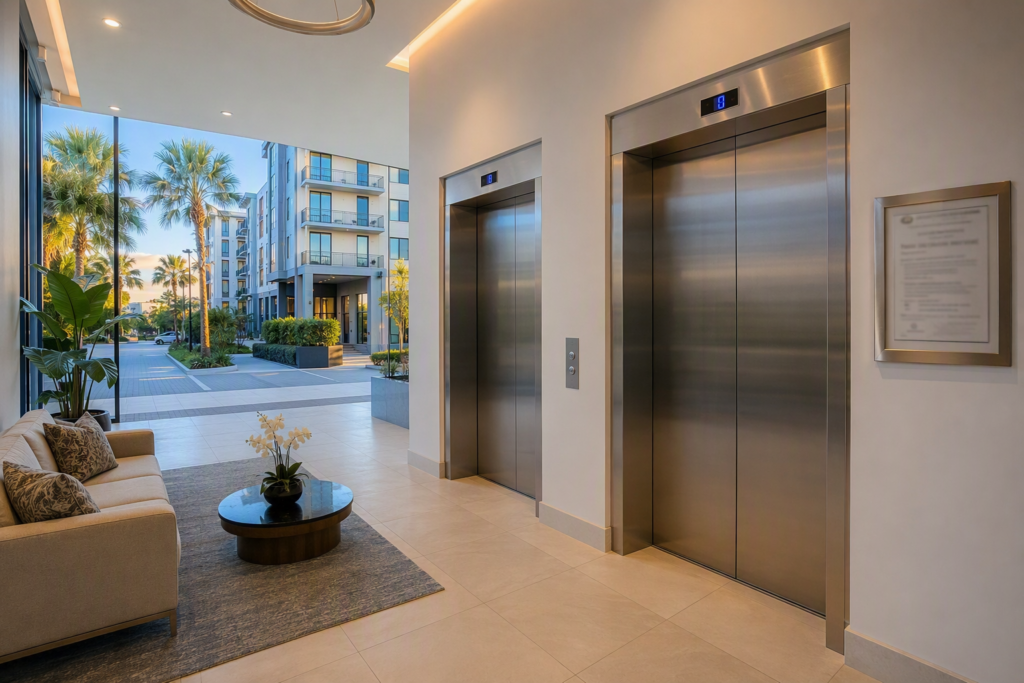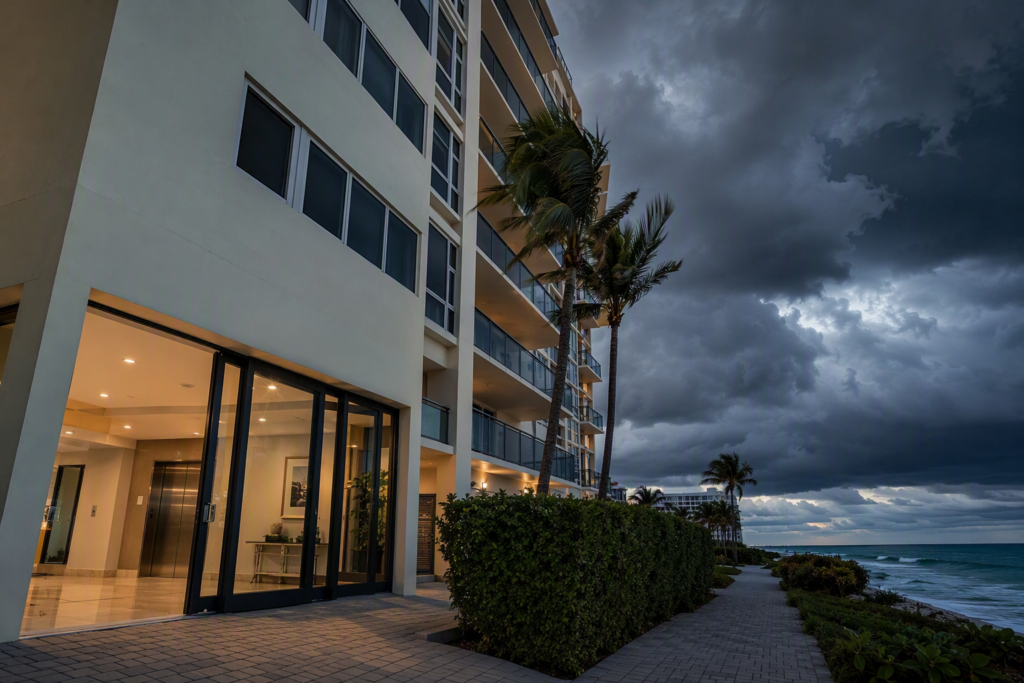
Multifamily Elevator Modernization for Healthcare-Adjacent Properties in Florida
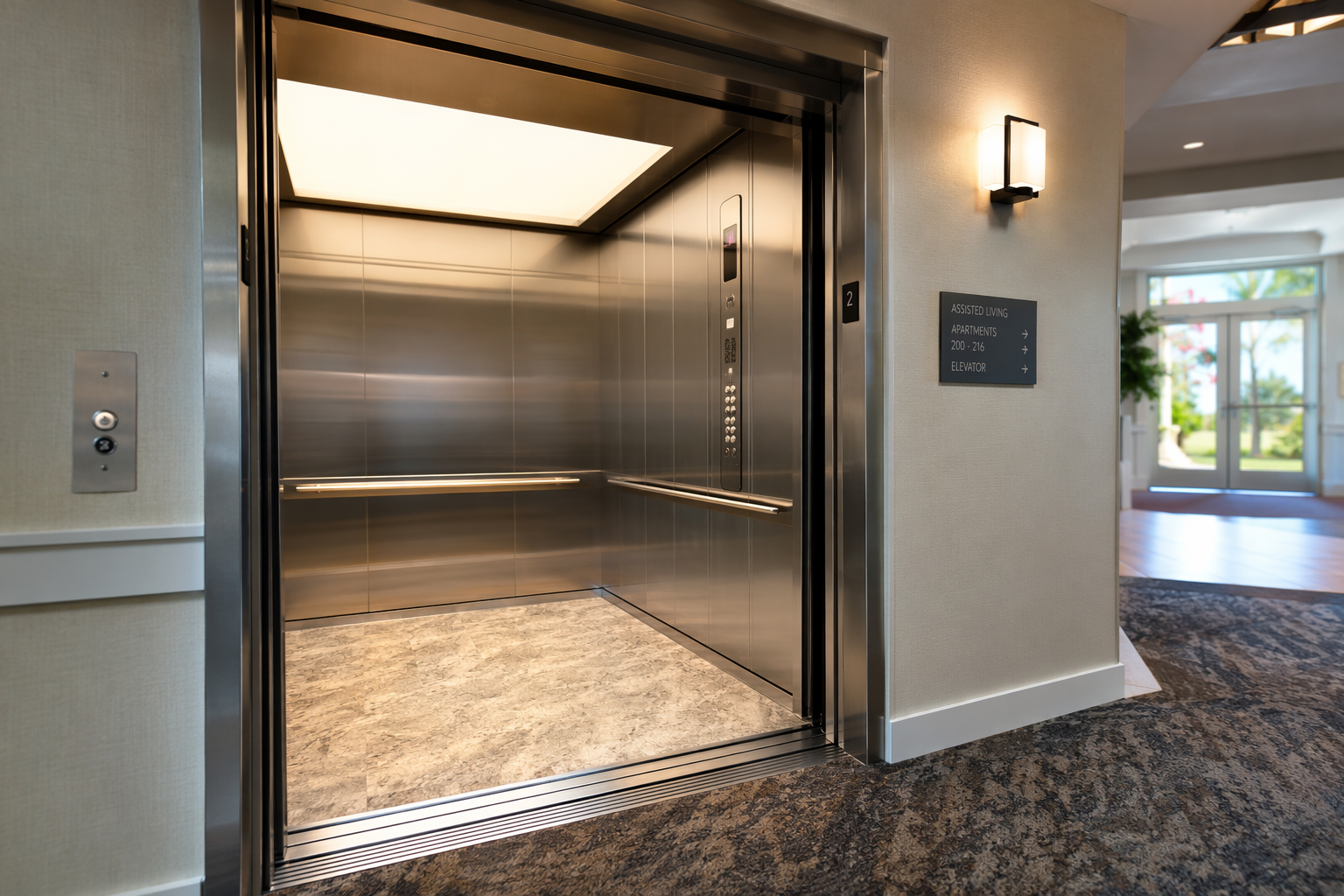
Multifamily properties that house or serve healthcare populations — including assisted living communities, independent living complexes, and residential buildings adjacent to medical facilities in markets like Pompano Beach and Sarasota, FL — face a distinct set of elevator modernization demands. Aging vertical transportation equipment creates compliance gaps, accessibility barriers, and reliability risks that directly affect resident safety and property management obligations. This guide covers every dimension of multifamily elevator modernization relevant to healthcare-serving properties in Florida.
—
What Is Multifamily Elevator Modernization and Why Does It Matter for Healthcare Properties?
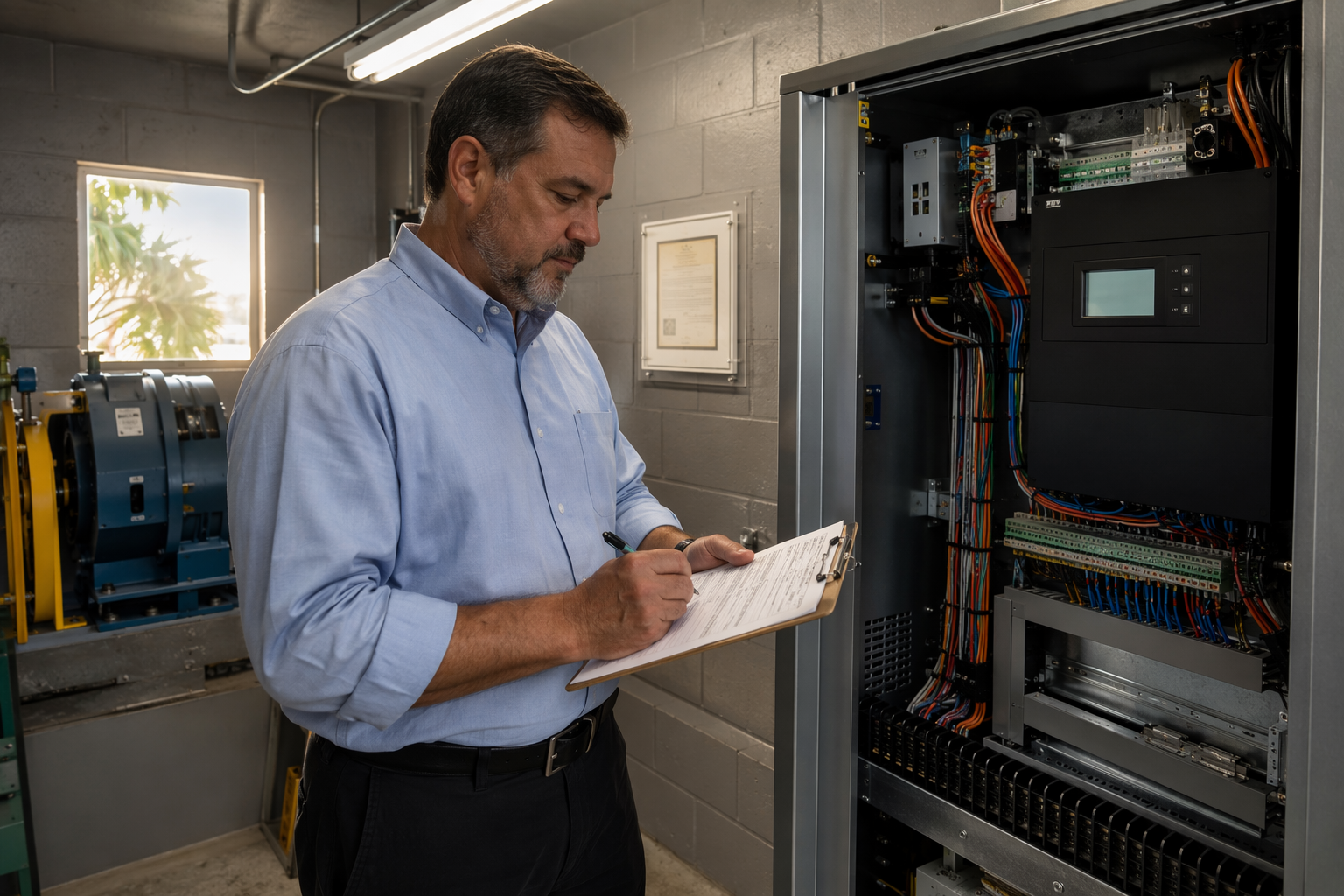
Elevator modernization is the process of replacing or upgrading major elevator components — controllers, drives, motors, door operators, cab interiors, and safety systems — without necessarily replacing the entire hoistway structure. For multifamily buildings that serve older adults, individuals with disabilities, or residents who require regular medical transport, elevator reliability is not a convenience issue; it is a safety-critical requirement.
Outdated relay-logic controllers, worn hydraulic systems, and non-compliant door timing mechanisms are common in multifamily buildings constructed before the widespread adoption of current code editions. These deficiencies can result in failed inspections, citation notices from the Florida Department of Business and Professional Regulation (DBPR), and — most critically — injury risks for mobility-impaired residents.
Axxiom Elevator Florida works with property managers and building owners throughout Pompano Beach and Sarasota to assess existing elevator systems, identify compliance gaps, and develop modernization scopes that align with Florida Elevator Safety Code requirements and federal accessibility mandates.
—
Which Compliance Codes Apply to Multifamily Elevator Modernization in Florida?
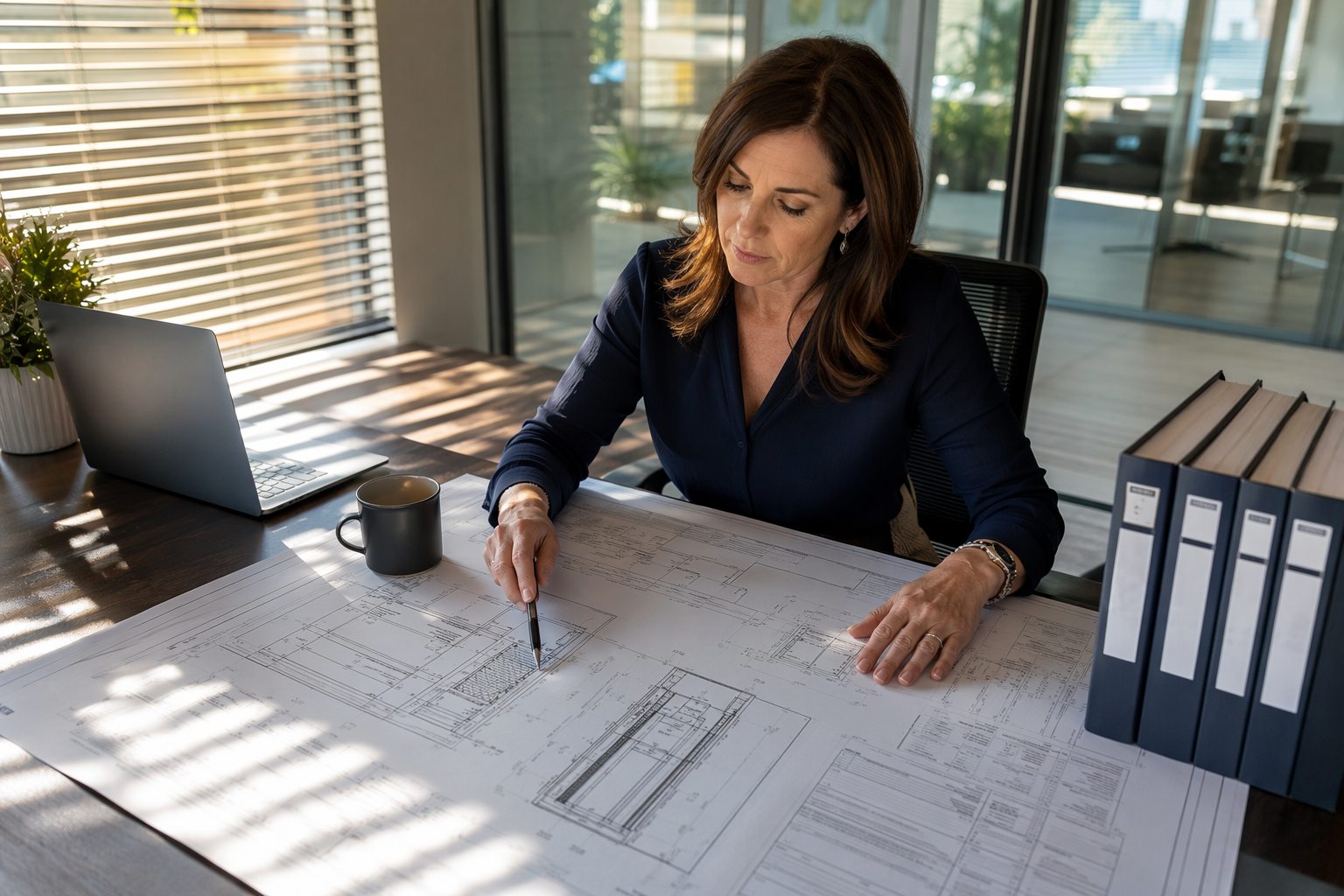
Florida adopts a combination of state-level elevator safety regulations and nationally recognized standards. Key compliance frameworks include:
- ASME A17.1 Safety Code for Elevators and Escalators: This is the foundational technical standard governing elevator design, construction, operation, inspection, and testing. Florida’s elevator safety program references ASME A17.1 requirements for modernization work. The 2019 edition and subsequent guidance inform current enforcement practices.
- ADA (Americans with Disabilities Act): Title III and related accessibility guidelines require that elevator cab dimensions, control panel heights, braille signage, audible floor announcements, and door timing accommodate individuals with disabilities. Healthcare-adjacent multifamily properties with common-use elevators must meet or exceed these standards.
- Florida Elevator Safety Code (Chapter 399, Florida Statutes): The DBPR’s Bureau of Elevator Safety enforces state-level requirements for permits, inspections, and certificates of operation. Any modernization project in Florida requires a permit and a post-completion inspection before the elevator returns to service.
- ASME A17.3 Safety Code for Existing Elevators and Escalators: This standard specifically addresses retroactive safety requirements for elevators already in service — directly applicable to modernization scopes in aging multifamily buildings.
- OSHA Construction and General Industry Standards: Worker safety during modernization work, including lockout/tagout procedures and hoistway access protocols, must comply with applicable OSHA requirements.
—
What Components Are Typically Replaced During a Multifamily Elevator Modernization?
The scope of modernization depends on the age, condition, and type of elevator system. A comprehensive modernization for a healthcare-serving multifamily building commonly includes:
- Controller and drive system: Replacing relay-logic or outdated solid-state controllers with modern microprocessor-based controls improves dispatching, fault diagnostics, and energy efficiency.
- Door operator and safety edges: Upgrading to variable-frequency door operators and full-length door safety edges reduces door-related entrapment incidents — a priority concern for residents using walkers, wheelchairs, or medical transport equipment.
- Motor and machine: Traction elevator motors and gearboxes are replaced to reduce noise, vibration, and service interruptions. In some cases, a machine-room-less (MRL) conversion may be evaluated.
- Hydraulic power unit (hydraulic systems): Hydraulic elevators may require power unit replacement, valve upgrades, and environmentally compliant fluid systems to meet current leak containment requirements.
- Cab interior and fixtures: ADA-compliant control panels, Braille signage, handrails, non-slip flooring, and emergency lighting are updated to meet accessibility and life-safety requirements.
- Emergency communication system: Two-way communication devices must comply with current ASME A17.1 and ADA requirements, ensuring residents can reach emergency services from the cab at any time.
- Positioning and leveling systems: Accurate floor leveling is essential for wheelchair and medical stretcher access, reducing trip hazards at cab thresholds.
—
How Long Does a Multifamily Elevator Modernization Project Take?
Project duration varies based on building size, the number of elevators, the scope of component replacement, and permit processing timelines through the Florida DBPR. A single-elevator modernization in a mid-rise multifamily building typically spans several weeks from permit approval through final inspection. Buildings with multiple elevator units may stagger modernization to keep at least one unit in service during the process — a critical consideration for healthcare-adjacent properties where residents depend on vertical access daily.
Property managers in Pompano Beach and Sarasota should factor in permit review time when scheduling modernization, particularly for buildings with active senior or medically dependent resident populations. Axxiom Elevator Florida assists building owners in preparing complete permit packages to reduce processing delays.
—
What Is the Step-by-Step Process for Planning a Multifamily Elevator Modernization?
- Schedule a comprehensive elevator assessment. A qualified elevator contractor evaluates existing equipment condition, identifies code deficiencies, and documents the current state of all major components.
- Review compliance requirements. The assessment results are cross-referenced against current ASME A17.1, ASME A17.3, Florida Elevator Safety Code, and ADA requirements to identify required versus elective upgrades.
- Develop a detailed modernization scope. A written scope of work is prepared specifying every component to be replaced or upgraded, the standards each component must meet, and the intended outcome of the modernization.
- Submit permit application to DBPR. A Florida-licensed elevator contractor submits the modernization permit application, drawings, and supporting documentation to the Bureau of Elevator Safety.
- Schedule and coordinate the shutdown window. Property management coordinates with residents and building staff to plan elevator downtime, including temporary accommodation plans for residents with mobility limitations.
- Complete modernization work. Licensed elevator mechanics perform all replacement and upgrade work in accordance with the approved permit scope and applicable codes.
- Conduct internal quality inspection. The elevator contractor performs a pre-inspection walkthrough to verify all work meets code requirements before the state inspection.
- Pass Florida DBPR final inspection. A state-licensed elevator inspector conducts the post-modernization inspection. Upon passing, the Certificate of Operation is issued and the elevator is returned to service.
—
What Are the ADA-Specific Requirements for Elevators in Multifamily Healthcare Settings?
The ADA establishes detailed requirements for elevator accessibility that are particularly important in buildings serving older adults and individuals with disabilities. Key requirements applicable to multifamily elevator modernization include:
- Cab interior dimensions sufficient to accommodate a wheelchair and allow turning maneuverability
- Control button placement within reach ranges for seated users
- Raised and Braille characters on all floor designations and control buttons
- Audible floor announcements and visual floor indicators
- Door reopening devices activated by a barrier that does not require contact
- Door timing that allows sufficient passage time for individuals using mobility aids
- Illuminated cab interior meeting minimum light level requirements
During modernization, bringing cab interiors and fixtures into full ADA compliance is both a legal obligation and a direct quality-of-life improvement for healthcare-adjacent multifamily residents.
—
How Does Elevator Modernization Affect Property Liability and Insurance in Florida?
An elevator operating with known deficiencies or lapsed certificates of operation creates material liability exposure for property owners and management companies. In the event of an injury or entrapment involving an out-of-compliance elevator, documented deferred maintenance can significantly affect litigation outcomes and insurance coverage determinations.
Modernization that brings equipment into full compliance with current ASME A17.1 and ADA standards, properly permitted and inspected under Florida law, creates a defensible paper trail demonstrating reasonable care. Property managers in Pompano Beach and Sarasota who work with established elevator contractors like Axxiom Elevator Florida benefit from comprehensive documentation of all modernization work.
—
What Should Property Managers Communicate to Residents During a Modernization Project?
Clear, proactive resident communication is especially important in multifamily buildings serving healthcare populations. Best practices include:
- Providing written notice of the planned shutdown window at least two weeks in advance
- Identifying residents with mobility limitations and coordinating temporary accommodation plans (e.g., temporary ground-floor unit assignment, stair-assist arrangements)
- Posting clear signage on all elevator landings with project timeline and emergency contact information
- Providing regular project status updates, particularly if timelines shift due to permit or equipment lead times
- Notifying local emergency services (fire, EMS) of the elevator downtime period for buildings where medical response access could be affected
—
How Do You Compare Elevator Modernization Contractors in Florida?
When evaluating elevator modernization contractors for a healthcare-adjacent multifamily property, property managers should assess the following factors:
- Florida licensure: Confirm the contractor holds a current Florida elevator contractor license issued through DBPR. Unlicensed work invalidates permits and creates significant liability.
- Scope documentation: A reputable contractor provides a detailed written scope referencing specific code sections, not a vague proposal.
- Permit management experience: Florida’s DBPR permit process has specific requirements. Contractors with established relationships and process knowledge reduce administrative delays.
- References from comparable properties: Healthcare-adjacent and senior-housing multifamily properties present unique operational constraints. References from similar project types are meaningful.
- Manufacturer relationships: Access to OEM or equivalent replacement parts affects both modernization quality and future maintenance options.
Axxiom Elevator Florida serves property owners and managers across the Pompano Beach and Sarasota markets with modernization scoping, permit management, and code-compliant installation by licensed elevator mechanics.
—
Questions Your Inspector Will Ask
When a Florida DBPR elevator inspector arrives for the post-modernization inspection, the following documentation and conditions will typically be reviewed. Property managers and elevator contractors should be prepared to address each item:
- Is the current elevator permit posted and accessible? The DBPR-issued modernization permit must be on-site and available for review.
- Are all replaced components documented with manufacturer specifications? Inspectors verify that installed equipment matches what was specified in the permit application.
- Has a Category 1 or Category 5 test been performed and documented? Under ASME A17.1, specific tests are required following modernization, depending on the components replaced.
- Do door safety devices meet current ASME A17.1 requirements? Door reversal, reopening devices, and timing are closely scrutinized.
- Is the emergency communication system operational and two-way capable? The inspector will test the in-cab emergency phone or two-way communication device.
- Are all ADA-required cab features present and functional? Braille signage, audible floor indicators, control panel height, and door timing are verified.
- Is the hoistway and machine room in compliance with ventilation, lighting, and access requirements? These conditions are evaluated as part of the overall modernization inspection.
- Has the oil buffer or other safety component been tested and certified as required? Safety-critical components require documented testing results.
- Is a current Certificate of Operation posted in the elevator cab? The new certificate will be issued upon passing inspection, but the prior certificate status is reviewed.
—
What Are the Consequences of Deferring Elevator Modernization in a Healthcare Multifamily Property?
Deferring necessary modernization exposes property owners to escalating risks across multiple dimensions. Aging control systems become increasingly difficult to service as replacement parts are discontinued. Door-related malfunctions — one of the most common causes of elevator-related injuries — increase in frequency as components wear beyond their service life. Regulatory consequences include operating permit suspension, civil penalties under Florida Statutes Chapter 399, and potential forced shutdown orders that can be significantly more disruptive than a planned modernization.
For healthcare-adjacent multifamily properties specifically, a forced elevator shutdown without a modernization plan can trigger emergency accommodation requirements for mobility-dependent residents, creating both operational and liability challenges that far exceed the cost and disruption of proactive modernization.
—
Does Elevator Modernization Qualify for Any Financial Incentives or Financing in Florida?
Modernization projects that incorporate energy-efficient drive systems or components meeting specific efficiency thresholds may qualify for utility rebate programs offered by Florida electric utilities. Property owners should consult directly with their utility provider and a qualified tax advisor regarding potential incentives. Federal tax treatment of capital improvement expenditures, including elevator modernization, should be reviewed with a CPA familiar with commercial real estate depreciation rules. Axxiom Elevator Florida does not provide financial or tax advice but can provide complete project documentation to support owner financing and incentive applications.
—
Why Choose a Local Florida Elevator Contractor for Multifamily Modernization?
Elevator modernization in Florida involves navigating state-specific permitting through the DBPR Bureau of Elevator Safety, local building department coordination in jurisdictions like Pompano Beach and Sarasota, and an understanding of Florida’s climate-related equipment considerations — including humidity effects on electrical components and hydraulic systems. A contractor operating exclusively in the Florida market brings familiarity with local inspector expectations, regional permit office processes, and the practical realities of working in occupied multifamily buildings year-round.
Axxiom Elevator Florida is a Florida-certified elevator service company serving multifamily property owners and managers in Pompano Beach, Sarasota, and surrounding markets. The Axxiom Elevator Florida team provides elevator assessments, code-compliant modernization scopes, permit management, and post-modernization inspection support for healthcare-adjacent and general multifamily properties throughout Florida.
—
Get a Free Elevator Assessment for Your Multifamily Property
Outdated elevator equipment in a healthcare-adjacent multifamily building is a compliance risk, a liability exposure, and a daily challenge for residents who depend on reliable vertical access. A professional assessment identifies where your system stands against current ASME A17.1, ADA, and Florida code requirements — and what a realistic modernization scope looks like for your property.
Contact Axxiom Elevator Florida for a free elevator assessment:
Serving multifamily property owners and managers in Pompano Beach, FL, Sarasota, FL, and throughout Florida.
Need elevator service you can rely on? Axxiom Elevator Florida is ready to help.