Elevator Service in Pompano, FL | Axxiom Elevator Florida
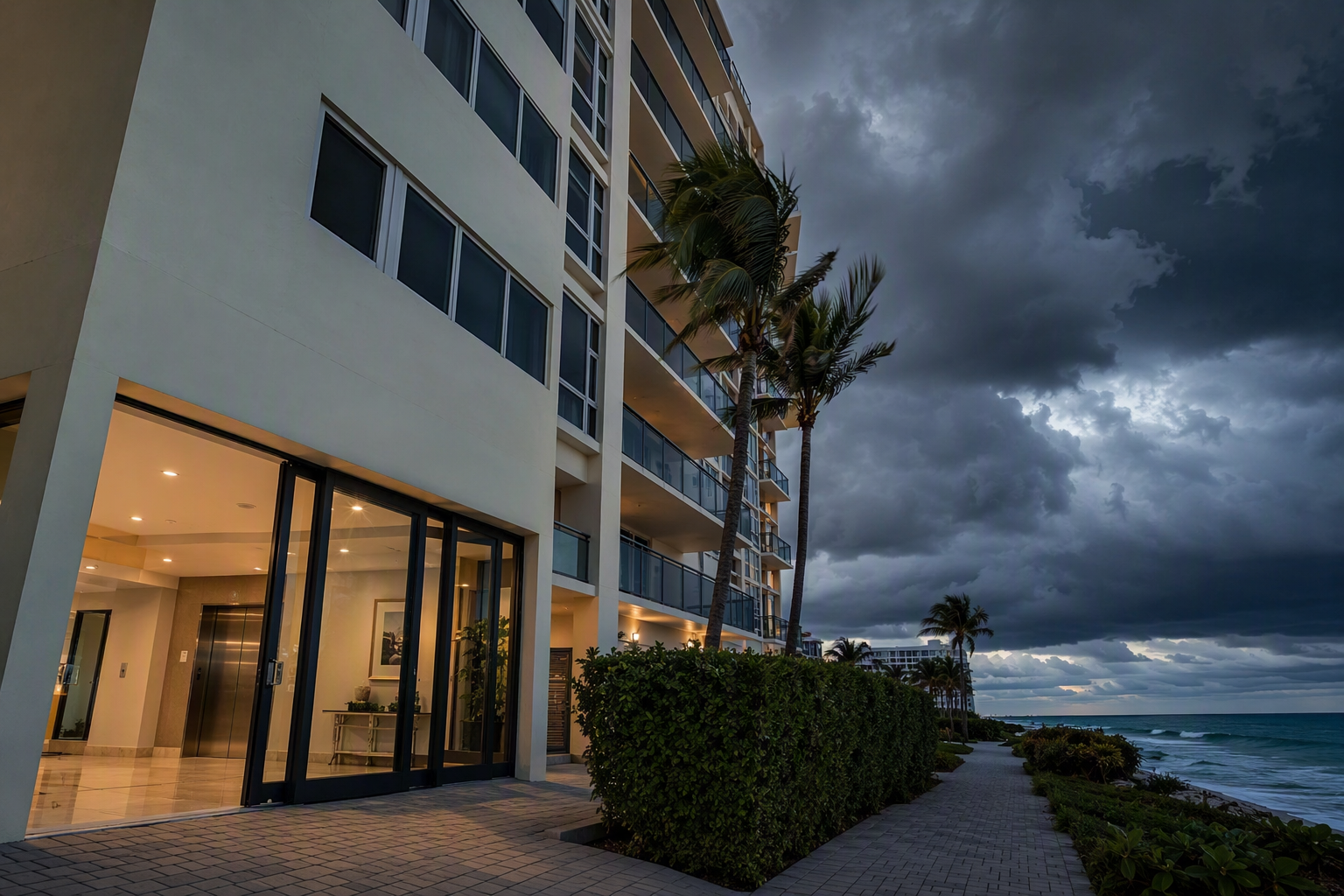
Florida’s Atlantic and Gulf coastlines place every building — from Pompano Beach oceanfront condominiums to inland commercial towers — squarely in the path of seasonal storm risk. Elevators are among the most vulnerable building systems during a hurricane or tropical storm, yet they are frequently overlooked in emergency planning. Understanding how storm conditions affect elevator components, and following Florida-applicable code requirements for post-storm return to service, protects residents, tenants, and building owners from serious liability.
—
How Does Hurricane Season Affect Elevator Systems in Florida?
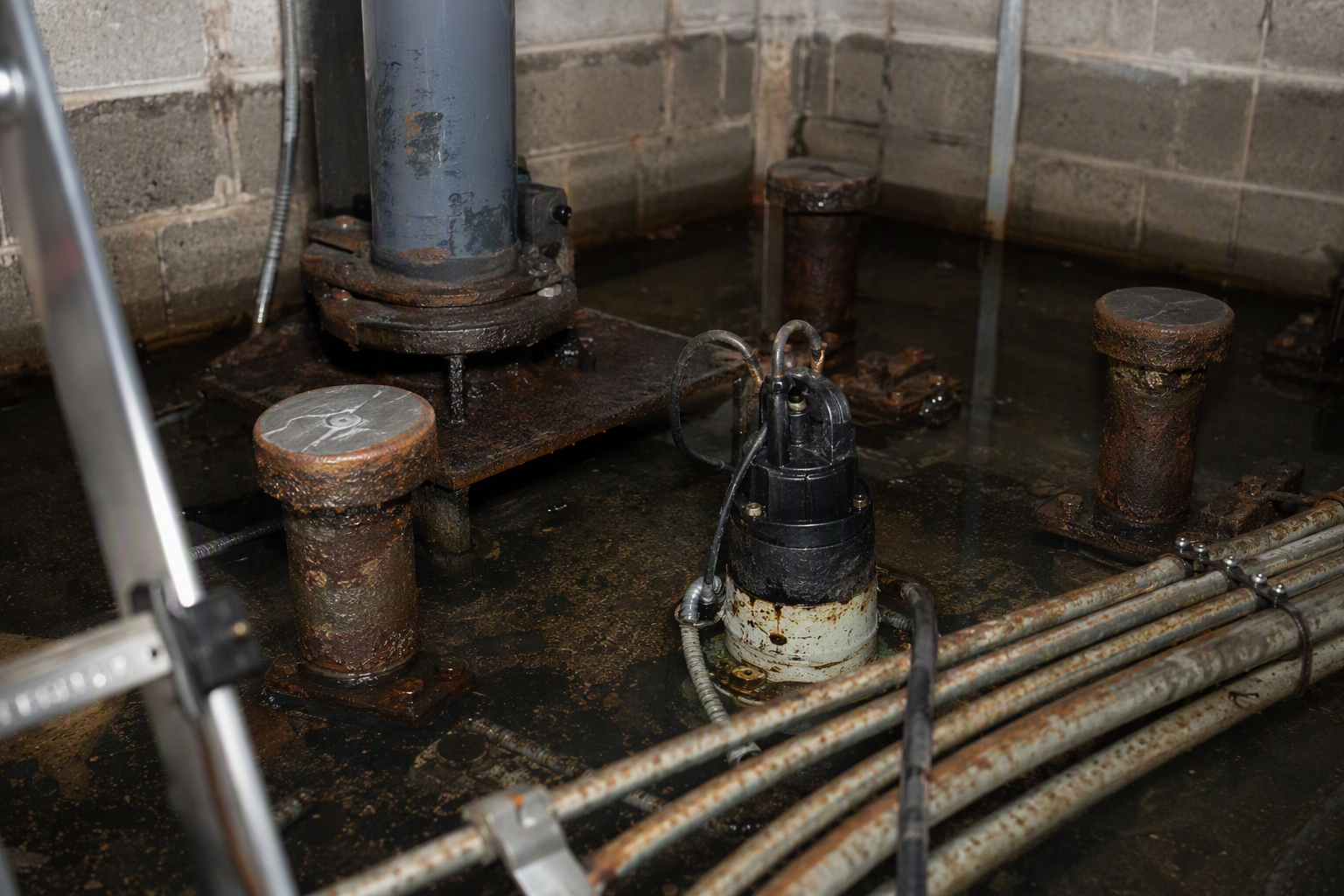
Florida’s hurricane season, running from June through November, introduces a combination of hazards that can damage or disable elevator systems simultaneously:
- Flood and water intrusion: Storm surge, heavy rainfall, and roof damage can allow water into elevator pits, machine rooms, and hoistways. Water contact with electrical components, control panels, and hydraulic fluid reservoirs can cause immediate equipment failure and long-term corrosion.
- Power surges and outages: Lightning strikes and utility grid disruptions produce voltage spikes capable of damaging solid-state elevator controllers, variable-frequency drives, and door operator circuits. Extended outages can leave passengers stranded mid-ride if proper shutdown procedures are not followed before the storm arrives.
- Wind-driven debris: High-speed winds can compromise machine room ventilation louvers, damage exterior hoistway enclosures on open-air or partially enclosed structures, and introduce debris that interferes with guide rails and counterweights.
- Humidity and salt air acceleration: Post-storm humidity levels in South Florida can spike dramatically. For coastal properties in Pompano Beach, elevated salt-air exposure accelerates corrosion on steel components, cables, and electrical terminals — damage that may not be immediately visible but shortens equipment service life.
—
What Florida Elevator Codes Apply Before and After a Storm?
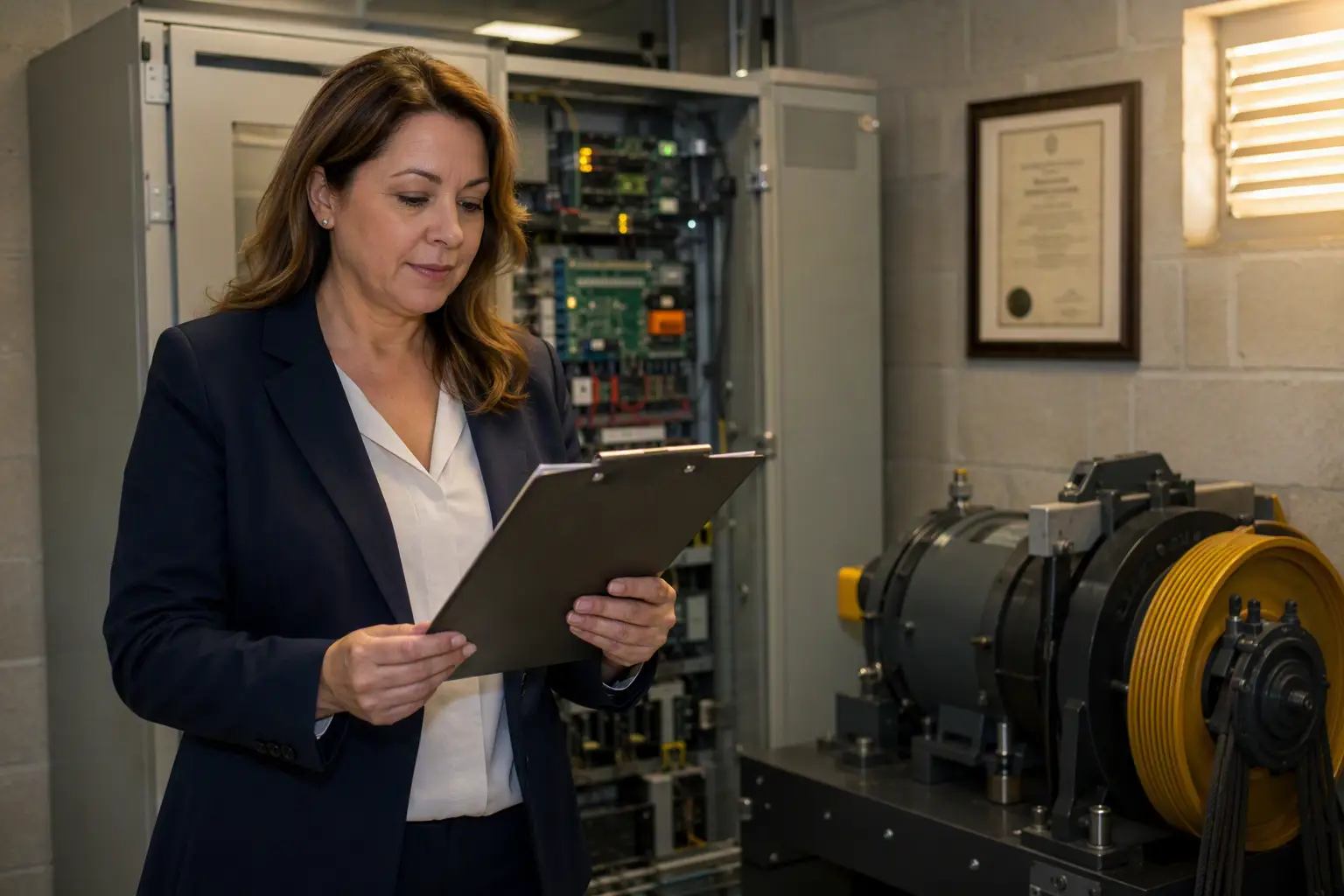
Florida elevator safety is governed at both the federal and state level. Elevators in Florida must comply with the ASME A17.1 Safety Code for Elevators and Escalators and its companion standard, ASME A17.3, which addresses existing installations. The Florida Department of Business and Professional Regulation (DBPR) serves as the state’s authority having jurisdiction (AHJ) and enforces compliance through the Florida Building Code, which adopts ASME A17.1 as its elevator safety reference.
Critically, Florida statutes require that any elevator that has sustained flood intrusion, fire, or storm damage must be inspected and approved by a licensed elevator inspector before being returned to service. Placing an elevator back in operation without that clearance exposes a property owner to regulatory penalties and significant liability. Building managers should be aware that in 2026, the ASME A17.1/CSA B44 code continues to be the nationally recognized standard Florida references for both new and existing installations.
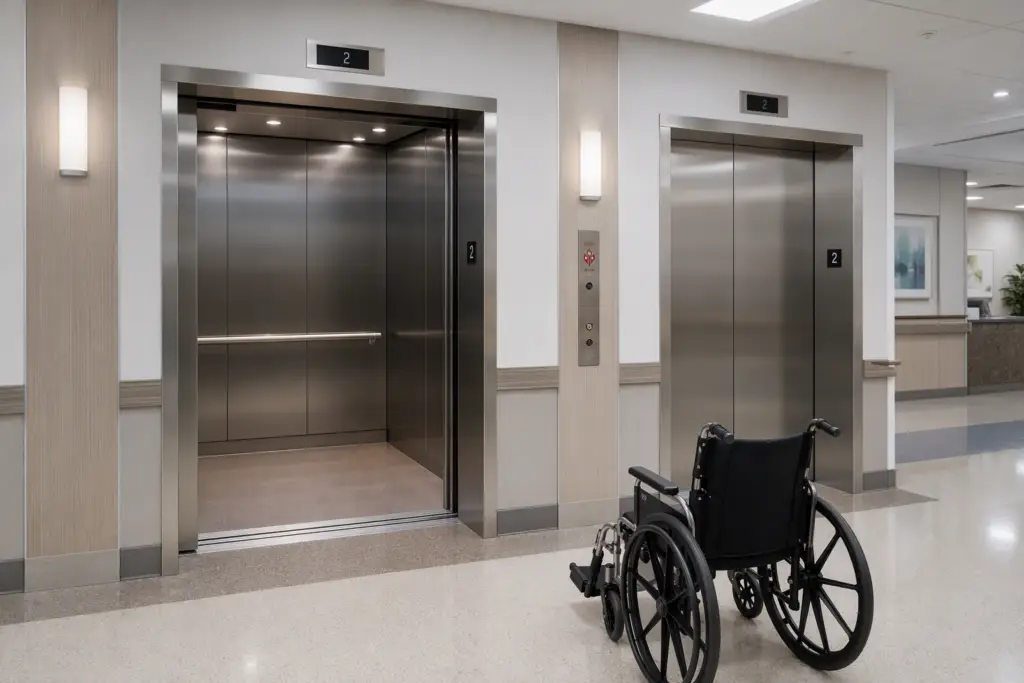
Additionally, ADA requirements mean that when an elevator is taken out of service — whether for storm damage or precautionary shutdown — building managers must provide appropriate accessible alternatives and notices to comply with accessibility obligations.
—
What Should Building Managers Do Before a Storm Arrives?
- Contact your elevator service provider early. Coordinate with a certified elevator contractor, such as Axxiom Elevator Florida, before a storm watch escalates to a warning. Pre-storm scheduling windows fill quickly across Broward County and surrounding markets.
- Park and secure all elevator cars. Drive each car to an upper floor — above anticipated flood levels — and park it with doors closed. This removes the car from the pit area where water typically accumulates first.
- Shut down power to the elevator system at the main disconnect. This protects control panels, motors, and variable-frequency drives from surge damage. Coordinate this step with your elevator technician so it is performed correctly without trapping a car between floors.
- Seal machine room openings where possible. Temporarily seal ventilation louvers and any gaps in machine room doors to reduce wind-driven rain intrusion. Do not permanently block ventilation, as heat buildup can cause its own damage.
- Document the pre-storm condition. Photograph the pit, machine room, and controller panels. This documentation supports insurance claims and regulatory inspections after the storm.
- Post clear out-of-service notices. Place visible signage at all elevator landings indicating the elevator is shut down for storm safety and include emergency stairwell directions.
- Review your emergency communication plan. Confirm that the elevator’s in-car emergency telephone, required under ASME A17.1, is functional before shutdown and that your monitoring service is aware of the impending storm.
—
What Should Building Managers Do After a Storm Before Restoring Elevator Service?
- Do not restore power until the system has been inspected. Even if the elevator appears undamaged, restoring power before inspection risks electrical shock, equipment damage, or entrapment.
- Check for visible water in the pit and machine room. Any standing water must be fully removed and the area dried before a technician works in those spaces. Follow applicable OSHA confined space and electrical safety protocols during cleanup.
- Schedule a post-storm inspection with a licensed elevator contractor. In Florida, a licensed inspector must clear the elevator before it returns to passenger service following storm damage.
- Document all damage before any repairs begin. Maintain photo and written records for insurance, regulatory, and warranty purposes.
- Test all safety devices upon restoration. A qualified technician should verify proper operation of the governor, safeties, pit stop switch, door interlocks, and emergency lighting before the elevator is placed back in service.
- File any required reports with DBPR. If the elevator sustained damage requiring repair, Florida’s regulatory process may require documentation submitted to the state authority having jurisdiction.
—
Which Types of Elevator Systems Are Most Vulnerable to Storm Damage in Florida?
Hydraulic elevators — common in low-rise Florida residential and commercial buildings — are particularly susceptible because their pump units and fluid reservoirs are typically located in pits or ground-level machine rooms, placing them directly in the flood zone. Traction elevators with machine rooms at the top of the hoistway have less pit-flood exposure but remain vulnerable to electrical surge damage and hoistway water intrusion from roof damage. Machine-room-less (MRL) traction systems distribute components throughout the hoistway, meaning water intrusion at any level can affect critical equipment.
—
How Long Does Post-Storm Elevator Restoration Typically Take?
Restoration timelines vary based on the extent of damage, parts availability, and inspector scheduling — all of which are affected regionally when a major storm impacts Broward County and the surrounding South Florida market simultaneously. Minor issues such as a tripped breaker or surface moisture may be resolved in a single service visit. Significant damage to controllers, hydraulic power units, or cab electrical systems can require parts procurement and multiple inspections. Building managers should plan conservatively and communicate proactively with tenants.
—
Does Elevator Storm Damage Affect Insurance or Compliance Standing?
Yes. Returning an elevator to service without a post-storm inspection and required regulatory clearance can void insurance coverage for subsequent incidents and create compliance violations under Florida’s elevator safety statutes. Maintaining thorough documentation — pre-storm condition records, inspection reports, and repair invoices — supports insurance claims and demonstrates due diligence to the DBPR and to tenants or residents.
—
Why Do Pompano Beach and Broward County Buildings Need a Local Elevator Service Partner?
Axxiom Elevator Florida serves building managers, property management companies, condominium associations, commercial property owners, and municipalities throughout South Florida, including Pompano Beach, Fort Lauderdale, Deerfield Beach, Boca Raton, and surrounding Broward and Palm Beach County communities. Local service matters during storm season because regional demand for elevator contractors surges immediately after a major weather event. A certified elevator service provider already familiar with the specific equipment installed in a building, its inspection history, and local DBPR requirements can coordinate restoration more efficiently than an out-of-area contractor mobilized after the fact.
Axxiom Elevator Florida provides maintenance, repair, modernization, and inspection coordination services for a wide range of elevator types across the South Florida market, working within the framework of Florida-adopted ASME standards and DBPR requirements.
—
Schedule a Free Consultation
Hurricane preparedness planning for your elevator system should happen before storm watches are issued — not after. Axxiom Elevator Florida works with building managers throughout Pompano Beach and Broward County to develop pre-storm shutdown protocols, post-storm inspection plans, and ongoing maintenance programs that keep elevator systems compliant and ready for Florida’s challenging weather environment.
Contact Axxiom Elevator Florida today to schedule your free consultation:
Need elevator service you can rely on? Axxiom Elevator Florida is ready to help.