Elevator Service in Pompano, FL | Axxiom Elevator Florida
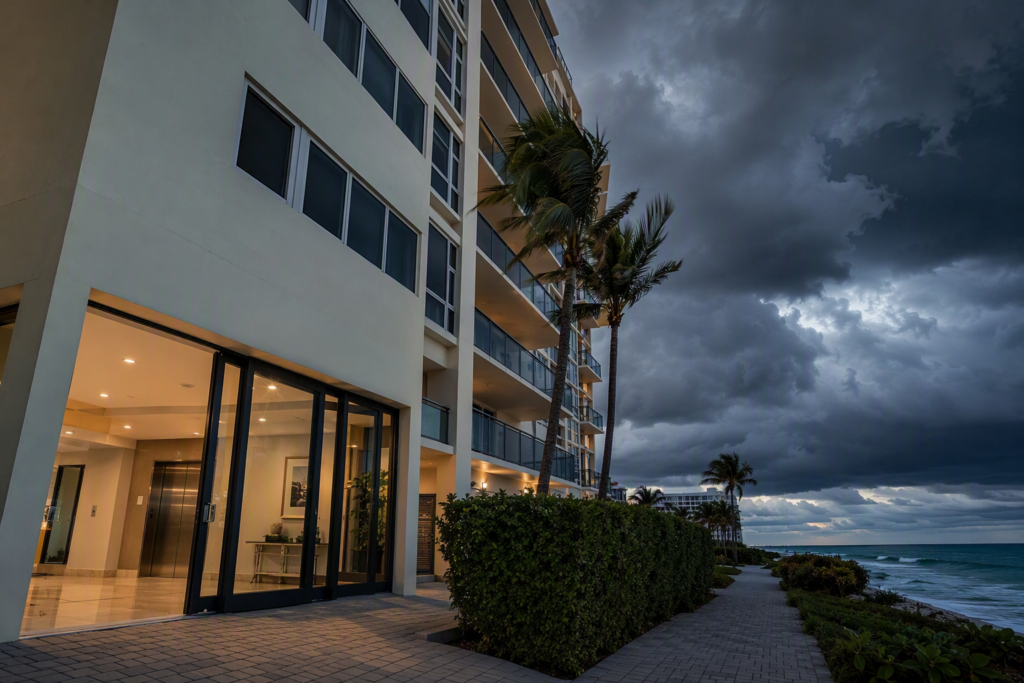
Hotels and hospitality buildings in Pompano Beach and across South Florida depend on elevators operating safely and legally every hour of every day. For property managers and hotel operators, understanding Florida’s elevator requirements is not optional — it is a core part of managing liability, protecting guests, and maintaining operating licenses. Axxiom Elevator Florida provides certified elevator service throughout Broward County and the surrounding region, helping hospitality clients navigate compliance obligations with clarity and confidence.
—
What Are Florida’s Mandatory Elevator Inspection Requirements for Hotels?
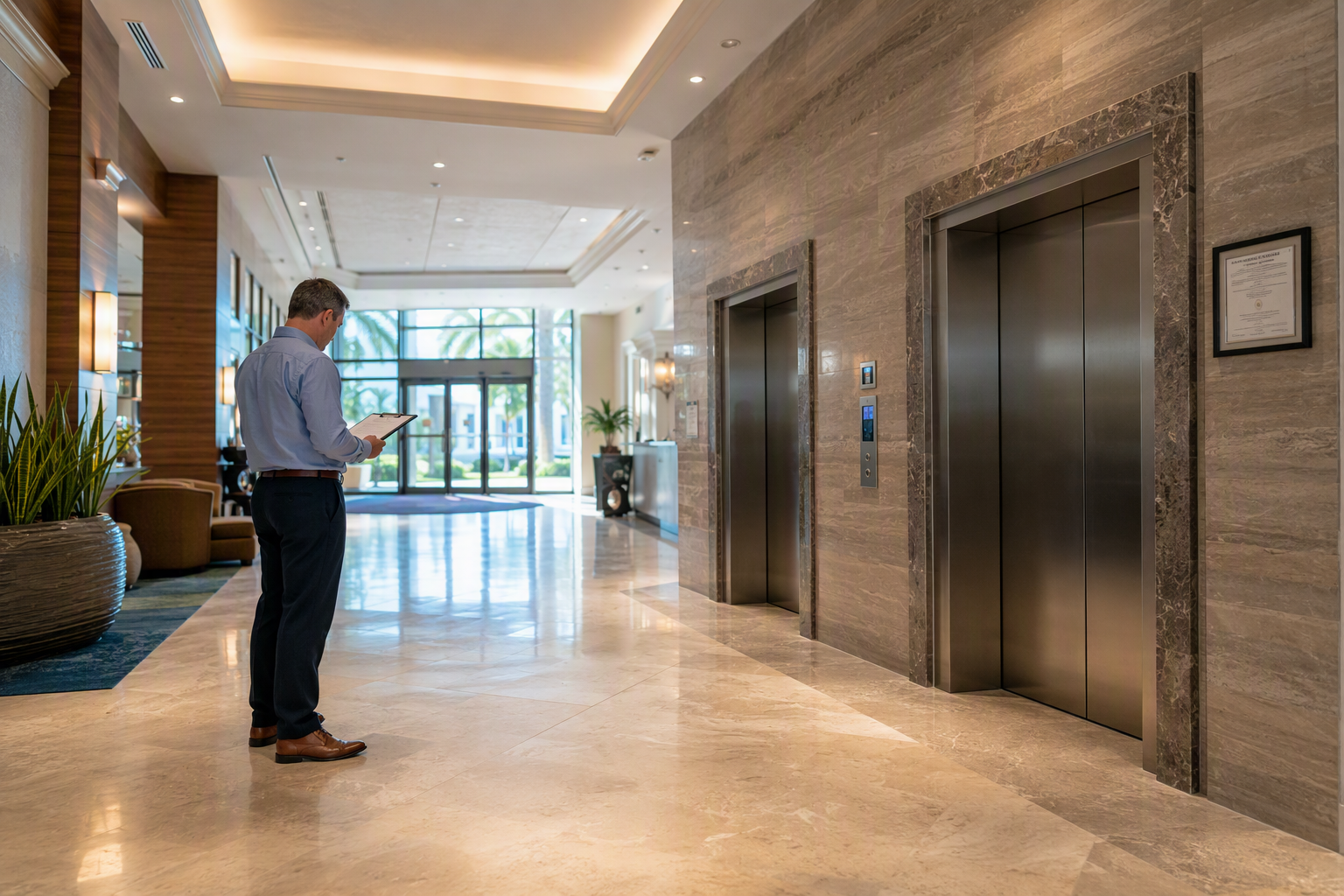
In Florida, elevators in hotels and public-access buildings are regulated under Chapter 399 of the Florida Statutes, which requires that all conveyances — including passenger elevators, service elevators, and escalators — be inspected and permitted by the Florida Department of Business and Professional Regulation (DBPR). Key compliance obligations include:
- A valid operating certificate issued by the DBPR must be displayed at or near the elevator at all times.
- Periodic inspections must be performed by a licensed elevator inspector at intervals established by Florida law.
- All elevator equipment must meet the standards established in the ASME A17.1 Safety Code for Elevators and Escalators, which Florida has adopted as the technical foundation of its regulatory framework.
- Any alteration, repair, or installation work must be performed by a licensed elevator contractor and submitted to the DBPR for review.
Hotels that allow elevators to operate without a current permit or valid inspection certificate are in violation of state law and may face immediate shutdown orders, fines, or denial of their business license renewal.
—
What ADA Requirements Apply to Hotel Elevators in Florida?

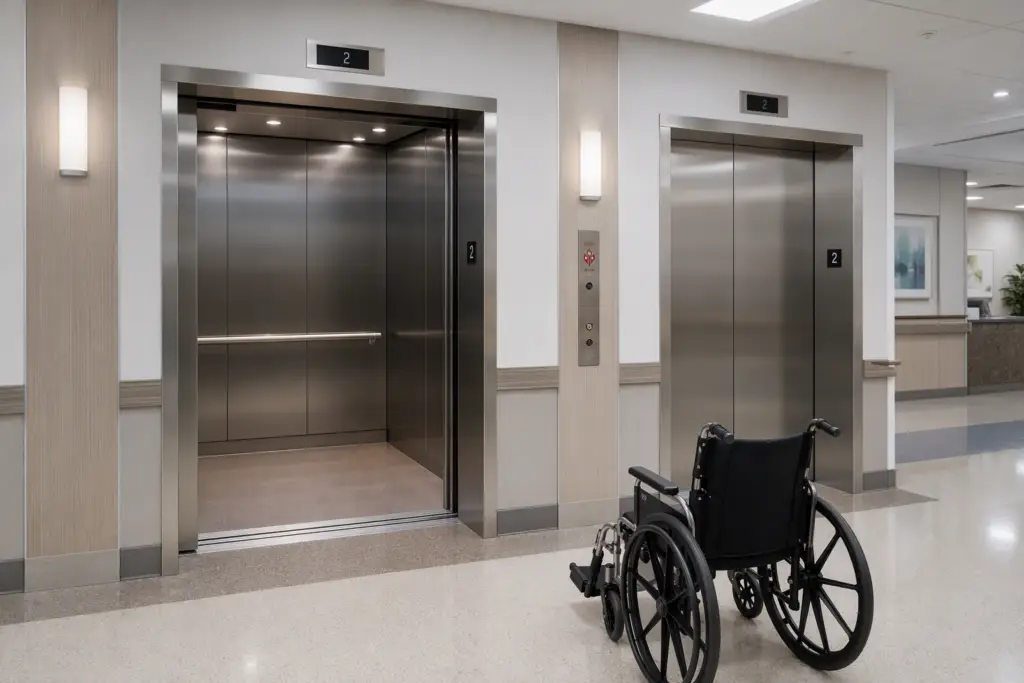
Under the Americans with Disabilities Act (ADA), hotels with more than one story are generally required to provide accessible elevator service to guests and employees. ADA elevator standards for hospitality buildings include:
- Minimum interior cab dimensions to accommodate wheelchair users.
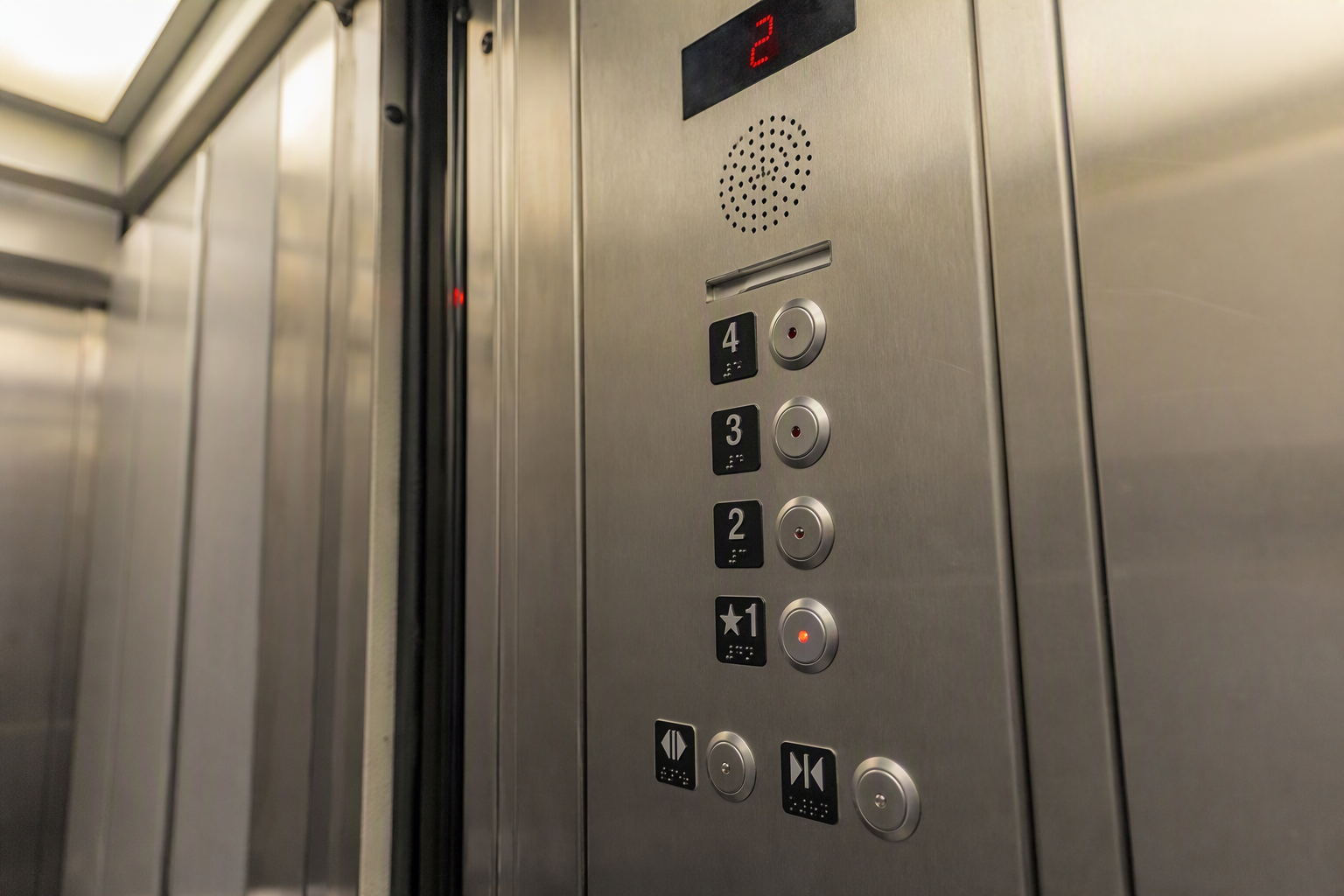
- Tactile and Braille floor indicators, call buttons, and floor identification.
- Audible announcements and visible floor indicators inside the cab.
- Door reopening devices that respond to obstructions without applying pressure.
- Accessible controls positioned within reach range for users in wheelchairs.
Non-compliance with ADA standards exposes hotel operators to federal civil rights complaints, Department of Justice investigations, and private litigation. Florida’s hospitality market, which draws guests from across the country and internationally, makes ADA elevator compliance a high-visibility legal risk.
—
What Liability Risks Do Hotel Operators Face When Elevators Are Not Maintained?
Elevator-related liability in a hotel setting extends well beyond regulatory fines. When an elevator malfunction results in guest injury, property management can face:
- Personal injury claims — falls, entrapments, and door-related injuries are among the most common elevator incident types in commercial buildings.
- Negligence claims — courts have consistently held that property owners have a duty to maintain elevators in a safe operating condition; lapses in maintenance schedules are used as evidence of negligence.
- Premises liability exposure — hotel guests are invitees under Florida premises liability law, meaning operators owe them the highest standard of care.
- Business interruption — an out-of-service elevator in a high-rise hotel can trigger ADA complaints, reduced bookings, and reputational harm.
- Insurance complications — many commercial property insurance policies require documented proof of regular elevator maintenance; gaps in service records can complicate or void claims.
Maintaining a current, documented service history is one of the most effective tools hotel operators have for demonstrating due diligence in the event of a liability claim.
—
What Types of Elevators Are Commonly Found in Florida Hospitality Buildings?
Hotels in South Florida typically operate a combination of elevator types, each with distinct maintenance and compliance considerations:
- Traction elevators — common in mid-rise and high-rise hotels; require regular inspection of cables, counterweights, and machine room equipment.
- Hydraulic elevators — frequently found in lower-rise properties; require monitoring of hydraulic fluid systems, cylinder integrity, and pit conditions, including environmental compliance for underground cylinders.
- Service and freight elevators — used for housekeeping, luggage, and kitchen logistics; subject to the same Florida inspection and permitting requirements as passenger units.
- Accessibility lifts and LULAs — Limited Use/Limited Application elevators in smaller properties must comply with ASME A18.1 standards and ADA requirements.
—
What Should Hotel Operators Do Immediately After an Elevator Incident?
- Ensure guest safety first. Contact emergency services if any guest reports injury or remains trapped in the elevator.
- Take the elevator out of service. Post clear signage and prevent additional use until the unit has been inspected by a licensed technician.
- Contact a licensed elevator service provider. A qualified contractor should conduct a thorough inspection before the elevator is returned to service.
- Document everything. Record the time, circumstances, and any guest statements. Photograph any visible equipment issues.
- Notify your insurance carrier. Report the incident promptly in accordance with your policy terms.
- File required reports with the DBPR. Florida regulations may require reporting of certain conveyance incidents to the state agency.
- Review your maintenance records. Ensure all inspection and service documentation is current and accessible if a claim or investigation follows.
—
How Often Should Hotel Elevators Be Serviced in Florida?
Beyond mandatory state inspections, industry best practice — informed by the ASME A17.1 Safety Code for Elevators and Escalators — calls for routine preventive maintenance on a scheduled basis suited to the volume of use. Hotels are high-traffic environments; elevators in a busy beachside property may complete far more cycles per day than a comparable unit in an office building.
A qualified elevator service provider will recommend a maintenance frequency calibrated to the specific equipment type, age, usage volume, and manufacturer specifications. Regular lubrication, brake adjustment, door mechanism inspection, and electronic system testing are among the tasks that prevent costly emergency repairs and reduce liability exposure.
—
What Should Hotels Look for When Selecting an Elevator Service Company in Pompano Beach?
Selecting an elevator contractor is a compliance decision as much as a service decision. Hotel operators in Pompano Beach, Fort Lauderdale, Deerfield Beach, Boca Raton, and across Broward and Palm Beach counties should evaluate providers based on:
- Active licensure with the Florida DBPR as an elevator contractor.
- Familiarity with Florida Chapter 399 requirements and local Broward County permitting processes.
- Experience servicing the specific elevator types found in hospitality buildings.
- Documented maintenance programs that generate auditable service records.
- Emergency service availability to minimize elevator downtime in a guest-facing environment.
- Transparent communication about code compliance status and any deficiencies identified during service visits.
Axxiom Elevator Florida serves the Pompano Beach area and the broader South Florida hospitality market, providing maintenance, inspection coordination, repair, and modernization services for hotel and resort elevator systems. The Axxiom team works directly with property managers to keep service records organized and compliance timelines on track — reducing the administrative burden that often leads to overlooked inspection deadlines.
—
What Are the Consequences of Operating a Hotel Elevator Without a Valid Florida Permit?
Operating an elevator in Florida without a valid DBPR operating certificate is a violation of Chapter 399 and can result in:
- Mandatory shutdown of the elevator by state inspectors.
- Civil penalties assessed by the DBPR.
- Increased scrutiny during future inspections.
- Potential impact on the hotel’s overall business licensure and certificate of occupancy.
- Heightened liability exposure in the event of a guest injury, as operating without a permit signals a pattern of non-compliance.
Florida inspectors conduct both scheduled and unannounced inspections of conveyances in public buildings. Hotels that fall out of compliance — even temporarily — risk enforcement actions that can disrupt operations during peak tourism seasons.
—
Schedule a Free Consultation
Axxiom Elevator Florida works with hotel operators, property managers, and hospitality groups throughout Pompano Beach, Broward County, and South Florida to ensure elevator systems remain compliant, safe, and fully operational. Whether a property needs a maintenance contract review, an emergency repair, or guidance on modernizing aging equipment to meet current code requirements, Axxiom Elevator Florida is ready to help.
Call Axxiom Elevator Florida today to schedule a free consultation:
Do not wait for a failed inspection or a guest incident to address elevator compliance. Proactive service is the most effective way to protect guests, limit liability, and keep hospitality operations running smoothly in 2026 and beyond.
Need elevator service you can rely on? Axxiom Elevator Florida is ready to help.