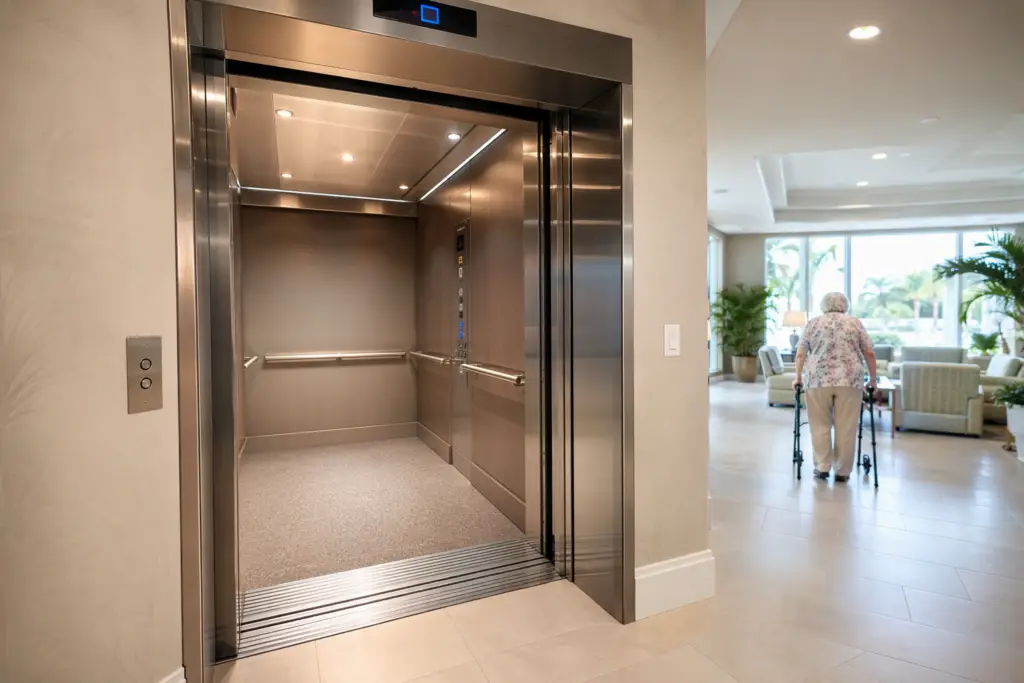
Florida Elevator Inspection Schedule for Commercial Buildings: What the Law Requires and Who Is Responsible
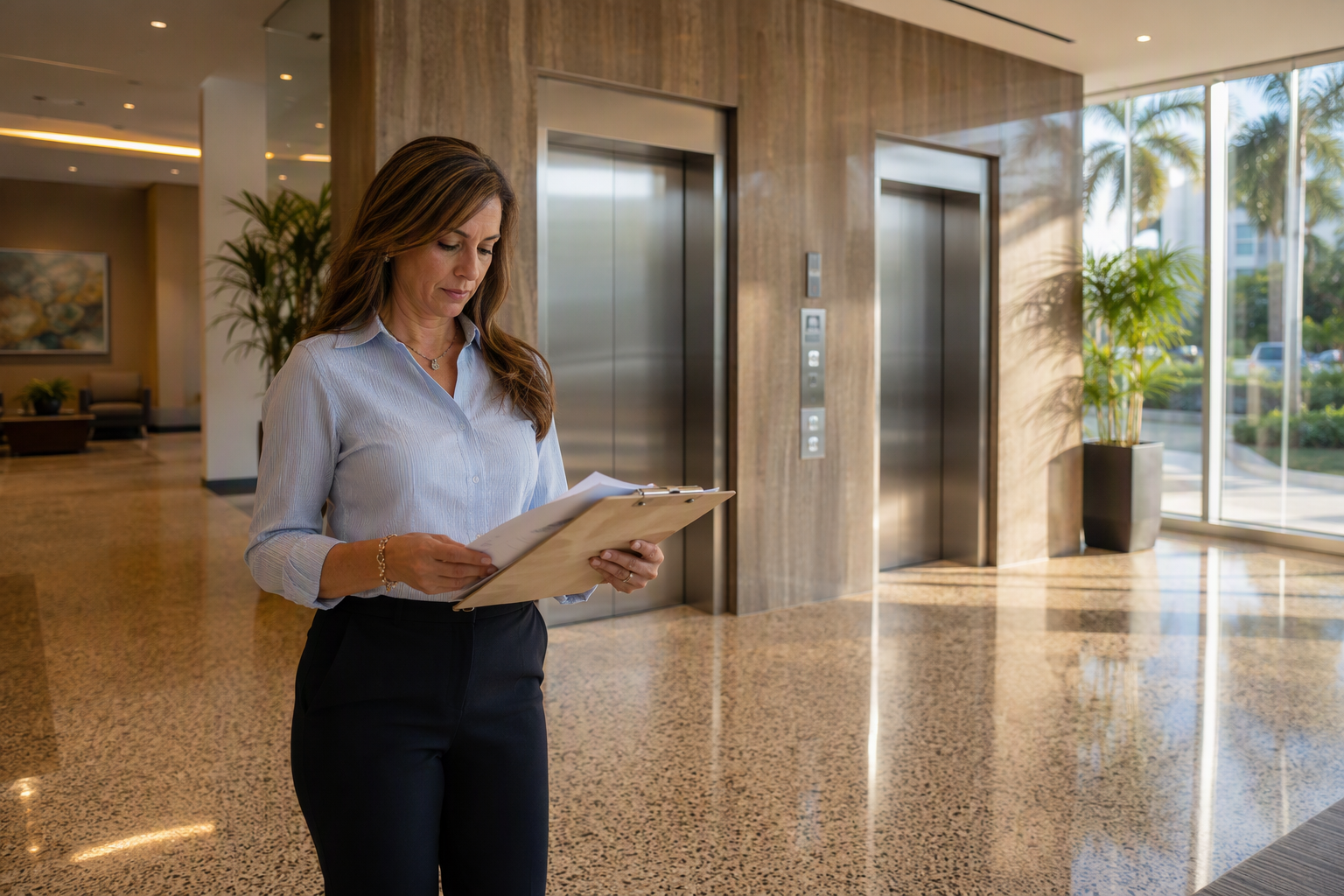
Florida’s commercial elevator inspection requirements exist at the intersection of state statute, the Florida Building Code, and the nationally recognized safety standards published by the American Society of Mechanical Engineers. Understanding exactly what is required, how often, and who bears legal responsibility is not optional for commercial building owners — non-compliance can result in elevator shutdowns, civil liability, and regulatory fines. This page answers the most common questions building owners, property managers, and facilities directors ask about elevator inspection schedules under Florida law.
What Interval Does Florida Law Mandate for Commercial Elevator Inspections?
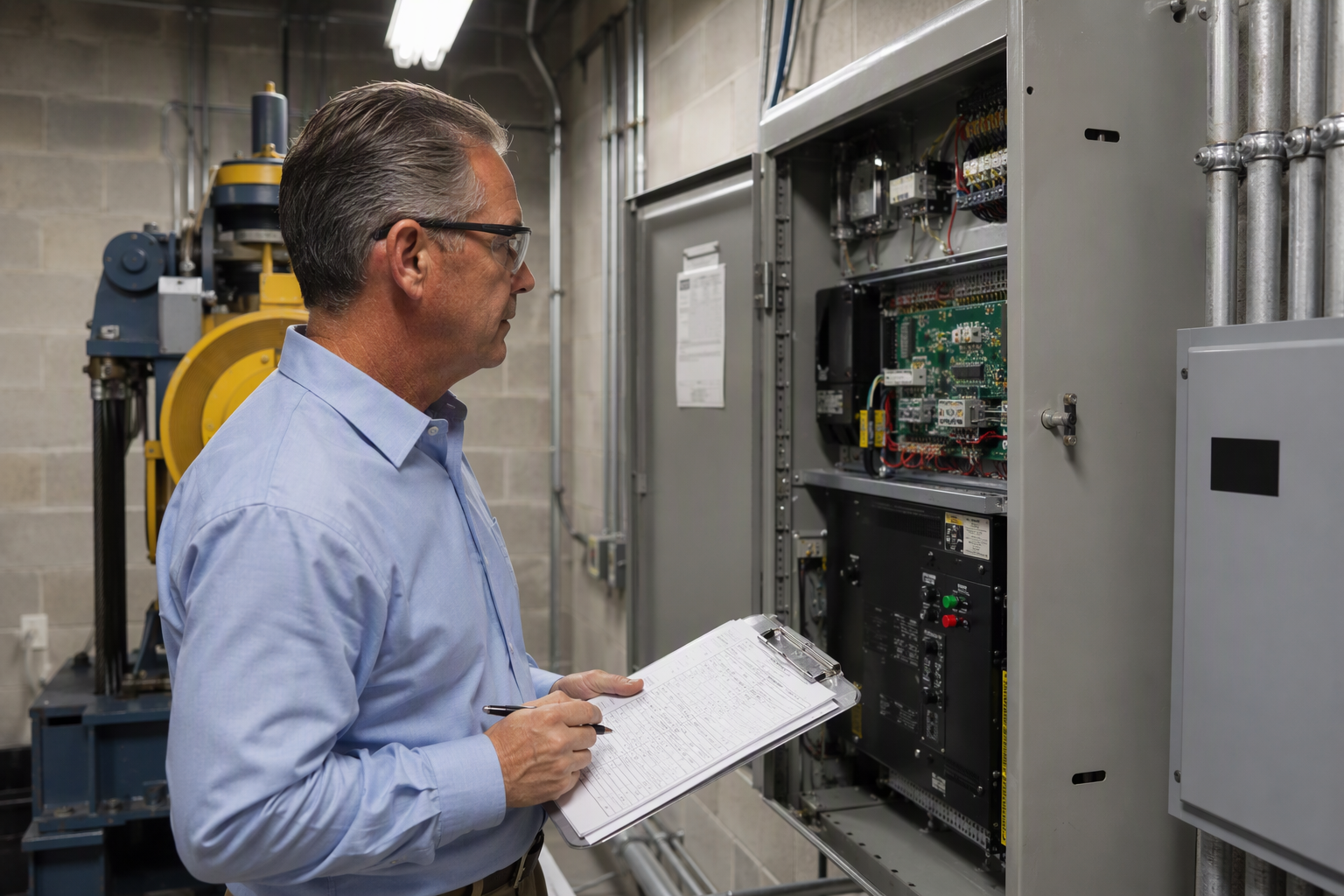
Florida’s elevator safety program is administered by the Bureau of Elevator Safety within the Florida Department of Business and Professional Regulation (DBPR). Under Florida’s elevator safety requirements, traction elevators, hydraulic elevators, and other conveyances covered by the Florida Building Code must receive a periodic inspection at least once every 12 months. This annual cycle applies to the full witnessed acceptance and periodic inspection process required to maintain a valid Certificate of Operation.
The technical baseline for what inspectors evaluate comes from the ASME A17.1 Safety Code for Elevators and Escalators (for new installations) and ASME A17.3, Safety Code for Existing Elevators and Escalators (for existing equipment). Florida has adopted these standards as the technical foundation of its elevator safety program. The state periodically updates which edition of ASME A17.1/A17.3 is in force through the Florida Building Code update cycle — building professionals should confirm the currently adopted edition with DBPR for 2025–2026 compliance planning.
| Inspection Type | Required Frequency | Governing Authority |
|---|---|---|
| Periodic Safety Inspection (Certificate of Operation renewal) | Annually (every 12 months) | Florida DBPR / Bureau of Elevator Safety |
| Acceptance Inspection (new or altered equipment) | Before returning to service after major alteration or new installation | Florida DBPR / Bureau of Elevator Safety |
| Witness Test (safety devices, buffers, governor) | As required by ASME A17.1/A17.3 intervals within periodic inspection cycle | Licensed Elevator Inspector / DBPR |
Source: Florida DBPR Bureau of Elevator Safety program requirements; ASME A17.1 and A17.3 Codes & Standards.
Who Is Legally Responsible for Scheduling the Elevator Inspection in Florida?
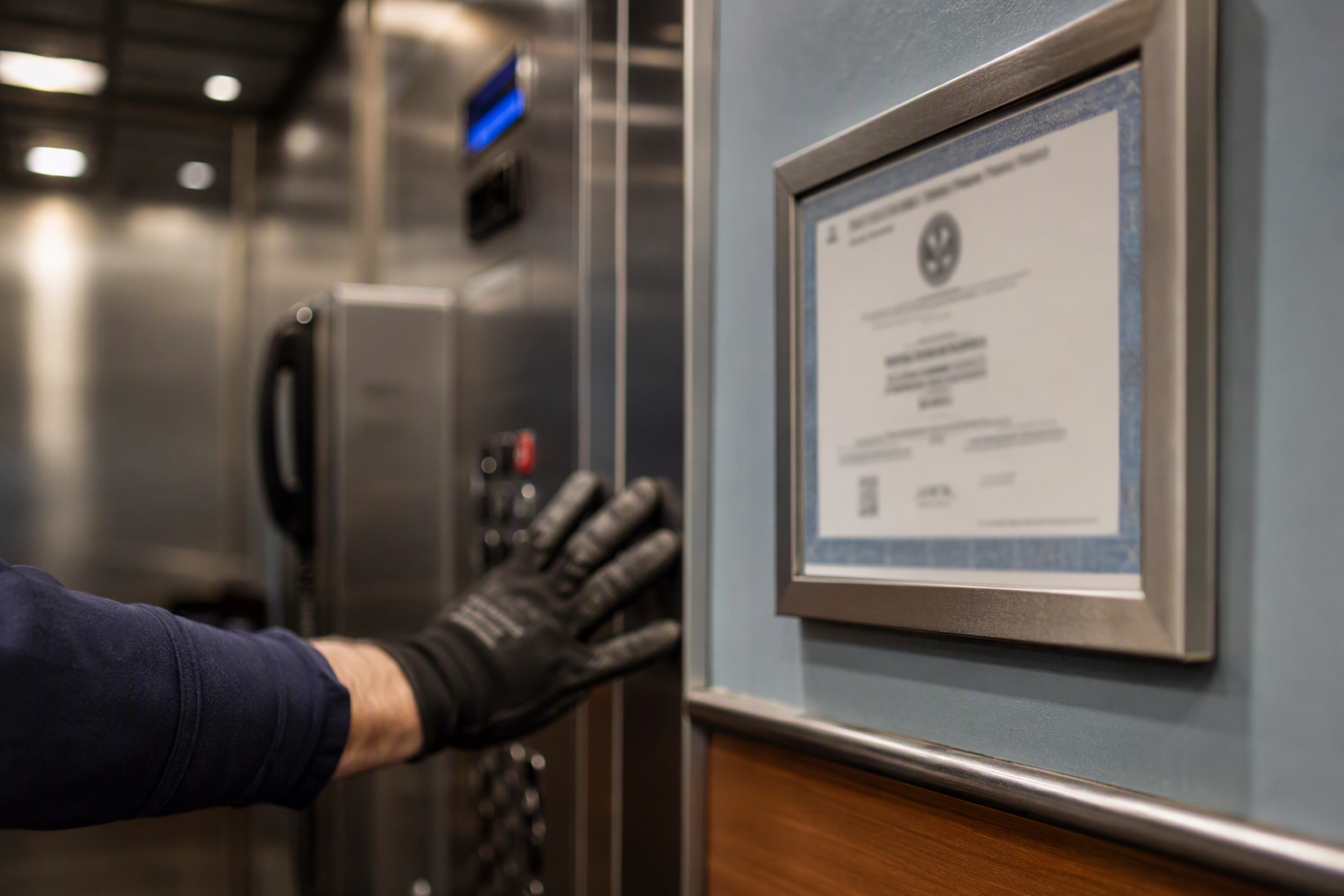
Under Florida’s elevator safety statutes, the building owner — or their designated authorized agent, such as a property manager or facilities director — carries the legal obligation to ensure that a valid Certificate of Operation is maintained. This means the responsibility to schedule, coordinate, and pay for the periodic inspection falls on the ownership side of the relationship, not on tenants and not on the elevator maintenance contractor unless that contractor has been formally designated as the owner’s agent in writing.
In practice, many building owners delegate scheduling coordination to their contracted elevator maintenance company. However, delegation does not transfer legal liability. If an elevator operates beyond its certificate expiration date, the owner is the party subject to enforcement action by the Florida DBPR Bureau of Elevator Safety.
The inspection itself must be performed by a licensed elevator inspector holding a valid Florida license issued through DBPR. The inspector may be employed by a licensed elevator company or may be an authorized representative of the local Authority Having Jurisdiction (AHJ), which in Florida is typically DBPR unless a municipality has adopted its own elevator safety program under a DBPR-approved plan.
What Happens If a Commercial Elevator Operates Without a Valid Certificate of Operation?
Operating a commercial elevator in Florida without a current, valid Certificate of Operation is a violation of state law. The Florida DBPR Bureau of Elevator Safety has authority to order an elevator taken out of service immediately upon discovery that the certificate has lapsed or been suspended. The building owner may also face administrative fines. Beyond regulatory penalties, operating an elevator with a lapsed inspection certificate creates significant civil liability exposure — in the event of a passenger injury, the absence of a current certificate is likely to be treated as evidence of negligence in litigation.
Elevator shutdowns in commercial buildings carry real operational consequences: loss of ADA-required vertical access, disruption to tenants, and potential lease violations. Under the Americans with Disabilities Act (ADA), buildings with multiple floors served by an elevator are generally required to maintain that accessible route. A shutdown that removes the only accessible means of vertical travel may create independent ADA compliance exposure.
What Does a Florida Commercial Elevator Periodic Inspection Actually Cover?
A periodic inspection in Florida is not a visual walkthrough — it is a systematic, code-based evaluation of the elevator’s mechanical, electrical, and safety systems. Inspectors follow the requirements set out in ASME A17.1 and A17.3 to verify that equipment remains in safe operating condition. Areas typically covered include:
- Machine room conditions (temperature, cleanliness, access, lighting)
- Hoistway and pit conditions (water intrusion, lighting, stop switches, ladder access)
- Door operations (closing force, reopening devices, interlocks)
- Safety devices (governor, safeties, buffers, oil buffers where applicable)
- Control systems and wiring integrity
- Car interior, lighting, emergency communication, and capacity postings
- Hydraulic system integrity for hydraulic elevators (cylinder, fluid levels, pressure relief)
- Emergency power operation (where applicable)
- Firefighters’ emergency operation compliance
Certain safety device tests — such as full-load governor and safety tests on traction elevators — follow longer cycles defined by ASME A17.1 rather than being performed at every annual visit. Florida’s adopted code edition determines which tests fall at which intervals. Building owners should request from their licensed elevator company a written test and inspection schedule that maps all required tests across the full multi-year cycle, not just the annual visit.
How Should a Building Owner Prepare for a Florida Elevator Inspection?
- Confirm your current Certificate of Operation expiration date. Locate the certificate posted in the elevator machine room or car operating panel area, and note the expiration date. Florida certificates typically display this prominently.
- Contact your licensed elevator maintenance contractor. Verify that a pre-inspection maintenance visit is scheduled well in advance of the certificate expiration — not on the same day as the inspection.
- Ensure machine room access is unobstructed. Storage in machine rooms is prohibited under code requirements. Clear any stored materials before the inspector arrives.
- Verify all required documentation is on-site. This includes the current maintenance log, previous inspection reports, and any certificates or test records for safety devices.
- Confirm pit conditions. Ensure pit lighting works, the pit is dry, and the pit stop switch and ladder are accessible and intact.
- Check all required signage. Capacity plates, emergency contact information, and certificate posting locations should be current and legible.
- Ensure a qualified representative is available during the inspection. The inspector may have questions or need access coordinated — an authorized building representative or elevator technician should be present.
- Address any known deficiencies before the inspection. Outstanding maintenance issues — sticky doors, slow door reopening, unusual noise — should be corrected prior to the inspection date, not deferred until after a violation notice.
What Is the Role of ASME A17.3 for Existing Commercial Elevators in Florida?
ASME A17.3, Safety Code for Existing Elevators and Escalators, is distinct from A17.1 in that it applies retroactively to elevators already in service. A17.3 establishes minimum safety requirements that existing equipment must meet regardless of when it was installed. Florida has incorporated A17.3 requirements, which means that older elevators in commercial buildings may be subject to mandatory upgrades — not just inspection compliance — when the code is updated through the Florida Building Code cycle.
This is a critical point for owners of buildings with older elevator equipment: an annual inspection can identify not only maintenance deficiencies but also code-compliance deficiencies that require capital investment to correct. Understanding the A17.3 obligations for existing equipment is part of responsible long-term building ownership.
Does Florida Have Additional Workplace Safety Obligations Related to Elevator Inspection?
Commercial buildings in Florida are also subject to federal OSHA standards as they apply to elevator maintenance and service work performed by employees. OSHA’s general industry and construction standards govern the safety conditions under which elevator technicians perform maintenance, inspection, and repair tasks. Building owners have an obligation to ensure that contractors they hire hold appropriate licenses and follow safe work practices — OSHA compliance for maintenance work is a shared responsibility between the building owner and the elevator service company.
Are There Inspection Requirements Specific to Hydraulic Elevators in Florida Commercial Buildings?
Yes. Hydraulic elevators — which are common in low- to mid-rise Florida commercial buildings — have inspection requirements that address the unique risks of their design, including hydraulic fluid leak detection, single-bottom jack cylinder integrity, and pressure relief valve performance. Florida’s adopted code requirements include specific provisions for hydraulic elevator pit conditions and fluid containment systems. The annual periodic inspection for a hydraulic elevator will include evaluation of these hydraulic-specific components in addition to the standard checks that apply to all elevator types.
Owners of older single-bottom hydraulic elevators in Florida should be aware that cylinder integrity testing requirements have been addressed through successive ASME code editions. Licensed elevator professionals can advise on what testing obligations apply to a specific unit under the currently adopted Florida code edition.
What Are the 2025–2026 Industry Trends Affecting Elevator Inspection Compliance in Florida?
Several qualitative trends are shaping how Florida commercial building owners approach elevator inspection and compliance as the industry moves through 2025 and into 2026:
- Remote monitoring adoption: More commercial elevator systems are being equipped with remote monitoring technology that provides continuous data on door performance, call frequency, and fault codes. While this does not replace the required annual inspection, it helps maintenance contractors identify emerging issues between inspections and arrive at inspection dates with current equipment knowledge.
- Florida Building Code update cycles: Each edition of the Florida Building Code can update the ASME edition adopted by the state. Building owners and their elevator service providers must track which edition is currently in force to understand exactly what inspection and testing intervals apply to their equipment in 2025–2026.
- Increased enforcement emphasis: DBPR elevator safety enforcement activity has continued to be a priority for the state, with a focus on ensuring that certificates of operation are current and that inspection records are properly maintained. Building owners should not assume that a lapsed certificate will go unnoticed.
- Aging elevator inventory: A significant portion of Florida’s commercial elevator inventory was installed during the state’s major development periods and is now aging into a range where major component replacement and code-compliance upgrades become part of the ownership conversation alongside routine inspection compliance.
- Post-hurricane inspection requirements: Florida’s vulnerability to hurricane-force weather events creates a recurring need for post-event inspections and return-to-service evaluations after significant storms — a consideration that is specific to Florida’s operating environment and one building owners should plan for in their elevator service agreements.
How Does Axxiom Elevator Florida Support Commercial Inspection Compliance?
Axxiom Elevator Florida works with commercial building owners, property managers, and facilities teams across Florida to support full compliance with the state’s elevator inspection and certification requirements. The approach is grounded in the actual code requirements — ASME A17.1 and A17.3, the Florida Building Code, and DBPR Bureau of Elevator Safety requirements — rather than generalized checklists.
Axxiom Elevator Florida’s services include pre-inspection maintenance visits designed to identify and correct deficiencies before the inspection date, coordination with licensed elevator inspectors, documentation support, and ongoing maintenance programs structured around the full test and inspection cycle — not just the annual event. For building owners managing multiple properties, Axxiom Elevator Florida provides portfolio-level tracking to ensure no certificate expiration is missed across a building inventory.
What Should Building Owners Look for When Choosing an Elevator Inspection and Maintenance Partner in Florida?
When evaluating elevator service companies for inspection compliance support, Florida building owners should verify:
- That the company and its technicians hold current Florida licenses issued through DBPR — this is a non-negotiable legal requirement, not a preference.
- That the company can provide a written, multi-year test and inspection schedule that maps all ASME A17.1/A17.3 required tests across their full cycle intervals, not just annual inspection visits.
- That the company maintains detailed written records of all maintenance, tests, and inspections performed — records that will be available if DBPR or a court requests them.
- That the company has documented familiarity with both traction and hydraulic elevator systems, as Florida’s commercial building stock includes both.
- That the company can provide references from comparable commercial properties in Florida.
Frequently Asked Questions
How often are commercial elevators required to be inspected in Florida?
Florida requires commercial elevators to undergo a full periodic inspection at least once every 12 months to maintain a valid Certificate of Operation issued by the Florida DBPR Bureau of Elevator Safety. Certain safety device tests follow longer intervals as specified in the ASME A17.1 Safety Code.
Who is responsible for scheduling the elevator inspection in a commercial building?
The building owner — or their authorized agent, such as a property manager — bears legal responsibility for ensuring the elevator inspection is scheduled and completed before the Certificate of Operation expires. Many owners delegate coordination to their elevator maintenance contractor, but legal accountability remains with the owner.
What agency enforces elevator inspection requirements in Florida?
The Florida Department of Business and Professional Regulation (DBPR), through its Bureau of Elevator Safety, is the primary state agency responsible for elevator safety enforcement in Florida. Some municipalities operate under DBPR-approved local programs.
What code standards govern Florida elevator inspections?
Florida’s elevator safety program is based on ASME A17.1, Safety Code for Elevators and Escalators (for new and altered equipment) and ASME A17.3, Safety Code for Existing Elevators and Escalators (for equipment already in service), as adopted through the Florida Building Code.
Can a commercial elevator be shut down for failing inspection in Florida?
Yes. The Florida DBPR Bureau of Elevator Safety has authority to order an elevator taken out of service for failing inspection, for operating with a lapsed Certificate of Operation, or for posing an imminent safety hazard. The elevator cannot legally return to passenger service until the deficiencies are corrected and the inspector clears the unit.
Does the ADA create additional inspection or maintenance obligations for commercial elevator owners?
The Americans with Disabilities Act requires that buildings subject to its accessibility requirements maintain accessible routes in working order. Where an elevator is the accessible means of vertical travel, keeping it in continuous operation through proper maintenance and timely inspection compliance is part of ADA compliance, not just state elevator law compliance.
How long does a Florida commercial elevator inspection typically take?
Inspection duration varies based on elevator type, age, number of floors served, and the specific tests required during that inspection cycle. Hydraulic elevators, traction elevators, and equipment requiring full-load governor or safety tests all have different time requirements. Building owners should consult with their licensed elevator service provider for a realistic time estimate for their specific equipment.
What documentation should be maintained for a commercial elevator in Florida?
Florida commercial elevator owners should maintain: the current Certificate of Operation (which must be posted), all previous inspection reports, maintenance logs documenting all service visits, records of any tests performed, and records of any alterations. These records should be retained and available for review by DBPR inspectors or in the event of a legal proceeding.
What happens if a commercial elevator inspection reveals deficiencies?
If deficiencies are found during a periodic inspection, the inspector will document them in an inspection report. Depending on severity, the elevator may be allowed to continue operating on a conditional basis while minor deficiencies are corrected, or it may be placed out of service immediately if a safety hazard is identified. The building owner is responsible for having all deficiencies corrected by a licensed elevator contractor before the next inspection or within any deadline set by DBPR.
How far in advance should a building owner schedule an elevator inspection in Florida?
Building owners and their elevator service contractors should initiate scheduling well in advance of the certificate expiration date — not in the final days of the certificate period. This allows time for a pre-inspection maintenance visit to address any deficiencies before the inspector arrives. Last-minute scheduling increases the risk of failed inspections and certificate lapses, particularly during periods of high inspection demand.
Does OSHA have any role in Florida commercial elevator inspections?
Federal OSHA standards apply to the safety of workers performing elevator maintenance, inspection, and repair — not to passenger safety inspections directly. Building owners should ensure that elevator contractors they engage follow applicable OSHA safety requirements for confined space entry, lockout/tagout, and other hazardous work conditions involved in elevator maintenance.
Key Takeaways for Florida Commercial Building Owners
- Florida law requires a periodic elevator inspection at least every 12 months to maintain a valid Certificate of Operation.
- The building owner is legally responsible for ensuring the inspection is scheduled and completed on time.
- Inspections must be performed by a Florida DBPR-licensed elevator inspector and must follow ASME A17.1 and A17.3 requirements as adopted by the Florida Building Code.
- Operating an elevator with a lapsed certificate creates regulatory, legal, and ADA compliance exposure.
- Pre-inspection maintenance preparation is critical to passing inspection without deficiency notices or out-of-service orders.
- Older hydraulic and traction elevators in Florida commercial buildings may carry additional code-compliance upgrade obligations under ASME A17.3 that go beyond routine inspection compliance.
Schedule Your Commercial Elevator Assessment Today
Staying ahead of Florida’s elevator inspection requirements protects your building, your tenants, and your liability exposure. Axxiom Elevator Florida works with commercial property owners across Florida to ensure inspection compliance, maintain accurate multi-year test schedules, and address deficiencies before they become enforcement actions or shutdowns.
Contact Axxiom Elevator Florida for a free elevator assessment:
Need elevator service you can rely on? Axxiom Elevator Florida is ready to help.