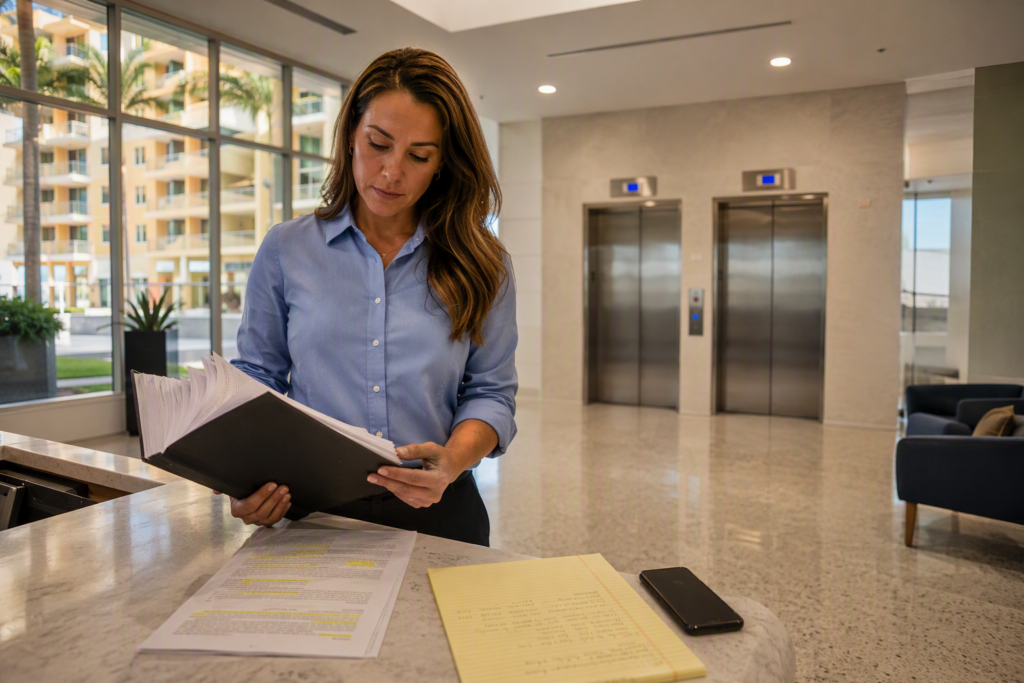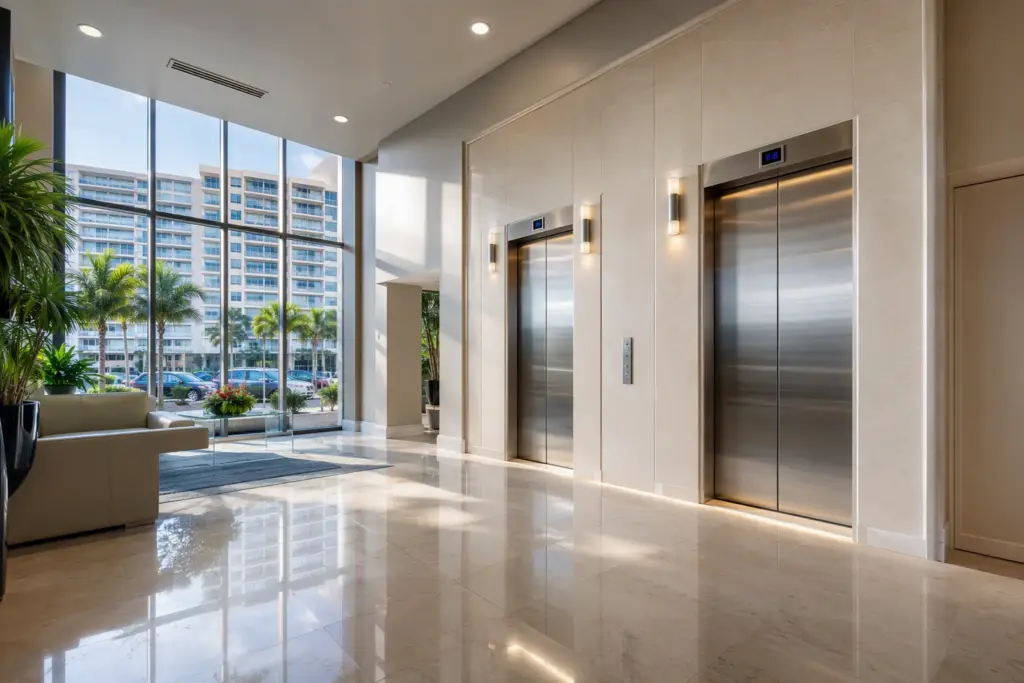
Elevator Safety and Compliance Requirements for Retail Shopping Centers and Mixed-Use Buildings in Florida
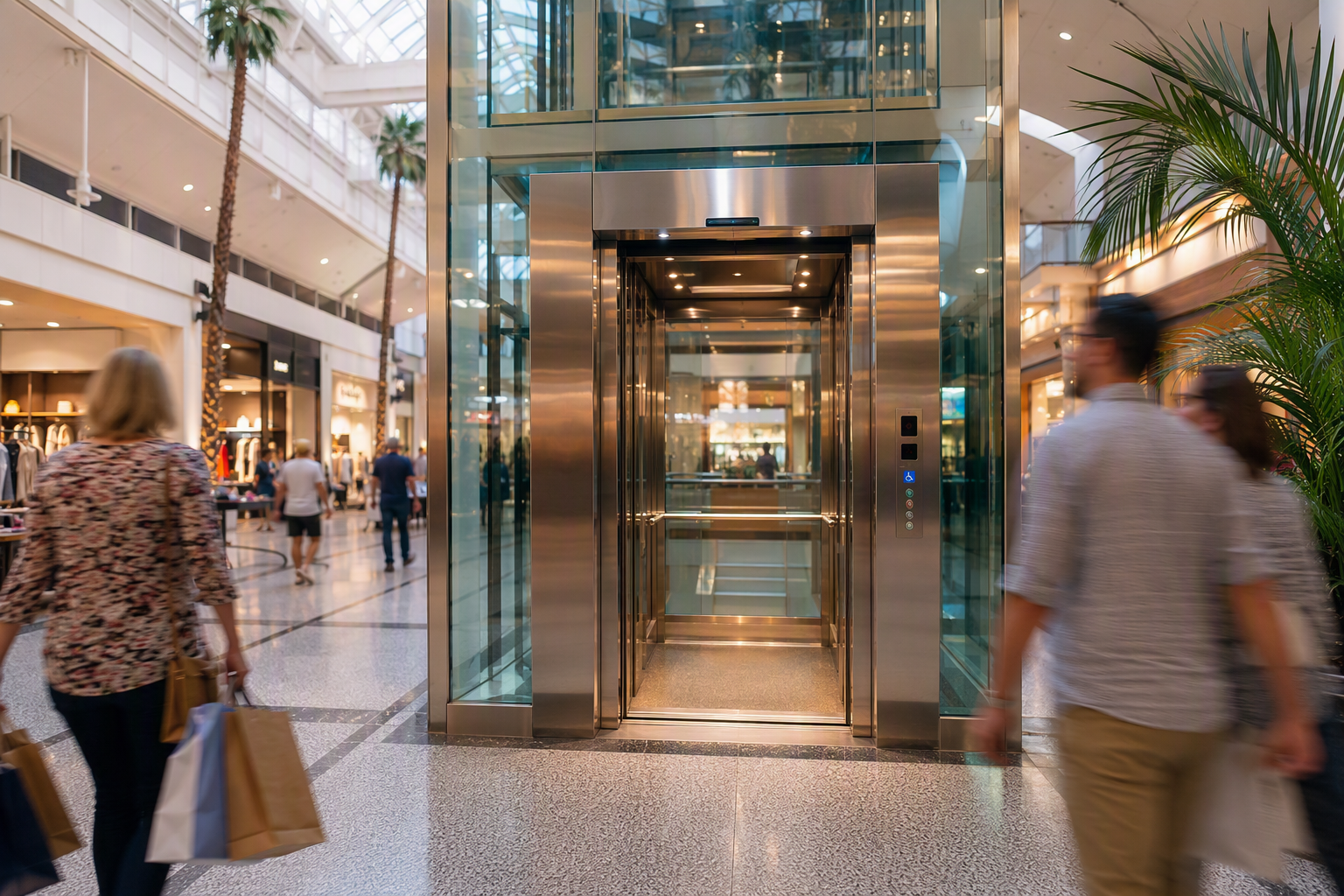
Florida’s retail and mixed-use environments present a complex compliance landscape for building owners and property managers. Elevators in these settings serve diverse populations — shoppers, employees, delivery personnel, and residents in mixed-use towers — making safety and code adherence a non-negotiable operational priority. Understanding what applies, who enforces it, and how to stay current protects tenants, visitors, and building owners from liability and service interruptions.
What Federal Elevator Codes Apply to Retail and Mixed-Use Buildings?
Two primary federal frameworks govern elevator safety and accessibility in retail shopping centers and mixed-use buildings across the United States, including Florida.
ASME A17.1 Safety Code for Elevators and Escalators
The ASME A17.1 Safety Code for Elevators and Escalators is the foundational technical standard for elevator design, construction, operation, inspection, testing, and maintenance. Florida adopts editions of this standard as part of its statewide elevator safety program. The 2023 edition of ASME A17.1 (referenced in 2026 compliance guidance) covers critical requirements including governor and safety devices, hoistway construction, car enclosures, door operation, and emergency communication systems.
ADA Accessibility Requirements
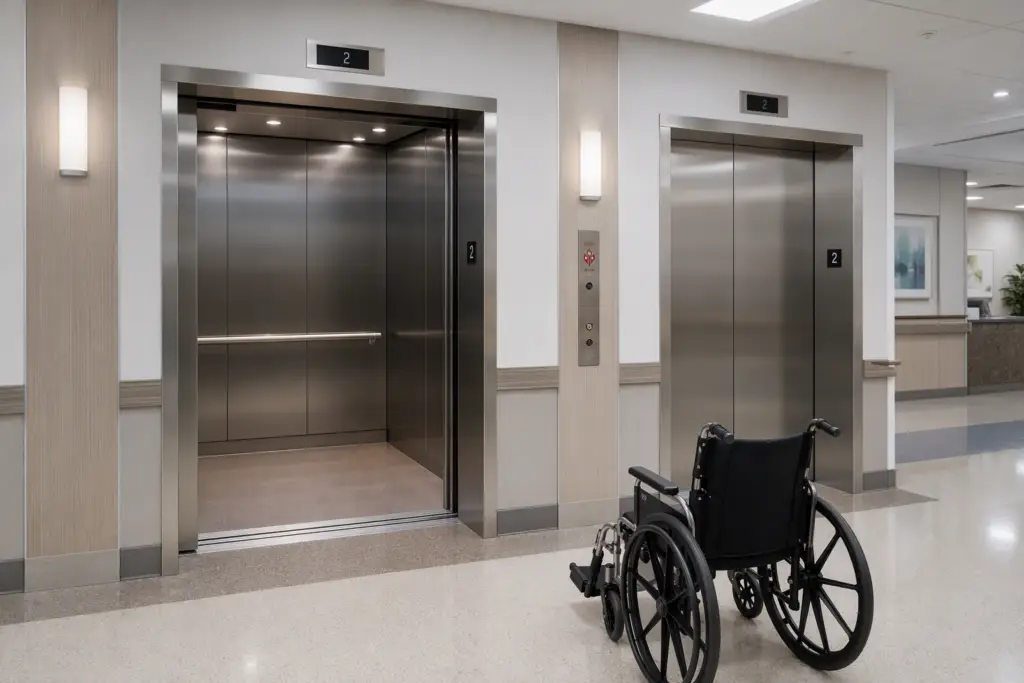
The Americans with Disabilities Act (ADA) mandates that elevators in public accommodations — a category that includes most retail centers and mixed-use commercial spaces — meet specific accessibility criteria. These include minimum cab dimensions, Braille signage, audible floor announcements, accessible call buttons, and door dwell times sufficient to allow individuals using mobility devices to board safely.
What Florida-Specific Elevator Regulations Apply to These Building Types?
In Florida, elevator safety regulation falls under the jurisdiction of the Florida Department of Business and Professional Regulation (DBPR), Division of Hotels and Restaurants, and its Elevator Safety section. Key state-level requirements include:
- Certificate of Operation: Every elevator in a Florida retail or mixed-use building must hold a valid Certificate of Operation issued by the DBPR before it can legally be used by the public. This certificate must be renewed periodically following a satisfactory inspection.
- Mandatory Periodic Inspections: Florida law requires regular inspections by a licensed elevator inspector. Inspection frequency varies by elevator type and use classification, as outlined under Florida Statute Chapter 399.
- Licensed Elevator Contractors: All installation, alteration, and maintenance work on Florida elevators must be performed by a licensed elevator contractor in accordance with state law.
- Florida Building Code Integration: The Florida Building Code incorporates ASME A17.1 requirements and adds state-specific provisions relevant to high-traffic commercial and mixed-use occupancies.
- Escalator and Moving Walk Standards: Mixed-use buildings with escalators or moving walkways are subject to additional provisions under ASME A17.1 and state enforcement protocols.
Axxiom Elevator Florida works with retail and mixed-use property owners in Pompano Beach and Sarasota to maintain current certificates of operation and ensure all equipment meets state and federal standards.
What ADA Requirements Must Retail Elevators Meet Specifically?
The ADA Standards for Accessible Design set specific technical benchmarks for elevators serving public accommodations. For retail shopping centers and mixed-use buildings, these include:
- Cab Dimensions: Minimum interior dimensions to accommodate wheelchair users.
- Call Controls: Call buttons must be located at a height accessible from a seated position, illuminated when activated, and free of obstructions.
- Door Operation: Doors must remain open long enough to allow a person using a mobility device to enter or exit without the door contacting the person.
- Audible and Visual Signals: Floor arrival signals must include both audible tones and visible indicators. Car position indicators must be provided in elevator lobbies.
- Braille and Raised Characters: All control buttons must include Braille designations and raised characters.
- Emergency Communication: A two-way communication system must be provided within the cab, usable by individuals with hearing and speech disabilities.
Non-compliance with ADA standards exposes building owners to federal complaints, civil litigation, and costly retrofits. Routine ADA accessibility audits are a core component of the assessments performed by Axxiom Elevator Florida.
How Often Must Elevators in Florida Retail Buildings Be Inspected?
Florida Statute Chapter 399 establishes inspection intervals for elevators based on their classification and use. Elevators in high-traffic commercial environments such as retail shopping centers are subject to periodic inspections that verify mechanical integrity, safety device functionality, and code compliance. After each inspection, a licensed inspector issues findings that the building owner must address within prescribed timeframes to retain a valid Certificate of Operation.
Beyond state-mandated inspections, industry best practice — consistent with guidance in the ASME A17.1 Safety Code for Elevators and Escalators — calls for a documented preventive maintenance program. Preventive maintenance intervals should be defined by the maintenance contractor in writing and calibrated to the traffic volume and duty cycle of each unit.
What Happens If a Florida Retail Elevator Fails Inspection?
When a Florida elevator fails inspection, the DBPR may issue an immediate order to cease operations on the affected unit. This means the elevator cannot legally carry passengers until corrective action is completed and the unit passes re-inspection. For a retail shopping center or mixed-use building, an out-of-service elevator can create ADA compliance gaps, tenant complaints, and revenue impact.
The correction process typically involves the following steps:
- Receive the written inspection report detailing all deficiencies and code citations.
- Contact a licensed elevator contractor — such as Axxiom Elevator Florida — to review deficiencies and develop a remediation plan.
- Obtain any necessary permits for corrective work through the applicable local authority having jurisdiction (AHJ).
- Complete all required repairs or replacements using licensed elevator mechanics.
- Schedule a re-inspection with the DBPR or a licensed third-party inspector authorized under Florida law.
- Receive an updated Certificate of Operation upon satisfactory re-inspection.
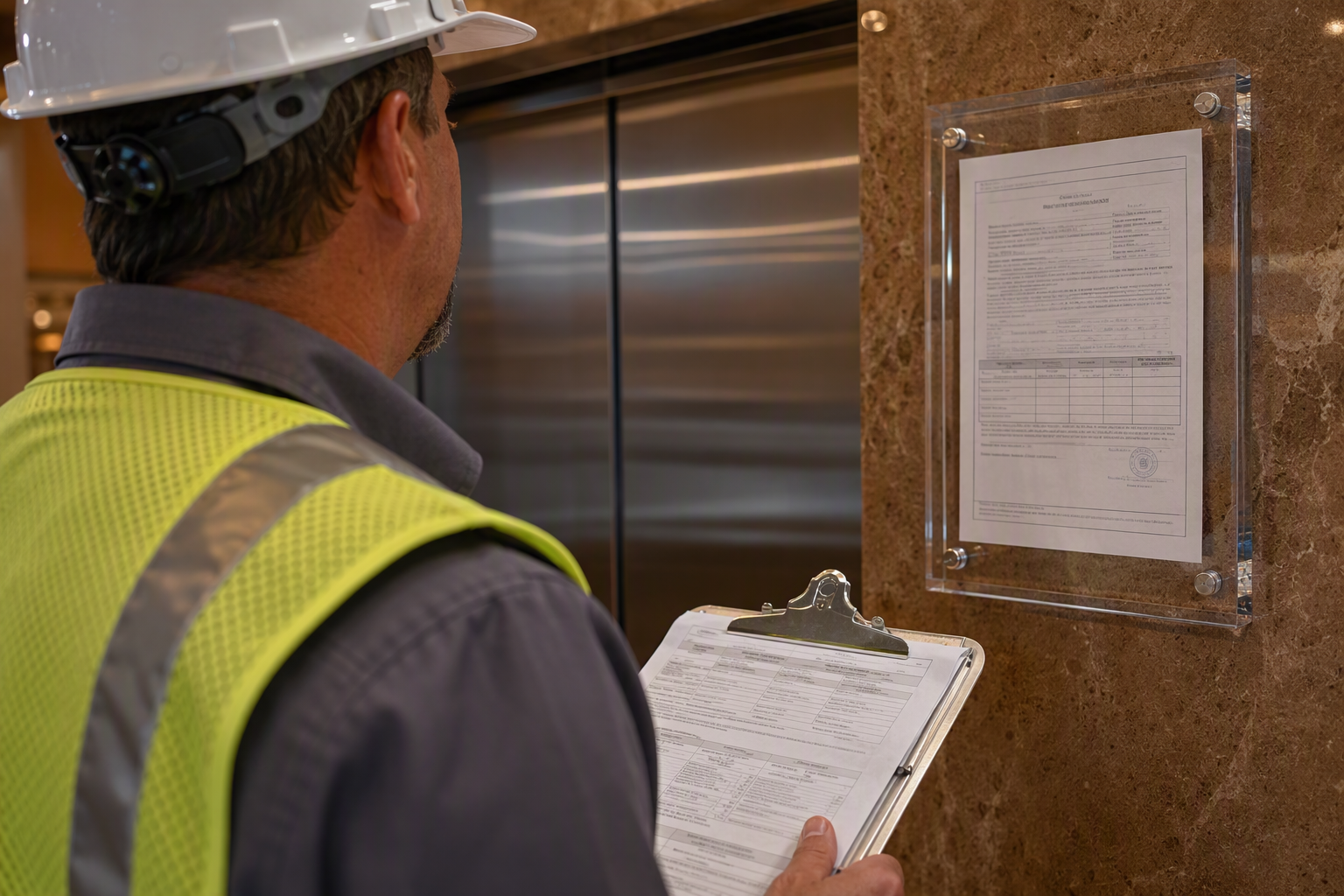
- Post the current Certificate of Operation in the elevator cab as required by Florida law.
Are There Special Compliance Considerations for Mixed-Use Buildings with Residential Floors?
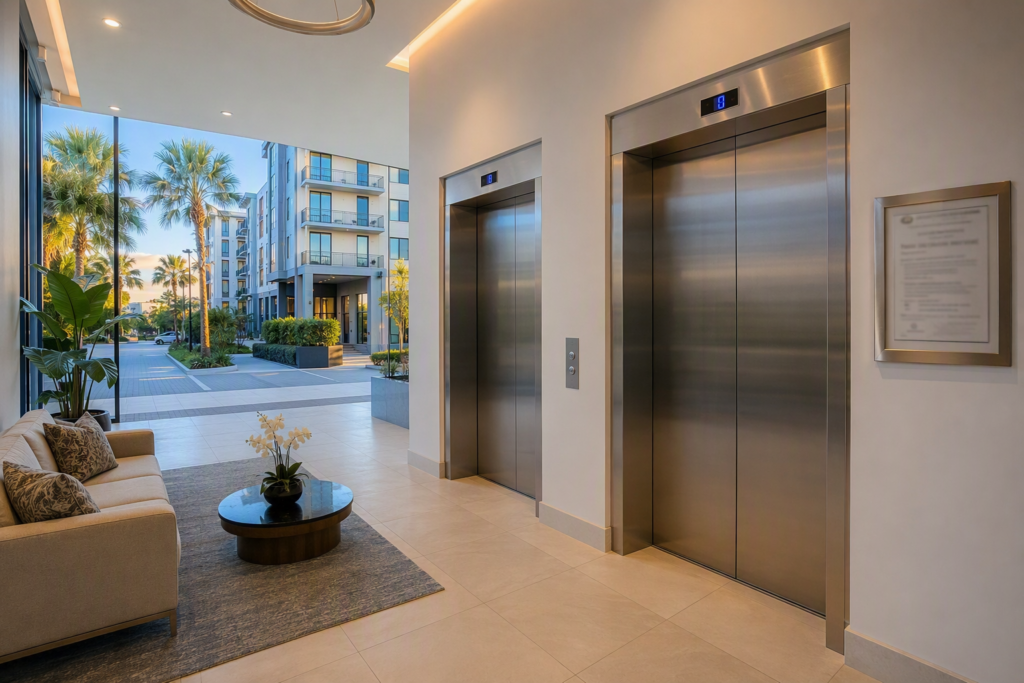
Yes. Mixed-use buildings that combine retail ground floors with upper-floor residential units introduce additional complexity. Residential elevators serving dwelling units may fall under different sections of the ASME A17.1 Safety Code for Elevators and Escalators than commercial elevators. When a single elevator shaft serves both commercial and residential floors, the elevator must meet the more stringent of the applicable requirements for each occupancy type.
Fire service recall requirements — which mandate that elevators return to a designated floor automatically when fire alarm signals are activated — are particularly important in mixed-use residential-commercial buildings. These requirements are codified in ASME A17.1 and integrated into the Florida Fire Prevention Code.
What Elevator Safety Equipment Is Required in Florida Retail and Mixed-Use Buildings?
Beyond the core mechanical and accessibility requirements, Florida retail and mixed-use elevators must be equipped with specific safety systems:
- Governor and Safety Devices: Speed-limiting governors and mechanical safeties that arrest the car in the event of overspeed or rope failure.
- Buffers: Energy-absorbing buffers at the bottom of the hoistway to limit impact in the event of overtravel.
- Emergency Lighting and Power: Battery-powered emergency lighting within the cab that activates upon loss of primary power.
- Two-Way Emergency Communication: A code-compliant, ADA-accessible two-way communication system connecting the cab to a continuously monitored location.
- Door Safety Devices: Door reopening devices (such as light curtains or safety edges) that detect obstructions and reverse door closure.
- Firefighters’ Emergency Operation (FEO): Phase I and Phase II firefighters’ service as required by ASME A17.1 and the Florida Fire Prevention Code.
- Seismic Controls: Where applicable under the Florida Building Code, seismic switches that halt elevator operation during seismic activity.
What Is the Role of the Authority Having Jurisdiction (AHJ) in Florida Elevator Compliance?
In Florida, the DBPR serves as the primary authority having jurisdiction for elevator safety statewide. However, local municipalities — including cities in the Pompano Beach and Sarasota markets — may exercise concurrent jurisdiction for permitting new installations and alterations. Building owners should confirm which permits are required at both the state and local levels before commencing any elevator work.
The AHJ interprets and enforces code requirements, approves equivalency requests when standard compliance is impractical due to building constraints, and can mandate corrective action when unsafe conditions are identified outside of scheduled inspections.
How Does Elevator Compliance Affect Liability for Retail and Mixed-Use Property Owners?
Florida property owners and managers bear a duty of care to maintain elevators in a safe condition for all users. Failure to maintain a current Certificate of Operation, failure to perform required maintenance, or failure to remediate known deficiencies can constitute negligence in the event of an injury. Documented maintenance records — including inspection reports, corrective work orders, and preventive maintenance logs — are the primary evidence of due diligence in any liability claim or regulatory enforcement action.
Axxiom Elevator Florida provides detailed maintenance documentation that supports property owners’ compliance records and insurance requirements in the Pompano Beach and Sarasota markets.
Questions Your Inspector Will Ask
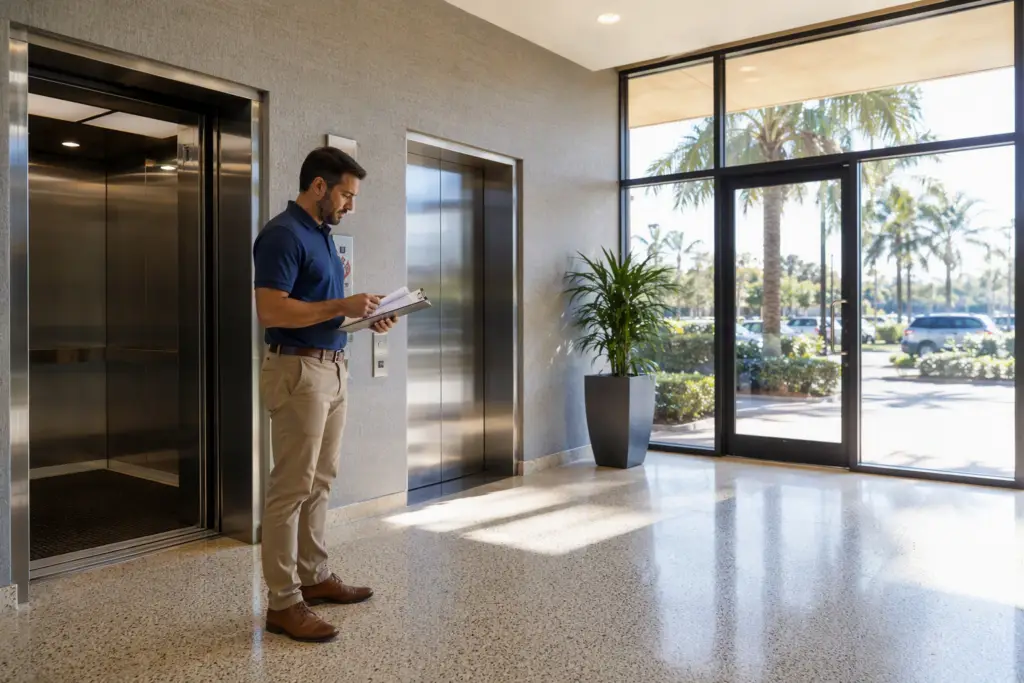
When a DBPR-licensed elevator inspector arrives at a Florida retail shopping center or mixed-use building, property managers should be prepared to address the following:
- Is the Certificate of Operation current and posted inside the cab? Inspectors verify that the posted certificate reflects the current inspection cycle and has not lapsed.
- Is there a signed maintenance agreement with a licensed elevator contractor? Florida law requires that elevators be maintained under contract with a licensed contractor.
- Are maintenance logs available for review? Inspectors will ask to see the maintenance log book kept in or near the machine room, documenting all service calls, preventive maintenance visits, and corrective actions.
- When was the last full load test conducted? Periodic load and safety device tests are required under ASME A17.1; inspectors will ask for the test date and results.
- Are all safety devices functional and within calibration? This includes governors, safeties, buffers, and door reopening devices.
- Is the two-way emergency communication system operational and monitored 24 hours a day? Inspectors will test the system and verify that it connects to a continuously monitored location.
- Have any alterations been made since the last inspection? Any alteration triggers re-inspection requirements and may require a permit under Florida law.
- Is Phase I and Phase II firefighters’ emergency operation functional? Inspectors will test both phases of fire service recall operation.
- Are machine room access and conditions compliant? Machine rooms must be secured, properly ventilated, illuminated, and free of storage unrelated to elevator equipment.
- Are all required signage and ratings posted? This includes rated load capacity, Certificate of Operation, and emergency instructions posted in the cab.
What Should Building Owners Do to Prepare for a Florida Elevator Inspection?
- Confirm that the current Certificate of Operation is posted in every elevator cab.
- Verify that all maintenance logs are up to date and accessible in the machine room.
- Test the two-way emergency communication system in each cab and confirm monitoring is active.
- Inspect cab lighting, including emergency battery backup, for proper function.
- Confirm machine room access is secured and the room is free of unauthorized storage.
- Review any open corrective work orders from the previous inspection and confirm completion.
- Ensure all cab signage — including rated load, Certificate of Operation, and ADA-required labels — is legible and current.
- Notify the licensed elevator contractor of the upcoming inspection date so a technician can be available if needed.
How Can Building Owners in Pompano Beach and Sarasota Ensure Ongoing Compliance?
Ongoing compliance in Florida’s retail and mixed-use elevator environments requires a structured approach that combines preventive maintenance, documentation discipline, and proactive engagement with licensing authorities. Property managers in the Pompano Beach and Sarasota markets benefit from working with a locally knowledgeable, licensed elevator contractor who understands Florida DBPR requirements and the specific demands of high-traffic commercial occupancies.
Axxiom Elevator Florida supports retail and mixed-use property owners with comprehensive maintenance programs designed around the requirements of the ASME A17.1 Safety Code for Elevators and Escalators, ADA accessibility standards, and Florida Statute Chapter 399 — helping buildings maintain continuous compliance and minimize service interruptions.
Ready to Protect Your Building’s Compliance and Safety?
Whether managing a retail shopping center in Pompano Beach or a mixed-use development in Sarasota, elevator compliance is too important to leave to chance. Contact Axxiom Elevator Florida for a free elevator assessment and find out exactly where your equipment stands against current Florida and federal requirements.
Contact Axxiom Elevator Florida for a free elevator assessment:
Need elevator service you can rely on? Axxiom Elevator Florida is ready to help.