Elevator Modernization Cost in Florida 2026: Complete FAQ Guide
Elevator modernization in Florida in 2026 typically costs between $20,000 and $150,000 or more, depending on whether the scope covers a single-system upgrade (controls, doors, or cab interior) or a comprehensive mechanical and code-compliance overhaul. Hydraulic elevators in low-rise buildings generally fall at the lower end of that range, while traction elevators serving mid-rise or high-rise structures in markets like Pompano Beach and Sarasota routinely require larger investments when full modernization is required.
What Is Elevator Modernization and How Does It Differ from Routine Maintenance?
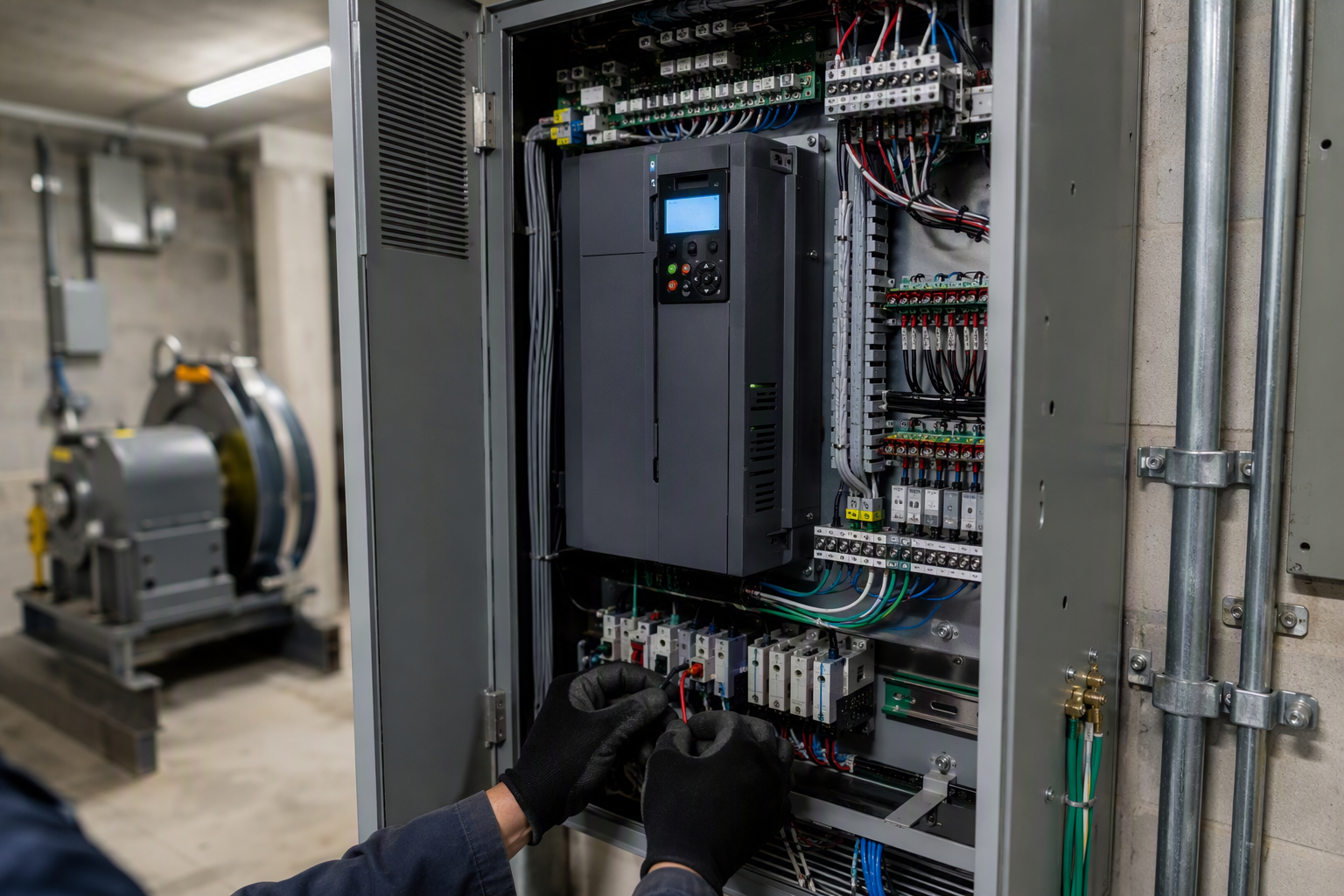
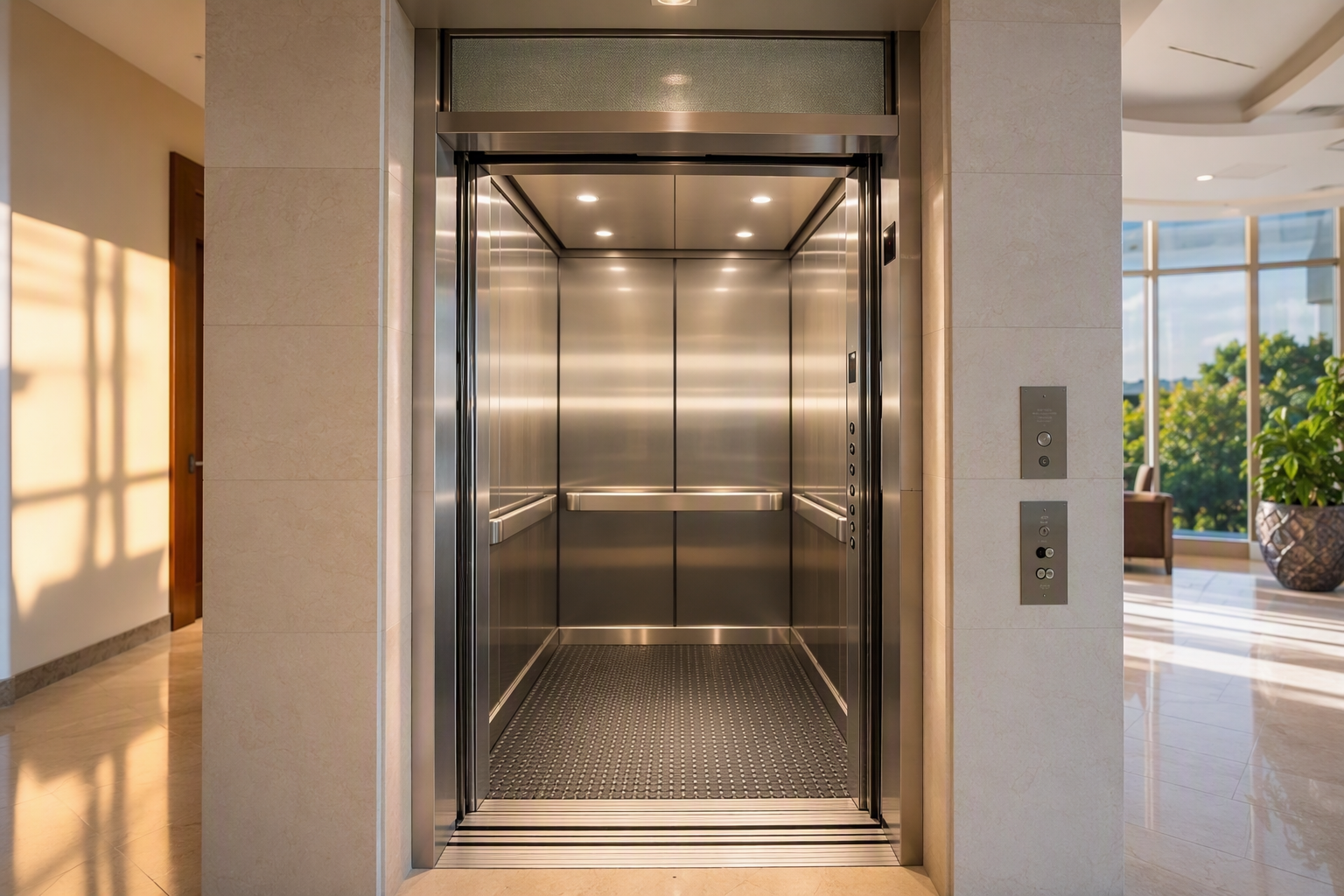
Elevator modernization is the planned replacement or upgrading of major system components — controls, motors, drive systems, door operators, cab interiors, or safety devices — to extend service life, improve performance, and bring the unit into compliance with current codes.
Routine maintenance covers lubrication, adjustments, minor part replacements, and safety inspections required at regular intervals. Modernization, by contrast, addresses components that have reached end of useful life or that fall short of current ASME A17.1 Safety Code for Elevators and Escalators requirements. The distinction matters because maintenance costs are predictable and recurring, while modernization is a capital project with a defined scope, permit process, and post-completion inspection.
Florida’s Bureau of Elevator Safety enforces compliance with the ASME A17.1 code as adopted by the state, meaning that modernization projects must meet current edition requirements and pass final inspection before the elevator is returned to service.
What Are the Main Cost Drivers for Elevator Modernization in Florida in 2026?
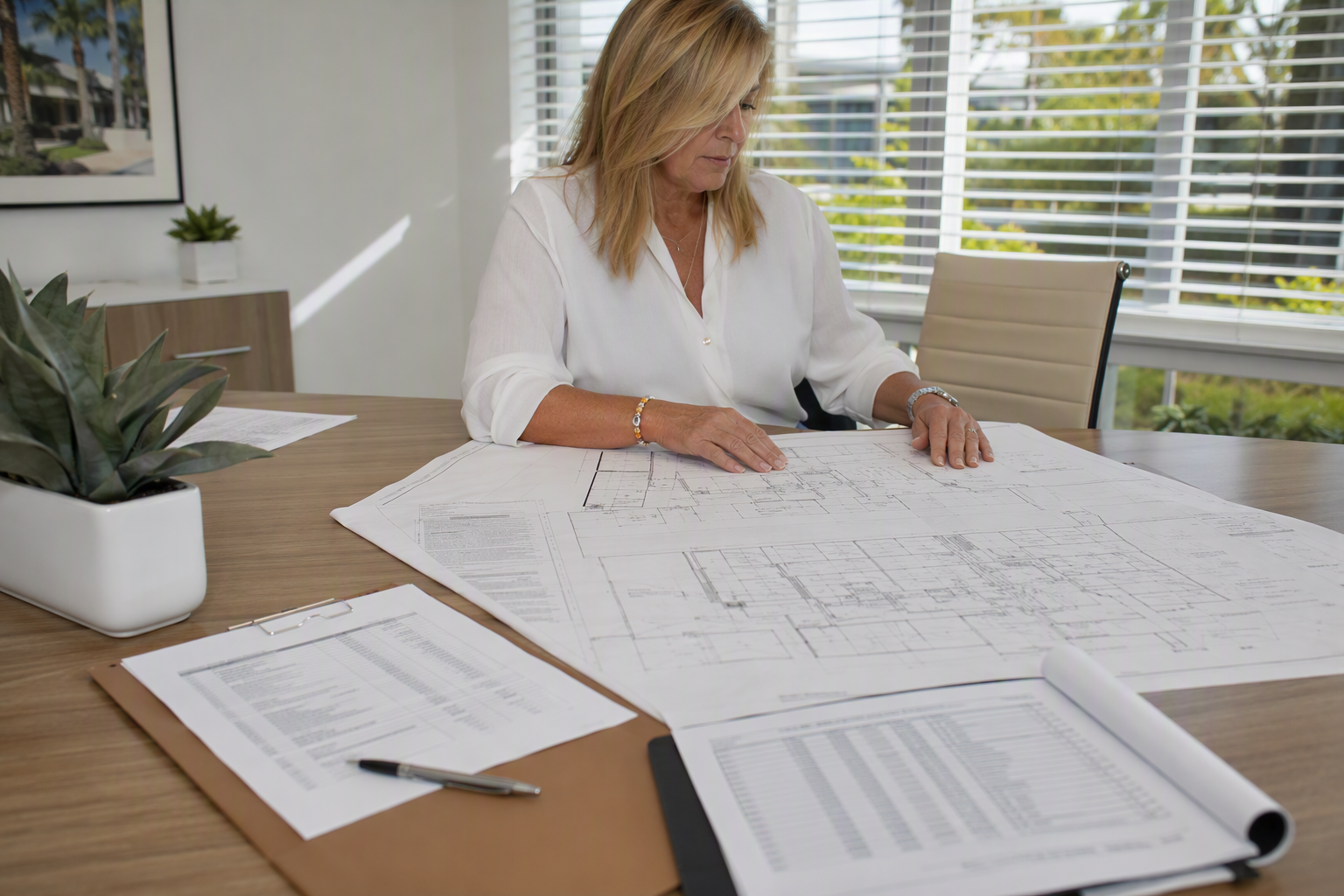
The primary cost drivers are elevator type (hydraulic vs. traction), number of floors served, the number of systems being replaced, local permitting fees, labor rates in the specific Florida market, and the extent of code-compliance upgrades required.
Hydraulic elevators — common in Florida’s two- and three-story commercial buildings — tend to cost less to modernize than geared or gearless traction elevators because the mechanical systems are simpler and the machine rooms are more accessible. However, hydraulic units may also require tank and fluid upgrades to meet current environmental standards, which adds to project cost.
Traction elevator modernization in mid-rise buildings typically involves more complex control system replacements, drive upgrades, and safety device testing, all of which require additional labor hours and specialty parts. Buildings in coastal markets like Pompano Beach and Sarasota may also face material cost premiums tied to corrosion-resistant components suited to salt-air environments.
Permitting fees are set by local jurisdictions and the Florida Department of Business and Professional Regulation’s Bureau of Elevator Safety, so projects in different counties will see different line items on the final invoice.
What Does a Typical Elevator Modernization Cost Breakdown Look Like?
A modernization project is generally divided into equipment costs (controls, motors, door systems, cab finishes), labor costs, engineering and permit fees, and post-completion inspection fees.
| Modernization Scope | Elevator Type | Estimated Cost Range (Florida, 2026) | Typical Timeline |
|---|---|---|---|
| Control system upgrade only | Hydraulic or Traction | $20,000 – $45,000 | 1–3 weeks |
| Door operator & entrance replacement | Hydraulic or Traction | $15,000 – $35,000 | 1–2 weeks |
| Cab interior renovation | Any type | $10,000 – $30,000 | 3–7 days |
| Hydraulic unit full modernization | Hydraulic | $35,000 – $75,000 | 3–6 weeks |
| Traction elevator full modernization | Geared/Gearless Traction | $70,000 – $150,000+ | 6–16 weeks |
| ADA accessibility upgrades | Any type | $5,000 – $25,000 | 1–3 weeks |
| Machine-room-less (MRL) conversion | Traction | $80,000 – $160,000+ | 8–20 weeks |
Note: Ranges reflect general market conditions for Florida elevator projects as of 2026. Final quotes depend on site-specific conditions, parts availability, and jurisdiction. Contact a licensed elevator contractor for an itemized assessment.
Which Florida Code Requirements Affect Modernization Scope and Cost?
Florida adopts the ASME A17.1 Safety Code for Elevators and Escalators as the baseline standard, and the state’s Bureau of Elevator Safety requires that any modernization work comply with the edition of the code in effect at the time the permit is issued.
When a building owner authorizes a modernization project, the scope automatically triggers a code-compliance review. Components that were acceptable under an older edition of ASME A17.1 may need to be brought up to the current edition as part of the permit. Common compliance items that add cost include emergency lighting, two-way communication systems, door reopening devices, and seismic requirements where applicable.
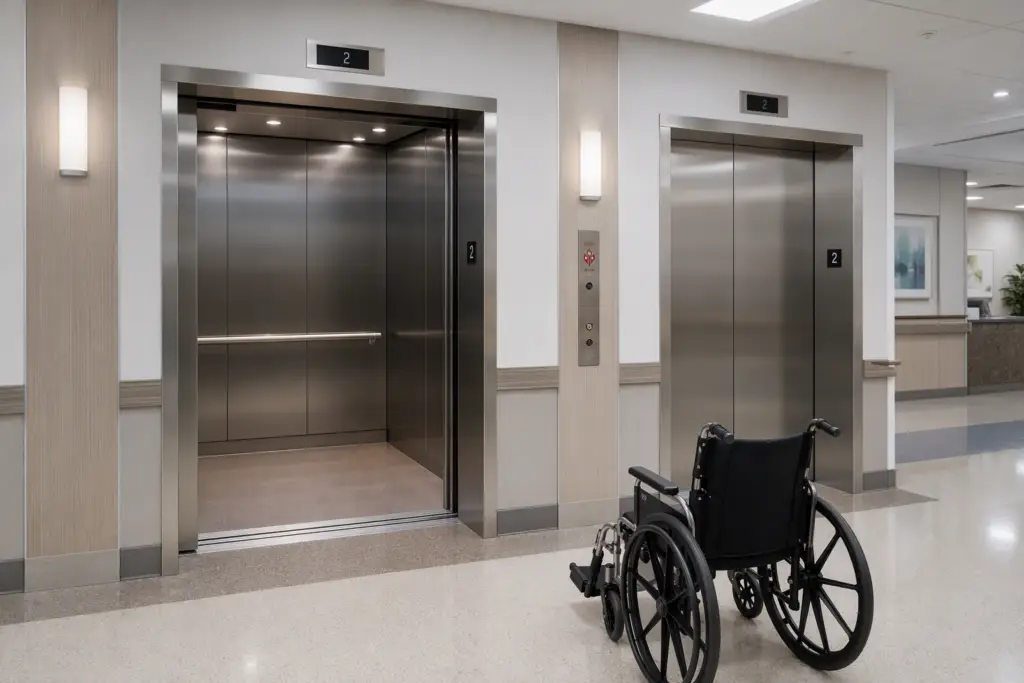
The Americans with Disabilities Act (ADA) also applies to public accommodations and commercial facilities. Modernization projects often trigger ADA reviews covering cab dimensions, control button heights, audible and visual signals, and Braille signage. Addressing these items during a planned modernization is significantly more cost-effective than retrofitting them later as standalone compliance projects.
Axxiom Elevator Florida works with building owners in Pompano Beach and Sarasota to identify all applicable code obligations before a modernization project is scoped, helping prevent mid-project change orders that inflate budgets.
How Does Elevator Age Affect the Decision to Modernize vs. Replace?
Elevators that are roughly 20 years old or older frequently reach a cost crossover point at which the cumulative expense of ongoing repairs and emergency service calls exceeds the projected cost of a planned modernization.
An aging elevator’s parts may also become difficult to source, extending downtime when breakdowns occur. Obsolete relay-logic control systems, for example, are no longer manufactured, and finding replacement components requires specialty vendors or refurbished parts with uncertain reliability. Upgrading to a modern solid-state or microprocessor control system eliminates this sourcing risk while also improving energy efficiency and ride quality.
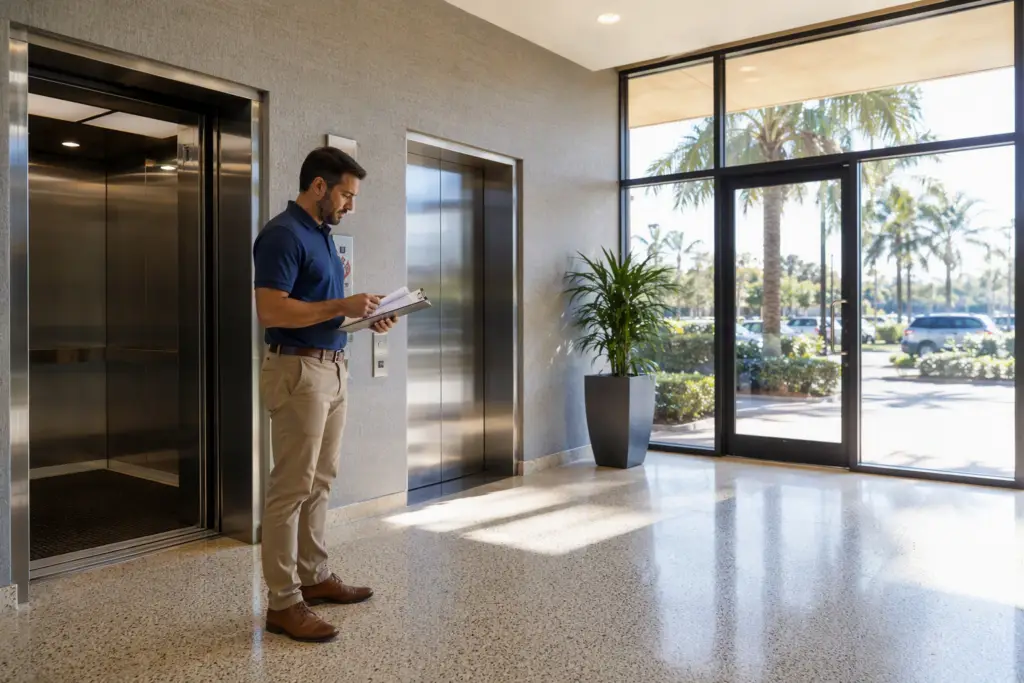
A structured modernization assessment — reviewing maintenance history, parts expenditure trends, and current code compliance gaps — provides building owners with the data needed to make a defensible capital planning decision. Axxiom Elevator Florida offers these assessments for properties throughout Pompano Beach and Sarasota.
What Is the Elevator Modernization Process Step by Step?
Elevator modernization follows a defined sequence from initial assessment through final state inspection and return to service.
- Conduct a site assessment: A licensed elevator contractor evaluates the existing equipment, reviews maintenance records, identifies code deficiencies, and documents the physical condition of all major components.
- Define the scope of work: Based on the assessment, the contractor presents options ranging from targeted component replacement to full modernization, with cost estimates for each scenario.
- Engineering and specification: For complex projects, a licensed engineer may prepare specifications and drawings required by the permitting authority.
- Apply for a modernization permit: The contractor submits permit applications to Florida’s Bureau of Elevator Safety and the local authority having jurisdiction (AHJ). Work cannot begin until the permit is approved.
- Order equipment and materials: Lead times for major components — controllers, drive units, door operators — can range from several weeks to several months, so early ordering is critical to managing project timelines.
- Shut down and protect the elevator: The unit is taken out of service, the hoistway is secured, and appropriate signage is posted per OSHA lockout/tagout requirements.
- Perform the modernization work: Technicians remove old components and install new systems in accordance with the approved permit drawings and ASME A17.1 requirements.
- Conduct in-process quality checks: Wiring, mechanical alignments, safety device settings, and control programming are verified before the elevator is energized.
- Request state inspection: The contractor contacts Florida’s Bureau of Elevator Safety to schedule a final inspection by a state-licensed inspector.
- Obtain final approval and return to service: After the inspector issues a certificate of operation, the elevator is cleared for public use and the owner receives updated documentation.
How Long Does Elevator Modernization Take in Florida?
Timeline varies widely: a targeted control system upgrade may take two to three weeks from permit approval to final inspection, while a full traction elevator modernization can run three to five months or longer when equipment lead times and state inspection scheduling are factored in.
Florida building owners should plan for elevator downtime during the construction phase and, where the building has a single elevator, coordinate temporary access accommodations for occupants with disabilities in compliance with ADA obligations. Communicating expected timelines clearly to tenants well in advance reduces service complaints and potential liability.
Supply chain conditions in 2026 continue to affect lead times for certain elevator components, particularly solid-state drives and microprocessor controllers from some manufacturers. Working with a contractor who has established supplier relationships helps minimize delays.
What Are the Most Common Elevator Modernization Components?
The most frequently modernized components are the control system, door operators and entrances, the drive and motor unit, cab interior finishes, lighting, safety devices, and communication systems.
Control system modernization is often the single highest-impact upgrade, replacing obsolete relay logic or early microprocessor controllers with current solid-state systems that offer diagnostic capabilities, energy management, and compatibility with building automation systems. Door operator replacement reduces door-related service calls, which are among the most common causes of elevator downtime. Drive system upgrades on traction elevators — particularly replacement of DC drives with variable-voltage variable-frequency (VVVF) drives — typically yield improvements in energy consumption and ride smoothness.
Cab interior renovation, while primarily aesthetic, contributes to tenant satisfaction and property value, and often includes lighting upgrades that reduce energy consumption compared to older fluorescent or incandescent fixtures.
Are There Energy Efficiency Benefits to Elevator Modernization That Offset Costs?
Yes — particularly in traction elevator applications, replacing older drive systems with modern variable-frequency drives and regenerative technology can meaningfully reduce the elevator’s contribution to a building’s overall energy consumption.
Regenerative drive systems capture energy generated during the descent of a loaded car or ascent of an empty car and return it to the building’s electrical grid, offsetting consumption from other building systems. This benefit is most significant in higher-traffic buildings with multiple daily trips. Building owners pursuing LEED certification or energy benchmarking compliance may find that elevator modernization supports their broader sustainability goals, though Axxiom Elevator Florida recommends consulting an energy engineer to model site-specific savings before making purchasing decisions based on projected returns.
Does Elevator Modernization Require ADA Upgrades in Florida?
Modernization projects that involve alterations to elevator elements covered by the ADA typically trigger a requirement to bring those elements into compliance with current ADA Standards for Accessible Design.
Common ADA items triggered during modernization include call button height and size, floor designation markings, audible and visual floor indicators, cab dimensions, and two-way emergency communication. The ADA’s path-of-travel requirements may also require upgrades to areas outside the elevator cab itself, depending on the nature and cost of the modernization work. Building owners and property managers should consult with their contractor and legal counsel to understand the scope of ADA obligations specific to their project before finalizing the modernization scope.
How Are Elevator Modernization Projects Permitted in Florida?
Florida requires that elevator modernization work be performed under a permit issued by the Bureau of Elevator Safety, Division of Hotels and Restaurants, Florida Department of Business and Professional Regulation, and that the work be performed by licensed elevator contractors using registered companies.
The permit application includes project drawings, specifications, and equipment data sheets sufficient for plan review. Some jurisdictions also require local building department permits in addition to the state elevator permit. After construction, the state dispatches a licensed elevator inspector to witness a final acceptance test conducted in accordance with ASME A17.1. Only after the inspector approves the work and issues a new certificate of operation may the elevator be returned to public service.
Operating an elevator without a valid certificate of operation in Florida is a violation that can result in fines and mandatory shutdown. Building owners who are uncertain whether their current certificate covers a recently completed modernization should verify status with the Bureau of Elevator Safety.
What Questions Should Florida Building Owners Ask Before Hiring a Modernization Contractor?
Building owners should verify licensure, request a detailed written scope of work, ask about equipment lead times, understand the payment schedule, and confirm that the contractor will manage the full permit and inspection process.
Specific questions worth asking any prospective contractor include:
- Is your company licensed as an elevator contractor in the state of Florida, and can you provide your license number?
- Which edition of ASME A17.1 will govern this project, and what code compliance items are included in the scope?
- Who manufactures the major components, and what is the current lead time?
- Who will pull the permit and schedule the state inspection?
- What is the projected downtime, and how will change orders be handled if unforeseen conditions are discovered?
- What warranty coverage applies to equipment and labor?
Getting detailed, written answers to these questions before signing a contract protects building owners from scope disputes and budget surprises.
How Do Hydraulic and Traction Elevator Modernization Costs Compare in Florida?
Hydraulic elevator modernization generally costs less than traction elevator modernization because the mechanical systems are less complex, but hydraulic projects may include tank and fluid system upgrades that have no equivalent in traction applications.
Florida’s warm climate means hydraulic fluid viscosity management is a consideration, and older hydraulic units with single-bottom cylinders may face additional requirements related to underground tank integrity and environmental protection. Replacing or lining an underground hydraulic cylinder can add significant cost to a hydraulic modernization project that a building owner might not anticipate from an initial quote that covers only the above-ground equipment.
Traction elevator modernization, while more expensive at the outset, often includes drive system upgrades that improve long-term energy efficiency and reduce the frequency of service calls attributable to aging mechanical components.
What Happens If an Elevator Fails a State Inspection After Modernization?
If the Florida Bureau of Elevator Safety inspector identifies deficiencies during the final acceptance test, the elevator remains out of service until the contractor corrects the noted items and the inspector re-examines the work.
Common reasons for failed inspections include wiring discrepancies from approved drawings, safety device adjustments outside allowable tolerances under ASME A17.1, and incomplete documentation. A re-inspection may involve scheduling delays depending on inspector availability in the local region. Minimizing this risk requires working with a contractor who has strong familiarity with current code requirements and Florida’s inspection process — both of which are areas of focus for Axxiom Elevator Florida in its Pompano Beach and Sarasota service areas.
Can Building Owners Finance Elevator Modernization Projects?
Yes — elevator modernization can be financed through several mechanisms including commercial equipment financing, condominium or HOA reserve funds, SBA loans for eligible small businesses, and in some cases utility rebate programs tied to energy-efficient components.
Condominium associations and HOAs in Florida are required under state law to maintain reserve studies that include elevator systems as a major component. Buildings with adequately funded elevator reserves can typically fund modernization without special assessments. Buildings with underfunded reserves may need to consider special assessment levies or financing arrangements. Commercial property owners may be able to structure modernization costs as capital expenditures eligible for accelerated depreciation under applicable IRS provisions — a question best directed to a qualified tax professional.
How Should Property Managers Communicate Elevator Modernization Downtime to Tenants?
Effective tenant communication for elevator modernization projects includes early written notice, clear disclosure of the expected downtime period, identification of alternative access routes, and ADA accommodation information for tenants or visitors with mobility limitations.
Best practice is to notify tenants at least 30 days before work begins, with a follow-up reminder one week prior to shutdown. Posting clear signage at elevator lobbies and stairwells, providing a point of contact for questions, and sending progress updates during extended projects all reduce friction and demonstrate professional management. For buildings where the elevator is the only accessible means of vertical travel, the property manager should develop an individual accommodation plan in advance in accordance with ADA obligations.
What Is the Difference Between Partial and Full Elevator Modernization?
Partial modernization replaces one or more specific systems — most commonly the controls, doors, or cab — while retaining other original components, whereas full modernization replaces essentially all major mechanical, electrical, and interior systems to bring the elevator to current code and performance standards.
Partial modernization is appropriate when specific systems have failed or are nearing end of life while other components remain serviceable. The cost is lower in the short term, but if other systems require replacement within a few years, the total spend may exceed what a comprehensive project would have cost, and the disruption of multiple downtime events compounds operational inconvenience. Full modernization, while more expensive upfront, typically results in a predictable, extended service life with lower near-term maintenance costs.
How Often Should Elevators Be Inspected in Florida After Modernization?
Florida law requires periodic inspections of elevators at intervals established by the Bureau of Elevator Safety, and post-modernization elevators are subject to the same ongoing inspection schedule as newly installed units following issuance of the certificate of operation.
The ASME A17.1 Safety Code for Elevators and Escalators establishes inspection and test requirements that Florida’s Bureau of Elevator Safety enforces. Building owners are responsible for ensuring their elevators are inspected on schedule and that current, valid certificates of operation are posted in the elevator cab as required by state law. A maintenance agreement with a licensed elevator contractor typically includes coordination of required inspections as part of the service scope.
What Are the Risks of Delaying Elevator Modernization in Florida?
Delaying modernization on aging elevator equipment increases the risk of unexpected breakdowns, code-violation citations during routine inspections, passenger safety incidents, and emergency repair costs that may far exceed the cost of planned modernization work.
From a liability standpoint, property owners and managers who have documented evidence of equipment deterioration but have not acted on it face heightened exposure in the event of an incident. Florida’s elevator safety regulations are enforced by state inspectors who have authority to issue stop-use orders for equipment that presents an imminent hazard. An unexpected shutdown — particularly in a building served by a single elevator — can create ADA accommodation obligations and tenant relations challenges that add indirect costs beyond the repair expense itself.
From a financial planning perspective, emergency repairs are almost always more expensive per incident than planned modernization, because emergency work often involves premium labor rates, expedited parts shipping, and incomplete scope that requires follow-up work.
How Does Axxiom Elevator Florida Approach Modernization Projects?
Axxiom Elevator Florida provides licensed elevator modernization services to building owners and property managers in Pompano Beach and Sarasota, managing the full project lifecycle from initial assessment and permit application through final state inspection and return to service.
The company focuses on helping clients understand their full compliance picture before committing to a modernization scope, so that the final project addresses all ASME A17.1 and ADA obligations without mid-project surprises. Axxiom Elevator Florida’s familiarity with Florida’s Bureau of Elevator Safety processes and local inspection practices in both Pompano Beach and Sarasota markets means clients benefit from streamlined permitting and inspection coordination.
Building owners who are evaluating whether modernization, repair, or replacement is the right capital decision for their specific elevator are encouraged to request a professional assessment before committing to any scope of work.
What Should Be Included in an Elevator Modernization Proposal?
A complete elevator modernization proposal should itemize all equipment to be replaced, identify the manufacturer and model of major components, specify the applicable ASME A17.1 edition for compliance, detail the permit and inspection process, establish a payment schedule tied to project milestones, and state the warranty terms for both equipment and labor.
Proposals that describe scope in vague terms — such as “upgrade controls” without specifying the manufacturer, model, and features of the replacement controller — leave building owners unable to make meaningful comparisons between competing bids. Requiring itemized, specification-level proposals from all bidding contractors ensures that price comparisons are apples-to-apples and that the winning contractor is held to a defined deliverable. Building owners should also confirm that the proposal includes all permit fees, state inspection fees, and applicable sales tax so that the quoted price reflects the true total project cost.
Ready to Get an Accurate Modernization Cost for Your Florida Elevator?
Elevator modernization is a significant capital investment, and the right starting point is a professional assessment of your specific equipment, compliance gaps, and building needs. Contact Axxiom Elevator Florida for a free elevator assessment serving Pompano Beach and Sarasota. A licensed team member will evaluate your current equipment, identify code compliance requirements under ASME A17.1 and ADA, and provide a detailed scope and cost estimate — with no obligation.
Call Axxiom Elevator Florida today:
Don’t wait for a breakdown or a citation to address aging elevator equipment. Planned modernization protects your building, your tenants, and your investment.