How Long Does a Full Elevator Modernization Actually Take?
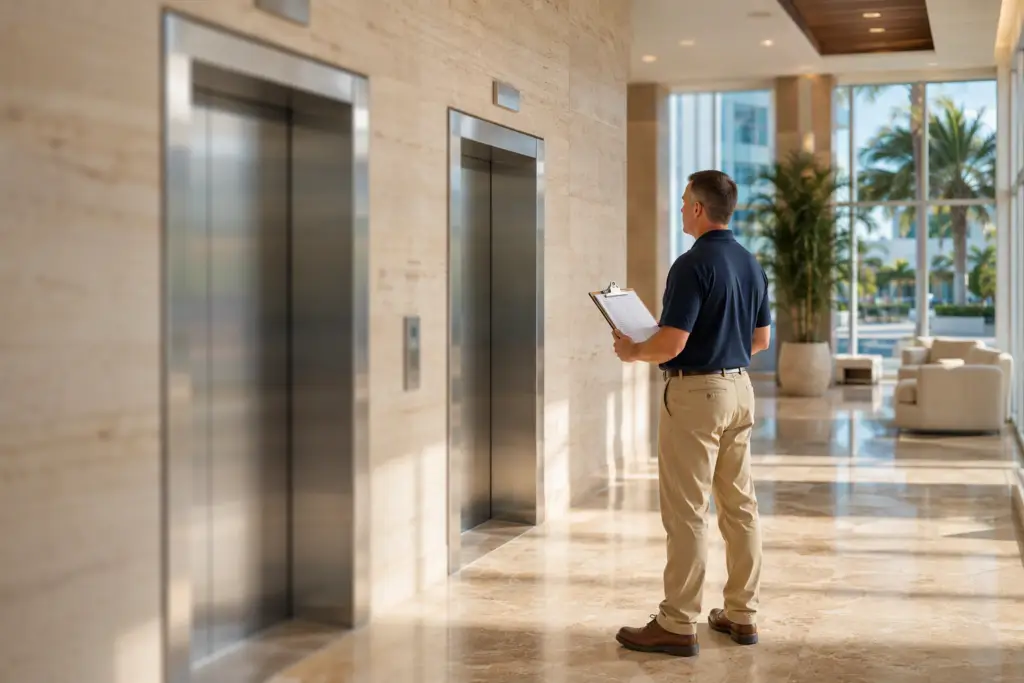
Most full elevator modernizations are completed in two to twelve weeks, though the exact timeline depends on the scope of the project, equipment age, building type, and lead times for components.
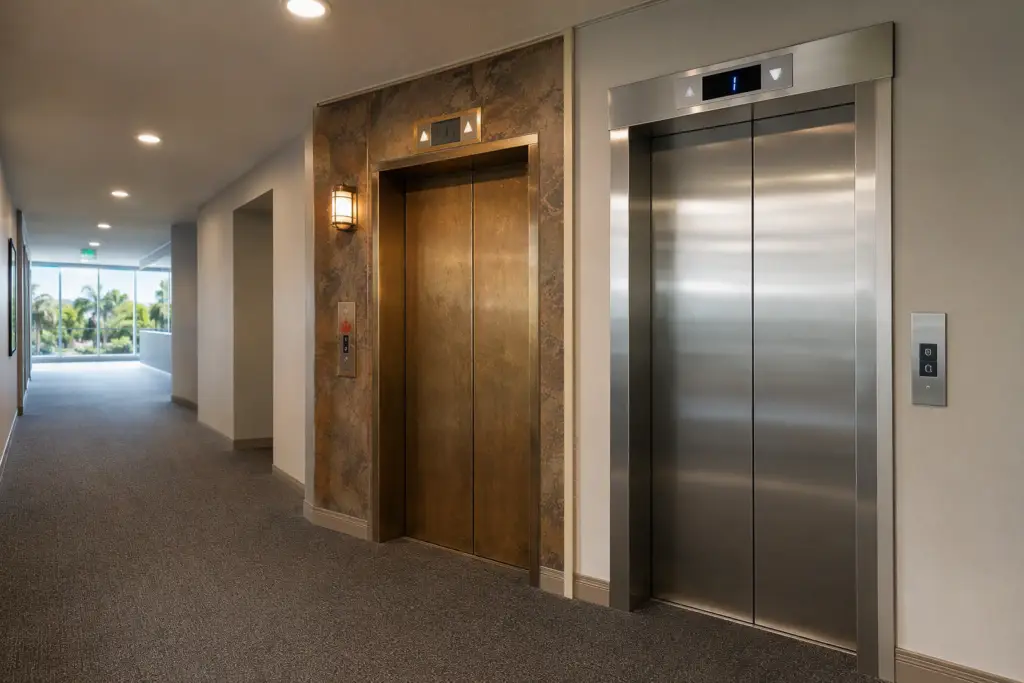
A modernization that replaces only the control system and door operators on a relatively modern hydraulic elevator may be completed in as little as two to three weeks. A full gut renovation of an aging traction elevator — including new machinery, controller, cab interior, door systems, and code-compliance upgrades — can run eight to twelve weeks or longer when custom parts or special-order equipment is involved. Buildings with multiple elevators in a single bank tend to take longer overall because each car must be taken out of service sequentially to preserve some level of elevator access for occupants.
The single largest variable beyond physical labor is parts procurement. Elevator components are often manufactured to order, and supply chain delays can extend lead times significantly. A thorough project assessment conducted before work begins — like the consultations offered by Axxiom Elevator Florida — is the most reliable way to establish an accurate schedule upfront.
What Does “Full Elevator Modernization” Actually Include?
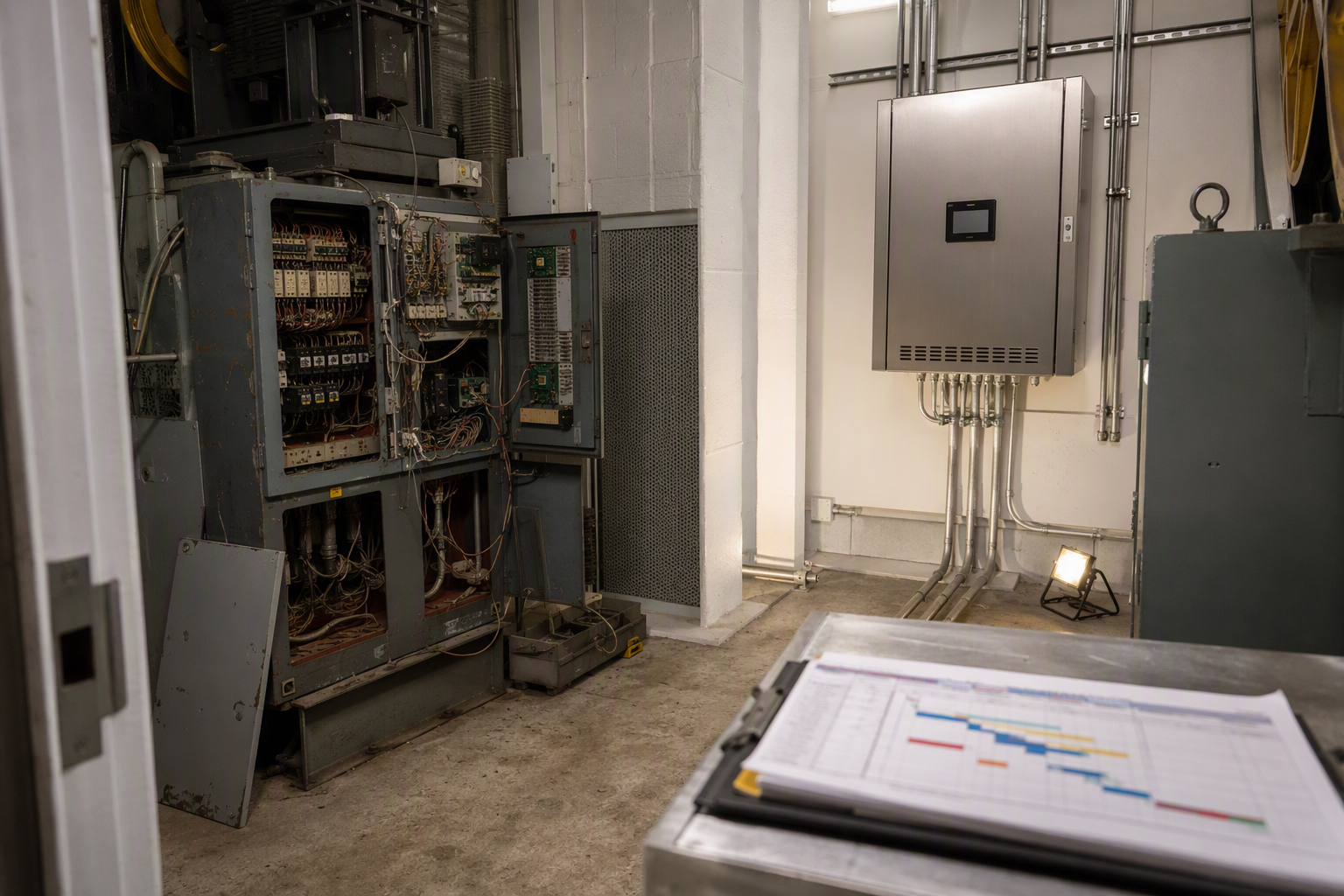
A full modernization replaces most or all of the elevator’s mechanical, electrical, and control systems while retaining the existing hoistway structure and, in many cases, the cab shell.
Typical components addressed in a comprehensive modernization include:
- Motor and machine (traction) or hydraulic power unit and jack (hydraulic)
- Controller and relay logic, often upgraded to a modern solid-state or microprocessor-based system
- Door operators, hanger assemblies, and interlocks
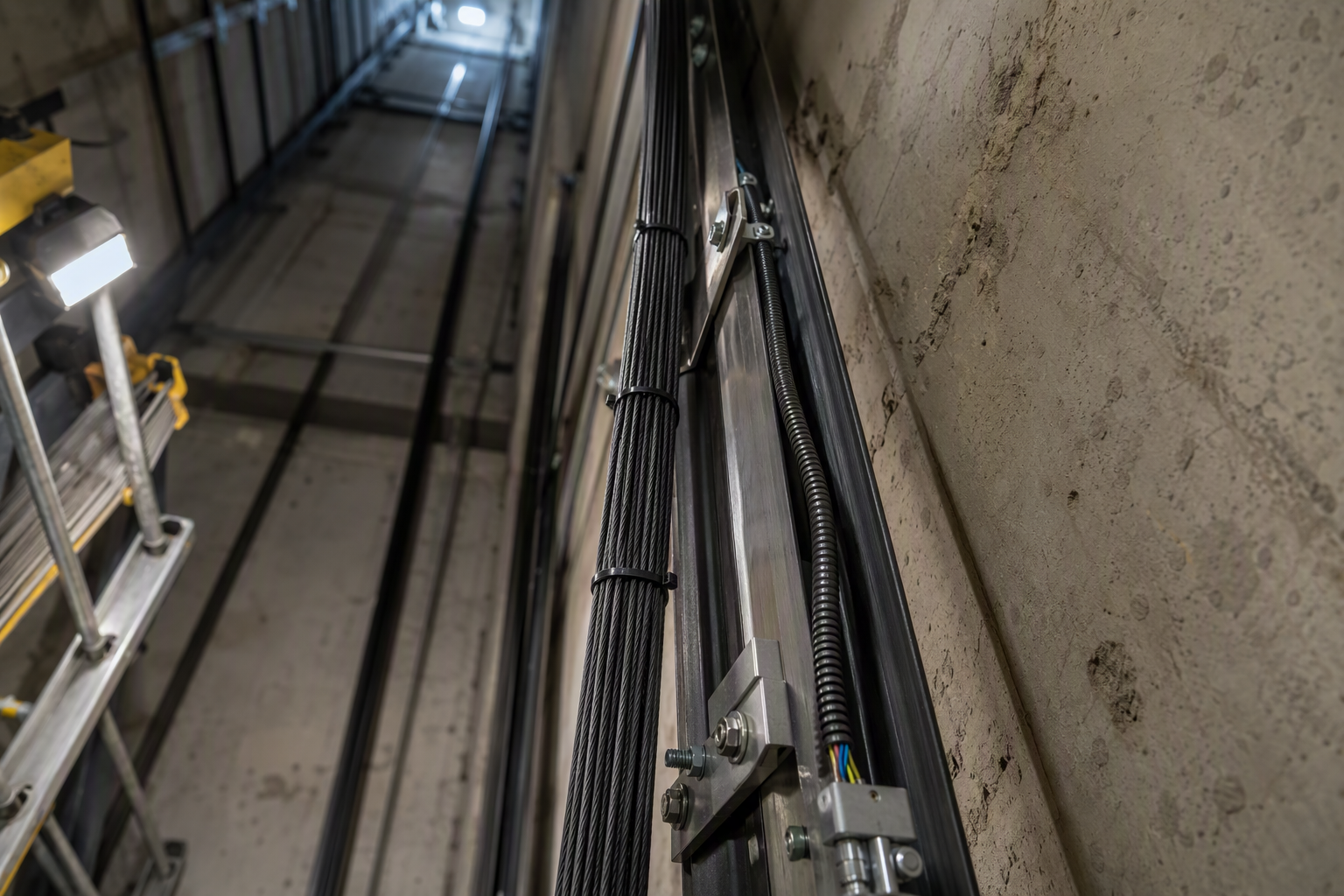
- Traveling cable and wiring harness
- Safeties, governors, and buffers
- Cab interior finishes, lighting, and signage
- Hall fixtures, call buttons, and position indicators
- Accessibility features required under the Americans with Disabilities Act (ADA)
A partial modernization addresses only specific subsystems — for example, replacing the controller while retaining the original machine. Understanding which approach is appropriate requires a detailed audit of the existing equipment against current code requirements under the ASME A17.1 Safety Code for Elevators and Escalators.
Will My Building Be Completely Without an Elevator During Modernization?
Whether a building loses all elevator access depends on how many elevators it has, how the project is phased, and whether the contractor is willing to schedule work during off-hours or weekends.
Single-elevator buildings will experience a complete loss of elevator service for at least some portion of the project — often the majority of it. This is an important consideration for buildings with elderly residents, patients, or individuals with mobility limitations who depend on elevator access daily. In these situations, building management should communicate timelines clearly and, where possible, arrange temporary accommodation.
Multi-elevator buildings have more flexibility. A skilled modernization contractor will stagger the work so that at least one elevator remains operational at all times. This requires careful sequencing, and the overall project timeline may be extended to accommodate it, but continuous partial service is generally achievable.
Axxiom Elevator Florida works with building managers in Pompano Beach and Sarasota to develop project schedules that account for occupant needs, including phased shutdowns and after-hours work windows where applicable.
What Are the Key Phases of an Elevator Modernization Project?
Elevator modernization follows a structured sequence of phases that, when clearly defined, give building owners a reliable roadmap for planning occupant communications and temporary access arrangements.
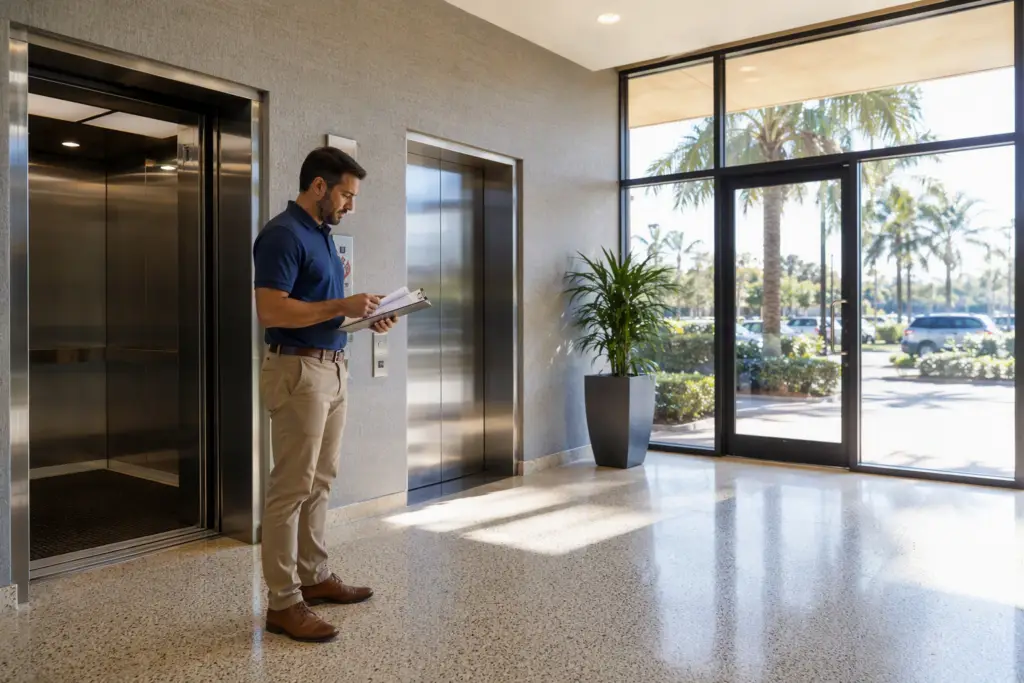
- Site Assessment and Audit: A qualified technician inspects the existing equipment, documents deficiencies, and measures the hoistway. This phase identifies code gaps under ASME A17.1 and ADA requirements and forms the basis of the project specification.
- Engineering and Permitting: Engineered drawings are prepared and submitted to the local authority having jurisdiction (AHJ) for plan review. In Florida, this step must be completed before any physical work begins. Lead times for permit approval vary by municipality.
- Parts Procurement: Once permits are approved, equipment is ordered. Custom or long-lead components — such as specialty controllers, traction machines, or hydraulic jacks — may require several weeks of lead time.
- Demolition and Removal: Existing equipment is removed from the hoistway, machine room, and pit. This phase is typically the shortest but requires the elevator to be completely out of service.
- Installation: New equipment is installed per the engineered drawings and manufacturer specifications. This is the longest active phase of the project and where most of the downtime occurs.
- Wiring and Integration: Electrical systems, traveling cables, safety circuits, and communication systems are connected and integrated with the new controller.
- Testing and Adjustment: The system is tested under load and no-load conditions. Safety devices including governors, safeties, and buffers are tested per ASME A17.1 requirements.
- Final Inspection: A state-licensed inspector from the Florida Department of Business and Professional Regulation (DBPR) or the applicable AHJ conducts a mandatory inspection before the elevator is returned to service.
- Certificate of Operation: Upon passing inspection, the elevator receives an updated certificate permitting public use.
How Does Building Type Affect the Modernization Timeline?
Residential condominiums, commercial office towers, healthcare facilities, and hospitality buildings each carry different scheduling constraints and downtime tolerances that directly influence how a modernization project is planned and executed.
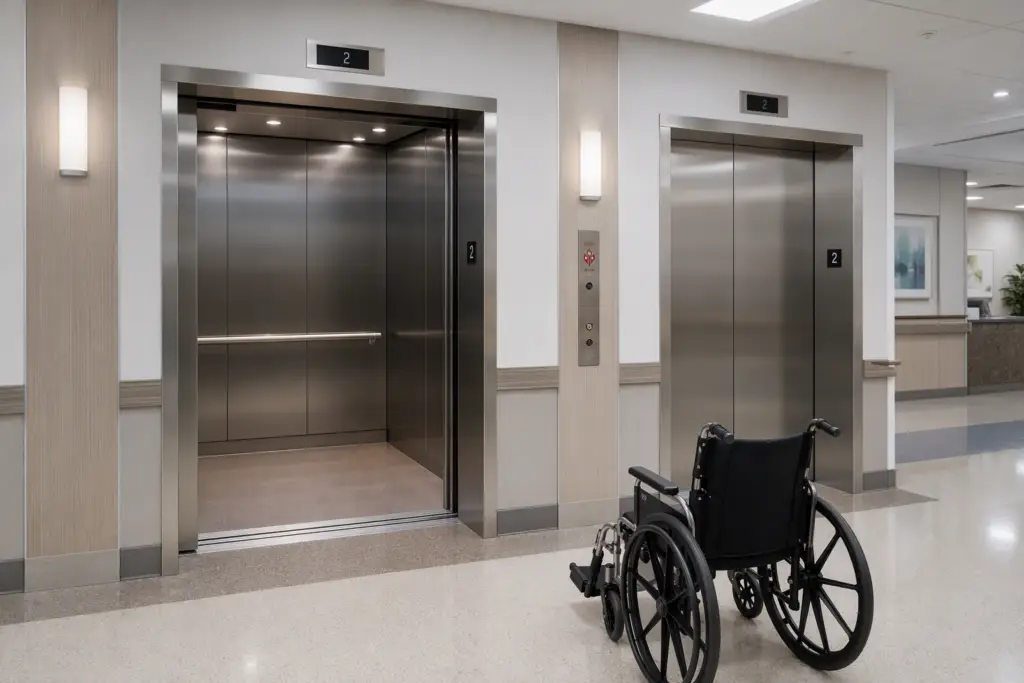
Healthcare facilities and senior living communities face the most critical downtime concerns because residents may be physically unable to use stairs. In these buildings, phased modernization with at least one fully operational elevator is typically non-negotiable, and work windows are often restricted to overnight hours. Hotels and hospitality properties may similarly restrict daytime outages during peak occupancy periods.
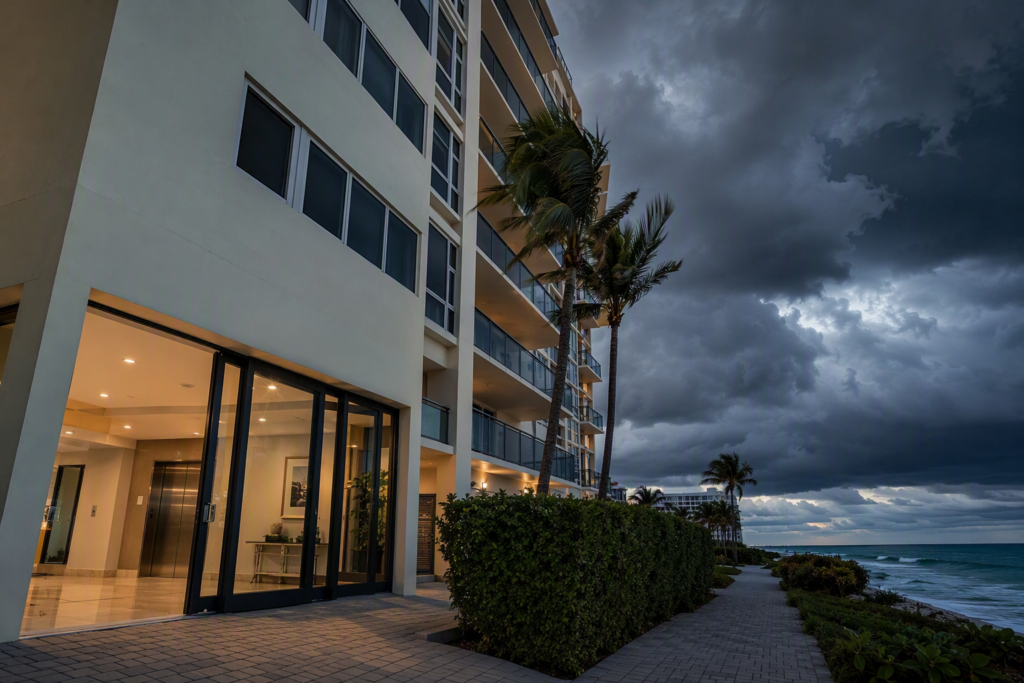
Commercial office buildings often have more flexibility, since work can be scheduled during evening and weekend hours when occupancy is low. Residential condominiums in South Florida and on the Gulf Coast, including buildings served by Axxiom Elevator Florida in Pompano Beach and Sarasota, frequently house year-round residents and require careful communication strategies to manage the impact of downtime.
What Factors Can Delay an Elevator Modernization Project?
Several factors routinely extend modernization timelines beyond initial estimates, and understanding them in advance helps building owners build appropriate contingency time into their planning.
- Permit delays: Florida building departments vary significantly in plan review turnaround times. Some jurisdictions process elevator permits in days; others may take several weeks.
- Parts availability: Supply chain disruptions, overseas manufacturing delays, or discontinued components can extend procurement lead times substantially.
- Unforeseen field conditions: Once demolition begins, inspectors or technicians may discover deteriorated hoistway structure, asbestos-containing materials requiring abatement, or non-compliant electrical infrastructure not visible during the initial audit.
- Change orders: Additional scope identified during installation — such as replacing deteriorated guide rails or upgrading pit lighting to meet current OSHA standards under OSHA regulations — adds time and cost.
- Inspection scheduling: Final inspections must be scheduled with the AHJ or DBPR, and inspector availability can introduce a lag of days to weeks at the end of the project.
How Does Elevator Modernization Timeline Compare to New Installation?
Modernization is generally faster than a new elevator installation because the hoistway structure already exists, but it is not always the simpler project.
| Project Type | Typical Timeline | Hoistway Work Required | Permit Complexity | Primary Driver of Delay |
|---|---|---|---|---|
| Partial Modernization (controls only) | 2–4 weeks | Minimal | Moderate | Parts lead time |
| Full Modernization (traction elevator) | 6–12 weeks | Moderate | High | Parts lead time, field conditions |
| Full Modernization (hydraulic elevator) | 4–8 weeks | Moderate (jack replacement adds time) | High | Underground jack access, environmental compliance |
| New Elevator Installation (existing hoistway) | 8–14 weeks | Significant | Very High | Structural modifications, permitting |
| New Elevator Installation (new hoistway) | 4–12 months | Extensive (new construction) | Very High | Construction schedule, structural work |
Note: Timelines above are general industry benchmarks based on typical project scopes and are not guarantees. Actual project duration depends on site-specific conditions, permitting jurisdictions, and equipment lead times.
What Code Requirements Must a Modernization Meet in Florida?
In Florida, elevator modernizations must comply with the edition of the ASME A17.1 Safety Code for Elevators and Escalators adopted by the state, along with applicable ADA accessibility standards and any local amendments adopted by the authority having jurisdiction.
Florida regulates elevator construction, installation, and alteration under Chapter 399 of the Florida Statutes, administered by the Department of Business and Professional Regulation. Any modernization constitutes an “alteration” under ASME A17.1, which triggers a mandatory engineering review, permit issuance, and final inspection before the elevator may return to passenger service. Work must be performed by or under the direct supervision of a Florida-licensed elevator contractor.
ADA compliance is particularly important in modernization projects. When a building undergoes an elevator alteration, accessibility features including cab dimensions, control button heights, audible signals, and Braille signage must be brought into conformance to the extent technically feasible, as required under the ADA Standards for Accessible Design.
Should a Building Replace or Modernize Its Elevator?
The decision to modernize versus replace depends on the age and condition of the equipment, the structural integrity of the hoistway, the availability of replacement parts, and long-term cost considerations.
Elevators that have reached the end of their useful service life — typically measured in decades for major components — often benefit most from full modernization rather than continued piecemeal repairs. When the cost of ongoing maintenance and parts replacement begins to approach the cost of modernization, modernization generally delivers a better long-term return because it resets the maintenance cycle, improves reliability, and brings the unit into current code compliance.
Full replacement (new elevator in an existing hoistway) is typically warranted only when the hoistway itself requires structural modification, when the existing elevator type is being changed (for example, converting from hydraulic to traction), or when the machine room configuration cannot accommodate modern equipment without major structural work.
How Should Building Management Communicate Elevator Downtime to Residents or Tenants?
Proactive, detailed communication before and during a modernization project is essential to managing occupant expectations and reducing complaints.
- Notify all occupants in writing at least 30 days before the project start date, including the planned start and end dates and a clear explanation of which floors or elevator banks will be affected.
- Post physical notices in all lobbies, near elevator call buttons, and on each floor’s elevator landing area at least two weeks before work begins.
- Provide weekly project status updates throughout the modernization, noting any schedule changes as soon as they are known.
- Identify residents or tenants with documented mobility limitations and develop individual accommodation plans where needed.
- Designate a single point of contact — a building manager or property management representative — who can answer questions and escalate urgent concerns to the contractor.
- Post emergency stairwell access information and ensure that stairwells are clean, well-lit, and fully accessible for the duration of the project.
How Does Hydraulic Elevator Modernization Differ From Traction Elevator Modernization?
Hydraulic and traction elevators require different modernization approaches due to fundamental differences in their drive systems, and the environmental considerations for hydraulic systems add a layer of complexity not present in traction modernizations.
Hydraulic elevator modernizations often involve replacing the hydraulic power unit, control valve, and in some cases the jack assembly itself. Older single-bottom hydraulic jacks are a particular concern because they may be installed directly in the ground without a containment system, creating a risk of hydraulic fluid leakage into soil or groundwater. Florida environmental regulations may require remediation of soil contamination discovered during jack replacement, which can add both cost and time to the project. Modern hydraulic systems use either roped-hydraulic configurations or PVC-lined cylinders to eliminate this risk.
Traction elevator modernizations focus primarily on the machine, sheaves, roping, and controller. The physical overhead or basement machine room often requires ventilation upgrades to accommodate new electronic control equipment. Machine-room-less (MRL) traction systems are an option in some modernization scenarios but typically require more extensive hoistway modification.
What Questions Should a Building Owner Ask a Modernization Contractor Before Signing a Contract?
Selecting the right modernization contractor significantly affects both the quality of the outcome and the experience of occupants during the project.
- Is the contractor licensed in Florida as an elevator contractor under Chapter 399, Florida Statutes?
- Who will pull the permits, and who is responsible for coordinating the final inspection with the DBPR or AHJ?
- What is the estimated procurement lead time for all major components, and how does that affect the project start date?
- What provisions are included in the contract for phased or after-hours work to minimize occupant downtime?
- How will change orders be handled, and what is the process for communicating unforeseen field conditions?
- What warranty is provided on parts and labor, and who services the elevator after modernization?
- Does the contractor carry appropriate general liability and workers’ compensation insurance?
Can Elevator Modernization Be Completed in Phases to Reduce Downtime?
Yes, phased modernization is a recognized strategy that allows building owners to spread out both cost and downtime, though it requires careful planning to ensure each phase results in a code-compliant and functional system at every interim stage.
A common phased approach involves modernizing the controller and door systems in a first phase — often the highest-impact changes for reliability — and deferring cab interior renovation or machine replacement to a subsequent phase. However, building owners should be aware that ASME A17.1 requires that any alterations result in a system that is fully code-compliant at the conclusion of each permitted phase. An experienced contractor can structure the scope of each phase to satisfy this requirement.
Phasing also has limitations. Some components are so interdependent that separating them into different phases is not technically feasible or cost-effective. A thorough assessment is the only reliable way to determine whether phasing is appropriate for a specific elevator system.
What Happens if Modernization Is Postponed Too Long?
Delaying a necessary modernization increases the risk of unplanned outages, code violation notices, failed inspections, and — in the most serious cases — safety incidents that could result in regulatory action or liability for building ownership.
Florida DBPR inspectors conduct periodic inspections of elevators and may issue violation notices for equipment that does not meet current code standards. Continued operation of an elevator under a violation notice can result in the elevator being placed out of service by order of the AHJ until deficiencies are corrected — effectively creating unplanned downtime that building owners have no ability to schedule or communicate in advance. Planned modernization, by contrast, allows building management to control the timing and communicate it to occupants proactively.
Does Elevator Modernization Improve Energy Efficiency?
Modern elevator equipment, particularly new controllers and drive systems, typically operates with meaningfully greater energy efficiency than older relay-logic or DC-drive systems, though the magnitude of improvement varies by system type and usage profile.
Variable-voltage, variable-frequency (VVVF) AC drive systems, which are standard in contemporary elevator modernizations, regulate motor speed and torque with precision that older systems cannot match, reducing energy consumption during acceleration and deceleration cycles. Some traction elevator applications also allow for regenerative drives that return braking energy to the building’s electrical grid. Hydraulic systems modernized with variable-speed pump motors similarly reduce energy draw compared to older fixed-speed designs that rely on throttle valves to control speed.
How Is the Final Inspection Process Handled in Florida?
Before a modernized elevator in Florida may return to passenger service, it must pass a final inspection conducted by an inspector licensed by the Florida DBPR or by an approved third-party inspection agency where authorized by the local jurisdiction.
The contractor is responsible for requesting the inspection and ensuring that all required tests — including governor, safety, and buffer tests per ASME A17.1 — are completed and documented before the inspector arrives. The inspector will review the permit drawings, verify that installed equipment matches the approved design, witness or review test results, and issue a Certificate of Operation upon a passing inspection. This certificate must be posted in or adjacent to the elevator cab as required by Florida law.
What Role Does the Building’s Insurance Provider Play in Elevator Modernization?
Building insurance carriers and risk managers have a direct interest in elevator modernization because modern equipment typically reduces the likelihood of mechanical failures, entrapments, and personal injury claims — all of which affect insurance premiums and claim history.
Building owners are advised to notify their insurance carrier before beginning a modernization project. Some carriers require documentation of completed modernization work and the final inspection certificate to properly update policy terms. In some cases, carriers may request confirmation that the modernized elevator meets current ASME A17.1 and ADA standards as a condition of continued coverage or premium adjustment.
How Should a Building Plan for Emergency Elevator Access During Modernization?
When elevator access is interrupted during modernization, building management must have a clearly documented emergency access plan in place before work begins to address fire safety, medical emergencies, and the needs of individuals with disabilities.
- Confirm with the local fire marshal that the planned elevator outage is permissible and that the building’s fire evacuation plan remains compliant during the outage period.
- Identify all residents, tenants, or regular occupants who have documented mobility limitations and develop individual emergency egress plans in coordination with local emergency services where appropriate.
- Ensure all stairwells are fully illuminated, unobstructed, and equipped with appropriate signage before the elevator is taken out of service.
- Confirm that the building’s fire alarm system remains fully functional and that any elevator recall features tied to the modernized elevator are addressed in the interim period.
- Establish a direct communication channel with the modernization contractor so that emergency restoration of partial service can be expedited if a medical or safety event occurs during the outage.
How Do Building Owners in Pompano Beach and Sarasota Choose a Reliable Elevator Modernization Contractor?
Selecting a qualified modernization contractor in South Florida and on the Gulf Coast requires verifying licensure, reviewing the contractor’s familiarity with local permit processes, and ensuring the contractor’s approach addresses both technical compliance and occupant impact.
Florida requires elevator contractors to be licensed under Chapter 399 of the Florida Statutes, and building owners should verify this licensure through the DBPR before signing any contract. Local market knowledge matters because permit processing times and AHJ requirements vary significantly between Broward County jurisdictions like Pompano Beach and Sarasota County. A contractor with established relationships with local building departments can often manage the permitting phase more efficiently.
Axxiom Elevator Florida serves building owners, property managers, and condominium associations in both Pompano Beach and Sarasota, providing elevator modernization assessments and project management tailored to the specific regulatory and logistical realities of each market.
What Maintenance Obligations Follow a Completed Elevator Modernization?
A newly modernized elevator does not eliminate the need for ongoing maintenance — it resets the maintenance baseline and, in most cases, makes the elevator significantly easier and less costly to maintain over the following years.
Florida law requires that elevators be maintained under a service contract or by qualified in-house personnel, and that they be inspected at intervals established by the DBPR. After modernization, building owners should ensure that their maintenance agreement covers the specific equipment installed — modern solid-state controllers and VVVF drives require technicians trained on current-generation equipment, not legacy relay systems. Axxiom Elevator Florida provides ongoing maintenance services for modernized elevators in the Pompano Beach and Sarasota markets, giving building owners a continuous service relationship with the team familiar with their specific installation.
Ready to Plan Your Elevator Modernization?
Every building’s situation is different. Timeline, downtime impact, code compliance gaps, and phasing options all depend on the specific equipment, occupant profile, and local permitting environment. The most reliable way to get accurate answers is to have a qualified elevator contractor assess the existing system in person.
Contact Axxiom Elevator Florida for a free elevator assessment. Serving building owners, property managers, and condominium associations in Pompano Beach, FL and Sarasota, FL, Axxiom Elevator Florida provides comprehensive modernization planning, permitting coordination, and post-modernization maintenance services.
Call today: