Elevator Service in Pompano, FL | Axxiom Elevator Florida
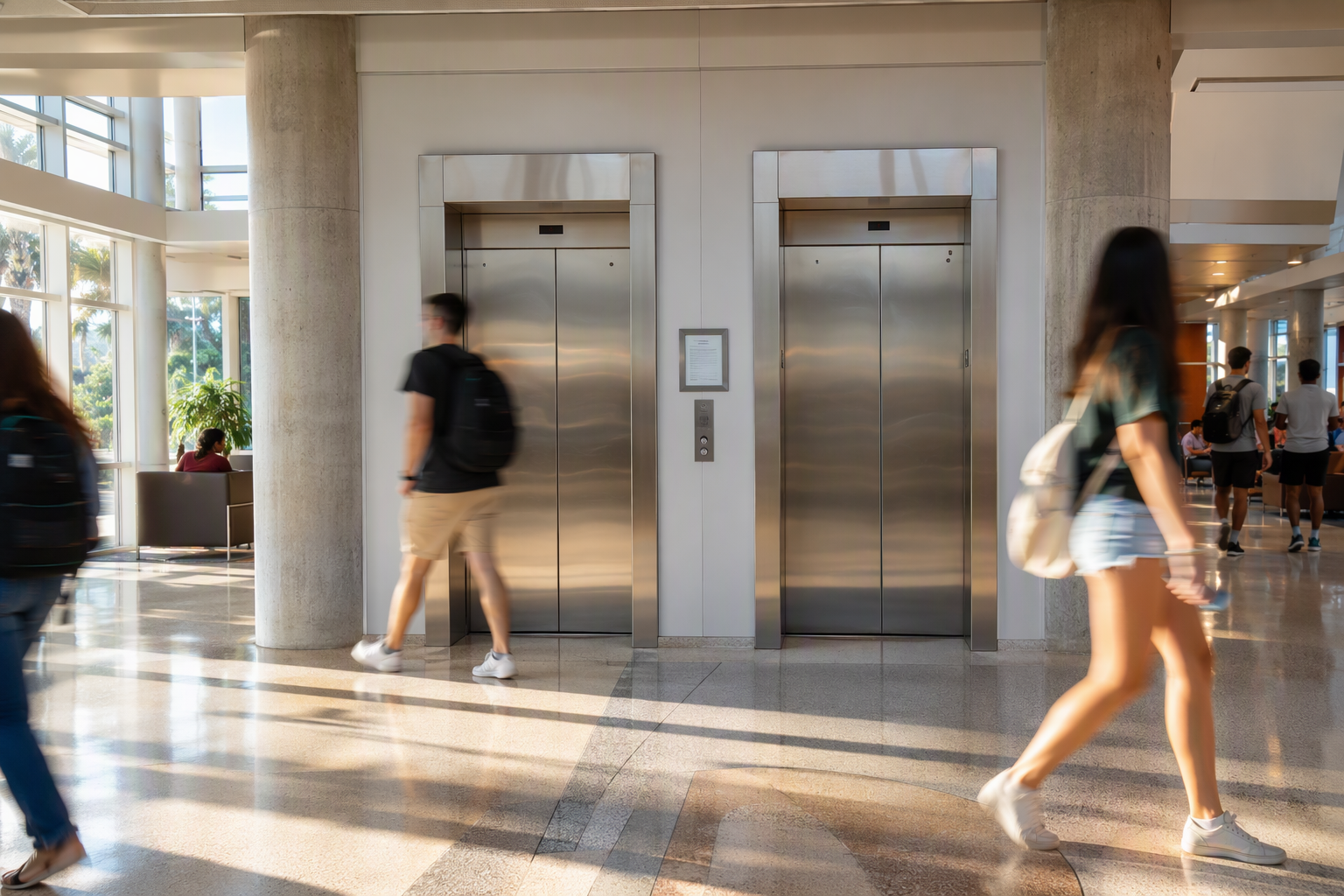
Florida schools and universities operate elevators used daily by students, faculty, staff, and visitors — including individuals with disabilities. Ensuring those elevators meet every applicable safety and accessibility standard is not optional. It is a legal obligation under Florida statute and federal law. This page explains what maintenance and inspection requirements apply to educational facilities in Florida, who bears responsibility for compliance, and how Axxiom Elevator Florida supports institutions across the state in meeting those obligations.
What Florida law governs elevator safety in schools and universities?
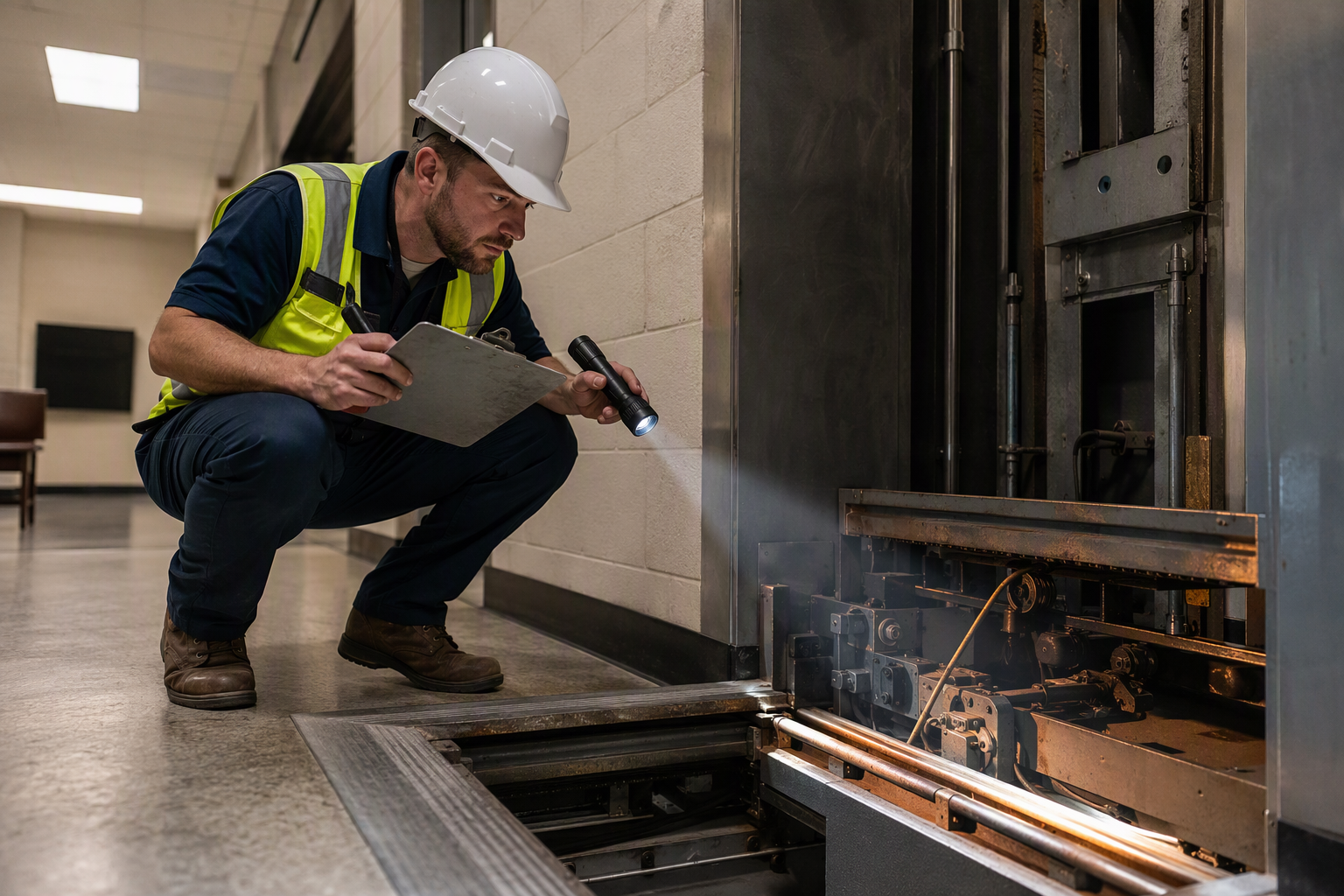
Florida has adopted its own Elevator Safety Act, administered by the Florida Department of Business and Professional Regulation (DBPR) through its Bureau of Elevator Safety. Under this framework, all elevators installed in Florida — including those in K-12 schools, community colleges, and universities — must be registered with the DBPR, inspected by a licensed elevator inspector, and maintained in conformance with the safety codes the state has adopted by reference.
Florida’s adopted codes include ASME A17.1, the Safety Code for Elevators and Escalators (for new and altered equipment) and ASME A17.3, the Safety Code for Existing Elevators and Escalators (for equipment already in service). As of 2026, these standards remain the technical foundation for all Florida elevator inspections and maintenance programs.
How often must elevators in Florida educational facilities be inspected?
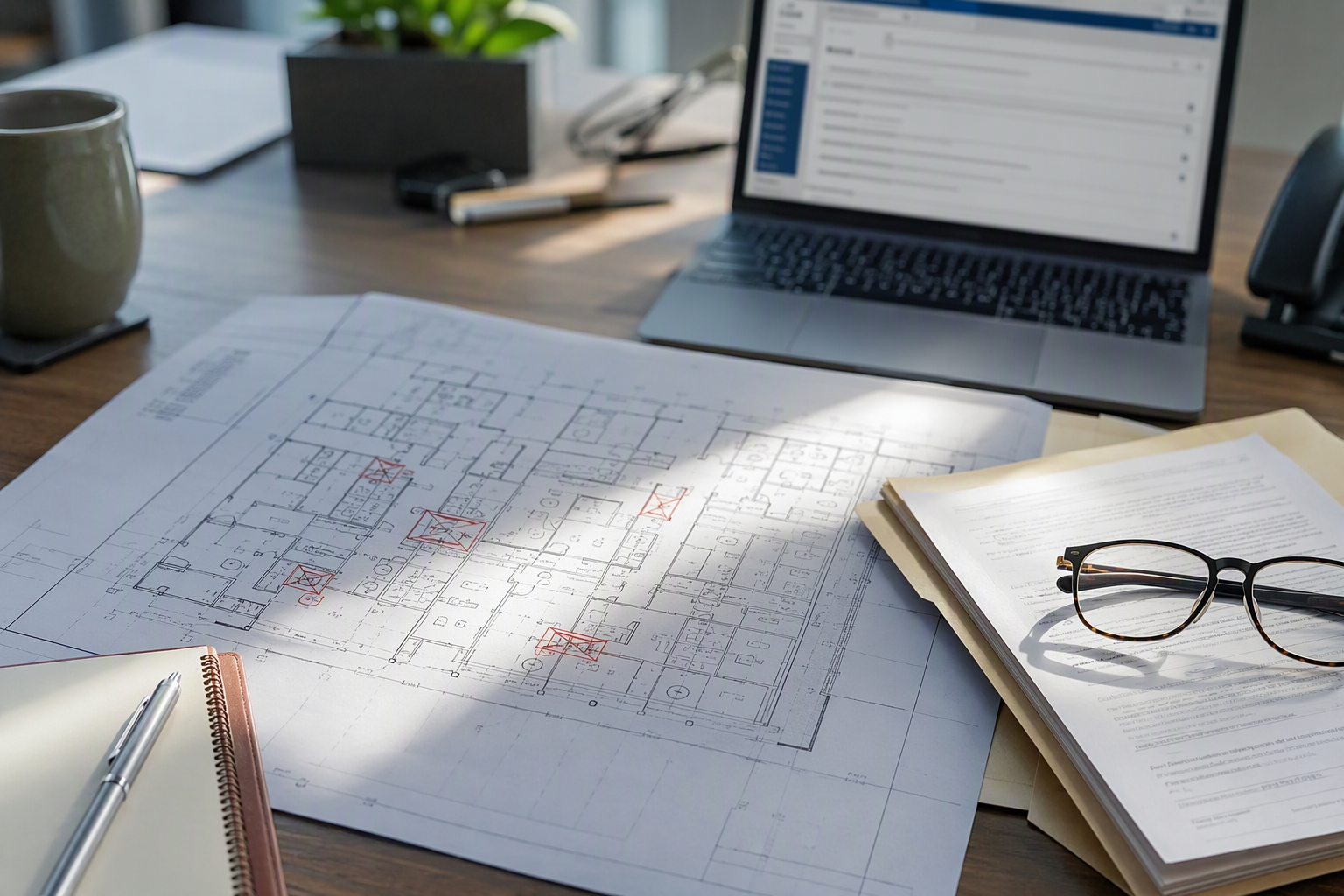
Florida requires that every elevator in service — including those in school and university buildings — undergo a periodic inspection by a licensed elevator inspector. The DBPR issues a certificate of operation upon a passing inspection, and that certificate must be renewed on a regular basis. Routine inspections typically occur annually, though the specific frequency can vary based on equipment type and any outstanding violations. Conveyances that fail inspection must be taken out of service until corrections are made and re-inspection is passed.
In addition to state-mandated periodic inspections, educational facilities should have a proactive maintenance program in place. Preventive maintenance — conducted by a certified elevator contractor — helps ensure equipment remains in compliance between formal inspections and reduces the likelihood of breakdowns that could strand students, staff, or individuals with disabilities.
Who is legally responsible for elevator compliance at a Florida school or university?
Under Florida’s Elevator Safety Act, the owner of the building is the party of record responsible for maintaining a valid certificate of operation and ensuring the elevator is kept in safe working condition. For public K-12 schools, that responsibility typically rests with the district’s facilities or operations department. For state universities and community colleges, it falls to the institution’s facilities management office. Private schools and private universities carry the same obligation as private building owners.
While the owner bears legal accountability, day-to-day maintenance responsibilities are typically delegated to a licensed elevator contractor through a maintenance service agreement. That contractor must hold the appropriate Florida elevator contractor license issued through the DBPR. Facilities managers should verify licensure before entering any service agreement.
What ADA accessibility requirements apply to school and university elevators?
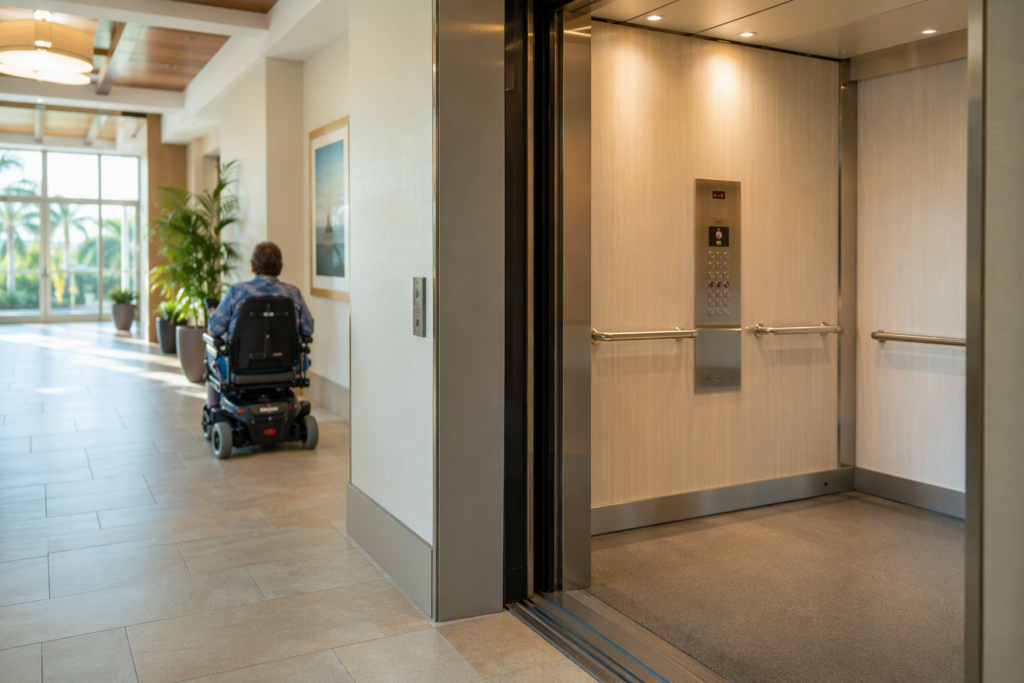
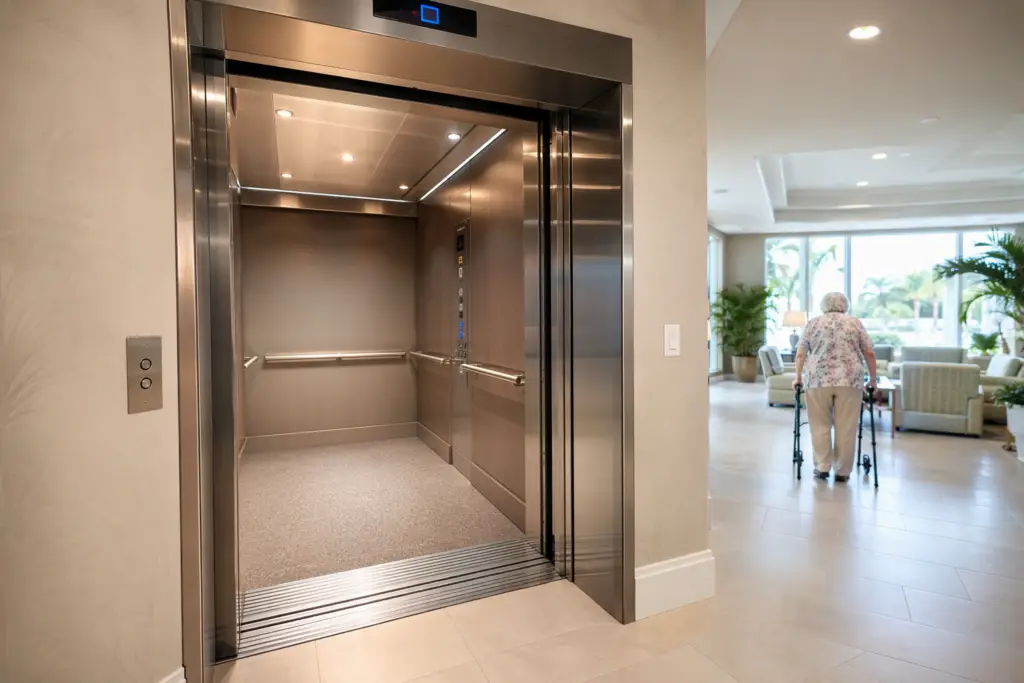
Beyond state safety codes, elevators in educational facilities must meet federal accessibility standards under the Americans with Disabilities Act (ADA). The ADA requires that elevators providing access between floors in multi-story facilities be accessible to individuals with disabilities. This includes requirements related to door width, cab dimensions, control panel height, audible and visual signals, Braille signage, and leveling accuracy.
For new construction and alterations, the ADA Standards for Accessible Design govern elevator specifications. Existing facilities that have not undergone recent renovations may still have obligations under ADA barrier removal requirements. Schools and universities conducting capital improvement projects should ensure that any elevator work — whether new installation, modernization, or repair — is evaluated for ADA compliance at the same time.
What does a proper elevator maintenance program for an educational facility look like?
A compliant, best-practice maintenance program for a school or university elevator typically includes the following steps:
- Establish a service agreement with a DBPR-licensed elevator contractor covering all conveyances on campus.
- Schedule routine preventive maintenance visits at intervals recommended by the equipment manufacturer and your licensed contractor, covering lubrication, adjustment, and component inspection.
- Maintain a maintenance log for each elevator documenting all service visits, repairs, and parts replacements — this record supports inspection compliance and liability protection.
- Respond promptly to reported issues by contacting your licensed contractor; do not allow known deficiencies to persist unaddressed.
- Coordinate annual or required DBPR inspections and ensure the inspector has access to all equipment rooms and maintenance records.
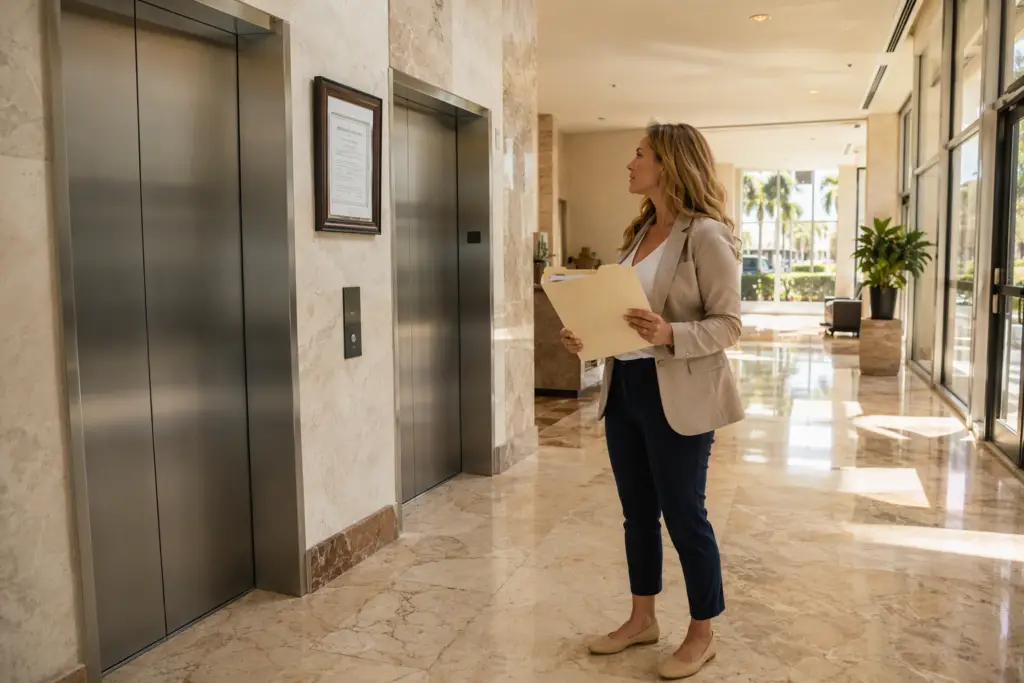
- Post the current certificate of operation inside each elevator cab as required by Florida law.
- Address any inspection violations within the timeframe specified by the DBPR inspector and obtain a new certificate before returning the elevator to service.
- Review ADA compliance during any modernization project to ensure updated equipment meets current accessibility standards.
Does OSHA apply to elevators in Florida schools and universities?
Federal OSHA standards apply to workers — including maintenance technicians and custodial staff — who work on or around elevator equipment. OSHA’s general industry standards govern lockout/tagout procedures, confined space protocols for machine rooms, and worker safety during maintenance activities. Facilities managers at schools and universities should ensure that any contractor performing elevator work complies with applicable OSHA requirements, and that their own employees are not placed at risk when coordinating elevator access.
What happens if a Florida school elevator fails inspection or goes out of compliance?
If the DBPR inspector identifies violations during a periodic inspection, the elevator may be ordered out of service immediately if the deficiencies present an imminent safety hazard. For less urgent findings, the owner is given a specified period to correct violations and schedule a re-inspection. Operating an elevator without a valid certificate of operation — or continuing to operate one after it has been ordered taken out of service — can result in enforcement action under Florida law.
For educational institutions, an out-of-service elevator can have significant operational consequences, particularly in buildings where elevator access is the only means for individuals with disabilities to reach upper floors. Proactive maintenance dramatically reduces the likelihood of unexpected shutdowns and failed inspections.
How does Axxiom Elevator Florida support schools and universities with compliance?
Axxiom Elevator Florida serves educational facilities throughout the state, providing maintenance programs, modernization services, and repair support designed around the specific compliance obligations that schools and universities face. The company’s technicians are familiar with Florida’s DBPR requirements, ASME A17.1 and A17.3 standards, and ADA accessibility expectations — bringing that knowledge to every service interaction on a campus.
Axxiom Elevator Florida understands that educational campuses often operate on academic calendars with limited windows for planned maintenance and that unplanned equipment failures disrupt the entire community. The team works with facilities managers to structure maintenance agreements that align with campus schedules and keep elevators operational and compliant year-round. Service is available for institutions across Florida, with a strong local presence in Pompano and throughout South Florida.
Schedule a Free Consultation
If your school, university, or educational campus needs a comprehensive elevator maintenance program, a compliance review, or guidance on meeting Florida DBPR and ADA requirements, Axxiom Elevator Florida is ready to help. Contact the team today to schedule a free consultation and learn how to keep your elevators safe, compliant, and reliable for every student, staff member, and visitor on campus.
Call Axxiom Elevator Florida:
Need elevator service you can rely on? Axxiom Elevator Florida is ready to help.