Elevator Modernization Cost in Florida: Complete FAQ Guide
Elevator modernization is one of the most significant capital investments a Florida building owner or property manager will make. Whether the goal is improving passenger safety, achieving ADA compliance, reducing energy consumption, or meeting updated state inspection requirements, understanding what drives cost is essential before requesting a single proposal. This comprehensive FAQ guide covers every dimension of elevator modernization pricing in Florida — from component-level decisions to full-system replacements — with the technical depth needed to evaluate contractor proposals with confidence.
What Is the General Cost Range for Elevator Modernization in Florida?
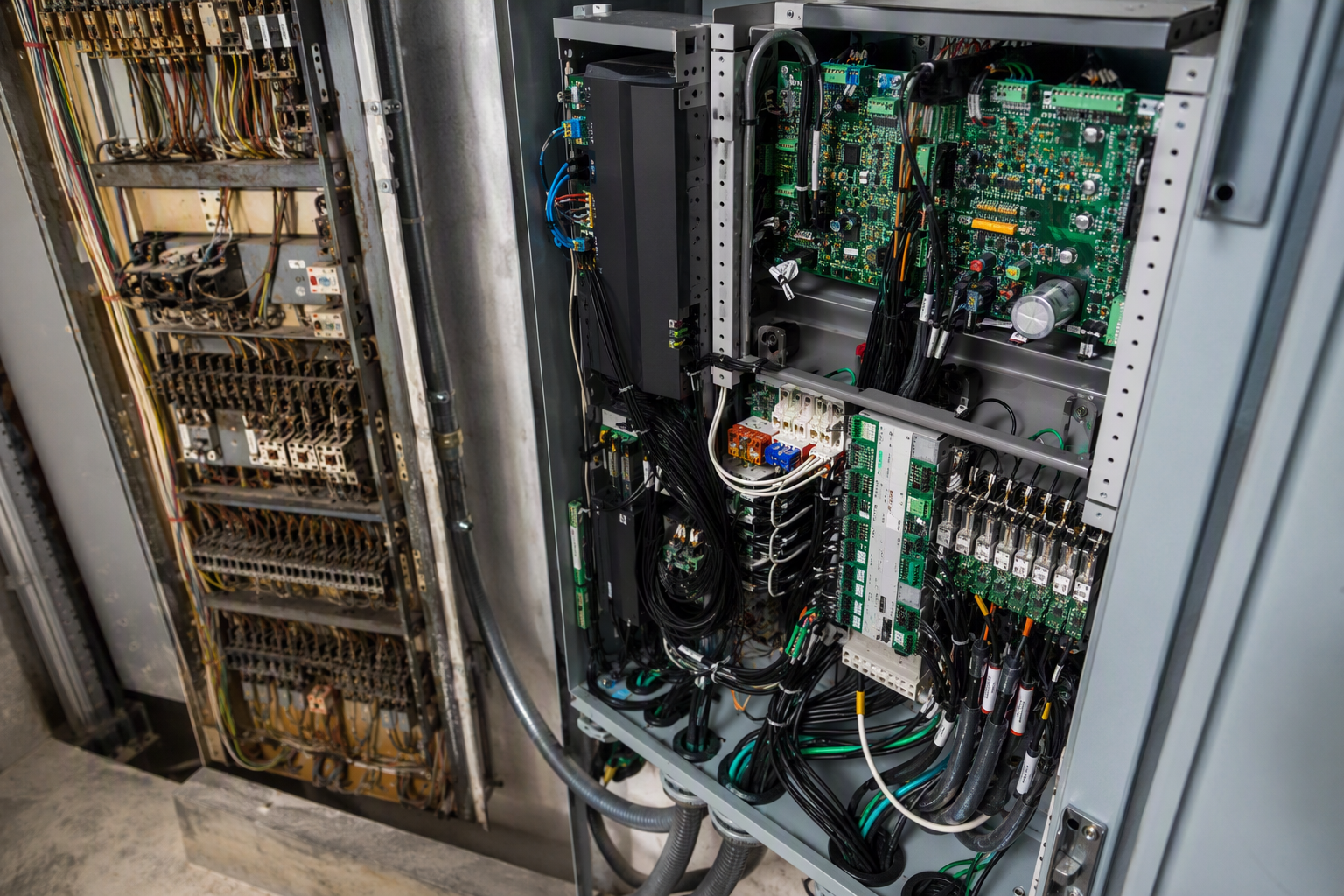
Elevator modernization in Florida spans a wide range depending on the scope of work, with targeted upgrades starting at a relatively modest investment and complete gut-and-replace projects reaching six figures or more for a single unit.
The cost range exists because “modernization” is not a single defined service — it describes any project that replaces aging elevator components with current-generation equipment to improve safety, performance, code compliance, or aesthetics. A building owner who needs only a new controller and modernized door operators will face a very different budget than one who requires a full machine replacement, new cab interior, upgraded fixtures, ADA-compliant controls, and a modernized hydraulic or traction power unit.
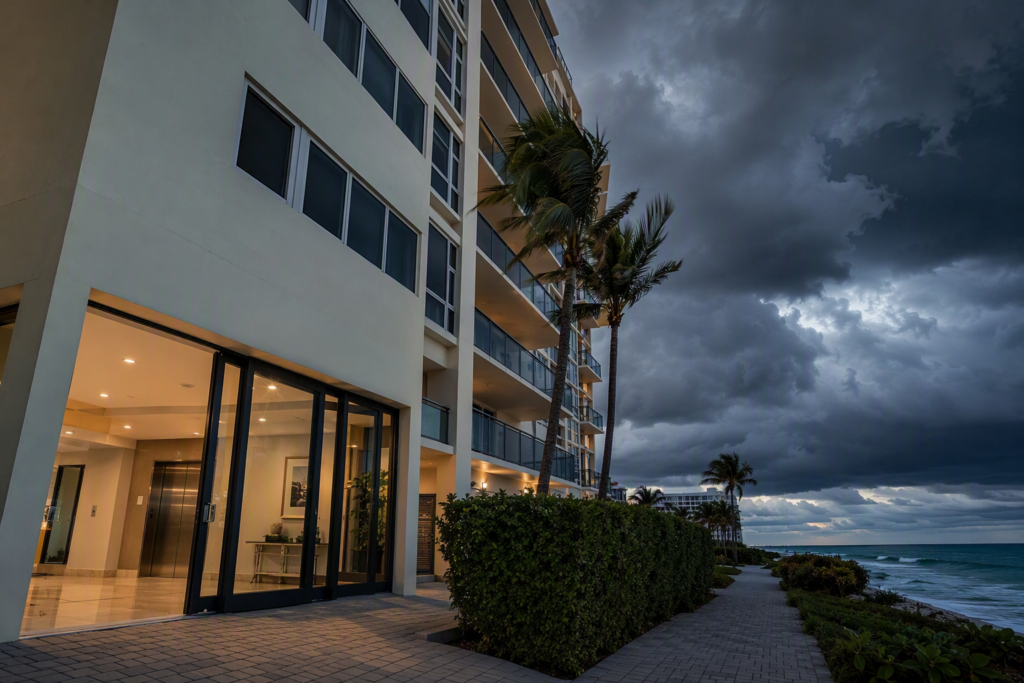
Florida’s climate also plays a role. Coastal environments in markets like Pompano Beach present accelerated corrosion on steel components, wiring, and hydraulic cylinders, which can increase the scope — and therefore the cost — of what an assessment reveals. Properties in Sarasota face similar humidity and salt-air challenges. A qualified assessment before budgeting is therefore critical; it prevents underestimating scope and avoids change-order surprises mid-project.
What Factors Have the Greatest Impact on Elevator Modernization Cost?
The biggest cost drivers are elevator type, system age, the extent of code compliance gaps, and whether the building requires phased or full modernization.
The following factors collectively determine where any given project lands within the pricing spectrum:
- Elevator type: Hydraulic elevators (common in low-rise buildings) and traction elevators (found in mid- to high-rise structures) have very different component sets, and their modernization paths differ accordingly.
- System age and condition: Older equipment requires more extensive replacement, and aging wiring or structural components can reveal additional work once a project begins.
- Code compliance gaps: The distance between a system’s current configuration and the requirements of ASME A17.1 Safety Code for Elevators and Escalators and Florida-adopted building codes determines how much remediation is built into the project.
- Number of stops: More floors mean more landing fixtures, door operators, and wiring runs, all of which increase labor and materials.
- Drive system modernization: Replacing a hydraulic power unit or converting from AC to variable-voltage variable-frequency (VVVF) drives is a significant cost item but yields substantial energy savings over time.
- ADA compliance requirements: Updating cab controls, floor indicators, audible signals, and door timing to meet ADA Standards for Accessible Design adds cost but is frequently non-negotiable for public accommodations.
- Cab interior work: Aesthetic modernization — new flooring, wall panels, ceiling, lighting, and handrails — is priced separately from mechanical work and can vary widely based on material selection.
- Permit and inspection fees: Florida requires permits for elevator modernization, and associated inspection fees are part of the total project cost.
How Do Hydraulic and Traction Elevator Modernization Costs Compare?
Hydraulic elevator modernization is generally less expensive than traction elevator modernization for low-rise applications, but full hydraulic cylinder replacement — especially for single-bottom installations — can close that gap significantly.
Traction elevators involve more complex mechanical systems: machine rooms (or machine-room-less configurations), hoisting machines, governors, safeties, and counterweight assemblies. Each of these systems represents a potential modernization line item. Hydraulic systems are mechanically simpler but carry the additional concern of the buried hydraulic cylinder, which in older installations may require excavation and replacement to address single-bottom cylinder leakage — a priority in Florida given groundwater and environmental regulations.
| Modernization Component | Typically Applies To | Relative Cost Impact |
|---|---|---|
| Microprocessor controller replacement | Hydraulic & Traction | Moderate |
| Door operator and equipment replacement | Hydraulic & Traction | Moderate |
| Hydraulic power unit replacement | Hydraulic | Moderate–High |
| In-ground cylinder replacement | Hydraulic (older) | High |
| Hoisting machine replacement | Traction | High |
| VVVF drive conversion | Traction | Moderate–High |
| Cab interior renovation | Hydraulic & Traction | Low–High (scope-dependent) |
| ADA fixture and control upgrades | Hydraulic & Traction | Low–Moderate |
| Full system (top-to-bottom) modernization | Hydraulic & Traction | Very High |
What Florida Code Requirements Affect Modernization Scope and Cost?
Florida adopts and enforces ASME A17.1 Safety Code for Elevators and Escalators, and any permitted modernization project triggers an inspection that must demonstrate compliance with the applicable code edition — which can require additional work beyond the originally planned scope.
Florida’s elevator safety program, administered through the Department of Business and Professional Regulation (DBPR), requires that all elevator work be performed by licensed contractors and that completed modernization projects pass state inspection before returning to service. When a modernization permit is pulled, the inspector evaluates not just the modernized components but the overall system for compliance with current applicable code requirements. This means a project initiated for one reason — say, a failed controller — may surface additional compliance obligations in door systems, safeties, buffers, or pit conditions that must be corrected before approval.
Building owners should also be aware that the 2026 editions and amendments to the ASME A17.1 code continue to refine requirements around seismic considerations, firefighters’ emergency operation, and car-leveling accuracy. A modernization plan developed with an experienced contractor like Axxiom Elevator Florida will account for these requirements during the scoping phase, preventing costly surprises at final inspection.
What ADA Compliance Upgrades Are Commonly Required During Modernization?
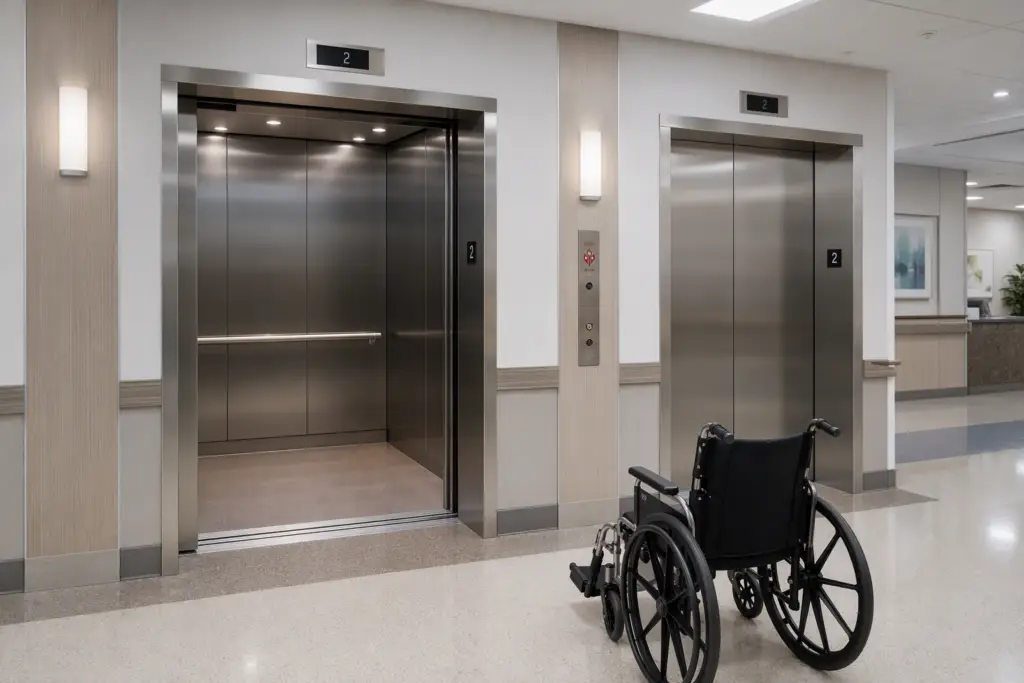
Common ADA-driven modernization items include Braille and tactile floor designations on hall call and car operating panels, compliant door-reopening devices, audible and visual floor-passing signals, and proper cab dimensions and threshold leveling.
Under the ADA Standards for Accessible Design, elevators serving public accommodations must meet specific requirements for control height and placement, signal timing, door dwell time, and communication systems (including two-way intercoms with visual indicators for those with hearing impairments). For older Florida buildings that have deferred modernization, the gap between current fixtures and ADA requirements can be substantial. These upgrades are not optional when public access is involved, and they should be planned as a defined line item within any comprehensive modernization budget.
How Long Does an Elevator Modernization Project Take in Florida?
The timeline for elevator modernization in Florida varies from a few weeks for a targeted component upgrade to several months for a full-system replacement, with permitting, equipment lead times, and inspection scheduling all contributing to the overall duration.
Key phases that affect timeline include:
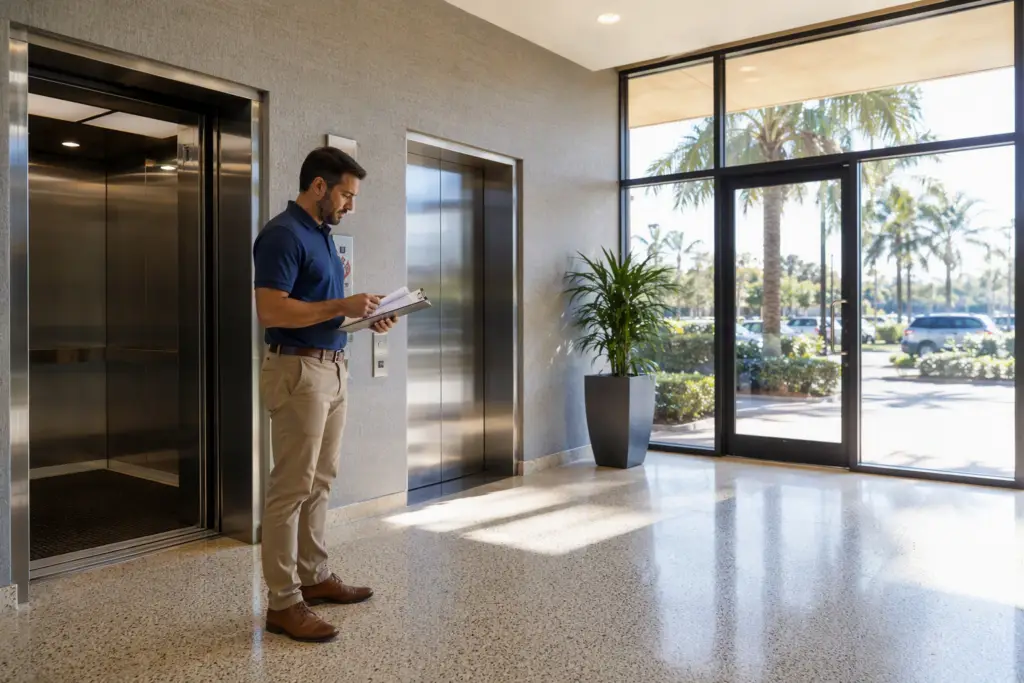
- Assessment and scoping: A qualified technician inspects the existing system and prepares a detailed scope of work. This phase determines whether the project is a partial or full modernization.
- Proposal and contract execution: The building owner reviews proposals, selects a contractor, and executes a contract. For managed properties or co-ops, board approval may add time.
- Permit application: The licensed elevator contractor submits permit applications to the local jurisdiction and the Florida DBPR. Permit processing time varies by municipality.
- Equipment procurement: Elevator components — particularly controllers, drive systems, and custom cab materials — can have lead times ranging from weeks to months depending on manufacturer availability.
- Installation: Active installation work requires the elevator to be out of service. Building owners should plan for temporary service interruptions and, where applicable, arrange temporary lift solutions for mobility-impaired occupants.
- Final inspection: The state elevator inspector must schedule and complete a final inspection before the modernized unit is returned to service. Scheduling windows vary by region and inspector availability.
Properties in both Pompano Beach and Sarasota should factor in Florida’s active construction environment, which can affect both contractor scheduling and inspection queue times.
What Is the Difference Between a Partial and Full Elevator Modernization?
A partial modernization addresses specific failing or non-compliant systems — such as the controller, door operators, or fixtures — while a full modernization replaces all major components, essentially delivering a new elevator within the existing hoistway.
Partial modernization is often appropriate when a system is relatively modern overall but one or two components have failed or become obsolete. It carries lower upfront cost but may result in subsequent projects within a few years as other components age out. Full modernization has a higher initial investment but resets the useful life of the entire system, typically results in fewer service calls and parts availability issues, and addresses all code compliance concerns in a single project cycle. Experienced contractors will help building owners model the total cost of ownership over a 10–20 year horizon to make this decision objectively.
How Does Equipment Age Affect Modernization Cost?
The older the elevator equipment, the higher the modernization cost tends to be — both because more components require replacement and because obsolete systems often require custom engineering solutions or discontinued-parts sourcing.
Controllers manufactured prior to the widespread adoption of microprocessor-based systems may no longer have replacement parts available, making any repair futile and modernization the only viable path. Similarly, older relay-logic systems, worn traction sheaves, and deteriorated hoistway wiring all compound into a more extensive project scope. In Florida’s coastal environments, corrosion accelerates aging on hydraulic components, electrical conduit, and landing fixtures — an important consideration for properties in Pompano Beach and Sarasota near the water.
What Are the Most Common Signs That an Elevator Needs Modernization?
The clearest indicators that modernization should be evaluated are recurring breakdowns, difficulty sourcing replacement parts, increasing service call frequency, passenger comfort complaints, failed inspections, and equipment that does not meet current ADA or ASME A17.1 requirements.
Other warning signs include:
- Nuisance door faults or door reopening failures
- Leveling errors causing the cab to stop above or below floor level
- Hydraulic oil leaks or cylinder seepage
- Obsolete relay-logic or early-generation solid-state controllers
- Lighting systems that fail to meet current energy codes
- Cab interiors that are damaged, dated, or non-compliant
- Absent or non-functional emergency communication systems
Axxiom Elevator Florida offers assessments for property owners in Pompano Beach and Sarasota who want a clear picture of where their equipment stands before committing to a modernization budget.
How Should Building Owners Compare Elevator Modernization Proposals?
Proposals should be compared on scope of work specificity, equipment brands and model numbers, warranty terms, permit and inspection inclusion, contractor licensing, and whether the proposal accounts for full code compliance — not on price alone.
A low-cost proposal that omits permit fees, uses unspecified “equivalent” equipment, or does not address all identified compliance gaps will almost always result in a higher total cost once change orders and failed inspections are factored in. When evaluating proposals, building owners should confirm:
- Every component to be replaced is listed by name and specification
- The contractor holds a valid Florida elevator contractor license
- The proposal includes permit and inspection coordination
- Equipment warranties are clearly stated
- The workmanship warranty period is defined
- The project schedule and payment milestones are documented
What Energy Savings Can Be Expected After Modernization?
Modern variable-voltage variable-frequency drive systems, LED cab lighting, and standby power management features meaningfully reduce elevator energy consumption compared to older technologies, though actual savings depend on elevator type, usage patterns, and the specific equipment installed.
Older hydraulic systems with fixed-speed motors and older traction elevators with AC two-speed motors are among the least energy-efficient configurations still in service. A modernization that introduces VVVF drives, destination dispatch (where applicable), and LED lighting can produce measurable reductions in monthly operating costs. Building owners pursuing LEED certification or energy efficiency incentives should discuss these benefits with their modernization contractor during the scoping phase.
Are There Financing or Incentive Options for Elevator Modernization in Florida?
Some elevator modernization projects may qualify for energy efficiency financing programs, and building owners should explore options through their utility provider, local government, or commercial lenders, as specific program availability changes over time.
Florida utility providers occasionally offer incentive programs tied to energy-efficient motor and drive system upgrades. Commercial Property Assessed Clean Energy (C-PACE) financing has been available in Florida and may apply to energy-qualifying modernization components. Building owners should consult with a financial advisor or program administrator for current eligibility requirements, as these programs evolve and Axxiom Elevator Florida does not administer or guarantee any specific financing product.
What Happens If an Elevator Fails a Florida State Inspection?
An elevator that fails a Florida state inspection must be taken out of service until all cited deficiencies are corrected and the unit passes a re-inspection — making proactive modernization planning far preferable to reactive repairs under a shutdown deadline.
Florida’s DBPR elevator safety program grants inspectors authority to issue stop-operation orders when safety-critical deficiencies are identified. This can be severely disruptive in multi-story residential buildings, healthcare facilities, or commercial properties. The cost of emergency corrective work performed under time pressure is typically higher than the same work planned in advance, and the building may face additional liability exposure during any period when a non-compliant elevator remains in service. Staying current with ASME A17.1 Safety Code for Elevators and Escalators requirements through a planned modernization program is the most cost-effective risk management approach available to property owners.
What Is the Typical Useful Life of a Modernized Elevator?
A fully modernized elevator can be expected to deliver substantially extended service life compared to aging unrenovated equipment, with the specific duration dependent on maintenance quality, usage intensity, and environmental conditions.
The elevator industry broadly recognizes that major elevator systems have design service lives that vary by component — with some mechanical components outlasting their electrical and control counterparts by decades. A full modernization that replaces the control system, drive, door equipment, fixtures, and cab interior simultaneously aligns the service lives of all major systems, reducing the likelihood of piecemeal failures in the years immediately following the project. Pairing modernization with a professional maintenance agreement is the most reliable way to protect the investment over time.
What Role Does the Machine Room Condition Play in Modernization Cost?
The physical condition of the machine room or hoistway equipment space directly affects modernization cost, because deteriorated wiring runs, inadequate ventilation, poor lighting, or structural deficiencies must be remediated as part of bringing the installation into compliance.
Florida’s warm, humid climate creates conditions favorable to mold, pest intrusion, and corrosion in machine rooms — particularly in properties that have deferred routine maintenance. Inspectors reviewing modernization projects will evaluate the machine room environment, and contractors scoping a project should include machine room condition in their assessment. Property owners who have not had a recent professional inspection of their machine room may encounter scope additions once remediation work begins.
How Does Building Type Affect Elevator Modernization Cost?
Building type affects modernization cost through usage intensity, accessibility requirements, the number of stops, and the sophistication of dispatch or destination systems required — with hospitals, high-rises, and high-traffic commercial buildings generally facing higher costs than low-rise residential properties.
A two-stop hydraulic elevator in a small condominium in Sarasota involves far fewer components and compliance considerations than an eight-stop traction elevator in a Pompano Beach high-rise or a hospital elevator subject to firefighters’ emergency operation requirements and heightened reliability standards. Commercial, healthcare, and multi-family residential properties each carry distinct code obligations, and the modernization scope should be developed with all applicable standards in mind from the outset.
What Questions Should Building Owners Ask a Modernization Contractor Before Signing a Contract?
Before signing, building owners should ask about contractor licensing, equipment sourcing, subcontractor use, permit handling, inspection coordination, warranty terms, the project’s impact on building operations, and the contractor’s process for managing scope changes.
A thorough pre-contract conversation should cover:
- Is the contractor licensed by the State of Florida to perform elevator modernization work?
- Who manufactures the replacement components, and are they OEM or aftermarket?
- Will any work be subcontracted, and if so, to whom?
- Who is responsible for pulling permits and scheduling inspections?
- What is the equipment warranty, and what does the workmanship warranty cover?
- How will construction activity affect building occupants during the project?
- What is the process if the scope changes once work begins?
- What post-modernization maintenance services does the contractor offer?
Axxiom Elevator Florida serves property owners in Pompano Beach and Sarasota with thorough pre-project consultations designed to give building decision-makers the information they need before committing to a modernization investment.
How Does Preventive Maintenance History Affect Modernization Cost?
Elevators with documented preventive maintenance histories typically cost less to modernize because well-maintained components reveal fewer hidden deficiencies during scoping, while neglected equipment tends to surface additional damage and code gaps once the project begins.
Maintenance records are also valuable during the permitting and inspection process, providing the inspector with a documented history of the system’s condition. Building owners who cannot produce maintenance records may face a more thorough and time-consuming inspection process. Investing in a structured maintenance agreement before a system reaches the modernization threshold is one of the most effective ways to control the eventual total modernization cost.
What Is the Process for Planning an Elevator Modernization Project in Florida?
A well-structured Florida elevator modernization project follows a clear sequence from initial assessment through final inspection and return to service.
- Schedule a professional assessment: A licensed elevator contractor inspects the existing equipment, documents deficiencies, identifies code compliance gaps, and establishes the baseline for scoping.
- Define the modernization scope: Based on the assessment, the contractor develops a detailed scope of work identifying every system and component to be replaced, upgraded, or remediated.
- Obtain and compare proposals: The building owner solicits proposals from qualified, licensed contractors and evaluates them on scope specificity, equipment quality, warranty, and total cost.
- Execute the contract and initiate permitting: The selected contractor prepares and submits permit applications to the applicable Florida jurisdiction.
- Procure equipment: Long-lead components are ordered immediately upon contract execution to protect the project schedule.
- Complete installation: Licensed technicians perform all modernization work in accordance with the approved permit and applicable code requirements.
- Schedule and pass final inspection: The contractor coordinates the Florida DBPR inspection and addresses any punch-list items identified by the inspector.
- Return elevator to service: Upon receiving inspection approval and the updated certificate of operation, the elevator is returned to service.
Why Should Florida Building Owners Choose a Local Elevator Modernization Specialist?
A local elevator contractor with established relationships with Florida inspectors, familiarity with regional environmental challenges, and experience in the local permitting process provides practical advantages that out-of-state or unfamiliar contractors cannot match.
Florida’s elevator regulatory environment, DBPR licensing requirements, and the physical realities of coastal corrosion, humidity, and hurricane preparedness make local expertise a genuine differentiator — not merely a marketing claim. Axxiom Elevator Florida operates specifically in the Pompano Beach and Sarasota markets, giving clients the benefit of contractors who understand the regional inspection environment, the permitting timelines typical in each municipality, and the environmental conditions that affect component selection and long-term performance.
When selecting a modernization partner, proximity matters: rapid access for pre-project assessment, responsive coordination during installation, and ongoing availability for post-modernization maintenance are all easier to deliver when the service team operates in the same markets as the building owner.
Ready to Plan Your Elevator Modernization in Florida?
Elevator modernization is a significant investment — and the most important step is starting with an honest, thorough assessment of what the project will actually require. Understanding code compliance gaps, equipment condition, and the full scope of work before receiving proposals is the best protection against budget overruns and schedule disruptions.
Contact Axxiom Elevator Florida for a free elevator assessment. Serving property owners and managers in Pompano Beach, FL and Sarasota, FL, Axxiom Elevator Florida provides licensed, professional elevator modernization services with transparent scoping, permit coordination, and post-project maintenance support.
Call today: