Retail Elevator Maintenance Standards: Comparison & Decision Guide
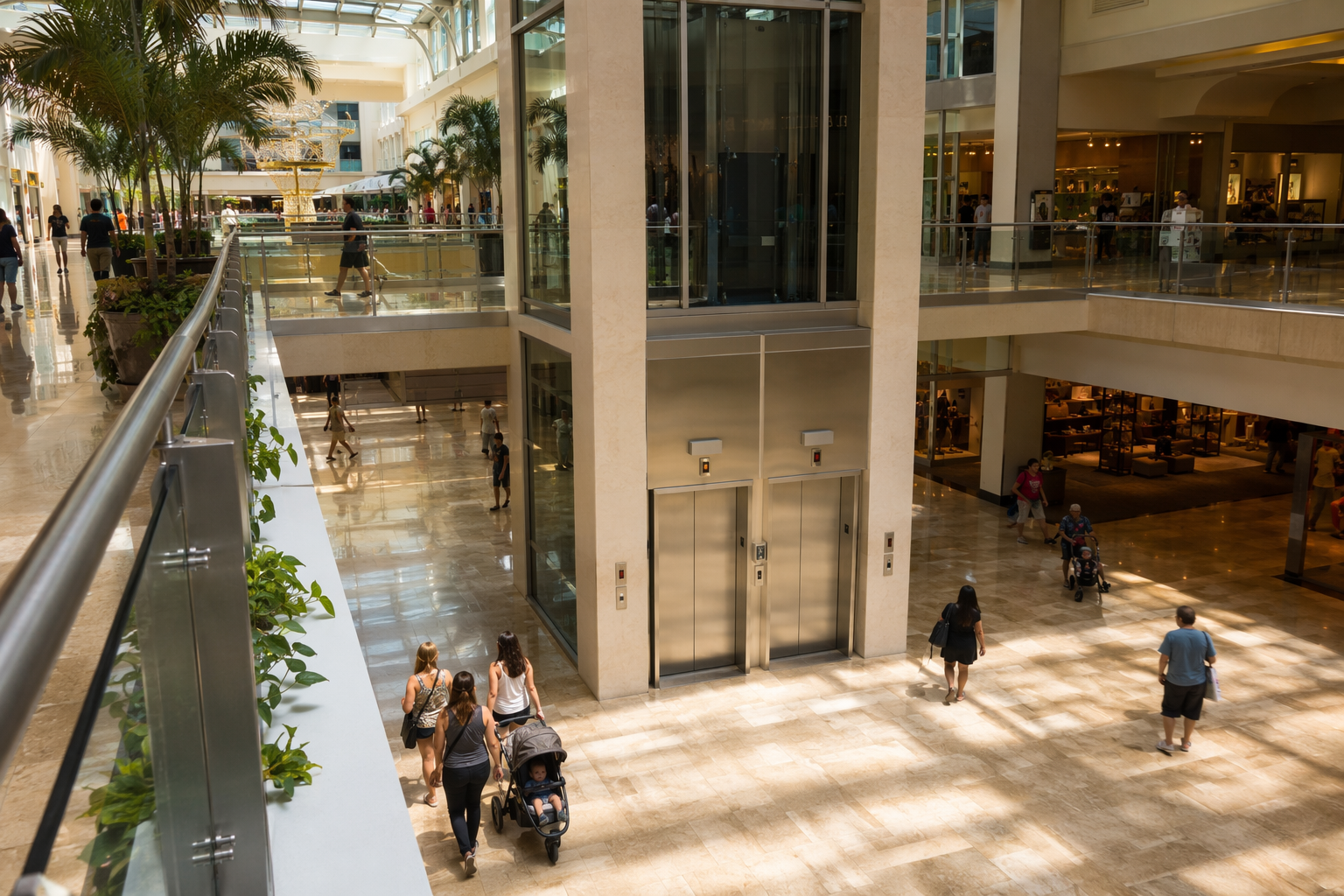
For retail property owners and managers, elevator reliability is not a convenience — it is a code requirement, a liability issue, and a direct driver of customer experience. Whether operating a single-story mall anchor store or a multi-level shopping center, understanding retail elevator maintenance standards helps decision-makers choose the right service approach, avoid costly compliance gaps, and protect shoppers and staff alike. This guide compares maintenance contract types, outlines regulatory obligations, and helps retail operators determine the best path forward.
Why Do Retail Elevators Face Unique Maintenance Demands?
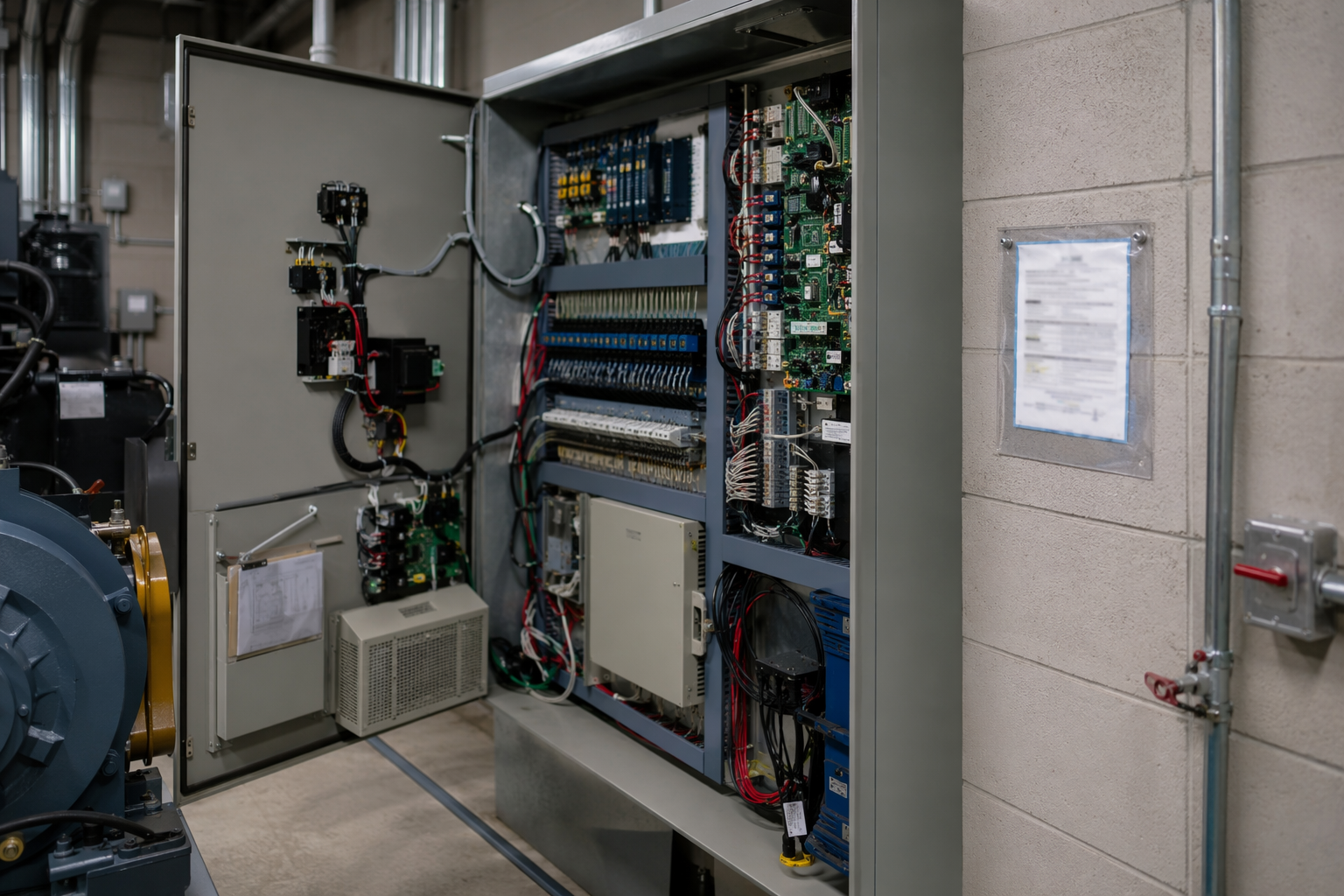
Retail environments place elevators under conditions that differ significantly from office buildings or residential properties. High pedestrian traffic — including shoppers with carts, strollers, and mobility devices — creates accelerated wear on doors, sills, buttons, and drive components. Deliveries during off-hours add additional load cycles. These operational realities mean that maintenance intervals appropriate for low-traffic settings may be insufficient for a busy retail environment.
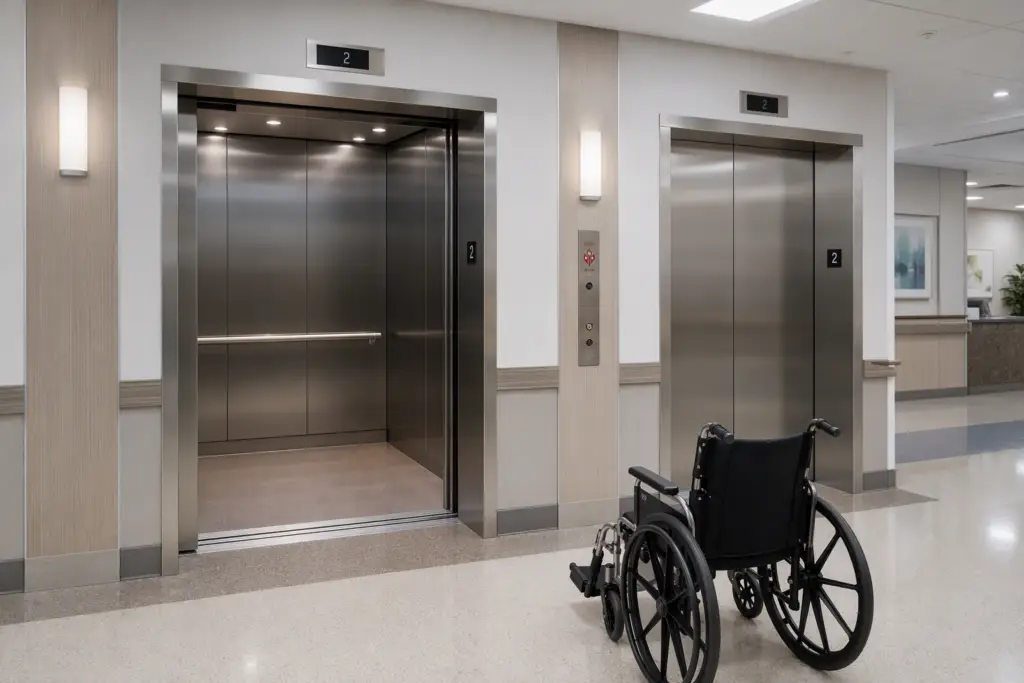
In addition, retail elevators are subject to Americans with Disabilities Act (ADA) accessibility requirements, which mandate that vertical access to public accommodations remain functional and usable by individuals with disabilities. An elevator that is frequently out of service due to deferred maintenance is not simply an inconvenience — it may constitute an ADA compliance failure.
Florida also enforces its own elevator safety regulations through the Florida Department of Business and Professional Regulation (DBPR), which requires periodic inspections and maintains jurisdiction over elevator certificates of operation. Retail operators must ensure their maintenance program satisfies both the federal code baseline and Florida-specific requirements.
What Are the Core Regulatory Standards for Retail Elevators?

The primary governing document for elevator safety in the United States is the ASME A17.1 Safety Code for Elevators and Escalators. This code, currently referenced in its 2019 edition by many jurisdictions (with states adopting editions on varying schedules), establishes requirements for:
- Design and construction of elevator equipment
- Periodic inspection and testing intervals
- Safety device functionality (governors, buffers, safeties)
- Door operation and protection systems
- Firefighters’ emergency operation
- Maintenance record-keeping obligations
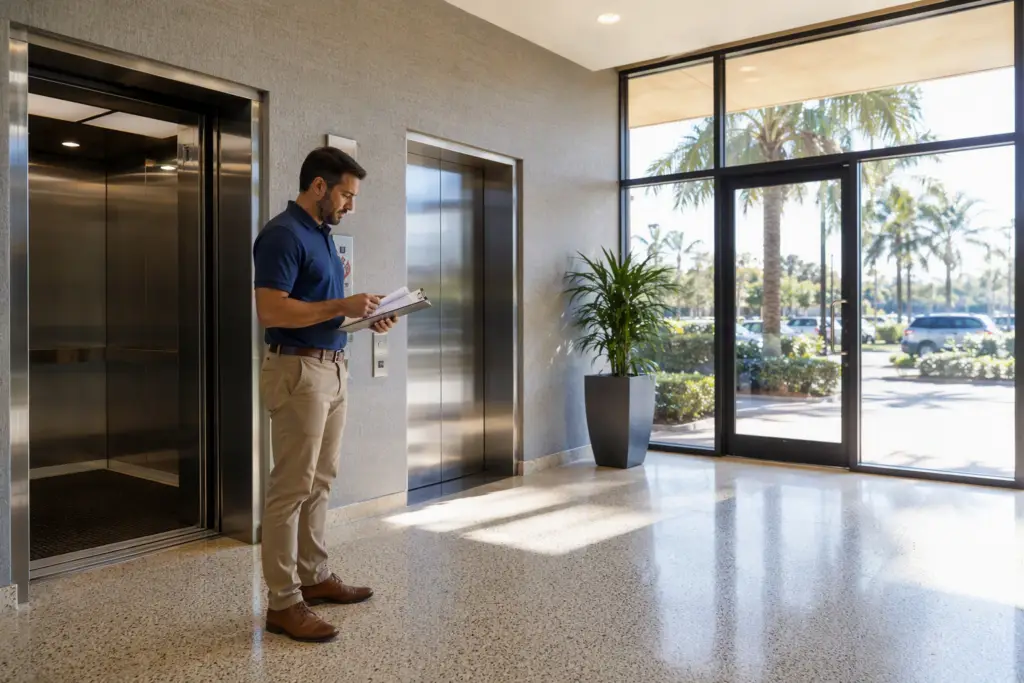
The ASME A17.1 code requires that maintenance be performed by qualified personnel following a documented maintenance control program. This means retail property owners cannot simply rely on ad hoc repairs — a formal, documented program is a code obligation, not just a best practice.
Workplace safety considerations for elevator technicians performing maintenance also fall under OSHA regulations, including lockout/tagout procedures and confined space protocols. Retailers should confirm that any service provider follows applicable OSHA safety standards during maintenance visits.
What Are the Main Types of Retail Elevator Maintenance Contracts?
Retail operators typically choose among three contract structures. Each carries different cost profiles, risk allocations, and service levels.
Maintenance Contract Comparison Table
| Contract Type | What Is Covered | Best For | Key Advantage | Key Risk |
|---|---|---|---|---|
| Full Maintenance (Comprehensive) | Labor, parts, emergency callbacks, and most repairs included | High-traffic retail with aging equipment | Predictable budgeting; fastest response alignment | Higher monthly cost; contract terms can restrict vendor switching |
| Oil and Grease (Basic Lubrication) | Routine lubrication and adjustments only; parts and repairs billed separately | Newer equipment under manufacturer warranty | Lower base cost | Unpredictable repair expenses; deferred maintenance risk |
| Preventive Maintenance (PM) Plan | Scheduled inspections, adjustments, lubrication, and minor parts; major repairs separate | Mid-age equipment with moderate traffic | Balanced coverage; proactive fault detection | Major component failures still generate large invoices |
OEM Service Contracts vs. Independent Elevator Service Providers: Which Is Better for Retail?
Retail property owners often default to the elevator’s original equipment manufacturer (OEM) for ongoing service, assuming that familiarity with the equipment translates to better service. In practice, OEM contracts and independent service providers each have meaningful trade-offs.
OEM vs. Independent Provider Comparison
| Factor | OEM Service Contract | Independent Provider (e.g., Axxiom Elevator Florida) |
|---|---|---|
| Parts Sourcing | Proprietary parts; may be restricted to OEM supply chain | Ability to source OEM-equivalent or multi-brand parts; broader supply access |
| Pricing Flexibility | Fixed rate schedules; limited negotiation leverage | Competitive pricing; contract terms often more negotiable |
| Multi-Brand Expertise | Strongest on own equipment; less so on legacy or mixed fleets | Trained across multiple elevator brands and vintages |
| Contract Lock-In | Long-term agreements with proprietary diagnostic tools can restrict switching | Typically more flexible contract exit terms |
| Local Accountability | Varies by regional office staffing | Independent providers often offer direct local accountability |
| Code Compliance Support | Generally strong for own equipment | Strong across brands; familiar with Florida DBPR requirements |
For retail operators managing mixed elevator fleets or seeking greater pricing transparency, an independent certified provider such as Axxiom Elevator Florida offers a compelling alternative to OEM lock-in. Axxiom Elevator Florida is a certified elevator service company serving Florida’s retail sector with a focus on code compliance, preventive maintenance, and transparent service agreements.
What Should a Retail Elevator Preventive Maintenance Program Include?
A code-compliant preventive maintenance program for a retail elevator should encompass the following documented activities, consistent with the requirements of the ASME A17.1 Safety Code for Elevators and Escalators:
- Lubrication of all moving components on a scheduled basis
- Inspection and adjustment of door operators, door contacts, and safety edges
- Testing of all safety devices including overspeed governor and safeties
- Inspection of hoist ropes or hydraulic systems as applicable
- Verification of proper leveling and ride quality
- Inspection of machine room environmental conditions
- Review and update of the maintenance control program documentation
- Callback response for unscheduled failures
What Steps Should Retail Managers Take After an Elevator Failure?
When a retail elevator goes out of service unexpectedly, the following protocol helps protect building occupants, maintains compliance, and accelerates return to service:
- Secure the elevator immediately. Take the elevator out of service and post clear signage at all landings to prevent access.
- Verify no one is trapped. Communicate with the machine room or call center to confirm no passengers are entrapped. If entrapment is confirmed, contact emergency services.
- Notify your elevator service provider. Contact your maintenance contractor for an emergency callback dispatch.
- Document the failure. Record the date, time, observed symptoms, and any alarm or fault codes visible on the controller.
- Assess ADA accessibility impact. Determine whether the outage creates an ADA accessibility barrier for customers with disabilities. If so, implement a temporary accommodation plan and communicate it at building entrances.
- Do not allow non-certified personnel to attempt repairs. Only qualified elevator mechanics should access the machine room or pit during a failure investigation, in compliance with OSHA safety protocols.
- Obtain written documentation of the repair. After restoration, ensure your service provider provides a written service report describing the cause, corrective action, and parts replaced.
- Review your maintenance records. Determine whether the failure was preventable through a more robust maintenance program and discuss findings with your service provider.
How Does Maintenance Quality Affect ADA Compliance in Retail Settings?
The ADA requires that public accommodations — including retail stores — maintain accessible features in working order. An elevator that frequently fails or is taken out of service for extended periods may create an accessibility barrier for customers who use wheelchairs, mobility aids, or have conditions that prevent stair use.
Retailers cannot simply post a sign directing customers to an alternative route if no equivalent accessible path exists. Proactive elevator maintenance directly reduces the risk of ADA-related complaints and potential litigation. A comprehensive preventive maintenance contract is therefore not only a cost-management decision but also a risk-management necessity for retail operators.
What Is the Typical Timeline for Retail Elevator Maintenance Visits?
Maintenance visit frequency depends on the contract type, equipment age, traffic volume, and jurisdiction. As a general framework:
| Maintenance Activity | Typical Frequency | Code Reference |
|---|---|---|
| Routine preventive maintenance visit | Monthly to quarterly depending on traffic and contract | ASME A17.1 Maintenance Control Program requirements |
| Category 1 safety test (no-load) | Annual | ASME A17.1 |
| Category 5 full-load safety test | Every 5 years | ASME A17.1 |
| Florida DBPR inspection | Per Florida administrative code schedule | Florida DBPR Elevator Safety Program |
High-traffic retail environments should consider monthly maintenance visits regardless of minimum code intervals, given the accelerated wear patterns associated with heavy commercial use.
How Should Retail Operators Evaluate and Compare Elevator Service Proposals?
When reviewing competing maintenance proposals, retail decision-makers should assess each bid against the following criteria:
- Scope of coverage: Does the contract explicitly list what is and is not included? Vague language often leads to disputed invoices.
- Maintenance documentation: Does the provider commit to delivering written service reports after each visit, as required by the ASME A17.1 maintenance control program obligations?
- Parts sourcing transparency: Will the provider disclose the source and markup on replacement parts?
- Technician certification: Are technicians certified under a recognized elevator industry credentialing program?
- Contract exit terms: What are the penalties or notice requirements for contract termination? Long lock-in periods with steep exit fees reduce your negotiating leverage.
- Callback provisions: How are emergency callbacks handled, and are they included in the base contract or billed separately?
- Florida compliance familiarity: Does the provider have demonstrated knowledge of Florida DBPR requirements, including certificate of operation renewal timelines?
What Are the Pros and Cons of Full Maintenance vs. Preventive-Only Contracts for Retail?
| Full Maintenance Contract | Preventive Maintenance Only | |
|---|---|---|
| Pros |
|
|
| Cons |
|
|
| Best For | High-traffic retail, aging equipment, risk-averse property managers | New installations, low-traffic retail, operators with strong capital reserves |
How Does Florida’s Regulatory Environment Affect Retail Elevator Maintenance?
Florida’s elevator safety program, administered through the DBPR, requires that elevators operating in commercial settings — including retail — hold a valid certificate of operation. This certificate is contingent on passing periodic inspections conducted by state-licensed inspectors. Retail operators who allow their certificate to lapse may face fines and are legally required to take the elevator out of service.
A qualified local service provider familiar with Florida-specific requirements, such as Axxiom Elevator Florida, can help retail managers track inspection deadlines, prepare equipment for state inspections, and address any deficiencies identified during the inspection process before they result in violations or certificate suspension.
What Is the ROI of Investing in a Comprehensive Retail Elevator Maintenance Program?
The return on investment for comprehensive elevator maintenance in a retail context is best understood through the costs it prevents rather than a single financial metric, since avoided costs vary significantly by property size, equipment age, and usage patterns. The categories of avoided cost include:
- Emergency repair costs: Reactive repairs following failure events consistently exceed the cost of the same repair performed during scheduled maintenance, due to emergency labor rates and expedited parts sourcing.
- Regulatory fines and legal exposure: Compliance failures under Florida DBPR or ADA can result in fines, legal fees, and reputational harm that dwarf maintenance contract costs.
- Tenant and customer satisfaction: In multi-tenant retail environments, elevator downtime affects lease renewal decisions and customer return rates.
- Equipment longevity: Well-maintained elevator systems reach the end of their useful life later than neglected equipment, deferring major modernization capital expenditures.
How Can Retail Operators Transition from an Existing Service Provider to a New One?
Switching elevator service providers is a manageable process when approached methodically. The following steps help retail managers execute a compliant and smooth transition:
- Review existing contract terms. Identify notice periods, exit penalties, and any proprietary equipment or software provisions that may complicate the transition.
- Request a complete maintenance records package. Existing providers are obligated to transfer maintenance logs, inspection reports, and equipment documentation upon contract termination.
- Obtain an independent condition assessment. Have the incoming provider — such as Axxiom Elevator Florida — perform a baseline assessment of equipment condition before the new contract commences.
- Verify Florida DBPR certificate status. Confirm that the certificate of operation is current and that no outstanding inspection deficiencies exist.
- Establish a transition date that avoids peak retail periods. Scheduling the transition during lower-traffic periods reduces the risk that any service gaps affect the customer experience.
- Confirm the new provider’s maintenance control program documentation. Ensure the incoming provider’s program satisfies ASME A17.1 requirements from day one.
Summary: Key Decision Factors for Retail Elevator Maintenance
Retail elevator maintenance decisions ultimately rest on four pillars:
- Regulatory compliance: Meeting ASME A17.1, ADA, OSHA, and Florida DBPR requirements is non-negotiable.
- Contract structure: Comprehensive contracts provide budget predictability and align service provider incentives with equipment reliability; they are generally preferred for high-traffic retail settings.
- Provider selection: Independent certified providers offer pricing transparency, multi-brand expertise, and flexibility that OEM-locked contracts often cannot match.
- Documentation discipline: A formal maintenance control program with written service records protects retail operators in the event of inspection, litigation, or insurance claim.
Axxiom Elevator Florida is a certified independent elevator service company serving retail properties across Florida. Axxiom Elevator Florida assists retail operators in building code-compliant maintenance programs tailored to the specific demands of high-traffic commercial environments, from routine preventive maintenance to full comprehensive coverage and state inspection preparation.
Ready to Protect Your Retail Elevator Investment?
Ensure your retail elevator program meets ASME A17.1 standards, satisfies Florida DBPR requirements, and keeps your property accessible and compliant year-round.
Contact Axxiom Elevator Florida for a free elevator assessment.
Need elevator service you can rely on? Axxiom Elevator Florida is ready to help.