What Happens If My Building Fails an Elevator Inspection in Florida
A failed elevator inspection in Florida is not a bureaucratic inconvenience — it is a legally enforceable safety event with direct consequences for building owners, property managers, and tenants. Understanding what happens next, how quickly action is required, and what remediation typically involves is essential for anyone responsible for a vertical transportation system in the state. This page breaks down the Florida inspection failure process, the regulatory framework behind it, and what building professionals need to know heading into 2025 and 2026.
What Florida Law Says About Elevator Inspection Failures
Florida’s elevator safety program is governed by the Florida Department of Business and Professional Regulation (DBPR) under Chapter 399 of the Florida Statutes. The state requires that all conveyances — including elevators, escalators, and moving walks — meet the standards set forth in the ASME A17.1 Safety Code for Elevators and Escalators, which is the nationally recognized benchmark adopted by Florida.
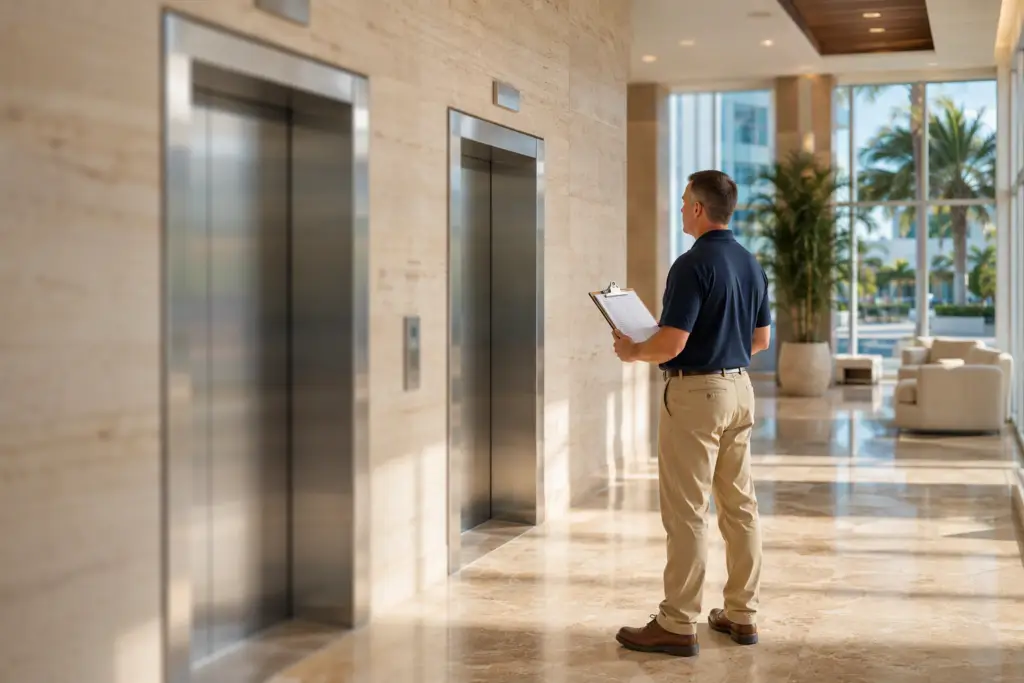
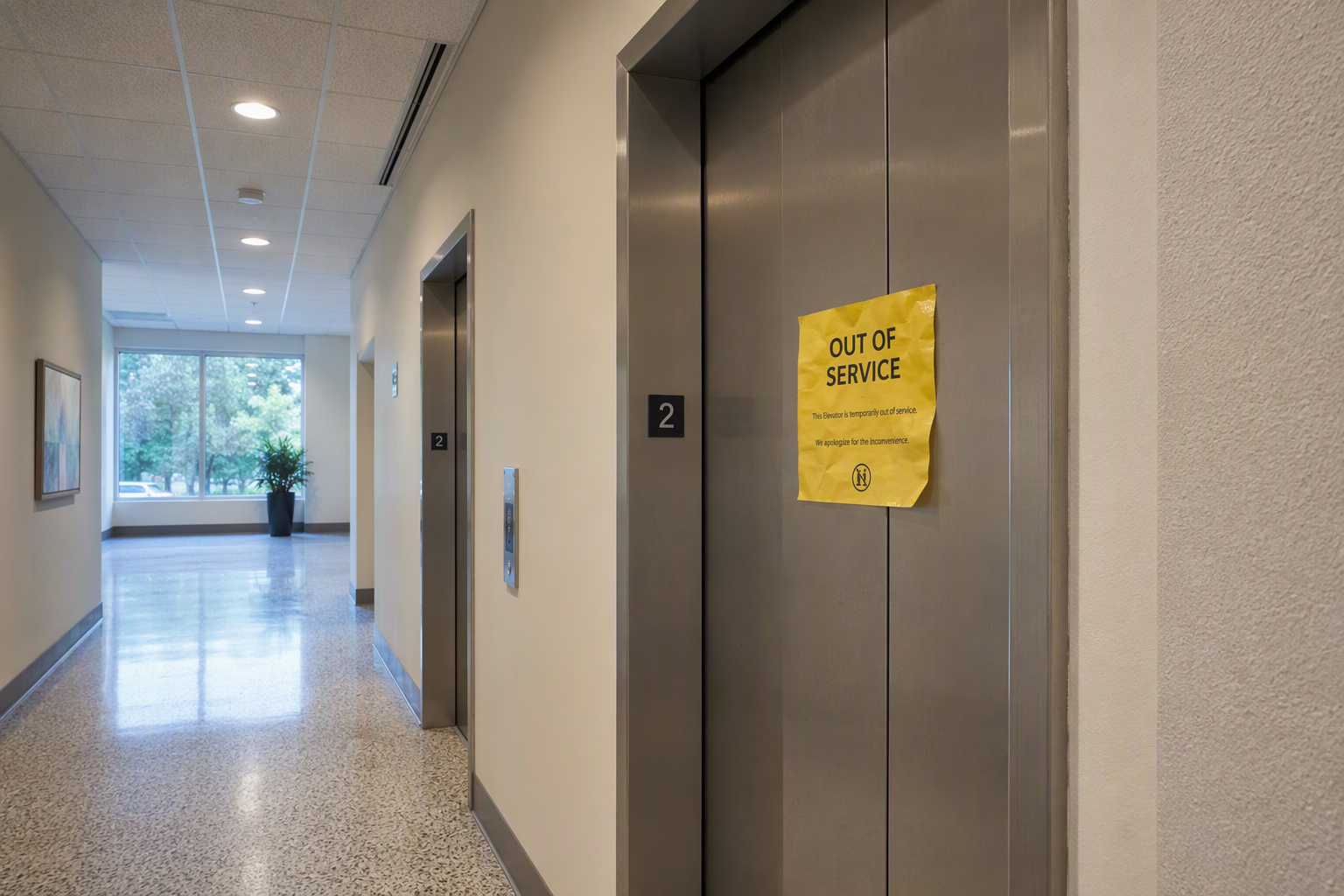
When an elevator fails inspection, the inspector is authorized to place the unit out of service. This is not a recommendation — it is a regulatory action. Building owners receive an inspection report citing specific code violations, and the elevator cannot return to passenger service until those violations are corrected and verified through a follow-up inspection or, depending on the violation category, a certificate of correction signed by a licensed elevator contractor.
Operating an elevator that has been placed out of service following a failed inspection exposes building owners to civil penalties under Florida Statute Chapter 399, as well as potential liability in the event of an injury or incident involving the noncompliant equipment.
What Are the Immediate Steps After a Failed Elevator Inspection in Florida?
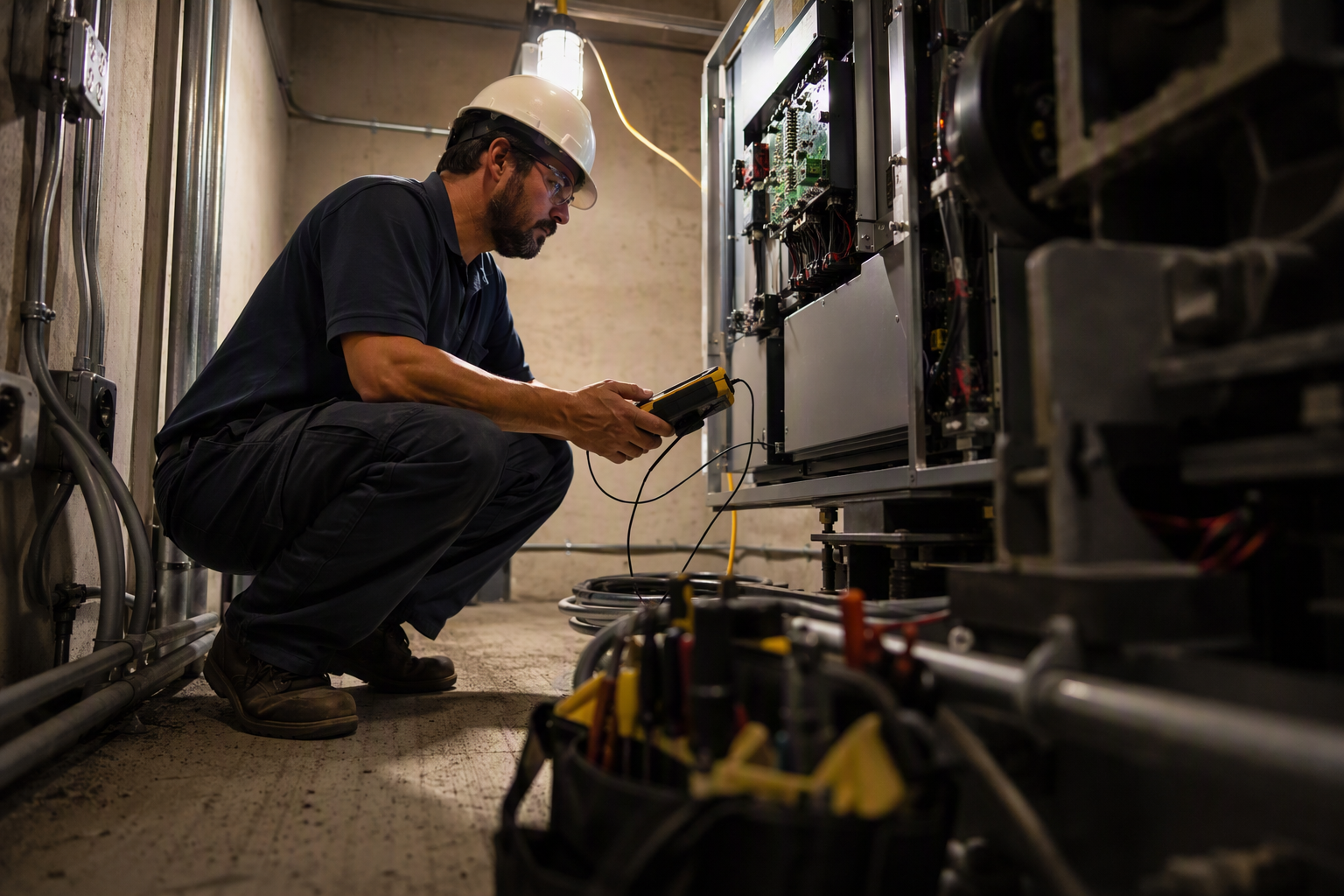
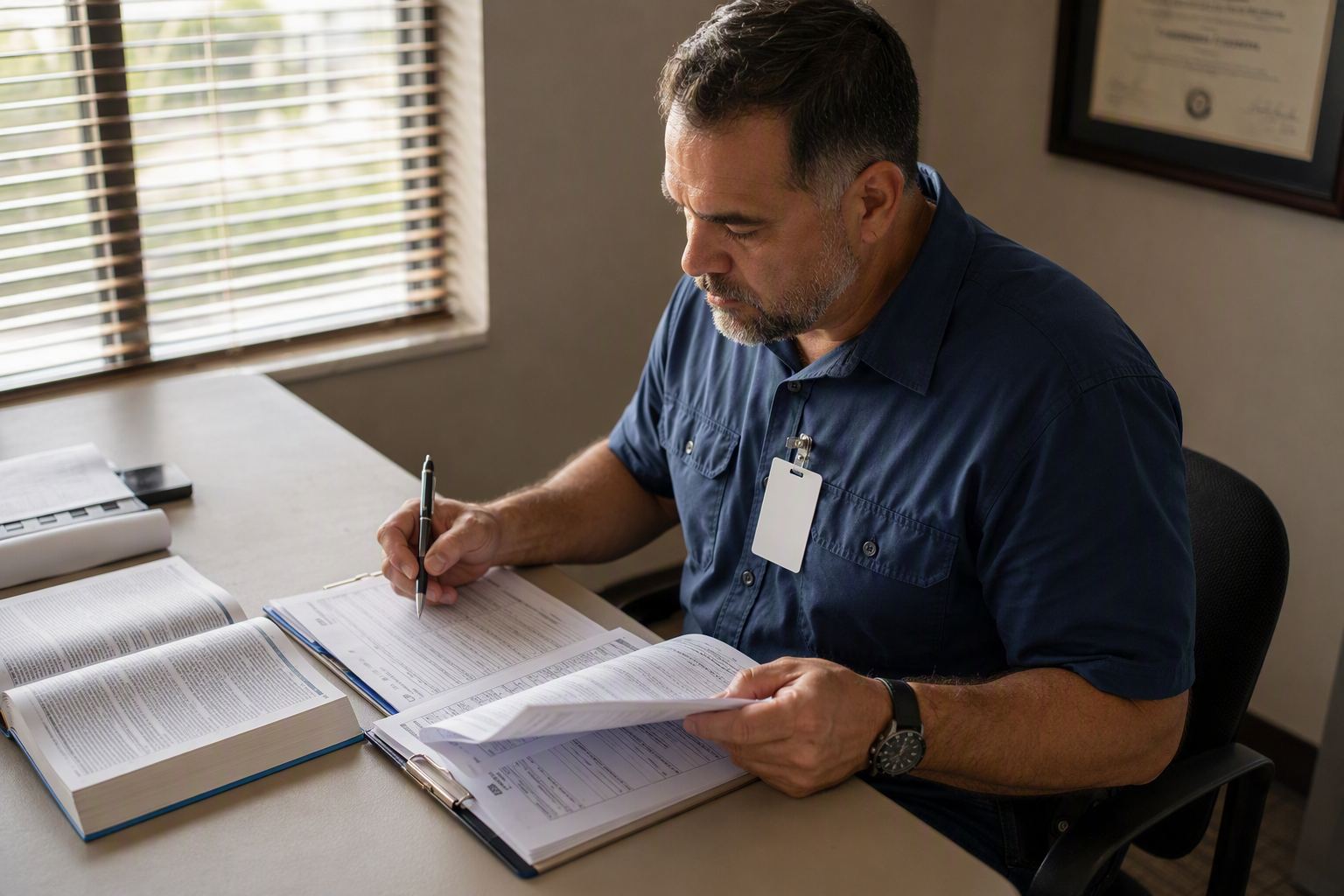
- Receive and review the inspection report. The inspector issues a written report listing every cited deficiency and the corresponding code section. Review each item carefully — violations are typically categorized by severity.
- Post the out-of-service notice. Florida inspectors will post or require posting of an out-of-service notice on or near the elevator. This notice must remain in place until the unit is cleared for return to service.
- Notify all building occupants and tenants. Building management has an obligation to communicate the elevator’s status to occupants, especially in residential buildings where accessibility may be affected. ADA compliance obligations for accessible routes may also be triggered — see guidance at ADA.gov.
- Contact a licensed Florida elevator contractor immediately. Only a contractor licensed by the DBPR to perform elevator work may correct inspection deficiencies and submit documentation for reinspection. Prioritize contact to begin the remediation process as quickly as possible.
- Obtain a written scope of repair from the elevator contractor. The scope should address every cited deficiency and reference the specific code sections identified in the inspection report.
- Complete required repairs. Work must be performed by licensed elevator mechanics under the supervision of a licensed contractor. All parts and components must meet applicable ASME A17.1 requirements.
- Schedule and pass a follow-up inspection or submit a certificate of correction. Depending on the type and severity of the violation, either a reinspection by the state or a certificate signed by the licensed contractor — or both — will be required before the elevator can return to service.
- Retain all documentation. Keep copies of the failed inspection report, all repair invoices, parts documentation, contractor certifications, and the clearance documentation. This paper trail protects building owners in the event of future disputes or liability claims.
What Types of Violations Typically Cause an Elevator to Fail Inspection in Florida?
Inspection violations are not all equal. Florida inspectors generally distinguish between violations that pose an immediate hazard and those that represent maintenance deficiencies or documentation gaps. Common categories include:
- Safety device failures: Malfunctioning door reopening devices, broken or worn safeties, governor issues, or failed buffers represent immediate-hazard violations that almost always result in immediate shutdown.
- Electrical and wiring deficiencies: Grounding failures, exposed conductors, or outdated wiring that does not conform to current ASME A17.1 editions can generate citations depending on the elevator’s installation date and applicable code edition.
- Pit and machine room conditions: Water intrusion in the pit, inadequate lighting, missing or damaged pit ladders, or unauthorized storage in machine rooms are frequently cited violations.
- Documentation and certification gaps: Missing or expired certificates, lack of a current load test record, or absence of required posted signage can themselves result in a failed inspection, even if the mechanical condition of the unit is sound.
- Cab and landing conditions: Damaged or noncompliant door sills, worn cab flooring creating a trip hazard, or broken cab lighting are common findings.
- Oil or hydraulic fluid leaks: Hydraulic elevators with leaking jack seals or piping can fail on environmental and safety grounds simultaneously.
How Long Does It Take to Get an Elevator Back in Service After a Failed Inspection?
The timeline depends entirely on the nature of the cited violations and the speed with which a licensed elevator contractor can mobilize, obtain parts, and complete repairs. Minor violations involving documentation, lighting, or signage can sometimes be corrected within days. Violations involving safety devices, hydraulic components, control systems, or structural elements of the hoistway may take weeks or longer, particularly when proprietary parts require lead time from manufacturers.
For older equipment — including many hydraulic elevators installed before modern single-bottom jack standards became standard practice — a failed inspection can reveal deficiencies that require significant modernization rather than a simple repair. In those situations, building owners are often weighing the cost and timeline of targeted repair against a more comprehensive modernization scope.
Florida does not provide a universal statutory grace period after a failure — the elevator remains out of service until the deficiencies are corrected, regardless of how long that takes.
What Penalties Can a Florida Building Owner Face for a Failed Elevator Inspection?
Operating a conveyance in Florida without a valid certificate of operation — which includes operating one that has been condemned following a failed inspection — is a violation of Florida Statute Chapter 399. The DBPR is authorized to impose civil penalties for violations. Beyond state regulatory penalties, building owners face compounding exposure:
- Civil liability: If a passenger is injured on an elevator that failed inspection and was knowingly operated in violation of its out-of-service status, the building owner’s negligence exposure is substantially elevated.
- Insurance consequences: Many commercial property and liability insurance policies contain provisions that may limit or deny coverage for incidents involving equipment that was out of compliance with applicable codes or under an active shutdown order at the time of loss.
- ADA exposure: In buildings subject to ADA requirements, a prolonged elevator outage that eliminates accessible routes to upper floors or amenities can generate complaints and legal exposure under federal accessibility law.
- Tenant and lease obligations: Commercial leases and residential landlord-tenant law in Florida may impose obligations on building owners to maintain vertical transportation in working order — a failed inspection and extended outage can trigger lease remedy provisions.
Does a Failed Elevator Inspection Require Immediate Shutdown in Florida?
Not every inspection finding results in immediate shutdown — the response depends on the severity classification of the violations found. Immediate hazards — those where continued operation poses a risk of injury or death — trigger immediate shutdown by the inspector. Less severe findings may generate a corrective action order with a compliance deadline while the elevator remains in limited or conditional service. However, the distinction is made by the inspector and the regulatory authority, not the building owner. Building owners should never assume that a violation that appears minor to a layperson does not require shutdown — the determination rests with the licensed inspector and the DBPR.
What Is the Role of the ASME A17.1 Code in Florida Elevator Inspections?
The ASME A17.1 Safety Code for Elevators and Escalators is the foundation of elevator safety regulation across the United States, including Florida. Florida adopts specific editions of this code, and inspectors evaluate equipment against the edition applicable at the time of installation or most recent major alteration, as well as any retroactive requirements that apply to all equipment regardless of installation date.
The code covers the full lifecycle of elevator systems — design, installation, inspection, testing, maintenance, and alteration. When a violation is cited, the inspection report will reference the specific ASME A17.1 section that the condition violates. Elevator contractors performing repairs must demonstrate that corrected conditions meet the applicable code requirements before a certificate of correction can be issued.
For elevator owners and property managers, understanding that inspector citations are code-specific — not subjective — is important context when evaluating the scope of required repairs.
How Does a Failed Inspection Affect Older Elevators in Florida?
Older elevator systems — particularly hydraulic elevators installed in the 1970s, 1980s, and early 1990s — face heightened inspection scrutiny in Florida, and a failed inspection for one of these units can expose a broader range of code deficiencies than a newer installation. Florida and the broader elevator industry have placed increasing regulatory attention on single-bottom hydraulic jack corrosion risk, oil containment requirements, and control system reliability for aging equipment.
A failed inspection on an older hydraulic elevator may reveal that the cited violation is a symptom of broader equipment condition issues. In those cases, a piecemeal repair approach may result in recurring inspection failures as additional age-related deficiencies are identified over successive inspection cycles. Modernization — replacing major components or the full system — may ultimately represent a more cost-effective and reliable path to sustained compliance than repeated targeted repairs.
What Is a Florida Elevator Reinspection and How Does It Work?
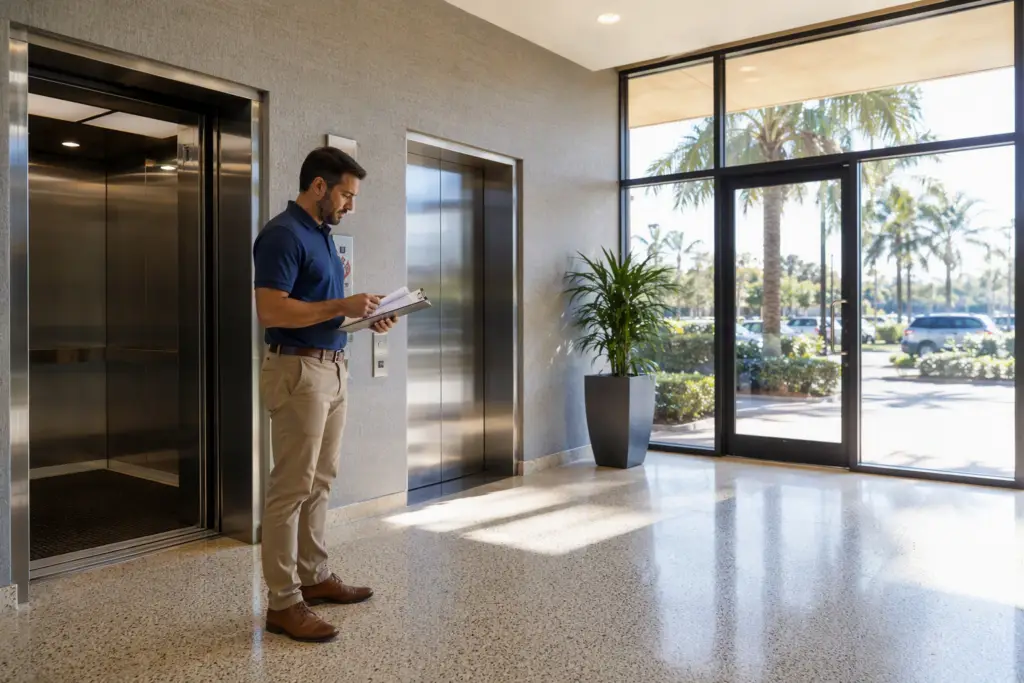
A reinspection is a follow-up inspection conducted after the building owner certifies that cited deficiencies have been corrected. In Florida, the reinspection is performed by a state inspector or, for certain violation types, verified through documentation submitted by the licensed elevator contractor. The reinspection process involves the inspector reviewing the scope of completed work, testing safety devices and operating systems, and confirming that all cited conditions have been resolved in conformance with applicable code requirements.
If the reinspection finds that violations have been fully corrected, the elevator receives clearance to return to service and a valid certificate of operation is issued. If the reinspection identifies remaining deficiencies — or new deficiencies uncovered during the repair process — the elevator remains out of service and the cycle continues.
What Should Building Owners Look for When Choosing an Elevator Contractor After a Failed Inspection?
Selecting the right licensed elevator contractor after a failed inspection has direct consequences for both the speed of the remediation and the likelihood of passing reinspection on the first attempt. Key factors to evaluate include:
- DBPR licensure: The contractor must hold a current Florida elevator contractor license. Verify licensure status directly through the DBPR before engaging any contractor.
- Experience with the specific equipment type: Contractors with specific familiarity with the make, model, and vintage of the elevator in question — whether hydraulic, traction, or MRL — are better positioned to diagnose root causes and recommend code-compliant remediation.
- Code documentation capability: The contractor must be able to produce written documentation that links each completed repair to the specific ASME A17.1 code section cited in the inspection report. This documentation is the foundation of the reinspection submission.
- Transparency about scope: Reputable contractors provide a clear written scope of work before beginning repairs, with explicit identification of which cited deficiencies each task addresses.
What Are the Trends in Florida Elevator Inspection Compliance for 2025 and 2026?
The regulatory environment surrounding elevator safety in Florida is evolving in several qualitatively significant ways heading into 2025 and 2026. State inspection programs are placing increased emphasis on documentation completeness — including maintenance logs, test records, and contractor certifications — as regulators recognize that paper compliance gaps can mask deferred physical maintenance. Buildings with aging elevator fleets are receiving heightened scrutiny, particularly where evidence of deferred maintenance is visible.
The industry is also seeing broader adoption of remote monitoring technology that allows building owners and service providers to track elevator performance data between inspection cycles, identify anomalies before they become code violations, and demonstrate proactive maintenance practices to inspectors. While monitoring technology does not replace physical inspection, it is increasingly cited by compliance professionals as a tool for reducing the risk of unexpected inspection failures.
On the regulatory side, code update cycles for ASME A17.1 continue to introduce new requirements that states, including Florida, evaluate for adoption. Building owners with older equipment should work with licensed contractors to understand which prospective code changes may affect their compliance posture in the near term.
Workforce dynamics in the elevator industry also affect inspection outcomes — a tightening supply of licensed elevator mechanics in Florida means that post-failure remediation timelines can extend when qualified technicians are in high demand. Building owners who maintain ongoing relationships with licensed service providers are better positioned to secure rapid response following an inspection failure.
How Can Axxiom Elevator Florida Help After a Failed Inspection?
Axxiom Elevator Florida is a licensed elevator service provider operating in the Florida market with a focus on code compliance, technical transparency, and documentation-driven remediation. When a building receives a failed inspection report, Axxiom Elevator Florida’s approach is to work from the specific citations in the report — cross-referencing each deficiency against the applicable ASME A17.1 code section — and develop a structured repair scope that directly addresses each item.
Axxiom Elevator Florida provides building owners and property managers with written documentation connecting each completed repair to the corresponding inspection citation, supporting a streamlined reinspection process. The company serves commercial, residential, and industrial elevator owners across Florida, working with both standard and specialty conveyance types.
For building owners evaluating whether repair or modernization is the more prudent response to a failed inspection — particularly for aging hydraulic or traction systems — Axxiom Elevator Florida offers assessments that present the technical and compliance case for each option without a predetermined outcome.
Sourced Regulatory Reference
| Standard / Authority | Relevance to Florida Elevator Inspections | Source |
|---|---|---|
| ASME A17.1 Safety Code for Elevators and Escalators | Primary technical standard adopted by Florida for elevator design, installation, inspection, maintenance, and alteration requirements | ASME Codes & Standards |
| Americans with Disabilities Act (ADA) | Federal accessibility law governing accessible route requirements, relevant when elevator outages eliminate compliant access to building areas | ADA.gov |
| OSHA General Industry Standards | Applicable to elevator work environments including machine rooms and pits; relevant to worker safety during inspection and repair operations | OSHA.gov |
Frequently Asked Questions
Can I appeal a failed elevator inspection in Florida?
Florida building owners and operators have procedural rights to contest inspection findings through the DBPR’s administrative process. However, filing an appeal does not automatically allow the elevator to remain in service during the appeal period if the inspector has issued a shutdown order for an immediate hazard. The appeal process is generally more useful for contesting documentation-based findings or for situations where the building owner disputes the applicability of a cited code section to their specific equipment. Legal counsel familiar with Florida administrative law is advisable before pursuing a formal appeal.
Who is responsible for elevator inspection failures in a commercial building — the landlord or the tenant?
Under Florida law, the building owner or the entity with legal control of the building is the responsible party for conveyance compliance and holds the certificate of operation. Lease agreements may allocate maintenance responsibilities between landlord and tenant, but those private contractual arrangements do not transfer the statutory obligation — or the regulatory liability — away from the building owner in the eyes of the DBPR. Building owners who lease premises to commercial tenants should ensure their leases clearly address elevator maintenance obligations and that they retain direct oversight of inspection compliance.
Does a failed elevator inspection affect my building’s insurance coverage?
Insurance policy terms vary by carrier and policy form, but many commercial general liability and property policies contain provisions that may limit coverage for losses involving equipment that was operating in violation of applicable laws or regulations at the time of a loss. Building owners should review their policy language carefully and notify their broker promptly following a failed inspection. Prompt remediation and documented good-faith compliance efforts are generally the most effective risk management response.
What is the difference between a violation that shuts down an elevator immediately versus one that allows continued operation?
The distinction is based on the severity and immediacy of the safety risk posed by the cited condition. Deficiencies that present a direct risk of injury — such as a failed door safety device, a defective governor, or a compromised load-bearing component — trigger immediate shutdown. Deficiencies that represent maintenance gaps, documentation issues, or conditions that do not create an immediate hazard may be addressed through a corrective action order that sets a compliance deadline while allowing limited continued operation. The classification decision rests with the inspector, applying the standards set forth in the applicable code edition.
Are there Florida-specific elevator inspection requirements beyond ASME A17.1?
Yes. While ASME A17.1 is the technical foundation, Florida’s elevator program under Chapter 399 of the Florida Statutes and the Florida Administrative Code adds state-specific procedural and administrative requirements — including licensing requirements for inspectors and contractors, certificate of operation requirements, and specific inspection frequency schedules. Building owners should be aware that compliance requires satisfying both the technical code requirements and the Florida-specific administrative framework.
How often are elevators required to be inspected in Florida?
Florida requires periodic inspections of elevators on a schedule established under Chapter 399 and the associated administrative rules. Inspection intervals vary depending on elevator type and use classification. In addition to routine periodic inspections, Florida requires witnessing of periodic load tests and safety tests at intervals specified in the applicable ASME A17.1 code edition. Building owners should confirm their specific inspection schedule with their licensed elevator contractor and maintain records of all completed inspections and tests.
Can an elevator contractor perform repairs without pulling a permit in Florida?
Florida law requires permits for alterations and certain repairs to elevator equipment. Work performed without required permits may itself constitute a code violation and can complicate the reinspection process. Licensed elevator contractors are responsible for securing required permits before beginning permitted work. Building owners should confirm permit status with their contractor at the outset of any repair project — particularly for work that goes beyond routine maintenance.
What documentation should I keep after my elevator passes reinspection?
Building owners should retain a complete file that includes the original failed inspection report with all cited deficiencies, the licensed contractor’s written scope of repair, all invoices and parts documentation for work performed, any certificates of correction submitted to the DBPR, and the reinspection clearance documentation or new certificate of operation. This file should be stored for the life of the equipment and be readily accessible. In the event of a future incident, injury claim, or regulatory inquiry, this documentation is the primary evidence of good-faith compliance.
Does the ADA require a building to provide an alternative accessible route when an elevator is out of service?
The ADA generally requires that buildings covered by the law maintain accessible routes. When an elevator that serves as the accessible route to a floor or area is out of service, building owners face potential ADA compliance exposure. The ADA provides some flexibility for temporary elevator outages but does not provide an unlimited safe harbor for extended outages. Building owners should consult with legal counsel familiar with ADA requirements when an elevator failure creates an accessible route disruption, particularly in public accommodations and commercial facilities.
What role does OSHA play in elevator inspection failures in Florida?
The Occupational Safety and Health Administration (OSHA) standards apply to the working conditions of elevator technicians and other workers who enter elevator pits, machine rooms, and hoistways. When repairs are performed following a failed inspection, employers — including licensed elevator contractors — must ensure that all work is performed in compliance with applicable OSHA standards, including lockout/tagout requirements, confined space procedures where applicable, and general electrical safety requirements. OSHA standards do not govern passenger elevator safety directly — that is the domain of the state elevator program — but they are directly relevant to the safety of the workers performing the repairs.
Contact Axxiom Elevator Florida for a Free Elevator Assessment
If your building has received a failed elevator inspection report — or if you want to identify and address potential compliance issues before your next inspection — Axxiom Elevator Florida provides thorough, code-referenced elevator assessments for building owners and property managers across Florida. Every assessment is grounded in the specific requirements of the applicable ASME A17.1 code edition and Florida regulatory framework, with written findings and recommendations tied to specific citations — not generalized observations.
Call Axxiom Elevator Florida today:
Do not wait for a failed inspection to understand your elevator’s compliance posture. Proactive assessment is the most effective way to protect your building, your tenants, and your investment.