What Elevator Service Company Should I Use in Pompano Beach or Sarasota, Florida?
Choosing the right elevator service company in South Florida or the Sarasota Gulf Coast region is not simply a matter of price. It involves understanding regulatory compliance requirements, service scope, equipment compatibility, and long-term accountability. This guide covers every critical consideration property owners, facility managers, and building developers ask when evaluating elevator contractors in Pompano Beach and Sarasota, Florida.
Why Does Elevator Company Selection Matter So Much in Florida?
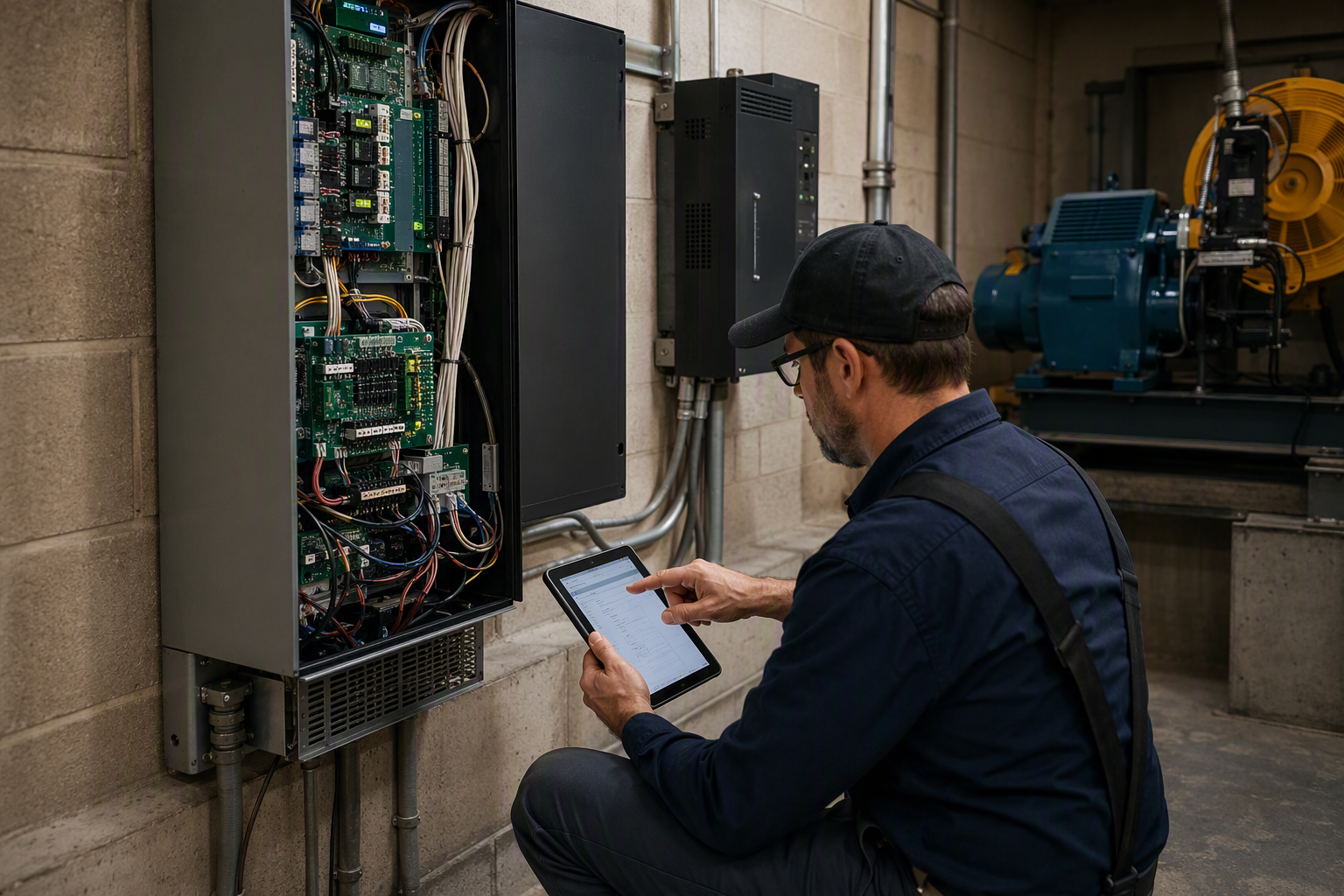
Florida’s climate, building density, and regulatory environment create distinct demands on elevator systems that differ from much of the United States. Coastal humidity, salt air exposure, and high ambient temperatures accelerate wear on mechanical and electrical components in ways that are less common inland. Both Pompano Beach — situated in Broward County along the Atlantic coast — and Sarasota — located on the Gulf Coast — present these environmental challenges at scale.
Beyond the physical environment, Florida enforces its own elevator safety regulations under the Florida Building Code in conjunction with nationally recognized standards. The elevator service company a property owner selects must be equipped to navigate both layers: state and local code requirements as well as the foundational federal standards that govern elevator safety across the country.
The consequence of selecting an underqualified or non-compliant elevator contractor can include failed inspections, extended downtime, liability exposure, and — most critically — safety risks to building occupants. These stakes make due diligence in vendor selection a business necessity, not a preference.
What Code Standards Must an Elevator Company Follow in Florida?
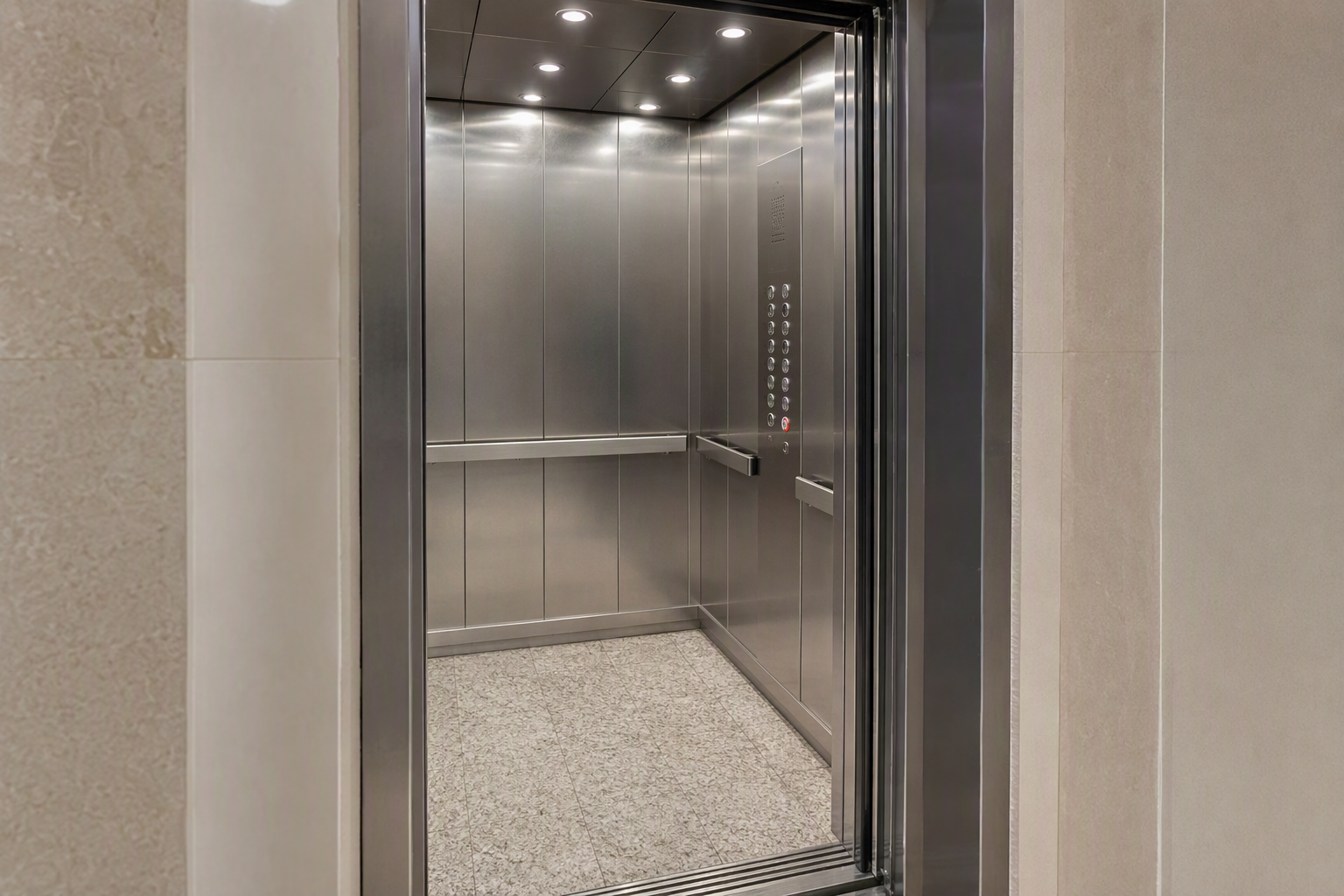
Any elevator service company operating in Pompano Beach, Sarasota, or elsewhere in Florida is required to perform work in accordance with recognized national safety standards. The primary governing standard is the ASME A17.1 Safety Code for Elevators and Escalators, which establishes requirements for the design, construction, installation, operation, inspection, testing, maintenance, alteration, and repair of elevators and related conveying systems.
Florida also adopts the ASME A17.3 Safety Code for Existing Elevators and Escalators, which specifically addresses retroactive safety requirements for older installations — a particularly relevant standard given the age of many commercial and residential buildings in both Pompano Beach and Sarasota.
Accessibility compliance is an additional mandatory consideration. Any elevator system in a public-facing building must conform to Americans with Disabilities Act (ADA) requirements, which govern cab dimensions, door timing, control placement, and audible/visual signaling. An elevator service company that cannot demonstrate familiarity with ADA requirements is not positioned to serve most commercial properties.
Workplace safety for elevator technicians is governed by OSHA standards, and reputable contractors ensure all technicians operate under compliant safety protocols during service visits. This protects both the workers and the building owner from liability.
What Services Should a Qualified Elevator Company Offer?
A full-service elevator contractor should be capable of addressing the complete lifecycle of an elevator system. Property owners in Pompano Beach and Sarasota should evaluate whether a prospective company covers all of the following service categories:
- Routine Preventive Maintenance: Scheduled inspections and lubrication, adjustment, and testing of mechanical and electrical components to prevent failures before they occur.
- State-Mandated Inspections and Testing: Florida requires periodic inspections and witnessed load tests. A qualified contractor assists with scheduling, documentation, and deficiency correction.
- Repair Services: Addressing component failures including door operators, controller boards, motor drives, ropes, safeties, and hydraulic systems.
- Modernization: Upgrading aging elevator systems to bring them into compliance with current ASME A17.3 requirements and to improve performance, energy efficiency, and aesthetics.
- New Installation: Design, procurement, and installation of elevators in new construction in compliance with ASME A17.1 and local building department requirements.
- ADA Compliance Upgrades: Retrofitting existing systems to meet ADA accessibility standards.
- Emergency and Entrapment Response: Protocols for safely responding to passenger entrapments and system failures.
Axxiom Elevator Florida provides this full spectrum of services across both the Pompano Beach and Sarasota markets, functioning as a single-source partner for property owners who want consistent, documented, code-compliant elevator management.
How Do I Compare Elevator Service Companies in Pompano Beach or Sarasota?
When evaluating elevator contractors in either market, property owners and facility managers should use a structured comparison framework. The following criteria represent the most meaningful differentiators between service providers:
- Florida State Licensing: Verify the company holds an active, current elevator contractor license issued by the State of Florida. This is a baseline requirement, not a differentiator — but it eliminates unlicensed operators immediately.
- Code Familiarity: Ask specifically about the company’s experience with the current editions of ASME A17.1 and A17.3. Their answer should reflect working knowledge, not vague generalities.
- Local Market Presence: A company actively servicing Broward County and Sarasota County properties understands local building department processes, permit timelines, and inspector relationships — practical advantages that reduce project friction.
- Service Documentation: Request sample maintenance logs, inspection reports, and deficiency correction records. Data-driven contractors maintain complete paper trails that protect property owners during regulatory audits.
- Equipment Brand Coverage: Verify the contractor services the specific equipment brands installed in your building. Not all companies carry parts or training for all manufacturers.
- References and Portfolio: Request references from similar property types — residential high-rises, commercial office buildings, healthcare facilities, or hospitality properties — in the relevant geographic area.
- Communication and Reporting: Evaluate how the company communicates service findings and how proactively they report upcoming compliance deadlines.
What Are the Inspection Requirements for Elevators in Florida?
Florida elevator inspection requirements are layered. State law requires that elevators be inspected at defined intervals, and those inspections must be conducted by certified elevator inspectors. The specific frequency and scope of required tests — including periodic no-load tests, full-load tests, and safety device tests — align with the ASME A17.1 Safety Code for Elevators and Escalators and applicable Florida statutes.
Property owners are responsible for ensuring inspections are completed on time and that certificates of operation are current and posted in the elevator cab or machine room as required. Failure to maintain current inspection status can result in citations, fines, and mandatory shutdown of the elevator until compliance is restored.
A qualified elevator service company tracks inspection due dates for all units under a maintenance agreement and proactively coordinates with local building departments to schedule required witnessed tests. This removes administrative burden from property management staff and reduces the risk of lapsed certificates.
What Drives the Cost of Elevator Service in Pompano Beach and Sarasota?
Elevator service pricing is influenced by a range of factors that vary by property and equipment type. Understanding these drivers helps property owners budget accurately and evaluate quotes fairly:
- Equipment Type and Age: Hydraulic elevators, traction elevators, and MRL (machine room-less) elevators have different maintenance profiles. Older systems with proprietary controllers may require more labor-intensive servicing and harder-to-source parts.
- Number of Units and Stops: Properties with multiple elevators or high-rise buildings with more floors involve greater complexity and time per service visit.
- Service Scope: A full-maintenance agreement that includes parts replacement carries a different cost structure than a lubrication-and-adjustment contract.
- Compliance Deficiencies: Buildings with outstanding code violations or aging equipment approaching mandatory modernization thresholds under ASME A17.3 will face higher near-term service investment.
- Coastal Environment Factors: Properties in Pompano Beach and coastal Sarasota may require more frequent corrosion inspection and component treatment due to salt air exposure, which can affect maintenance intervals and parts lifespan.
Axxiom Elevator Florida approaches service scoping and pricing transparently, providing property owners with a clear assessment of equipment condition and compliance status before recommending a service program.
What Should I Do Immediately If My Elevator Fails or Traps a Passenger?
- Do not attempt to open elevator doors manually or have untrained personnel intervene. Forced entry into an elevator shaft or car by unqualified individuals creates serious injury risk and potential OSHA liability.
- Contact emergency services (911) if a passenger is trapped and reports distress, injury, or a medical condition.
- Use the elevator’s emergency communication system to maintain voice contact with any trapped passengers and reassure them that help is on the way.
- Contact your elevator service contractor immediately to dispatch a qualified technician for entrapment response and equipment assessment.
- Take the elevator out of service by posting clear signage and, where possible, activating out-of-service mode at the controller until the unit has been inspected and cleared by a qualified technician.
- Document the incident thoroughly — date, time, number of passengers affected, nature of the malfunction, technician response time, and findings. This documentation is essential for regulatory reporting and liability protection.
- Determine root cause before returning the elevator to service. A temporary fix that does not address the underlying failure creates repeat risk and potential code violation.
What Elevator Industry Trends Are Shaping Service in 2025 and 2026?
Several trends are meaningfully influencing how elevator service companies operate and how property owners should evaluate their vendor relationships heading into 2026:
Remote Monitoring and Predictive Maintenance: The elevator industry is increasingly deploying IoT-connected monitoring systems that detect anomalies in real time and allow service companies to address potential failures before they become entrapments or downtime events. Property owners should ask prospective contractors whether they offer or support connected monitoring solutions.
Modernization Demand Growth: A large portion of the elevator inventory across Florida — including in Pompano Beach and Sarasota — was installed decades ago and is approaching the age thresholds at which ASME A17.3 retroactive requirements become applicable. The volume of modernization projects is expected to grow through 2026, creating scheduling and parts supply considerations that property owners should plan for proactively.
Energy Efficiency and Sustainability: Building owners pursuing LEED certification or ESG reporting goals are increasingly interested in elevator modernization projects that replace legacy hydraulic systems or high-consumption motor drives with more efficient alternatives. Elevator service companies with modernization expertise are better positioned to support these goals.
Technician Workforce Constraints: The elevator trades continue to face workforce pipeline challenges nationally. This makes the depth and stability of a service company’s technical workforce an increasingly important evaluation criterion — contractors with well-staffed local operations in Pompano Beach and Sarasota are better positioned to deliver consistent service levels.
ADA Enforcement Activity: Accessibility litigation and enforcement activity related to vertical transportation continues to be active. Property owners who have not audited their elevator systems for ADA compliance recently face growing exposure, making compliance audits a prudent investment in 2025 and 2026.
How Does Local Market Knowledge Affect Elevator Service Quality?
Elevator service is not purely technical — it is also logistical and relational. A contractor that operates actively in Pompano Beach and Sarasota understands the specific building permit processes administered by Broward County, the City of Pompano Beach, Sarasota County, and the City of Sarasota. Local familiarity shortens permit approval timelines, reduces coordination friction with inspectors, and allows faster parts procurement through established local supply relationships.
Axxiom Elevator Florida operates with direct knowledge of both markets, allowing the company to function as a true local partner rather than a regional dispatch center routing calls through a centralized hub unfamiliar with local regulatory nuance.
What Types of Properties in Pompano Beach and Sarasota Require Elevator Service?
Elevator service needs vary meaningfully by property type, and the right service company should have documented experience across the building categories relevant to each market:
- Residential High-Rises and Condominiums: Both Pompano Beach and Sarasota have significant concentrations of multi-story residential buildings where elevator reliability directly affects resident satisfaction and property value.
- Commercial Office Buildings: Tenant retention and ADA compliance make elevator performance a material issue for commercial landlords.
- Healthcare and Senior Living Facilities: Elevator reliability is a patient and resident safety issue in these settings, with heightened regulatory scrutiny.
- Hospitality Properties: Hotels and resorts in both markets depend on elevator uptime as a direct component of guest experience.
- Retail and Mixed-Use Developments: ADA requirements and high traffic volumes create distinct maintenance demands in retail elevator applications.
- Industrial and Warehouse Facilities: Freight elevators and vertical reciprocating conveyors in industrial settings require specialized service expertise.
What Questions Should I Ask an Elevator Service Company Before Signing a Contract?
Before committing to a maintenance or modernization agreement with any elevator contractor in Pompano Beach or Sarasota, property owners should ask the following:
- Is your Florida elevator contractor license current and in good standing? Can you provide the license number for verification?
- Which editions of ASME A17.1 and A17.3 does your team reference for maintenance and compliance work?
- Do you carry parts and have training for the specific elevator manufacturer and controller type installed in my building?
- What is included in your maintenance agreement — lubrication and adjustment only, or full parts coverage?
- How do you document service visits, and how do I access those records?
- How do you track and notify me of upcoming required inspection and test deadlines?
- Can you provide references from similar property types in Broward or Sarasota County?
- What is your process when a deficiency is identified during a maintenance visit?
- How do you handle entrapment response?
- Do you offer a compliance audit or assessment for new clients before a maintenance agreement begins?
How Does Axxiom Elevator Florida Approach Service in These Markets?
Axxiom Elevator Florida serves property owners and facility managers across Pompano Beach and Sarasota with a data-driven approach to elevator lifecycle management. Rather than offering reactive break-fix service as the primary model, Axxiom structures its work around documented compliance, preventive maintenance protocols, and proactive communication — giving property owners the information they need to make informed decisions about their vertical transportation assets.
The company’s service methodology is grounded in the requirements of ASME A17.1 and A17.3, with attention to ADA accessibility standards and OSHA workplace safety requirements. This standards-anchored framework means that service recommendations are tied to objective criteria rather than upsell incentives.
For property owners who have not recently conducted a formal assessment of their elevator systems’ compliance status, condition, and projected maintenance needs, Axxiom Elevator Florida offers free elevator assessments — a logical first step before selecting or renewing an elevator service contract.
What Is the Difference Between a Maintenance Contract and a Full-Maintenance Agreement?
Elevator service contracts vary significantly in what they cover, and property owners in Pompano Beach and Sarasota should understand the distinctions before signing:
Lubrication, Adjustment, and Examination (Oil and Grease) Contracts: These cover routine visits, lubrication of moving parts, adjustment of components, and visual examination. Parts replacement and major repairs are billed separately. This structure typically carries a lower base cost but can result in unpredictable repair expenses.
Parts and Labor Contracts: These agreements include specified parts categories in addition to routine maintenance visits, reducing but not eliminating exposure to unexpected repair costs. The scope of included parts varies by contract.
Full-Maintenance Contracts: Comprehensive agreements that typically include most or all parts, labor, and repair costs within the contract terms. These provide the most predictable cost structure and are often preferred by property managers overseeing multiple units or operating under fixed budgets.
Understanding which contract structure a prospective elevator company is proposing — and what specific exclusions apply — is essential to comparing quotes accurately across vendors.
What Are the Risks of Delaying Elevator Maintenance or Modernization?
Deferred maintenance on elevator systems carries compounding risk across several dimensions:
- Safety Risk: Worn safeties, failing door operators, and deteriorating ropes or hydraulic systems increase the probability of failures that can injure occupants. The ASME A17.1 Safety Code exists precisely because these risks are real and preventable.
- Regulatory Risk: Failed inspections, lapsed certificates of operation, and outstanding code violations can result in mandatory elevator shutdown — a significant operational and reputational disruption for any property.
- Legal and Liability Risk: An elevator incident in a building with documented deferred maintenance creates substantial exposure in personal injury litigation.
- Cost Escalation: Components that fail completely are typically more expensive to repair or replace than those addressed during routine maintenance. Modernization projects deferred past the point of component availability can also face parts obsolescence challenges.
- ADA Exposure: Buildings that remain out of compliance with ADA accessibility requirements face ongoing litigation risk that grows with each year of non-compliance.
Get a Free Elevator Assessment from Axxiom Elevator Florida
Property owners and facility managers in Pompano Beach and Sarasota deserve a clear, objective picture of their elevator systems’ compliance status, condition, and service needs — before problems arise. Axxiom Elevator Florida provides free elevator assessments to help you make informed decisions grounded in code requirements and equipment reality, not sales pressure.
Contact Axxiom Elevator Florida for a free elevator assessment:
Need elevator service you can rely on? Axxiom Elevator Florida is ready to help.