Elevator Accident Statistics: What the Data Really Shows
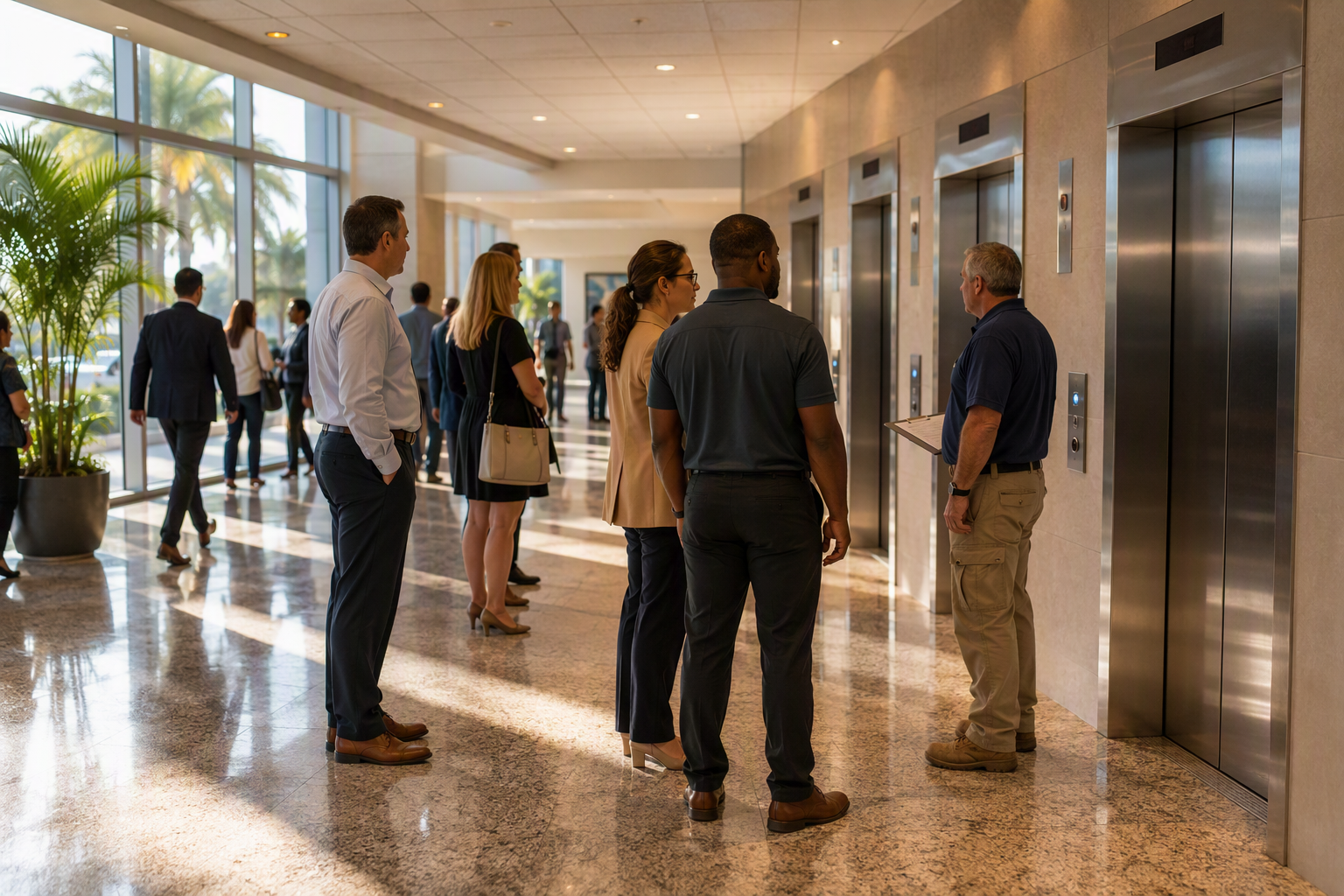
Elevators move an estimated 18 billion passengers per year in the United States alone, making them one of the most heavily used forms of transportation in the country. Yet despite their ubiquity, many building owners, facility managers, and riders have little visibility into the underlying safety data that governs how these systems are designed, inspected, and maintained. This authority page aggregates the most reliable publicly available elevator accident statistics, explains what drives risk, and outlines the safety standards that exist to protect passengers and workers alike.
What Do Elevator Accident Statistics Show Overall?
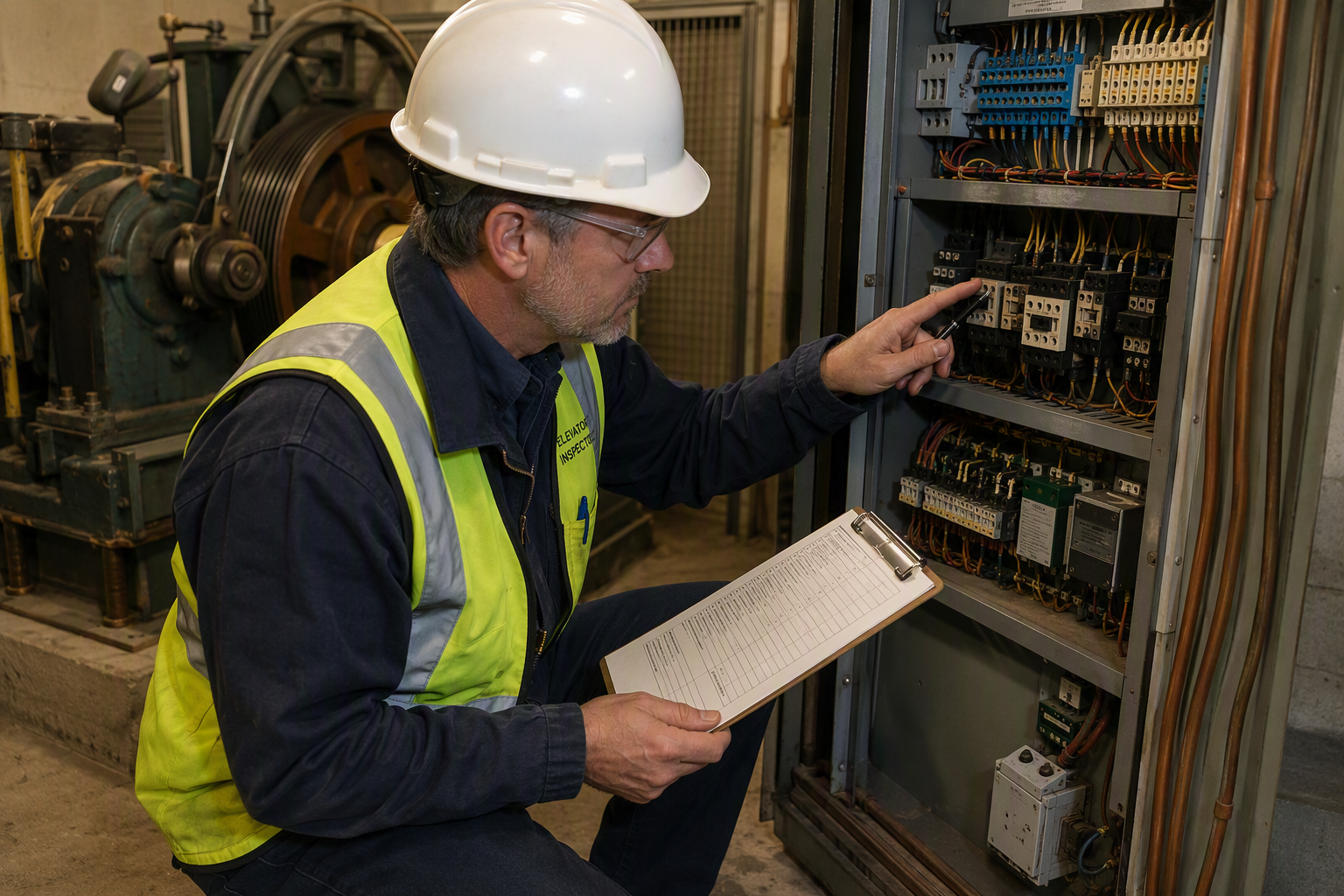
The most widely cited federal data on elevator and escalator injuries comes from the Occupational Safety and Health Administration (OSHA) and research compiled through the U.S. Consumer Product Safety Commission (CPSC). The data consistently shows two important realities: elevators are statistically among the safest forms of transportation per trip, yet when accidents do occur, they can result in serious or fatal injuries — particularly for workers performing maintenance.
| Metric | Figure | Population Affected |
|---|---|---|
| Annual elevator/escalator injuries (U.S.) | ~17,000 | Passengers & workers |
| Annual elevator/escalator fatalities (U.S.) | ~30 | Predominantly workers |
| Worker share of fatal elevator accidents | ~50% | Maintenance & construction workers |
Note: The figures above reflect CPSC and OSHA research that has been widely cited in industry safety literature. Always consult primary federal sources for the most current data.
Who Is Most at Risk in Elevator Accidents?
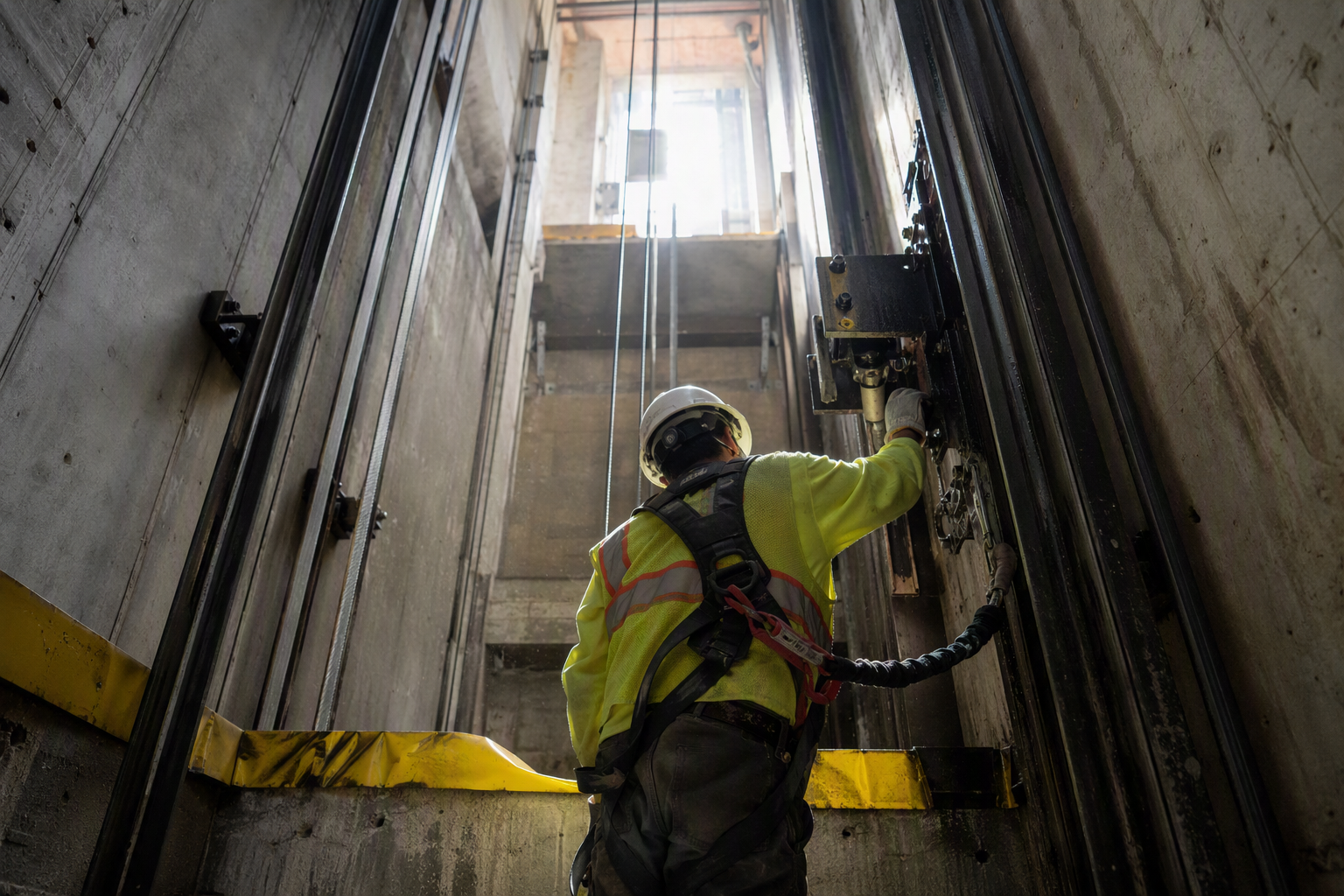
Elevator accident data reveals a clear pattern: maintenance and construction workers face disproportionately higher risks than ordinary passengers. OSHA highlights elevator shaft falls, caught-in/between hazards, and electrocution as leading causes of worker fatalities during elevator installation and repair work.
For the general riding public, the most common non-fatal incidents involve:
- Trips and falls when stepping into or out of a car that is not level with the floor (a condition called a “mis-leveling” defect)
- Door-related entrapment or impact injuries, particularly in older systems with failing door sensors
- Falls caused by sudden unexpected movement of the car
- Injuries during emergency evacuations from stalled elevators
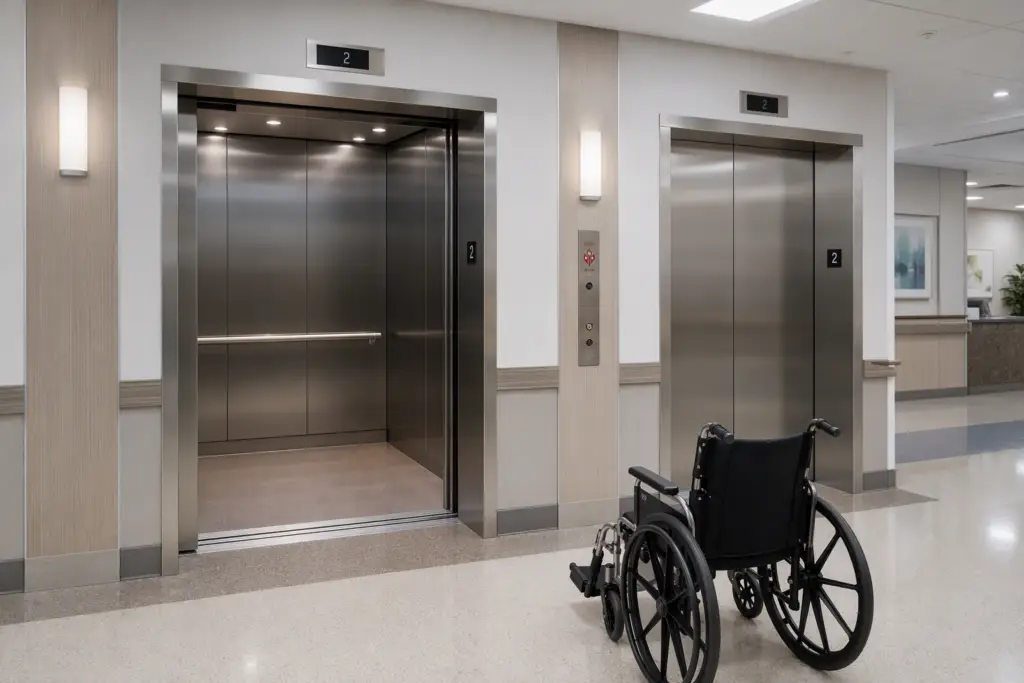
Older adults and individuals with mobility limitations are statistically more vulnerable to injury severity when elevator malfunctions occur, which is one reason the Americans with Disabilities Act (ADA) places specific accessibility and operational reliability requirements on elevator systems in covered buildings.
What Are the Leading Causes of Elevator Accidents?
Safety investigators and OSHA enforcement records point to a consistent set of root causes across elevator accident cases. Understanding these causes is the foundation of any serious risk-reduction strategy.
1. Deferred or Inadequate Maintenance
The most frequently cited contributing factor in elevator incidents is failure to perform scheduled preventive maintenance. Mechanical components such as door operators, leveling devices, braking systems, and hydraulic cylinders deteriorate over time. When inspections are skipped or maintenance is deferred, minor wear conditions escalate into failure events.
2. Outdated Equipment and End-of-Life Components
Elevator systems have design lifespans, and aging equipment operating beyond those parameters — particularly older relay-logic controls, hydraulic units with original cylinders, and worn traction cables — presents elevated risk profiles that even diligent maintenance cannot fully offset.
3. Door System Failures
Door malfunctions are among the most common sources of passenger injury claims. Sensors that fail to detect obstructions, doors that close with excessive force, and doors that open between floors represent serious hazards that are largely preventable through timely component replacement.
4. Non-Compliant or Poorly Supervised Work Practices
OSHA enforcement actions related to elevator work frequently cite inadequate lockout/tagout procedures, failure to use personal fall protection in shaft environments, and insufficient worker training as proximate causes of serious injuries and fatalities.
5. Lack of Compliance with Applicable Safety Codes
The ASME A17.1 Safety Code for Elevators and Escalators sets the baseline safety requirements for elevator design, construction, installation, operation, inspection, testing, maintenance, and repair in the United States and Canada. When elevator systems are not brought into compliance with current editions of this code — including required retrofits — accident risk increases measurably.
What Does ASME A17.1 Require to Prevent Accidents?
The ASME A17.1 Safety Code for Elevators and Escalators is the primary engineering and safety standard governing elevator systems in the U.S. It establishes requirements across the full elevator lifecycle, including:
- Mandatory safety devices such as governor-actuated safeties, buffers, and door reopening devices
- Performance criteria for leveling accuracy to reduce trip-and-fall risks
- Required inspection and test intervals for different elevator types and components
- Specific provisions for firefighters’ emergency operation
- Requirements for machine room conditions, lighting, and access
- Seismic safety provisions in applicable jurisdictions
Florida enforces elevator safety through the Florida Department of Business and Professional Regulation (DBPR) using standards aligned with ASME requirements. Building owners are legally required to maintain valid certificates of operation, which are renewed following state-mandated periodic inspections. Failure to comply can result in mandatory shutdown orders, citations, and liability exposure in the event of an accident.
What Should You Do Immediately After an Elevator Accident?
- Ensure immediate safety: If anyone is injured, call 911 before taking any other action. Do not attempt to move a seriously injured person unless there is an immediate threat to life.
- Secure the elevator: Place the elevator out of service by using the stop switch if safely accessible, and post a visible “Out of Service” notice at every landing door.
- Notify building management and ownership: The responsible party must be informed immediately so the incident reporting chain is activated.
- Preserve the scene: Do not reset or operate the elevator until a qualified elevator mechanic and, if required, a state inspector have examined the equipment and documented the condition.
- Document everything: Photograph the elevator interior, door threshold, floor landing, and any visible component damage. Collect witness contact information.
- File required reports: Florida law and OSHA regulations (for workplace accidents) may require formal incident reporting within specific timeframes. Consult legal counsel and your insurance carrier promptly.
- Commission a third-party safety evaluation: Before returning the elevator to service, have a licensed elevator company conduct a thorough mechanical inspection to identify and correct the root cause.
How Do Elevator Accidents Compare to Other Transportation Risks?
When elevator accident statistics are placed in context, elevators consistently emerge as a remarkably safe mode of transportation on a per-trip basis. The volume of elevator trips completed without incident each year in the United States — estimated in the billions — dwarfs the number of recorded accidents. By contrast, automobiles, escalators, and stairways each produce significantly higher per-use injury rates than elevators that are properly maintained and code-compliant.
However, this context does not minimize individual incidents. A single elevator accident in a commercial building can result in serious liability, regulatory action, reputational harm, and — most importantly — genuine harm to a real person. The relatively low statistical frequency of elevator accidents is largely a function of the safety systems and inspection regimes that exist — not an inherent property of elevator equipment operating without oversight.
What Types of Buildings Have the Highest Elevator Accident Rates?
While comprehensive building-type breakdowns in publicly available federal data are limited, industry safety literature and OSHA enforcement patterns consistently point to elevated risk in certain settings:
- Older residential and commercial buildings with original elevator equipment that has not been modernized
- High-traffic public facilities such as hospitals, transit stations, and hotels where passenger volumes accelerate component wear
- Construction sites where personnel hoists and construction elevators operate in inherently more hazardous conditions
- Buildings with extended inspection lapses or where the required state certificate of operation has lapsed
- Properties with deferred capital maintenance where owners have extended equipment replacement cycles beyond recommended service life
What Are the 2025–2026 Trends in Elevator Safety?
The elevator industry is undergoing meaningful change in how safety data is collected, analyzed, and acted upon. Several qualitative trends are shaping the safety landscape heading into 2026:
Predictive Maintenance Technology: Connected elevator systems with real-time condition monitoring sensors are increasingly being adopted in commercial and high-rise residential buildings. Rather than relying solely on scheduled inspection intervals, these systems can flag developing mechanical issues before they produce failures — shifting the industry from reactive to predictive maintenance models.
Remote Monitoring and Diagnostics: Major elevator manufacturers and independent service providers are expanding remote diagnostics capabilities. This allows technicians to identify fault codes and performance anomalies without a physical site visit, reducing both response times and the risk that a problem goes undetected between inspections.
Code Update Cycles: The ASME A17.1 Safety Code for Elevators and Escalators undergoes regular revision cycles. Building owners and facility managers should confirm with their elevator service provider which edition their jurisdiction enforces and whether any required retroactive safety device upgrades apply to their equipment.
Increased Regulatory Scrutiny in Florida: Florida’s DBPR has continued to enforce elevator inspection requirements across the state’s diverse building stock — from historic downtown commercial properties to newer mixed-use developments. Buildings with aging hydraulic systems and older traction elevators are receiving particular attention as inspectors apply updated safety criteria.
Workforce Training and OSHA Emphasis: OSHA has maintained emphasis on elevator construction and maintenance worker safety, including updated guidance on confined space protocols, lockout/tagout compliance, and fall protection in shaft environments.
How Can Building Owners Reduce Elevator Accident Risk?
Risk reduction in elevator safety is not a single action — it is a continuous operational practice. The following measures represent the most evidence-supported approaches to lowering accident probability:
- Maintain a current, valid Florida state certificate of operation and never allow it to lapse
- Execute a comprehensive preventive maintenance agreement with a licensed elevator company — not merely a basic lubrication and inspection contract
- Address all code violations and inspector-identified deficiencies promptly rather than deferring corrections
- Evaluate aging equipment for modernization when the cost of maintaining an older system begins to outweigh the cost of upgrading safety-critical components
- Educate building staff on proper emergency protocols so they can respond effectively when a passenger becomes trapped or an incident occurs
- Ensure that ADA compliance under the Americans with Disabilities Act is maintained, including functional door reopening devices and accurate floor leveling
- Request detailed maintenance logs from your service provider and review them periodically — not just at inspection time
What Is the Difference Between an Elevator Inspection and a Full Safety Evaluation?
A state-mandated periodic inspection — the type required to renew a certificate of operation — is a standardized assessment that verifies whether an elevator meets minimum code requirements at a point in time. It does not necessarily capture the full condition picture of every mechanical and electrical component on a system that may be years or decades old.
A comprehensive safety evaluation goes beyond code compliance checkboxes. It examines the overall mechanical condition of the equipment, identifies components approaching end of life, documents deferred maintenance items, and produces a prioritized finding report that building ownership can use to make informed capital planning decisions. This type of evaluation is particularly valuable for buildings acquiring existing properties with elevator equipment of unknown service history or for buildings that have experienced a pattern of service calls and malfunctions.
What Are the Legal and Liability Implications of Elevator Accidents?
Building owners have a well-established legal duty of care to maintain elevators in a safe and code-compliant condition. When an accident occurs and investigation reveals deferred maintenance, lapsed inspection certifications, or known unaddressed deficiencies, liability exposure for the building owner and property management company is substantial.
Florida premises liability law places affirmative obligations on property owners to keep common areas — including elevators — reasonably safe. An expired certificate of operation, a maintenance log showing missed service visits, or a history of unresolved work orders can each become significant evidence in personal injury litigation.
Insurance carriers that underwrite commercial property and general liability policies are increasingly scrutinizing elevator maintenance records during policy renewals. Properties with documented maintenance programs and clean inspection histories typically present more favorable risk profiles than those with lapses in their records.
How Does Axxiom Elevator Florida Use Data to Guide Elevator Safety?
Axxiom Elevator Florida approaches elevator safety as a data-informed discipline rather than a reactive service model. By combining knowledge of ASME code requirements, Florida DBPR regulatory standards, and detailed equipment condition documentation, the company helps building owners in Florida move from a cycle of emergency repairs and inspection failures toward a proactive maintenance posture.
Rather than relying on generic service schedules, Axxiom Elevator Florida’s approach emphasizes building-specific condition assessment — recognizing that a 1985 hydraulic elevator in a mid-rise office building presents an entirely different risk profile than a 2018 machine-room-less traction elevator in a new mixed-use development. Understanding the actual condition of equipment, not just its age or brand, is what drives meaningful accident prevention.
For Florida building owners and facility managers trying to make sense of elevator accident risk as it applies to their specific properties, working with a service provider that grounds its recommendations in documented inspection findings and applicable code standards — rather than upsell pressure — is essential to genuine risk reduction.
Frequently Asked Questions: Elevator Accident Statistics
How many people are injured in elevator accidents each year in the U.S.?
Research cited by the U.S. Consumer Product Safety Commission and referenced by OSHA indicates approximately 17,000 elevator and escalator-related injuries occur annually in the United States. This figure encompasses both passenger incidents and worker injuries.
How many people die in elevator accidents each year?
Approximately 30 fatalities per year are attributed to elevators and escalators in the U.S. according to CPSC and OSHA data. A significant portion of those fatalities involve workers — particularly maintenance technicians and construction workers — rather than riding passengers.
Are elevators statistically safe for passengers?
On a per-trip basis, elevators are among the safest forms of transportation available. The billions of uneventful elevator trips completed each year in the U.S. vastly outnumber recorded incidents. However, that safety record is a product of the inspection, maintenance, and code compliance systems that govern the industry — not a property of unmonitored elevator operation.
What causes most elevator accidents?
The most commonly identified root causes across elevator accident records are deferred maintenance, aging or end-of-life equipment, door system failures, and non-compliant work practices during maintenance and construction. The ASME A17.1 Safety Code for Elevators and Escalators exists precisely to address these risk factors through enforceable design and maintenance standards.
Who is most at risk from elevator accidents?
Elevator maintenance and construction workers face the highest fatality risk. Among the general passenger population, older adults and individuals with mobility limitations tend to experience more severe outcomes when elevator malfunctions occur. Door-related incidents affect a wide range of passenger demographics.
What are the most common types of elevator injuries?
Common elevator injury types include trips and falls at mis-leveled doors, impact or entrapment injuries from malfunctioning door systems, injuries during emergency evacuation from stalled elevators, and falls in shaft environments during maintenance work.
How often are elevators required to be inspected in Florida?
Florida requires periodic elevator inspections administered through the Department of Business and Professional Regulation (DBPR). The specific intervals depend on elevator type and use classification. Inspection requirements are grounded in standards aligned with the ASME A17.1 Safety Code for Elevators and Escalators. Building owners must maintain a valid certificate of operation at all times.
What OSHA standards apply to elevator work?
OSHA applies multiple standards to elevator installation, maintenance, and repair work, including regulations covering lockout/tagout energy control (29 CFR 1910.147), fall protection, and confined space entry. Worker fatalities in elevator environments frequently involve failures to comply with these standards.
Does ADA compliance affect elevator safety?
Yes. The Americans with Disabilities Act establishes accessibility and operational performance requirements for elevators in covered buildings. Requirements such as accurate floor leveling, door timing, and audible/visual indicators are directly related to preventing passenger injuries — particularly for individuals with disabilities or limited mobility.
How can I reduce elevator accident risk in my Florida building?
The most effective risk reduction strategies include maintaining a current certificate of operation, executing a comprehensive preventive maintenance agreement with a licensed elevator company, promptly addressing all inspection deficiencies, considering modernization of aging equipment, and ensuring your service provider documents all work performed. A professional safety evaluation of your current equipment condition is a strong starting point.
What is the cost of ignoring elevator maintenance from a liability standpoint?
While specific figures vary by case and jurisdiction, building owners who allow elevator maintenance to lapse face compounding risk: regulatory penalties and potential shutdown orders from Florida DBPR, increased insurance scrutiny or coverage complications, and substantially heightened liability exposure in personal injury litigation. Documentation of maintenance neglect is frequently central evidence in elevator accident lawsuits.
What should I look for when hiring an elevator service company in Florida?
Building owners should look for licensed providers with demonstrated familiarity with Florida DBPR requirements, ASME A17.1 code knowledge, transparent maintenance documentation practices, and a service model that prioritizes proactive condition assessment over reactive repair. The ability to provide comprehensive written inspection and maintenance records is a non-negotiable requirement for defensible risk management.
Conclusion: Elevator Accident Statistics in Context
Elevator accident statistics tell an important story: these systems are remarkably safe when properly maintained and inspected, but the consequences of neglect — deferred maintenance, outdated equipment, lapsed inspections, and non-compliant work practices — can be serious and preventable. For Florida building owners and facility managers, the regulatory framework through DBPR, the engineering standards of the ASME A17.1 Safety Code for Elevators and Escalators, the worker safety requirements of OSHA, and the accessibility standards of the Americans with Disabilities Act collectively create a robust compliance framework — but that framework only produces safety outcomes when it is actively and consistently applied.
Understanding the data is the first step. Acting on it — through proactive maintenance, timely modernization decisions, and partnership with a knowledgeable service provider — is what actually prevents accidents.
Get a Free Elevator Safety Assessment
Axxiom Elevator Florida provides data-driven elevator assessments to help Florida building owners and facility managers understand their actual equipment condition, code compliance status, and risk profile — before an incident occurs. Don’t wait for a failed inspection or an accident to discover the state of your elevator systems.
Contact Axxiom Elevator Florida for a free elevator assessment:
Need elevator service you can rely on? Axxiom Elevator Florida is ready to help.