Elevator Service in Pompano, FL | Axxiom Elevator Florida
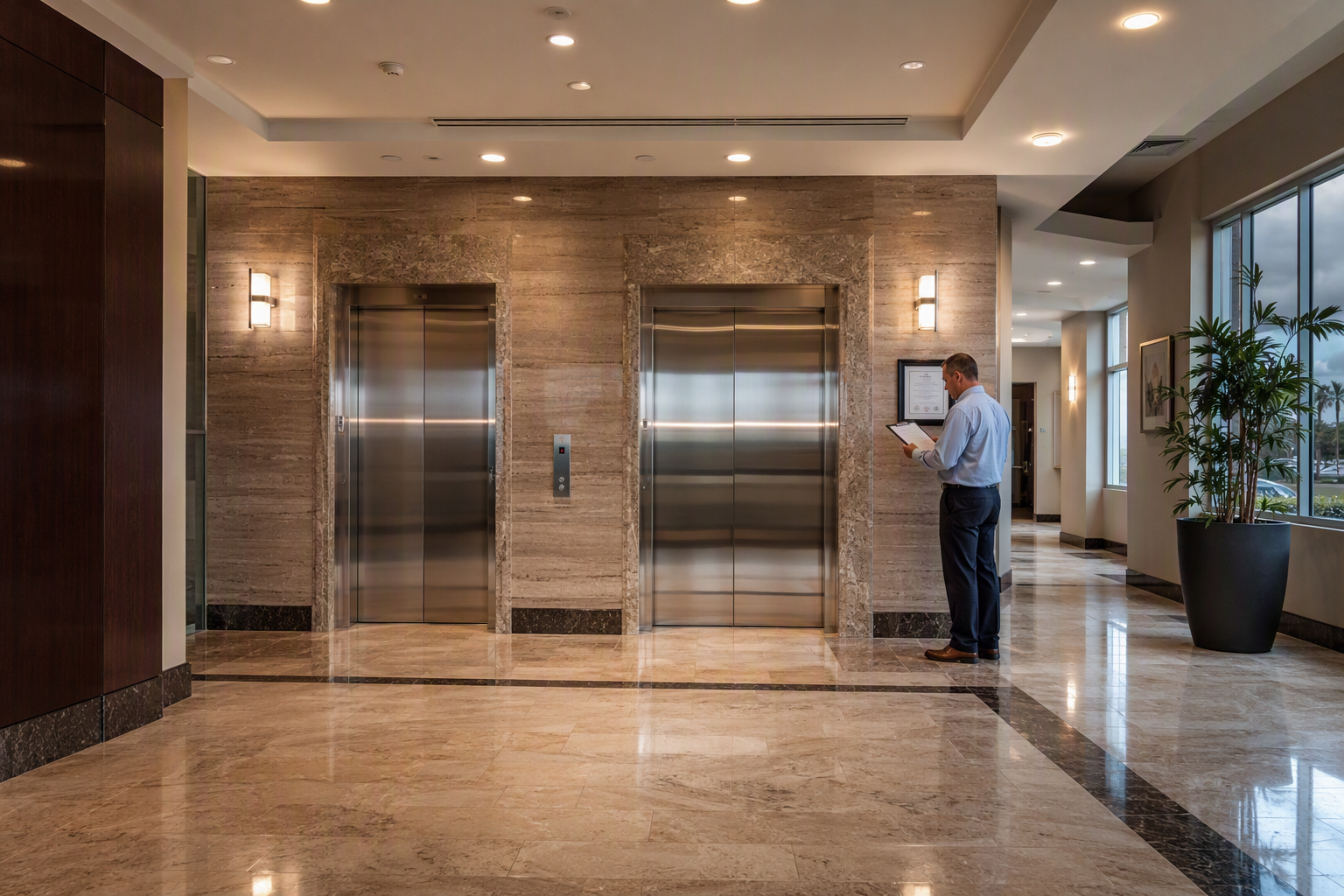
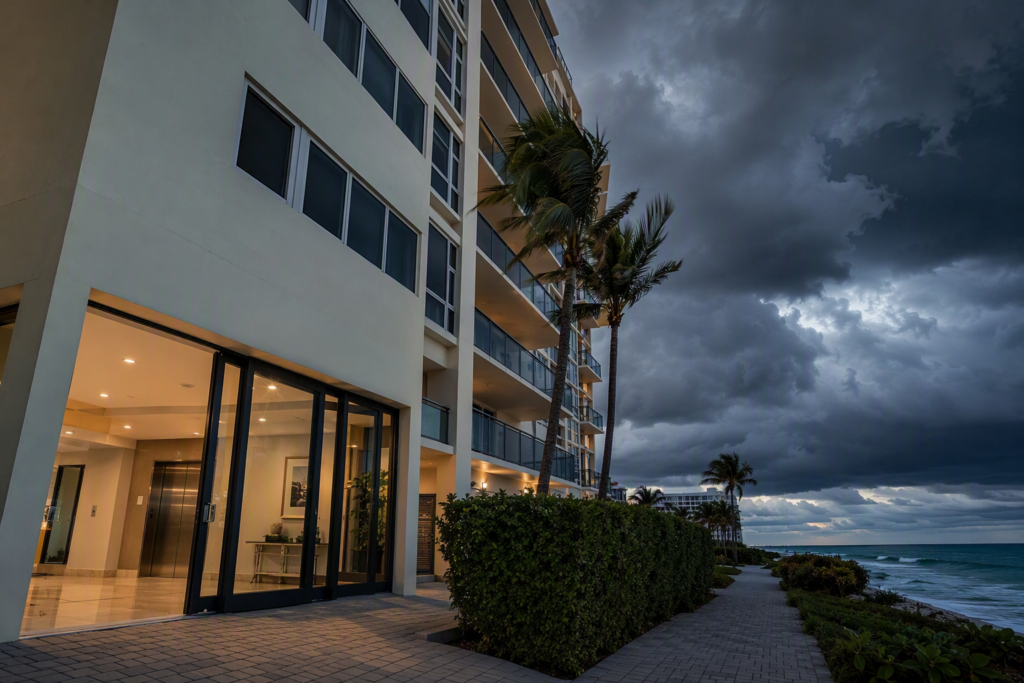
Florida’s hurricane season runs from June 1 through November 30, and every elevator in a coastal or low-lying area faces meaningful weather-related risk during that window. Flooding, power surges, salt-air humidity, and wind-driven debris can damage elevator components that were already marginal — turning a minor maintenance deferral into a costly post-storm repair or a failed inspection. The guidance below helps property owners, building managers, and HOAs in Pompano Beach and throughout Broward, Miami-Dade, and Palm Beach counties understand exactly what upgrades and repairs deserve immediate attention before the season closes.
Why Does Hurricane Season Create Specific Elevator Risks in South Florida?
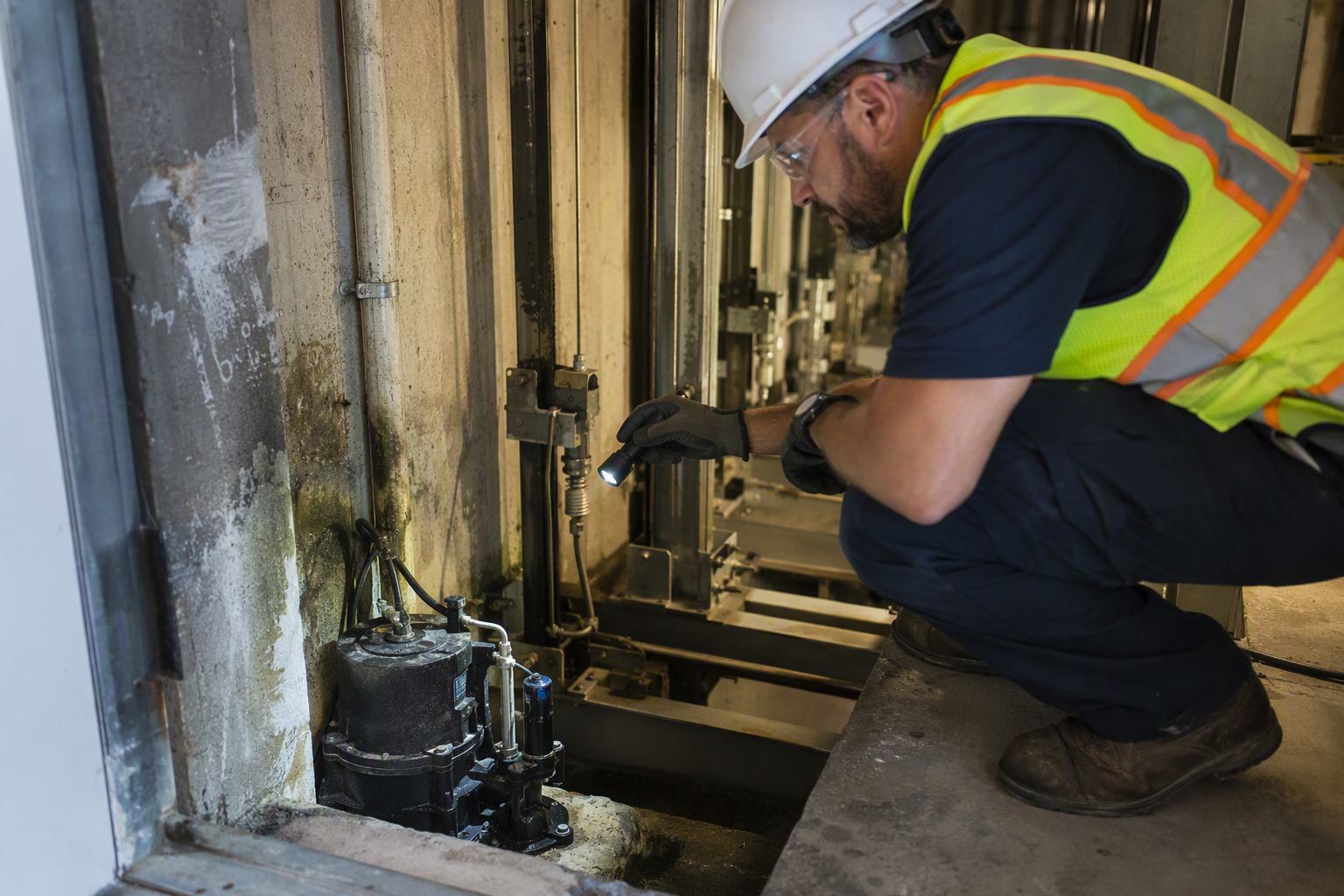
South Florida’s geography makes its elevators uniquely vulnerable. Storm surge and heavy rainfall can infiltrate elevator pits — the lowest point in a building — faster than almost any other mechanical space. Salt-laden air accelerates corrosion on cables, rails, and door tracks. Power outages and voltage fluctuations during and after storms stress controllers, drives, and motor windings. These conditions apply directly to properties throughout Pompano Beach, Deerfield Beach, Fort Lauderdale, Boca Raton, and the broader coastal corridor.
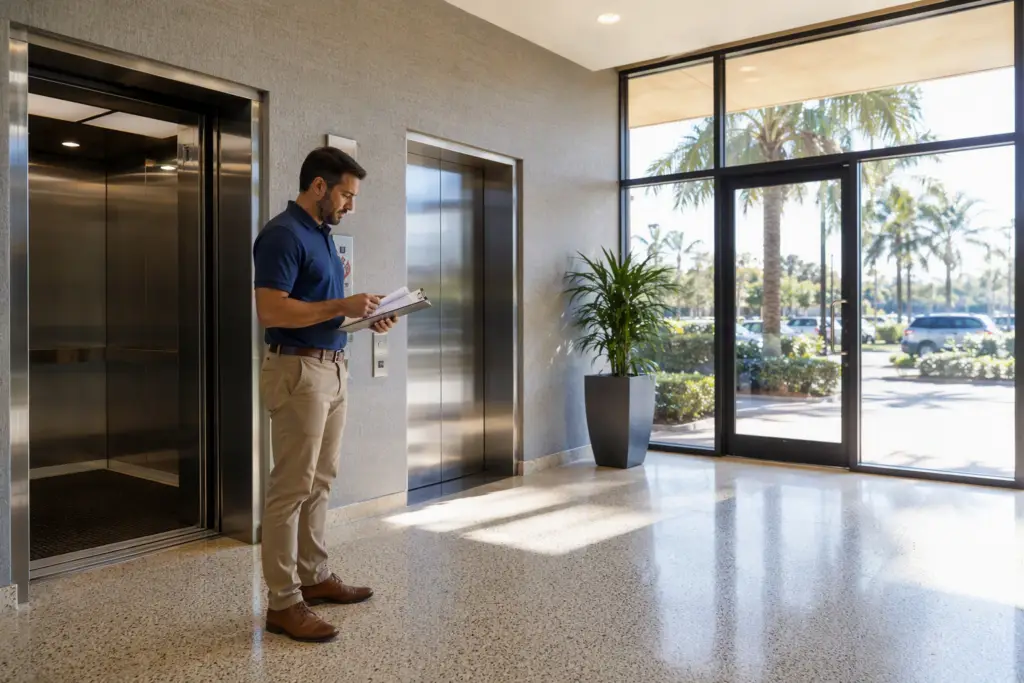
Florida also operates under a strict state elevator regulatory framework. Under Florida Statute Chapter 399, elevators must be inspected and maintained to standards that align with the ASME A17.1 Safety Code for Elevators and Escalators. Annual inspections are mandatory, and certificates of operation must remain current. A storm that forces deferred maintenance into the open can result in a failed inspection, an out-of-service order, and significant liability exposure.
Which Elevator Components Should Be Inspected First Before Hurricane Season Ends?
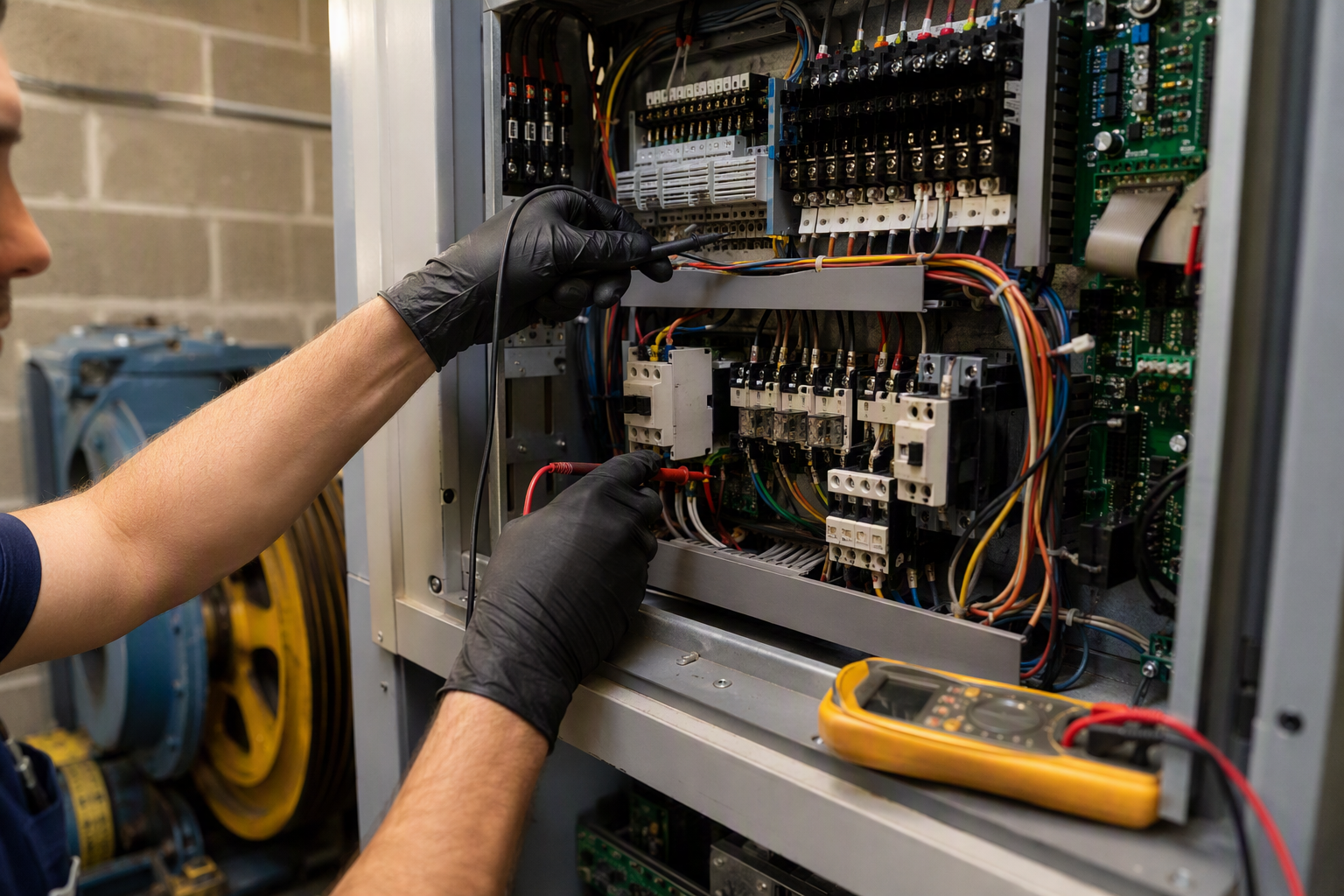
Not every component carries the same weather-related risk. The following areas deserve priority attention at properties throughout Broward and Palm Beach counties:
- Elevator pit waterproofing and sump pump systems: Pit flooding is among the most common post-storm service calls in South Florida. Sump pumps should be tested for functionality, and pit walls should be checked for cracks or gaps that could allow water intrusion.
- Machine room seals and ventilation: Machine rooms must be protected from moisture infiltration. Ventilation systems should be confirmed to exclude water entry during wind-driven rain events.
- Controller and wiring insulation: Humidity and salt air degrade insulation over time. Controllers, terminal strips, and junction boxes should be inspected for corrosion or moisture damage before storm season peaks.
- Hydraulic oil levels and cylinder condition: For hydraulic elevators common in low-rise South Florida buildings, hydraulic fluid levels and cylinder integrity are critical checkpoints. Corrosion around the cylinder casing is a known regional concern.
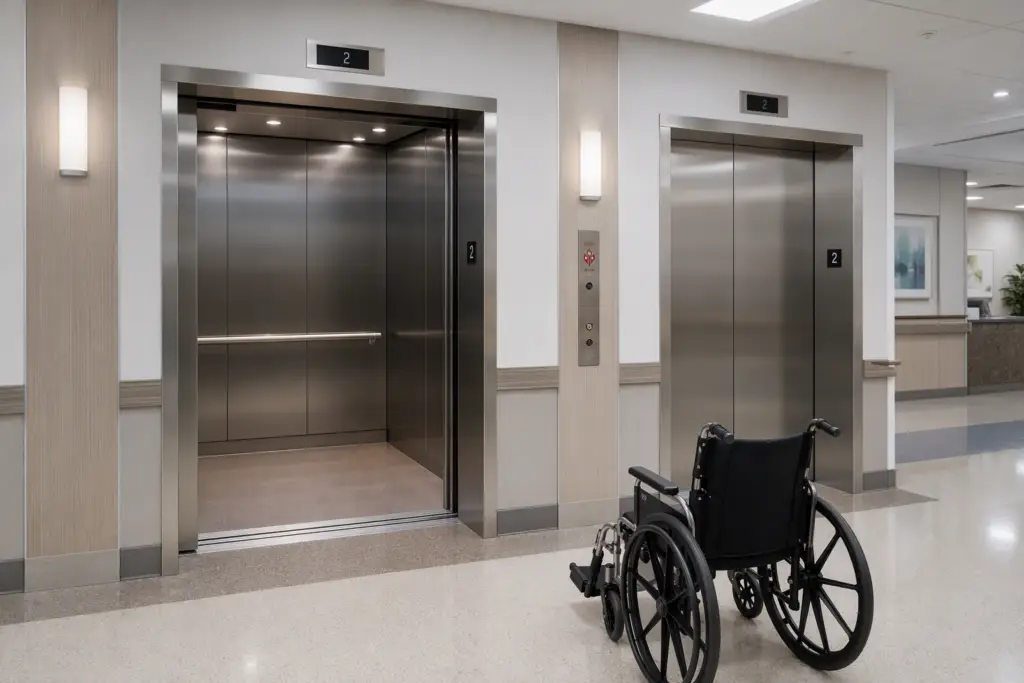
- Door operators, tracks, and sensors: Door systems are a leading source of service calls year-round and are especially vulnerable to humidity-related binding and warping. Ensuring safe door operation also aligns with ADA accessibility requirements for commercial and public-use elevators.
- Steel wire ropes and sheave grooves: Salt-air corrosion on wire ropes is accelerated in coastal environments. Cable condition should be evaluated against the wear and corrosion criteria defined in the ASME A17.1 Safety Code for Elevators and Escalators.
- Emergency lighting and battery backup systems: Florida code requires functional emergency lighting inside the cab. Battery-backed systems must hold a sufficient charge to operate during extended outages — a realistic scenario after a major storm event.
- Seismic and wind-load anchoring of equipment: While Florida’s primary concern is wind rather than seismic activity, machine room equipment should be confirmed as properly secured per manufacturer specifications and applicable code provisions.
What Elevator Upgrades Offer the Best Return Before a Major Storm?
When a full equipment replacement is not in the budget, targeted upgrades can meaningfully reduce hurricane-related vulnerability. The upgrades with the most direct impact in South Florida’s coastal environment include:
- Automatic pit flood sensors and high-water alarms: These allow building staff or remote monitoring systems to detect pit water intrusion before it reaches critical electrical components.
- Solid-state variable frequency drives (VFDs): Modern VFDs are more tolerant of voltage fluctuation than legacy relay-based controls and can extend equipment life in environments with unpredictable power supply.
- Upgraded emergency communication systems: Florida requires a means of two-way communication from the elevator cab. Older telephone line-based systems are vulnerable to outages; cellular-based emergency phones provide continued function when landline infrastructure is down.
- Corrosion-resistant coatings on guide rails and pit equipment: Epoxy coatings or galvanized hardware extend the service life of pit components in humid coastal conditions.
What Are the Florida Code Requirements Property Owners Should Review in 2026?
Florida elevator regulations require annual third-party inspections conducted by licensed inspectors, with certificates of operation issued upon passing. The governing safety standard is the ASME A17.1 Safety Code for Elevators and Escalators, which is adopted by reference under Florida Statute Chapter 399. Property owners should confirm their current certificate of operation is valid and on file, and that any outstanding violations cited at the last inspection have been addressed. Inspections conducted after storm damage may require a fresh certificate before the elevator returns to service.
Commercial and public-use buildings must also maintain compliance with ADA accessibility requirements, which govern cab dimensions, door timing, control placement, and leveling accuracy. These requirements remain in effect regardless of storm-related conditions.
What Should Building Managers Do Immediately After a Major Storm?
- Take the elevator out of service and post clear out-of-service signage at every landing.
- Assess the elevator pit visually from the machine room or hoistway access point — do not enter a flooded pit.
- Turn off the main elevator disconnect switch if there is any indication of water intrusion in the pit or machine room.
- Document all visible damage, including water levels, with photographs before any remediation begins.
- Contact a licensed Florida elevator service company for a post-storm assessment before attempting to return the elevator to operation.
- Do not restore power to the elevator until a qualified technician has cleared the electrical systems and confirmed no water has reached control panels, motor terminals, or wiring.
- If the elevator was operational when power was lost and a passenger may be trapped, contact emergency services — do not attempt to manually release passengers without proper training and equipment.
How Does Axxiom Elevator Florida Serve the Pompano Beach Area?
Axxiom Elevator Florida is a certified elevator service company providing maintenance, inspection support, repair, and modernization services to residential and commercial properties throughout Broward, Miami-Dade, and Palm Beach counties. The company serves a broad range of property types including condominiums, HOAs, office buildings, retail centers, hotels, and healthcare facilities across Pompano Beach, Fort Lauderdale, Boca Raton, Deerfield Beach, Delray Beach, and surrounding communities.
The team at Axxiom Elevator Florida is familiar with the specific code requirements, inspection processes, and environmental conditions that affect elevator equipment along the South Florida coast. Emergency service availability is offered to support property managers when storm-related issues arise outside of standard business hours.
How Do I Compare Elevator Service Vendors Before Hurricane Season Ends?
When evaluating elevator service companies in the Pompano Beach area, property managers and building owners should look for the following:
- State of Florida elevator contractor licensing — required under Chapter 399 to perform elevator work legally in the state
- Familiarity with the current edition of the ASME A17.1 Safety Code and Florida-specific amendments
- Experience with the specific equipment type installed in your building (traction, hydraulic, MRL, etc.)
- Demonstrated knowledge of coastal and hurricane-related elevator vulnerabilities
- Clear, itemized proposals that differentiate maintenance from repair and upgrade scope
- Emergency service availability during and after storm events
- Transparency about inspection status and certificate of operation compliance
What Is a Realistic Timeline for Pre-Hurricane Season Elevator Service?
The scope of work determines the timeline. A comprehensive inspection with minor corrective repairs can typically be scheduled and completed within a short window. Larger modernization projects — controller replacements, hydraulic cylinder work, or full drive upgrades — require longer lead times for parts procurement and may take several days to complete depending on equipment availability. Property owners in Pompano Beach and throughout South Florida are encouraged to schedule assessments well before November 30 to allow adequate time for parts sourcing and any required re-inspection before the certificate of operation is renewed.
Schedule a Free Consultation
Contact Axxiom Elevator Florida to discuss your building’s pre-hurricane service needs, code compliance status, or upgrade priorities. Serving Pompano Beach, Fort Lauderdale, Boca Raton, Deerfield Beach, and communities throughout Broward, Miami-Dade, and Palm Beach counties.
Call us:
Need elevator service you can rely on? Axxiom Elevator Florida is ready to help.