Elevator Entrapment Rescue Procedure: Complete FAQ Guide for Building Owners and Passengers
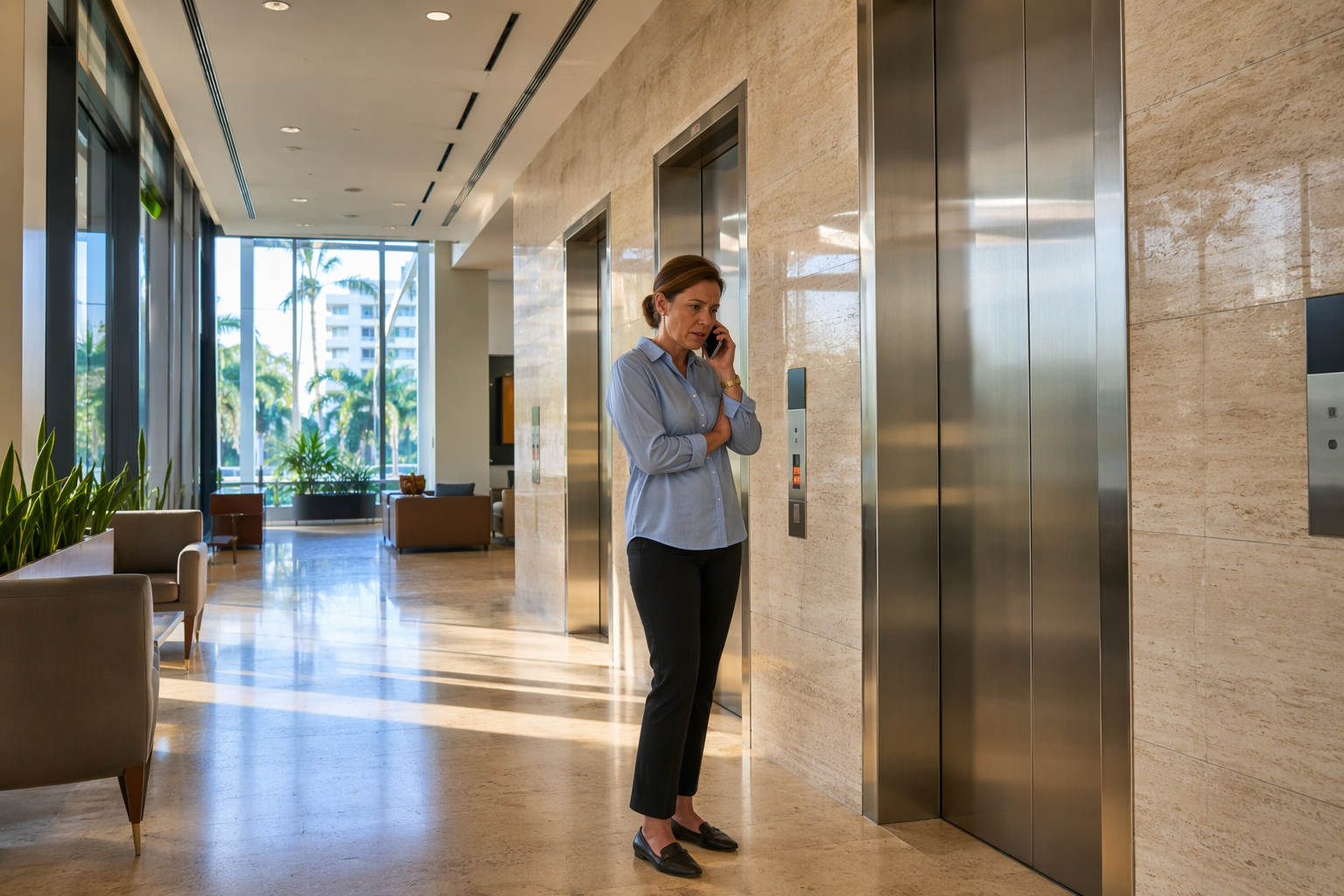
Elevator entrapments are stressful, potentially dangerous situations that demand a clear chain of contact and a practiced rescue protocol. Whether a passenger is trapped in a residential building in Pompano Beach or a commercial high-rise in Sarasota, understanding who to call, what steps to take, and what legal obligations apply can mean the difference between a calm, safe resolution and a medical emergency. This FAQ hub addresses every dimension of elevator entrapment rescue — from the first phone call to post-incident compliance requirements.
Who should be contacted first during an elevator entrapment?
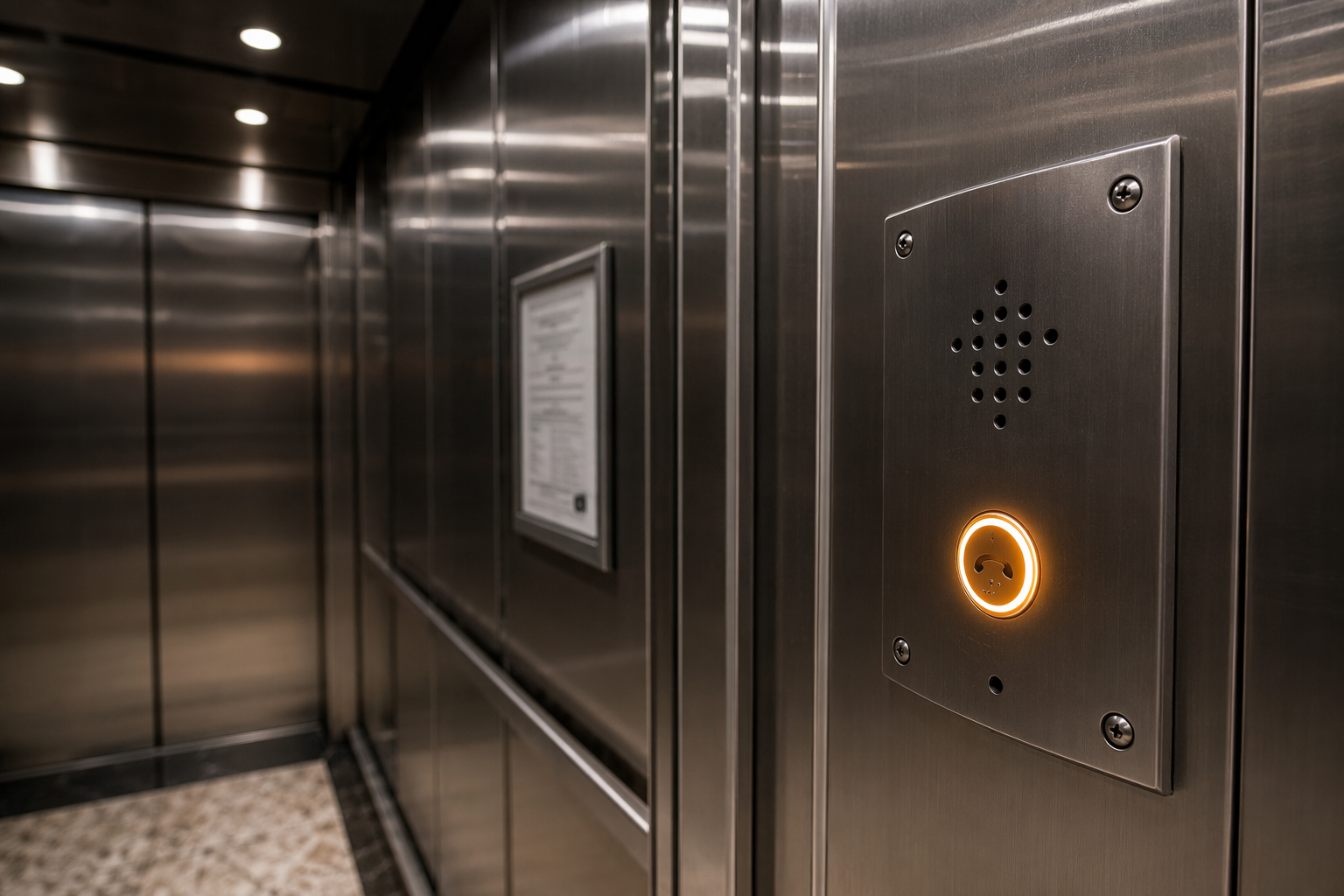
The immediate first contact during an elevator entrapment should be building management or the on-site property emergency line, followed promptly by 911 if no qualified personnel can respond, and a licensed elevator service company for mechanical assistance.
Most commercial and residential buildings in Florida are required to maintain an emergency contact protocol posted in or near each elevator cab. The trapped passenger should use the cab’s code-mandated two-way emergency communication system to alert building staff. Under ASME A17.1 Safety Code for Elevators and Escalators, every elevator must be equipped with a means of two-way communication that connects to a location staffed 24 hours a day. If the passenger cannot reach anyone via that intercom, calling 911 from a personal cell phone is the appropriate next step.
Building owners and facility managers should maintain an active service agreement with a certified elevator company so that technicians can be dispatched without delay. Axxiom Elevator Florida serves properties throughout Pompano Beach and Sarasota, providing the mechanical expertise necessary to safely release passengers when the cab does not return to a landing on its own.
What is the correct elevator entrapment rescue procedure step by step?

A safe elevator entrapment rescue follows a defined sequence of steps designed to protect the passenger, prevent unauthorized access to the hoistway, and restore the equipment to a safe condition before returning it to service.
- Passenger activates the in-cab emergency communication system — The two-way intercom required by ASME A17.1 connects to a monitoring station or building staff.
- Building staff or monitoring center is notified — The on-site contact assesses the situation and confirms the cab’s last known floor position.
- 911 is called if the passenger is in medical distress or no response is available — Fire department personnel are trained in basic elevator emergency procedures and can provide immediate assistance.
- A licensed elevator technician is dispatched — Only a qualified, licensed technician should attempt mechanical or electrical intervention on the hoistway, machine room, or cab.
- The machine room is accessed by the technician — The technician evaluates drive status, verifies the brake condition, and determines whether manual lowering or leveling is safe.
- Manual lowering or emergency leveling is performed — Using the procedures defined in the elevator’s maintenance manual and consistent with ASME A17.1 requirements, the technician brings the cab to the nearest landing.
- Hoistway door and cab door are opened under controlled conditions — Doors are opened only after the cab is confirmed level with the landing to prevent a fall hazard.
- Passengers are assisted out of the cab — Emergency responders or building staff assist passengers across the threshold; no one should jump across a gap.
- The elevator is taken out of service — The unit is tagged out until a full inspection confirms the root cause and verifies safe operation.
- An incident report is completed — Florida requires that elevator incidents involving entrapment be documented; the licensed elevator company and the Florida Department of Business and Professional Regulation (DBPR) may need to be notified depending on the nature of the entrapment.
Is it safe for untrained building staff to perform an elevator rescue?
No — untrained individuals should never attempt to open hoistway doors, manually move the cab, or enter the pit or machine room during a rescue, as doing so creates serious fall, crush, and electrical hazards.
The ASME A17.1 code establishes strict requirements for who may perform elevator rescue operations. Hoistway doors have an interlock mechanism that, when bypassed improperly, can allow a person to step into an open shaft if the cab is not at that landing. Fire department personnel receive specialized training in elevator emergency operations, but even they coordinate with licensed elevator technicians for mechanical intervention. Building managers should never instruct maintenance staff to attempt a rescue using improvised methods.
What communication system is required inside an elevator cab?
ASME A17.1 requires every elevator to have a two-way means of communication — typically a telephone or intercom — that connects to a location where assistance is available at all times.
The ASME A17.1 Safety Code for Elevators and Escalators mandates that this system must be operable without special knowledge, require no coins, and provide a voice connection to a staffed monitoring point. Many modern systems connect to a central monitoring service that automatically notifies the elevator service provider and building management simultaneously. ADA requirements under the Americans with Disabilities Act further specify that the communication system must be accessible to people with hearing and speech impairments, often through a visual or text-based component.
What are the legal obligations of a Florida building owner during an entrapment?
Florida building owners are legally obligated to maintain a functioning emergency communication system, hold a current elevator certificate of operation, and have an active service agreement with a licensed elevator contractor.
The Florida Department of Business and Professional Regulation (DBPR) oversees elevator safety under Florida Statutes Chapter 399. An elevator operating without a valid certificate of operation or without a documented maintenance agreement exposes the owner to significant liability. When an entrapment occurs, the owner’s duty of care includes ensuring that rescue personnel can reach the machine room quickly, that emergency lighting in the cab is operational, and that the incident is properly documented. Failure to meet these obligations can result in citations, fines, and civil liability.
How quickly should a licensed technician arrive for an entrapment rescue?
Response urgency is classified by whether a passenger is in medical distress — any situation involving a vulnerable individual, medical emergency, or extreme temperature requires 911 dispatch immediately while the elevator technician is en route.
Building owners should establish their service expectations in writing with their elevator contractor before an emergency occurs. Service agreement terms vary among providers; property managers in Pompano Beach and Sarasota should confirm in writing what their maintenance contract specifies regarding emergency dispatch. Axxiom Elevator Florida serves both markets and can be reached to discuss service agreement terms tailored to the property’s needs.
What should a trapped passenger do while waiting for rescue?
A trapped passenger should remain calm, use the in-cab emergency phone, stay away from the doors, and avoid any attempt to force the doors open or climb out of the cab.
Elevator cabs are ventilated and structurally secure — they are designed to hold passengers safely even when stationary between floors. The greatest risk during an entrapment often comes from passengers attempting self-rescue by forcing doors open over an unseen gap. Passengers should:
- Press the alarm button and use the two-way phone.
- Call 911 if no response is received within a few minutes.
- Remain seated on the floor if feeling faint or unwell.
- Avoid repeatedly pressing floor buttons or opening panels.
- Keep others in the cab calm and avoid crowding near the doors.
What are the most common causes of elevator entrapments?
The most common causes of elevator entrapments include door mechanism failures, power outages, drive system malfunctions, and deferred maintenance that allows safety components to degrade below operational standards.
Door-related failures — worn gibs, misaligned door tracks, faulty door operators, or damaged door interlocks — are among the leading mechanical contributors to entrapments. Hydraulic elevators may experience fluid leaks that cause the cab to drift below the landing and trigger a safety stop. Traction elevators can experience brake issues, drive controller faults, or rope slippage. In all cases, a proactive preventive maintenance program performed by a licensed contractor is the most effective way to reduce entrapment risk. Properties that defer maintenance face not only higher entrapment rates but also greater regulatory exposure under Florida Statute 399.
How does elevator maintenance reduce entrapment frequency?
Scheduled preventive maintenance performed by a licensed elevator contractor directly reduces entrapment risk by identifying and correcting failing components before they trigger a safety shutdown with passengers on board.
A comprehensive maintenance visit includes lubrication of moving parts, inspection and adjustment of door operators and interlocks, testing of safety devices, examination of rope condition on traction units, fluid checks on hydraulic systems, and verification of emergency lighting and communication equipment. The ASME A17.1 Safety Code for Elevators and Escalators defines minimum maintenance requirements, and Florida’s DBPR enforces compliance through periodic third-party inspections. Building owners in Pompano Beach and Sarasota can partner with Axxiom Elevator Florida for structured maintenance programs designed to keep equipment in code-compliant condition year-round.
What inspection and testing requirements apply to elevator emergency systems in Florida?
Florida requires periodic third-party inspections of all commercial elevators, including mandatory testing of emergency lighting, communication systems, and safety devices, in accordance with ASME A17.1 and state-adopted code editions.
| System / Component | Applicable Standard | Testing Frequency | Who Performs |
|---|---|---|---|
| Two-way emergency communication | ASME A17.1 | Each periodic inspection | Licensed elevator inspector |
| Emergency lighting | ASME A17.1 | Each periodic inspection | Licensed elevator inspector |
| Door interlocks | ASME A17.1 | Each periodic inspection | Licensed elevator inspector |
| Safety devices (governors, safeties, buffers) | ASME A17.1 | Periodic and five-year tests | Licensed elevator contractor + inspector |
| Hydraulic pressure relief valve | ASME A17.1 | Periodic inspection | Licensed elevator contractor + inspector |
| Overall certificate of operation | Florida Statute 399 | Annual renewal | DBPR-authorized inspector |
| ADA accessibility features | ADA / ASME A17.1 | As part of periodic inspection | Licensed elevator inspector |
What role does the fire department play in elevator entrapment rescue?
Fire departments serve as the primary emergency responder when a passenger is in medical distress or when building personnel cannot provide assistance, but they work in coordination with licensed elevator technicians for any mechanical intervention.
Florida fire departments train personnel in elevator emergency operations, including the use of fire service recall (Phase I and Phase II operation) and basic hoistway door release procedures. However, fire service access keys and training are intended for life-safety situations — not as a substitute for proper mechanical diagnosis and repair. After fire department personnel assist a passenger out of the cab, a licensed elevator technician must inspect the unit before it is returned to service. OSHA standards also apply when workers are involved in elevator-related incidents in the workplace.
What is Phase I and Phase II elevator recall and how does it relate to entrapment?
Phase I recall returns an elevator to the designated fire service floor when activated by a smoke detector or manual switch, while Phase II gives fire service personnel in-cab control — both modes are relevant to entrapment scenarios during fire emergencies.
Under ASME A17.1, all elevators installed after a certain date must include fire service recall capability. During a fire event, elevators should not be used by occupants and are commandeered by fire service personnel. If an entrapment occurs during a fire emergency and the elevator has gone into Phase I recall, passengers should activate the emergency phone and await rescue — the elevator should not be used to evacuate the building. Property managers should ensure that fire service key switches are tested regularly and that building staff understand the difference between a standard entrapment and a fire-related entrapment scenario.
How should building managers train staff for elevator entrapment response?
Building managers should establish a written elevator emergency response plan, conduct periodic drills, ensure staff know who to call and in what order, and never instruct employees to attempt mechanical rescue without proper licensure.
An effective training program covers the location of the machine room and how to provide access to arriving technicians, the operation of the in-cab intercom monitoring system, the contact chain (building manager → licensed elevator contractor → 911), documentation requirements, and how to communicate with and reassure trapped passengers through the intercom without encouraging self-rescue attempts. Many licensed elevator contractors offer consultation on emergency response planning as part of their maintenance agreements.
Are building owners liable if a passenger is injured during an entrapment?
Yes — building owners and property managers can face civil liability for passenger injuries during an entrapment if the entrapment resulted from deferred maintenance, a lapsed certificate of operation, or a failure to maintain required emergency systems.
Florida courts examine whether the building owner exercised reasonable care in maintaining the elevator, whether required inspections were current, and whether emergency communication systems were functional. An expired certificate of operation or documented maintenance neglect substantially strengthens a plaintiff’s negligence claim. Maintaining a current service agreement with a licensed contractor, keeping inspection records, and promptly repairing identified deficiencies are the most effective risk management steps an owner can take.
What should be included in a post-entrapment incident report?
A post-entrapment incident report should document the date, time, and duration of the entrapment, the number and condition of passengers, the cause identified by the technician, corrective action taken, and whether the incident must be reported to a Florida regulatory authority.
Thorough documentation serves multiple purposes: it supports any required regulatory reporting, provides a factual record in the event of a liability claim, and helps the elevator contractor track recurring issues that may indicate a systemic maintenance problem. The licensed technician’s written repair order or service ticket should be retained as part of the building’s elevator maintenance records. Florida’s DBPR may require notification of incidents involving injury or entrapments that resulted from equipment failure, depending on the specific circumstances.
How do ADA requirements intersect with elevator entrapment and emergency systems?
ADA requirements mandate that elevator emergency communication systems be accessible to people with disabilities, ensuring that passengers with hearing or speech impairments can signal for help during an entrapment.
Under the Americans with Disabilities Act, elevator communication systems must provide a non-voice means of signaling distress, and visual signals are required in cab interiors. Buildings that fail to provide accessible emergency communication systems may face ADA compliance actions in addition to the safety risks associated with a passenger being unable to call for help. Elevator modernization projects frequently include upgrades to communication systems that bring the cab into ADA compliance. Property managers conducting assessments should verify that all emergency features meet current ADA standards in addition to ASME A17.1 requirements.
What is the difference between a standard service contract and an emergency-only elevator agreement?
A standard maintenance service contract includes scheduled preventive maintenance visits and emergency callback service, while an emergency-only agreement covers dispatch for breakdowns but provides no proactive maintenance to prevent those breakdowns from occurring.
For most commercial properties, a full-service maintenance agreement provides better long-term value and regulatory protection because it directly addresses the root causes of entrapments rather than simply responding after they occur. When evaluating service agreements, building owners should confirm what is included for emergency entrapment response, what documentation the contractor provides after each visit, and whether the agreement specifies compliance with the current edition of ASME A17.1. Properties in Pompano Beach and Sarasota can consult Axxiom Elevator Florida to understand what a maintenance agreement covering both markets would encompass.
When should an elevator be modernized to reduce entrapment risk?
Elevator modernization should be considered when the equipment experiences recurring entrapments or safety shutdowns, when replacement parts are no longer available, or when a third-party inspection reveals that the unit cannot be brought into compliance with current ASME A17.1 standards through routine maintenance alone.
Older elevator systems — particularly hydraulic units installed before current environmental and safety code revisions — may lack modern door operator technology, updated safety circuits, or compatible monitoring systems. A modernization assessment examines the cab, controls, door systems, drive system, and hoistway equipment to determine which components are approaching end of service life. The assessment provides the owner with a prioritized plan that can be phased to manage costs while addressing the highest-risk components first.
How do entrapment risks differ between hydraulic and traction elevators?
Hydraulic elevators face entrapment risk primarily from fluid leaks causing cab drift and from single-speed drive limitations, while traction elevators are more susceptible to rope wear, brake system issues, and drive controller faults — each type requires maintenance strategies tailored to its specific failure modes.
Hydraulic systems are common in low-rise buildings throughout Pompano Beach and Sarasota. A slow fluid leak may cause the cab to settle below a landing over time, triggering a leveling error and locking the doors. Traction systems in mid- and high-rise applications rely on steel ropes, sheaves, and electromagnetic brakes — components that require periodic lubrication, rope elongation measurement, and brake torque testing. Understanding which type of elevator a property operates is essential to developing a maintenance strategy that effectively reduces entrapment frequency.
How can property managers in Pompano Beach and Sarasota reduce elevator entrapment liability today?
Property managers can immediately reduce entrapment liability by verifying that their elevator’s certificate of operation is current, confirming the two-way communication system is operational and monitored, and establishing or renewing a maintenance agreement with a licensed elevator contractor serving their market.
A practical liability reduction checklist includes: confirming the posted emergency contact information in each elevator cab is accurate and current; testing the in-cab phone system on a documented schedule; reviewing the most recent inspection report for any outstanding corrections; and verifying that the maintenance contractor is licensed by the Florida DBPR. For properties in Pompano Beach and Sarasota that have not had a recent professional review of their elevator systems, Axxiom Elevator Florida offers elevator assessments to identify compliance gaps and equipment risks before an entrapment occurs.
Schedule Your Free Elevator Assessment Today
Elevator entrapments are preventable. Whether a property requires a compliance review, a maintenance agreement, or a full modernization assessment, the first step is understanding the current condition of the equipment. Contact Axxiom Elevator Florida for a free elevator assessment — serving Pompano Beach FL and Sarasota FL. Call to speak with a certified elevator professional and take the first step toward a safer, code-compliant elevator system.