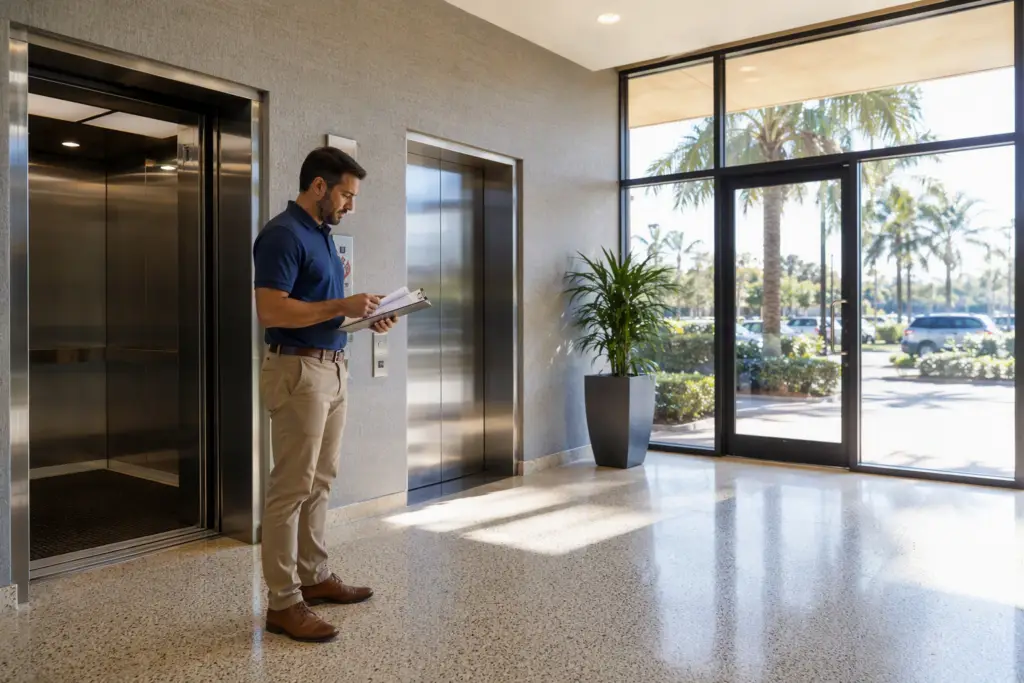
How Often Does a Commercial Elevator Need to Be Inspected in Florida & Who Is Responsible?
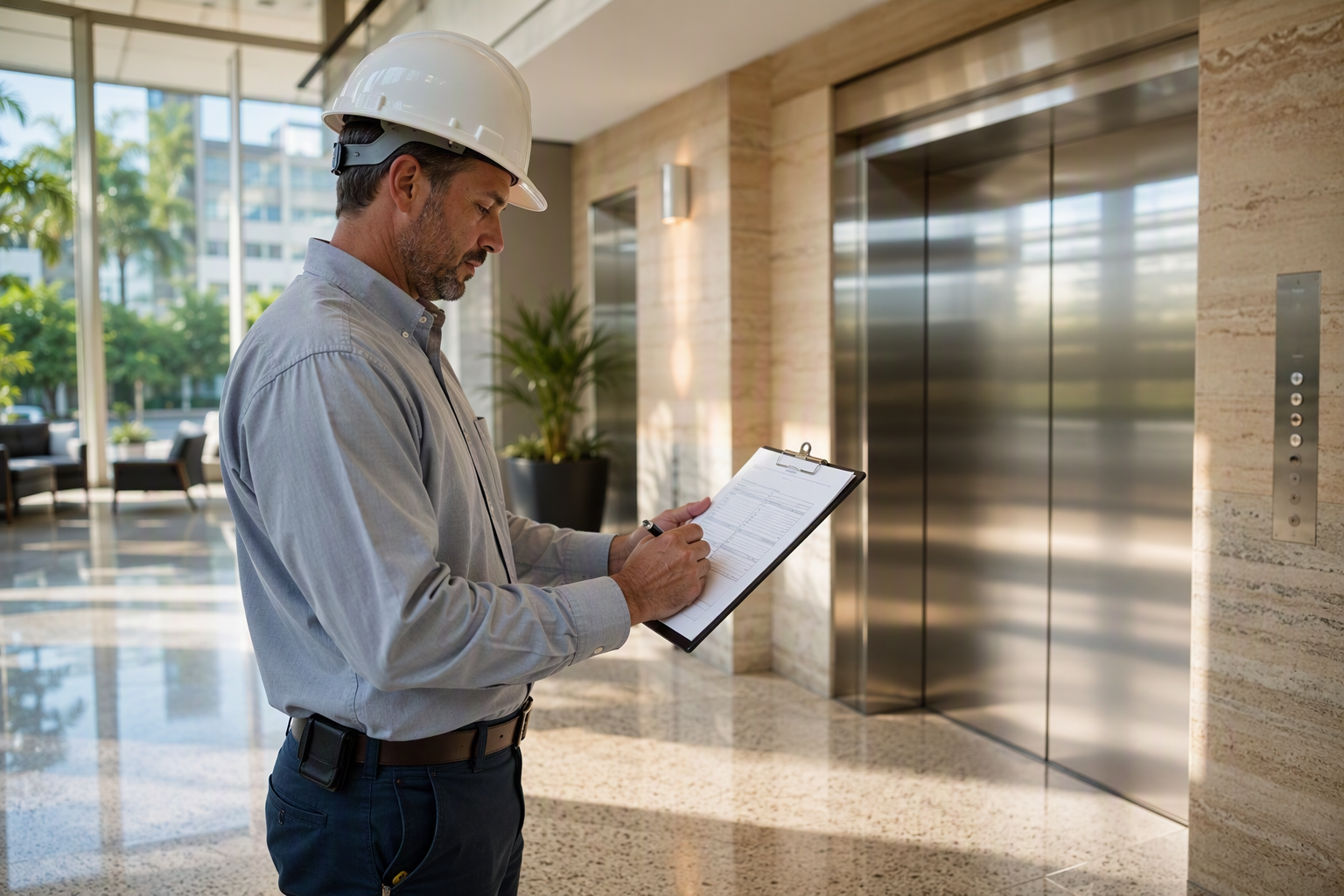
Florida’s elevator inspection requirements protect building occupants, create legal accountability for property owners, and keep commercial equipment operating within the safety standards set by state law and national codes. The questions below address every layer of that compliance picture — from inspection intervals and responsible parties to what happens when a violation is found and how to select a qualified service provider in markets like Pompano Beach and Sarasota.
How often is a commercial elevator required to be inspected in Florida?
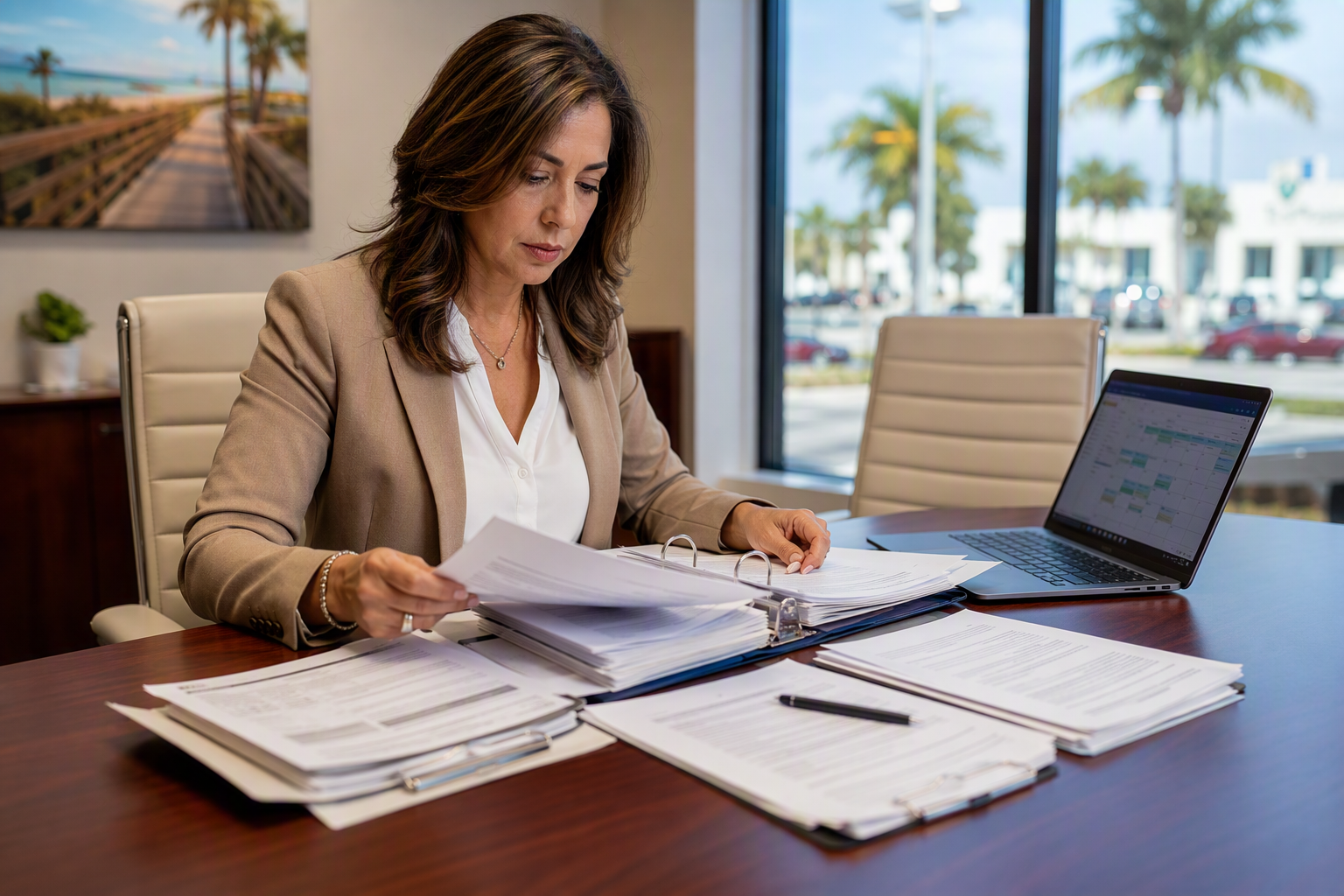
Florida law requires most commercial passenger and freight elevators to receive a periodic safety inspection every six months.
This biannual schedule is set under Florida Statute Chapter 399, which governs the installation, operation, and maintenance of vertical conveyances throughout the state. The six-month interval reflects the risk profile of commercial equipment operating under frequent, heavy use by members of the public. Some limited-use or special-purpose conveyances may follow a different schedule as determined by the Authority Having Jurisdiction (AHJ), but the default rule for standard commercial elevators is twice per year.
These periodic inspections are distinct from the annual Category 1 and five-year Category 5 testing intervals referenced in ASME A17.1, Safety Code for Elevators and Escalators, which governs the testing of specific safety components such as governor ropes, safeties, and buffers. Florida incorporates ASME A17.1 by reference, so both the state inspection cadence and the ASME test categories apply simultaneously.
Who is legally responsible for scheduling elevator inspections in Florida?
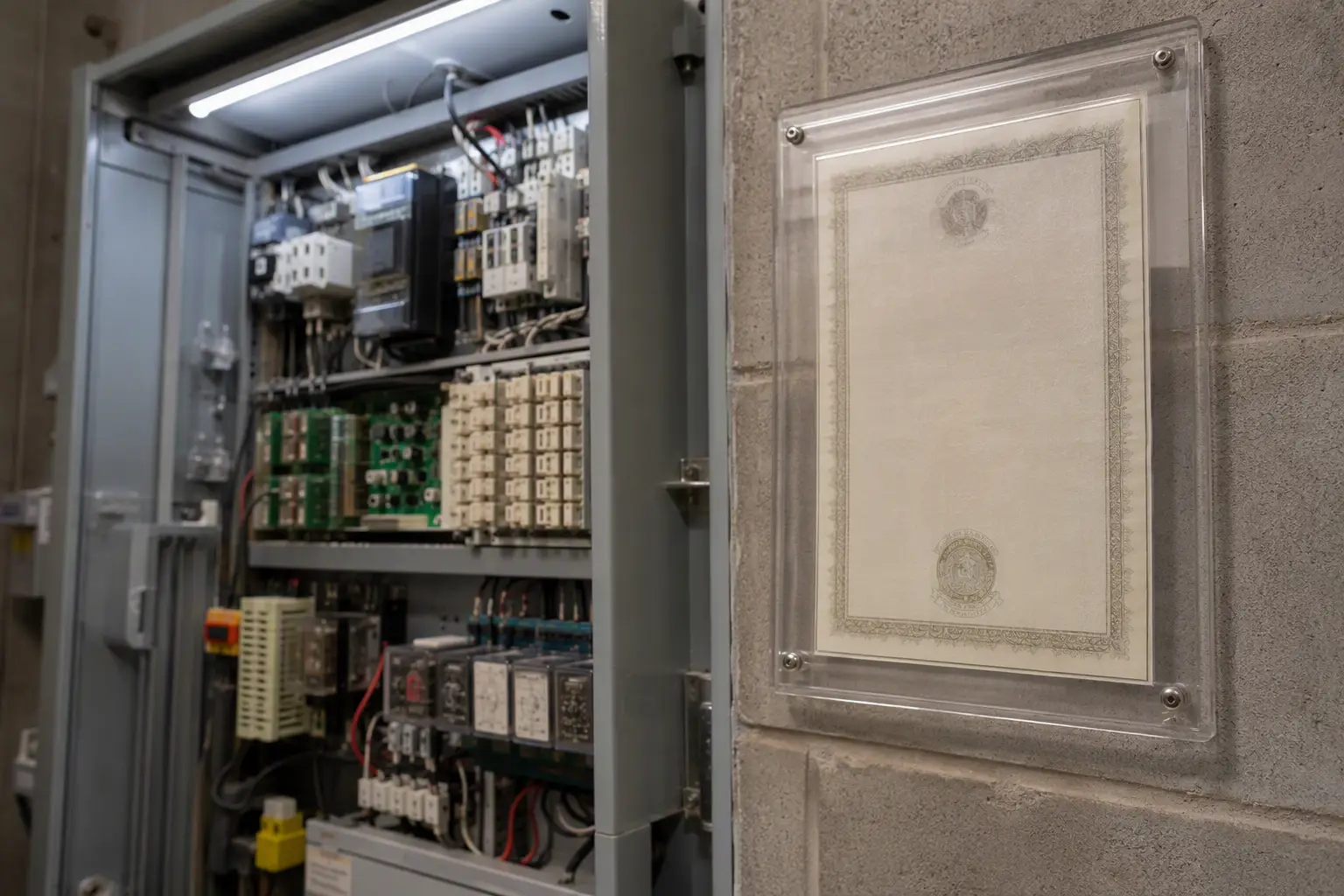
The building owner or the designated property manager holds primary legal responsibility for ensuring that all required inspections are scheduled, completed, and documented on time.
Under Florida Statute Chapter 399, the owner of a building containing an elevator is classified as the “owner of the conveyance” and carries the duty to keep the equipment in a safe operating condition, arrange for required periodic inspections, maintain valid certificates of operation, and correct any violations cited during inspection. This responsibility cannot be transferred to a tenant simply through a lease agreement; the legal obligation stays with the property owner unless a formal property management agreement explicitly assigns compliance duties.
In practice, many owners delegate the scheduling task to a licensed elevator contractor, who coordinates with a state-licensed elevator inspector to perform the inspection. However, delegation does not eliminate the owner’s liability if an inspection lapses.
What Florida agency oversees elevator inspections?
The Florida Department of Business and Professional Regulation (DBPR), Elevator Safety Section, is the primary state agency responsible for licensing elevator contractors and inspectors, issuing certificates of operation, and enforcing Chapter 399.
The DBPR Elevator Safety Section maintains jurisdiction over the permitting, inspection, and certification of elevators statewide. Inspections must be performed by inspectors who hold a valid Florida elevator inspector license. Third-party inspection companies that contract with property owners must also operate under the authority of the DBPR. Local jurisdictions — such as Broward County (serving Pompano Beach) or Sarasota County — may have additional local requirements or serve as the AHJ for permit issuance, but state oversight through the DBPR is the baseline standard for all commercial elevators.
What is the difference between a periodic inspection and a Category test?
A periodic inspection is a visual and operational safety check required every six months by state law, while Category tests under ASME A17.1 are performance-based tests of specific mechanical and safety components that follow longer cycles.
The following table summarizes the primary inspection and test types applicable to commercial elevators in Florida:
| Inspection / Test Type | Governing Standard | Typical Frequency | Primary Focus |
|---|---|---|---|
| Periodic Safety Inspection | Florida Statute Ch. 399 | Every 6 months | Visual & operational check of overall system safety |
| Category 1 Test | ASME A17.1 | Annually | No-load and full-load operation; governor and safety function |
| Category 3 Test | ASME A17.1 | Every 3 years (where applicable) | Safeties and governors on certain hydraulic elevators |
| Category 5 Test | ASME A17.1 | Every 5 years | Full-speed safety test with rated load; buffers, safeties, governor |
| Modernization / Alteration Inspection | Florida Statute Ch. 399 & ASME A17.1 | After any alteration | Verification of code compliance after modification |
Category tests are typically coordinated by the licensed elevator contractor maintaining the equipment. A Category 5 test, for example, requires witnesses, written documentation, and formal submission to the AHJ. Failing to complete Category tests on schedule can result in a certificate of operation being withheld or revoked.
What does a Florida commercial elevator inspection cover?
A Florida periodic inspection covers the machine room, hoistway, car, doors, safeties, buffers, controls, and all life-safety-related components to verify operational compliance with state and ASME codes.
During a periodic inspection, the licensed inspector examines items including but not limited to:
- Machine room conditions, lighting, and access
- Traction or hydraulic drive system integrity
- Hoistway clearances and guarding
- Door operation, gibs, and interlock mechanisms
- Emergency lighting and alarm systems inside the cab
- Car operating panel and position indicators
- Rope or chain condition (for traction systems)
- Hydraulic fluid levels and jack condition (for hydraulic systems)
- Governor, safety device, and buffer condition
- Firefighter’s emergency operation compliance
- Accessibility features required under ADA Standards for Accessible Design
Any deficiency found is documented on the inspection report. Minor items may allow continued operation pending correction; critical safety violations can result in an immediate order to cease operation until repairs are made and re-inspection is passed.
What happens if a commercial elevator fails its Florida inspection?
If an elevator fails inspection, the DBPR or AHJ may issue a violation notice, require corrective repairs, and withhold or revoke the certificate of operation until a passing re-inspection is completed.
The severity of the outcome depends on the nature of the deficiency. A failed door interlock or a non-functioning emergency light may allow continued operation under a specified correction timeframe. A safety device that does not function correctly, an overloaded machine room, or compromised structural elements can trigger an immediate out-of-service order. Operating a commercial elevator in Florida without a valid certificate of operation exposes the building owner to fines and significant civil liability in the event of an injury.
Property owners in Pompano Beach and Sarasota who work with Axxiom Elevator Florida’s maintenance programs typically receive advance notice of any items approaching a code-compliance threshold, reducing the likelihood of a failed inspection and unplanned downtime.
What is a Certificate of Operation and how long is it valid in Florida?
A Florida Certificate of Operation is the official document issued by the DBPR confirming that an elevator has passed inspection and is authorized for public use, and it must remain valid at all times the elevator is in service.
The certificate must be posted in or near the elevator car. Its validity period aligns with the inspection cycle — once the next periodic inspection is due and the elevator passes, a new certificate is issued. If a periodic inspection is missed or the elevator fails and repairs are not completed, the certificate lapses and the elevator may not legally be used. Building owners are advised to track certificate expiration dates proactively rather than waiting for a renewal notice from the state.
Who is qualified to perform an elevator inspection in Florida?
Only a licensed elevator inspector holding a valid license issued by the Florida DBPR is authorized to conduct periodic safety inspections on commercial elevators in Florida.
Florida requires elevator inspectors to meet specific education, training, and examination requirements before being licensed. Many inspectors also hold national certification from the Qualified Elevator Inspector (QEI) program administered by the National Association of Elevator Safety Authorities (NAESA), which aligns with ASME QEI-1, Standard for the Qualification of Elevator Inspectors. Building owners should verify inspector credentials with the DBPR before allowing any inspection to be conducted, as uninspected or improperly documented inspections have no legal standing.
Can a building owner self-inspect or hire an unqualified contractor to inspect an elevator?
No — Florida law explicitly prohibits anyone who is not a licensed elevator inspector from conducting the required periodic safety inspections on a commercial elevator.
Building owners and property managers who maintain in-house maintenance staff may perform routine checks between inspections for operational purposes, but those internal checks carry no legal weight and cannot substitute for the state-required periodic inspection. Similarly, a general building maintenance contractor or HVAC company cannot conduct a code-compliant elevator inspection. Only a DBPR-licensed elevator inspector working under the oversight of a licensed elevator company meets the statutory requirement.
What Florida codes and national standards govern commercial elevator inspections?
Florida commercial elevator inspections are governed primarily by Florida Statute Chapter 399 at the state level and by ASME A17.1 (new installations) and ASME A17.3 (existing installations) at the national code level.
Key regulatory framework items include:
- Florida Statute Chapter 399 — Establishes inspection intervals, certificate of operation requirements, owner responsibilities, and DBPR enforcement authority
- ASME A17.1, Safety Code for Elevators and Escalators — Applies to new elevator installations; governs equipment design, test categories, and safety system performance
- ASME A17.3, Safety Code for Existing Elevators and Escalators — Applies to elevators installed before current code editions; establishes retroactive safety requirements
- ADA Standards for Accessible Design — Federal accessibility requirements for elevator cab dimensions, controls, signage, and door timing in commercial buildings
- OSHA General Industry Standards — Applicable to worker safety during elevator maintenance and repair operations
Florida adopts updated ASME code editions through its administrative rulemaking process, so the edition in effect at the time of installation governs existing equipment unless ASME A17.3 imposes a retroactive requirement. For 2026, building owners should confirm with their licensed elevator contractor which edition applies to their specific equipment.
Does the ADA impose any additional inspection or compliance requirements on commercial elevators?
The ADA does not establish its own inspection intervals but does require that elevators in commercial buildings covered by the law meet specific accessibility standards that are verified during Florida’s periodic inspection process.
Under the ADA Standards for Accessible Design, commercial elevators serving multiple floors must meet requirements for cab interior dimensions, door clear widths, door timing and reopening devices, hall and car call button specifications, floor designation signage with Braille, and audible and visual floor indicators. Failure to meet ADA standards can expose a business or property owner to federal civil rights complaints entirely separate from Florida’s state enforcement process. An elevator that passes the Florida periodic inspection may still be out of compliance with ADA if accessibility components are deficient.
What are the consequences of operating a commercial elevator without a valid inspection certificate in Florida?
Operating a commercial elevator in Florida without a valid certificate of operation is a violation of Florida Statute Chapter 399 and can result in administrative fines, forced shutdown, and significant civil liability for the building owner.
The DBPR has authority to assess administrative penalties and to order an elevator taken out of service until compliance is restored. Beyond state penalties, a building owner whose elevator injures an occupant while operating without a valid certificate faces an extraordinarily difficult legal position, as the lapsed certificate is direct evidence of negligence. Insurance carriers may also deny or limit coverage for injury claims arising from an elevator that lacked a current certificate at the time of the incident.
How should a building owner prepare for a Florida elevator inspection?
Building owners should conduct a pre-inspection walkthrough with their elevator contractor, ensure maintenance logs are current, confirm machine room access is clear, and verify all required documentation is on file before the licensed inspector arrives.
Follow these steps to prepare a commercial elevator for a Florida periodic inspection:
- Contact your licensed elevator contractor at least 30 days before the certificate expiration date to schedule the inspection and request a pre-inspection review.
- Confirm machine room access: Clear any storage, verify lighting is functional, and ensure the room is clean, dry, and accessible to the inspector.
- Review maintenance logs: Ensure all completed maintenance work is documented with dates, technician records, and descriptions of work performed.
- Test basic functions: Verify that emergency lighting, alarm bells, and phone communication inside the cab are operational before the inspector arrives.
- Check door operation: Confirm that all landing doors open, close, and re-open correctly and that no unusual sounds or delays are present.
- Gather documentation: Have the previous inspection report, current maintenance agreement, and any permits for recent work available for the inspector.
- Clear the hoistway pit: Ensure the pit is dry, clean, and free of debris or unauthorized equipment.
- Notify building staff: Inform building management and tenants of the inspection window to facilitate uninterrupted access to all floors.
How does a maintenance agreement affect elevator inspection outcomes in Florida?
A comprehensive maintenance agreement with a licensed elevator contractor significantly improves inspection outcomes by ensuring that safety components are serviced proactively rather than reactively.
Regular preventive maintenance keeps lubrication current, replaces worn components before failure, calibrates door timing, and maintains the detailed maintenance logs that inspectors review. Elevators operating under a robust maintenance program are far less likely to accumulate the deficiencies that result in failed inspections or out-of-service orders. Axxiom Elevator Florida provides maintenance programs for commercial properties in Pompano Beach and Sarasota designed to keep equipment operating within state and ASME code compliance throughout the full inspection cycle.
Are there different inspection requirements for hydraulic versus traction elevators in Florida?
Both hydraulic and traction elevators follow the same state-mandated six-month periodic inspection schedule in Florida, but the specific items inspected and the ASME Category test requirements differ between the two drive systems.
Traction elevators require inspection of wire ropes, sheaves, governors, and mechanical safeties that are not present on hydraulic systems. Hydraulic elevators require attention to the hydraulic power unit, cylinder jack, underground piping integrity, and fluid containment systems. Category 3 tests apply to certain hydraulic elevator safety devices, while Category 5 tests cover a broader range of components across both types. An inspector and maintenance contractor familiar with both systems — such as Axxiom Elevator Florida — ensures that the appropriate checklist and test protocol are applied to each unit.
What records must Florida building owners maintain for commercial elevator inspections?
Florida building owners must retain current certificates of operation posted at the elevator and should maintain a complete file of past inspection reports, Category test documentation, maintenance logs, and repair work orders.
While Florida Statute Chapter 399 establishes the certificate posting requirement, best practice and prudent risk management call for retaining the full inspection history. In the event of a personal injury claim, an insurance audit, a building sale, or a DBPR audit, having organized records of every inspection, test, and maintenance visit is essential. Many property managers maintain both physical and digital copies. Elevator contractors typically retain copies of inspection reports and test records as well, but the primary responsibility for record-keeping lies with the building owner.
How long does a Florida commercial elevator inspection take?
A standard periodic inspection on a single commercial elevator typically takes between one and three hours depending on elevator type, age, number of floors served, and the current condition of the equipment.
Older equipment that requires more detailed examination of wear-prone components, or elevators serving a high number of floors, may take longer. Category 1 or Category 5 tests conducted in conjunction with a periodic inspection extend the total time because those tests require loading the elevator, timing specific functions, and documenting results under controlled conditions. Building owners should plan for the elevator to be out of service for the full duration and notify occupants accordingly — particularly in healthcare, hospitality, or office settings where elevator availability is operationally critical.
What should a building owner do if an elevator is ordered out of service following a Florida inspection?
If a Florida elevator is placed out of service by the inspector or DBPR, the building owner must immediately engage a licensed elevator contractor to diagnose and correct the cited deficiency, then schedule a re-inspection before the elevator can return to service.
Follow these steps when an elevator is ordered out of service:
- Post the out-of-service notice prominently at all landings as required and secure the elevator so it cannot be operated by building staff or tenants.
- Contact a licensed elevator contractor immediately — the same day if possible — and provide the inspector’s written violation notice with all cited items.
- Obtain a written scope of repair from the contractor detailing the work required to resolve each cited deficiency.
- Authorize the repair work promptly and confirm a realistic completion timeline with the contractor.
- Notify building occupants and affected tenants of the outage and, where required by accessibility law, arrange alternative accessible means of egress.
- Coordinate a re-inspection date with the licensed inspector after the contractor confirms repairs are complete and the system has been tested internally.
- Obtain the new certificate of operation and ensure it is posted before returning the elevator to service.
Axxiom Elevator Florida assists property owners in Pompano Beach and Sarasota through the full repair-and-reinspection cycle, from initial diagnosis through documentation submission to the DBPR.
How should a building owner select a qualified elevator inspection and maintenance company in Florida?
A qualified Florida elevator company should hold all required DBPR licenses, demonstrate familiarity with ASME A17.1 and A17.3 requirements, carry appropriate insurance, and serve the specific geographic market where the building is located.
When evaluating elevator service providers, building owners should verify:
- Active Florida DBPR elevator contractor license
- Ability to work on the specific elevator brand and model in the building
- Experience with both periodic inspection coordination and Category testing
- Clear maintenance agreement terms with defined scope of work
- Familiarity with local AHJ procedures in the county of operation (e.g., Broward County for Pompano Beach properties; Sarasota County for Sarasota properties)
- Capacity to respond to violations and out-of-service situations without prolonged delays
Axxiom Elevator Florida is a certified elevator service company operating in Pompano Beach and Sarasota, providing maintenance, inspection coordination, repair, and modernization services to commercial property owners throughout those markets.
Are new elevator installations in Florida inspected before they are placed in service?
Yes — any newly installed commercial elevator in Florida must pass a final acceptance inspection conducted by a DBPR-licensed inspector before it can be placed into service and receive its initial certificate of operation.
New installations must comply with the current edition of ASME A17.1, Safety Code for Elevators and Escalators as adopted by Florida. The installation contractor must pull the required permits from the local AHJ before work begins, and no occupant use is permitted until the acceptance inspection has been completed and the certificate of operation issued. This initial inspection is typically more comprehensive than a periodic inspection because it verifies that the installation meets every applicable design and performance requirement, not just ongoing operational safety.
Ready to Schedule Your Florida Elevator Inspection?
Contact Axxiom Elevator Florida for a free elevator assessment. Whether your commercial property is in Pompano Beach or Sarasota, Axxiom Elevator Florida’s licensed team coordinates periodic inspections, Category testing, compliance repairs, and comprehensive maintenance programs — keeping your elevator operating safely, legally, and without interruption.
Call Axxiom Elevator Florida today:
Serving commercial property owners throughout Pompano Beach, FL and Sarasota, FL.