Elevator Service in Pompano, FL | Axxiom Elevator Florida
An elevator needs modernization when recurring breakdowns, outdated controls, code non-compliance, or obsolete parts make ongoing repairs costlier and less reliable than upgrading core systems — a distinction Axxiom Elevator Florida helps Pompano property owners assess with a thorough on-site evaluation.
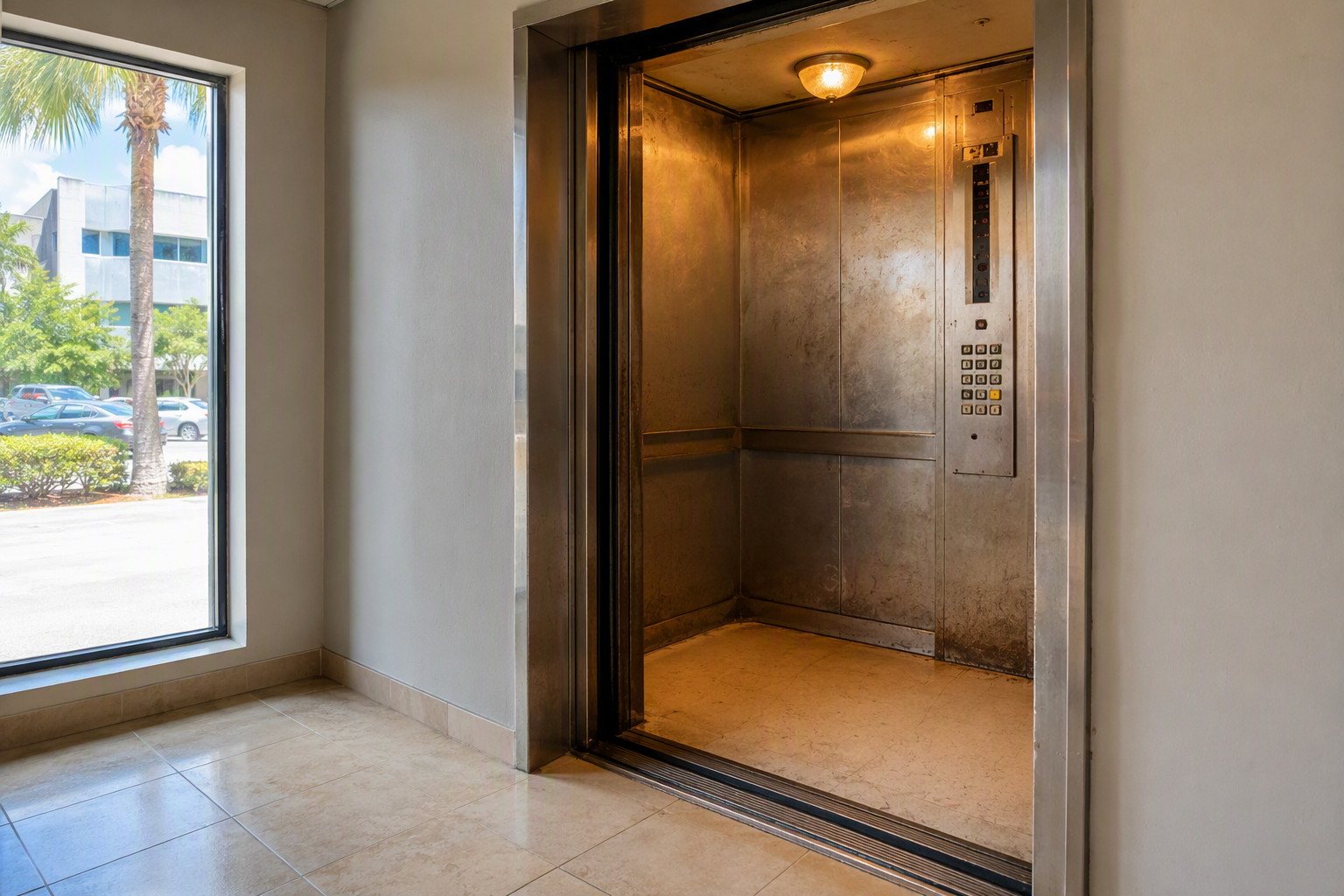
Elevators in Pompano Beach and the surrounding South Florida communities face a demanding environment: humidity, salt air, heavy seasonal use, and evolving state and federal code requirements all accelerate wear. Knowing whether a struggling elevator needs a simple repair, a scheduled maintenance visit, or a full modernization program is one of the most consequential decisions a building owner or property manager can make. Getting it wrong in either direction is costly — over-repairing aging equipment wastes money, while under-investing creates safety risks and compliance exposure.
This guide covers the specific warning signs that point toward modernization, how Florida regulations shape that decision, and what property owners in Pompano, Deerfield Beach, Coral Springs, Fort Lauderdale, and the broader Broward County market should know before scheduling service.
What Is the Difference Between Elevator Repair, Maintenance, and Modernization?
These three service types are distinct in scope and intent.
- Maintenance is preventive — routine lubrication, adjustment, and inspection designed to keep a properly functioning elevator operating safely and efficiently.
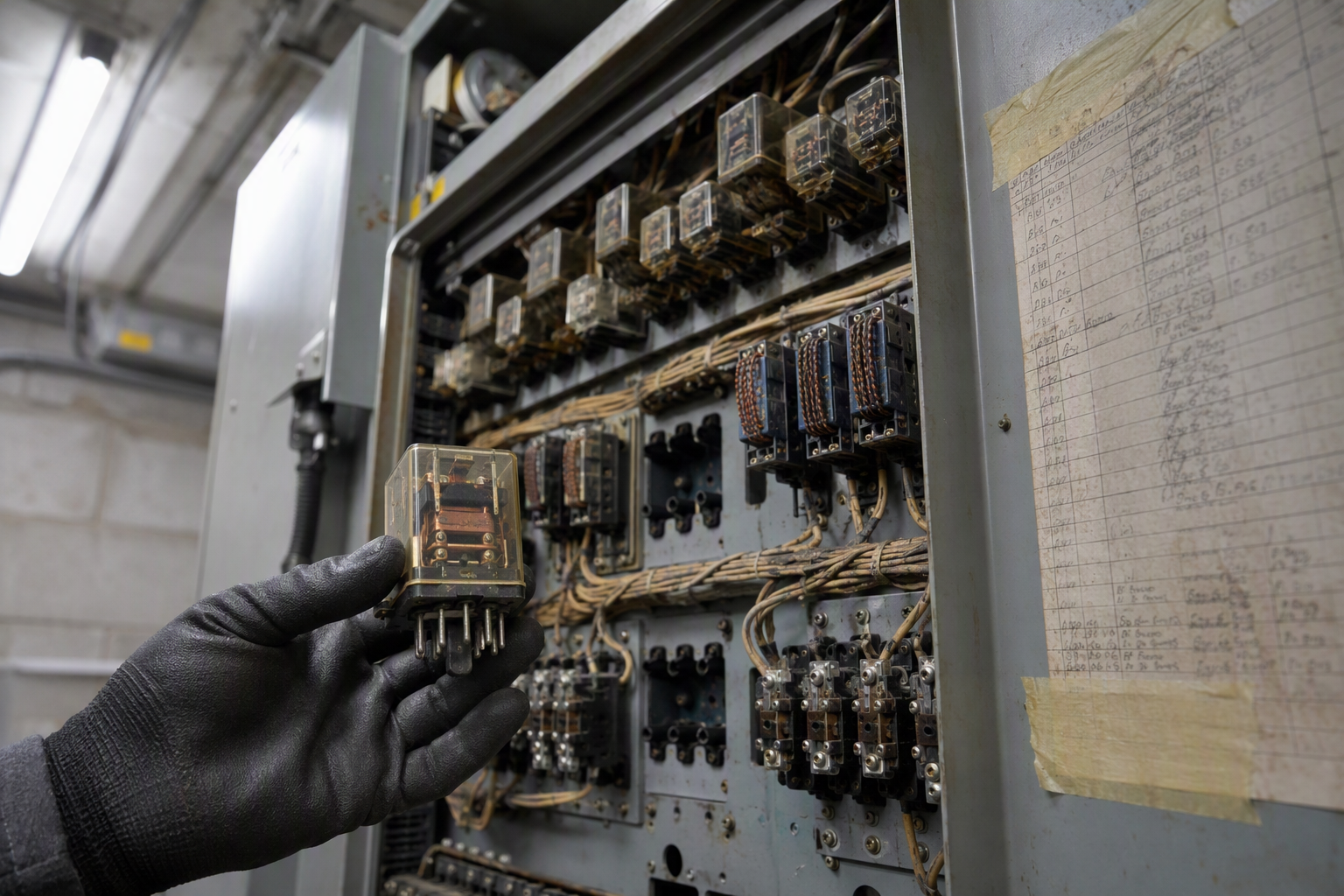
- Repair is corrective — addressing a specific failed or degraded component, such as a worn door operator, a faulty relay, or a frayed traveling cable.
- Modernization is transformative — replacing major systems (controls, drive, cab finishes, safety devices) to extend the useful life of the elevator, restore full code compliance, and improve reliability and energy performance.
A maintenance visit or a targeted repair solves a defined, isolated problem on equipment that is otherwise sound. Modernization is appropriate when the equipment itself has reached the end of its serviceable life or when the cumulative cost and frequency of repairs signal a systemic issue rather than an isolated one.
What Are the Key Signs That an Elevator Needs Modernization?
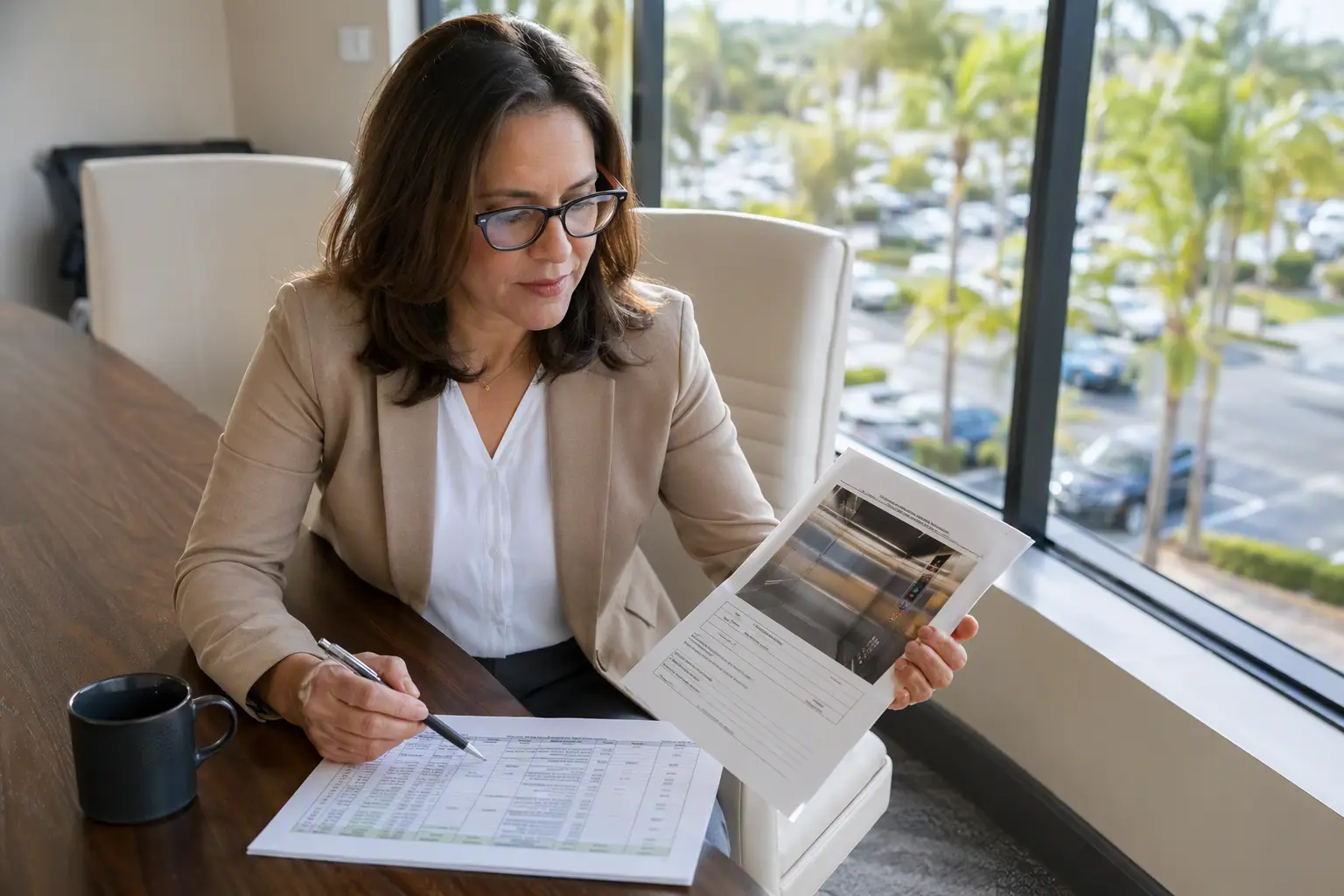
The following warning signs, individually or in combination, indicate that modernization deserves serious evaluation:
- Frequent, recurring breakdowns. When the same unit is generating repeated service calls within a short period, the root cause is often systemic degradation rather than a single defective part.
- Obsolete or discontinued components. If replacement parts for the controller, drive system, or safety devices are no longer manufactured or are only available through specialty salvage channels, repair costs escalate and lead times lengthen significantly.
- Relay-logic or older solid-state controls. Older relay-based control systems lack the diagnostic capability, energy efficiency, and accessibility features of current microprocessor-based controllers.
- Slow, unreliable door operation. Persistent door problems — nuisance reversals, slow close times, or entrapment risk — often stem from worn door operators and hangers that have exceeded their design life.
- Excessive leveling issues. An elevator that consistently stops above or below the floor landing creates a trip-and-fall hazard and may indicate drive or control system degradation.
- Outdated safety devices. Governors, safeties, and buffers must meet current code requirements. Older equipment may lack features such as a two-way communication system compliant with ADA accessibility standards or current editions of the ASME A17.1 Safety Code for Elevators and Escalators.
- Energy inefficiency. Older DC motor and generator (MG set) systems consume substantially more energy than modern AC variable-voltage, variable-frequency (VVVF) drives.
- Accessibility non-compliance. If the cab, controls, or communication system do not meet ADA requirements, the building owner carries legal and financial exposure.
How Does Florida Elevator Code Affect the Modernization Decision?
Florida adopts the ASME A17.1 Safety Code for Elevators and Escalators as the baseline standard for elevator construction, installation, and alteration, administered through the Florida Department of Business and Professional Regulation (DBPR). Florida also enforces Florida Statute Chapter 399, which governs elevator safety and requires periodic inspections by a licensed elevator inspector.
In 2026, building owners should be aware that when alterations to a vertical transportation unit meet the threshold of a “major alteration” under the applicable code edition adopted by the state, those alterations trigger full compliance with current code requirements for affected systems. This means a piecemeal repair strategy can, over time, trigger the same compliance obligations as a planned modernization — but with less coordination, higher aggregate cost, and no guarantee of a coherent end result.
Additionally, OSHA standards apply to elevators used in workplace settings, creating an additional layer of obligation for commercial and industrial property owners in the Pompano and Broward County market.
When Is a Repair or Maintenance Visit the Right Answer?
Repair and maintenance are appropriate when the elevator’s core systems — controller, drive, structure, and safety devices — are sound and the issue is isolated. Examples include replacing a single door sensor, adjusting a selector tape, lubricating guide rails, or resetting a tripped safety circuit. A well-maintained elevator on a consistent preventive maintenance program can often defer modernization significantly. The goal of preventive maintenance is to identify deteriorating components before they cause entrapments or shutdowns.
What Does the Modernization Process Look Like?
Understanding the general sequence helps property owners plan for downtime and budget appropriately.
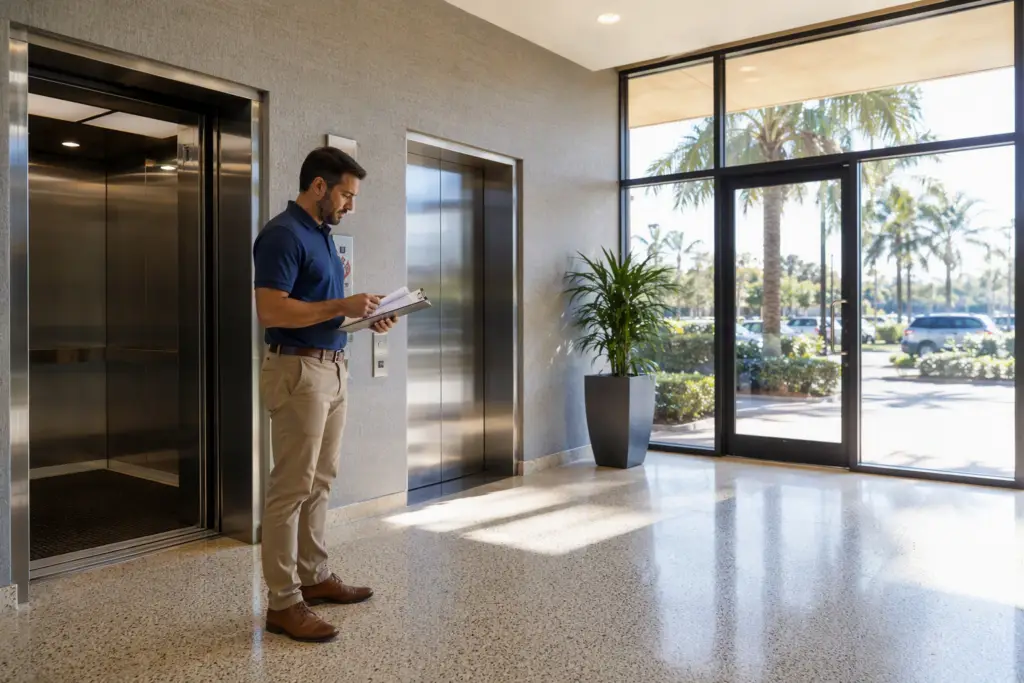
- Site assessment. A qualified elevator contractor inspects the existing equipment, documents the condition of all major components, and reviews the permit and inspection history on file with the state.
- Scope development. Based on the assessment, a modernization scope is developed — this may range from a controls-only upgrade to a full modernization encompassing drive, cab, doors, and safety devices.
- Permit application. In Florida, modernization work requires permits filed with the DBPR and local authority having jurisdiction (AHJ). Permit timelines vary by jurisdiction.
- Scheduled shutdown. Modernization requires the elevator to be taken out of service. For buildings with a single elevator, careful scheduling and tenant communication are essential.
- Installation and testing. Components are installed, programmed, and subjected to full load and safety tests per the applicable ASME code.
- State inspection. A licensed Florida elevator inspector performs the final acceptance inspection before the unit is returned to service.
- Documentation. Updated certificates and records are filed with the state and retained on-site as required.
How Should Property Owners Compare Modernization Vendors?
When soliciting proposals in the Pompano and South Florida market, property owners should evaluate contractors on several criteria beyond price:
- Florida licensure. Confirm the contractor holds an active elevator contractor license under Florida DBPR Chapter 399 requirements.
- Scope specificity. A credible proposal itemizes exactly which components are being replaced, the equipment manufacturer and model, and what code compliance the scope addresses.
- Warranty terms. Understand what is covered, for how long, and by whom — some warranties are manufacturer warranties on equipment, others are labor warranties provided by the contractor.
- Permit handling. Confirm who is responsible for pulling permits and coordinating the state inspection.
- Local service capability. Post-modernization, the contractor should be able to provide ongoing maintenance and respond to service needs in the local market.
What Markets Does Axxiom Elevator Florida Serve in South Florida?
Axxiom Elevator Florida provides elevator modernization, repair, and maintenance services throughout Pompano Beach, Deerfield Beach, Boca Raton, Coral Springs, Fort Lauderdale, Hollywood, Hallandale Beach, and the broader Broward and Palm Beach County region. The company serves commercial office buildings, residential condominiums, multifamily properties, healthcare facilities, and hospitality venues across South Florida.
What Should a Building Owner Do When an Elevator Breaks Down?
If an elevator becomes inoperable or poses a safety concern, the following steps apply:
- Take the unit out of service immediately. Post clear signage and prevent passenger use until the cause is determined.
- If a passenger is trapped, call 911. Do not attempt to extract a trapped passenger without trained personnel.
- Contact a licensed elevator service contractor. Report the nature of the malfunction and any error codes displayed on the controller.
- Document the incident. Record the date, time, nature of the malfunction, and any witness information for the maintenance log and potential insurance or inspection purposes.
- Notify the building’s insurance carrier if the incident involves injury or property damage.
- Do not return the elevator to service until a qualified technician has cleared it and, where required by Florida law, an inspection has been completed.
Axxiom Elevator Florida provides emergency service to properties throughout the Pompano and South Florida area. Contact the team directly for availability and response information.
Schedule a Free Consultation
If an elevator in your Pompano Beach, Broward County, or South Florida property is showing any of the warning signs described above, the right starting point is an honest, no-obligation assessment from a licensed Florida elevator contractor.
Axxiom Elevator Florida helps commercial and residential property owners evaluate whether their equipment needs repair, preventive maintenance, or a full modernization program — and provides the documentation, permitting, and inspection coordination to execute the work correctly under Florida law.
Contact Axxiom Elevator Florida to schedule a free consultation:
Need elevator service you can rely on? Axxiom Elevator Florida is ready to help.