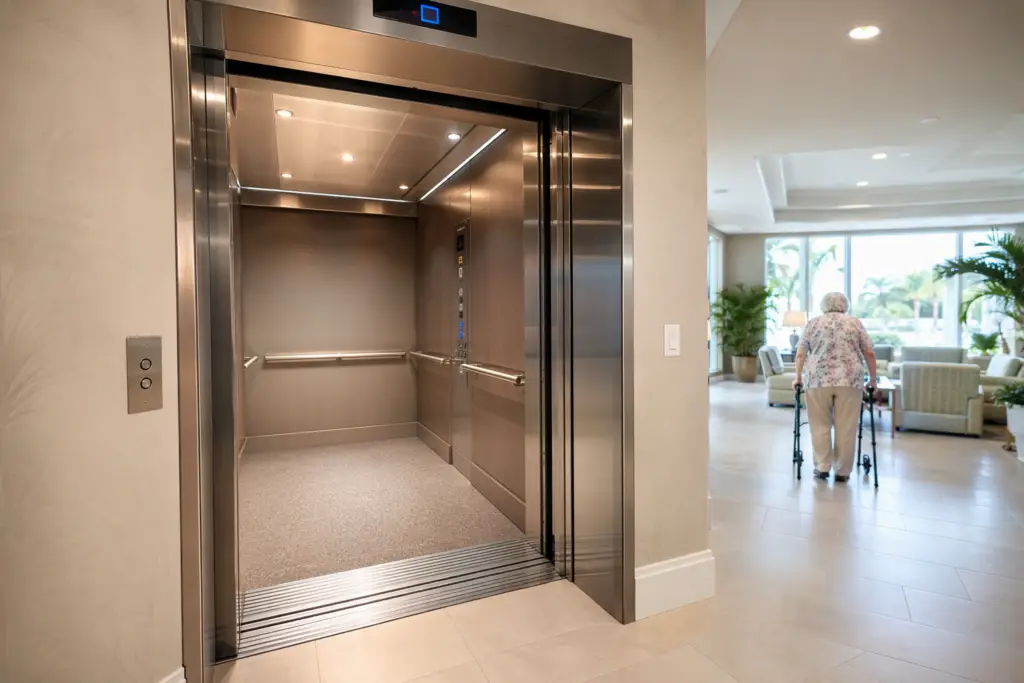
Elevator Modernization & Upgrade Options for Retail Property Owners: Energy Costs & Reliability Guide
Elevators are among the most energy-intensive mechanical systems in a retail property. For shopping centers, mixed-use retail buildings, and multi-level stores across Florida, aging elevator equipment compounds two problems simultaneously: rising utility bills and accelerating maintenance failures. This guide walks retail property owners through every modernization and upgrade option worth evaluating, explains the Florida regulatory context that shapes each decision, and identifies the questions to ask any qualified elevator contractor before committing capital.
What Is Elevator Modernization and Why Does It Matter for Retail Properties?
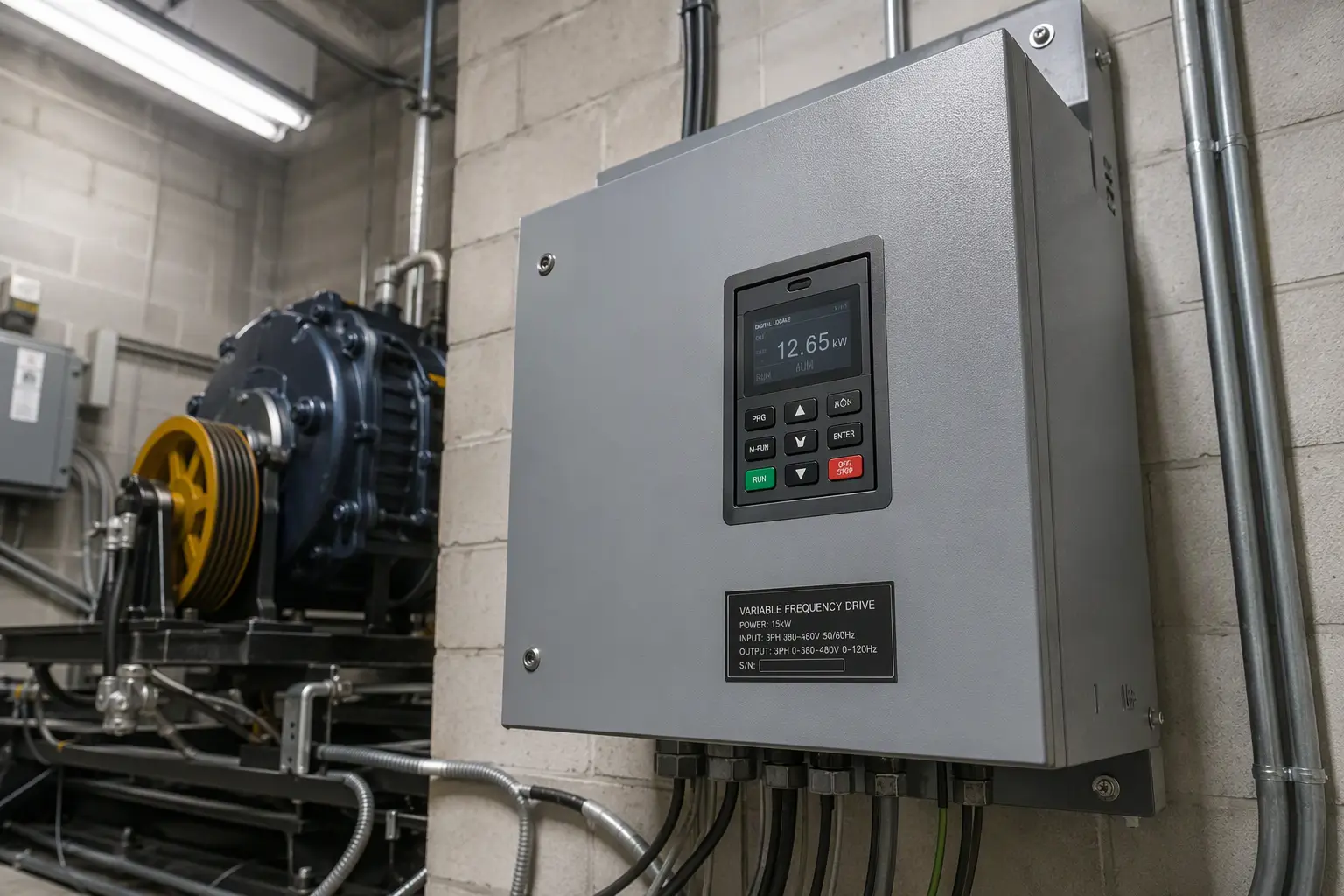
Elevator modernization refers to the replacement of one or more major systems — controls, drive, cab, doors, safety devices, or structural components — within an existing hoistway, without necessarily replacing the entire elevator structure. For retail environments, modernization is particularly relevant because customer-facing uptime is critical: a stopped elevator during peak shopping hours directly affects foot traffic, tenant satisfaction, and accessibility compliance obligations under the Americans with Disabilities Act (ADA).
Florida’s retail property market presents unique considerations. Heat and humidity accelerate wear on mechanical and electronic components. High-traffic shopping environments cycle elevators far more frequently than office buildings of comparable size. And under Chapter 399, Florida Statutes (the Elevator Safety Act), the certificate of operation holder — typically the property owner — bears direct legal responsibility for safe operation, proper maintenance, inspection, and correction of any identified code deficiencies. That legal responsibility makes proactive modernization a risk management tool, not just a capital improvement.
Which Drive System Upgrade Saves the Most Energy in a Retail Elevator?
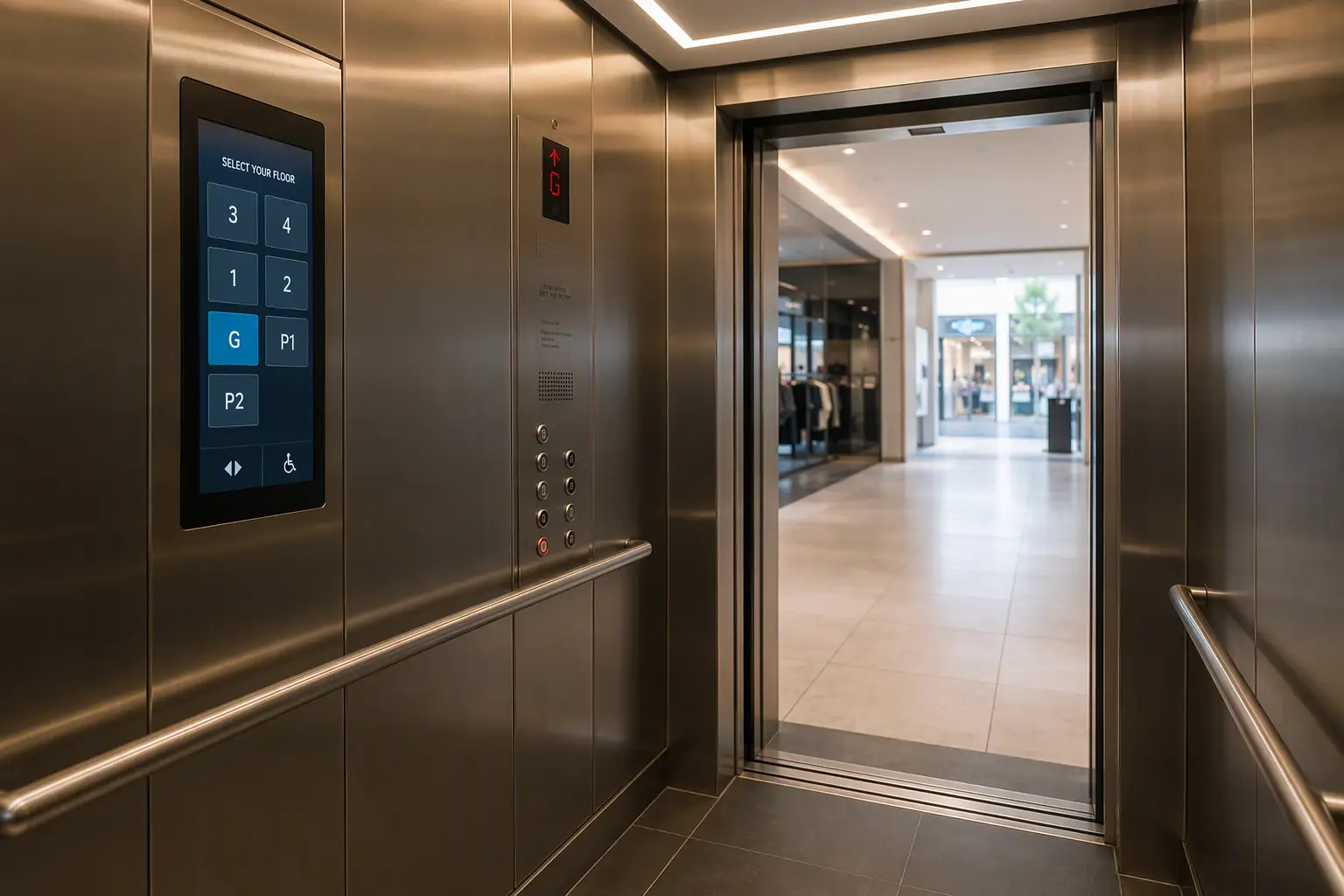
The single highest-impact upgrade for most retail property owners is replacing an outdated traction drive or hydraulic power unit with a variable-voltage variable-frequency (VVVF) drive. VVVF drives — also called variable-speed drives or inverter drives — regulate the motor’s power consumption precisely to the actual load demand at any given moment rather than running at full power continuously. The result is a measurable reduction in energy draw during acceleration, deceleration, and standby periods compared to older single-speed or two-speed motor configurations.
For hydraulic elevators common in low-rise retail settings, the equivalent upgrade is a hydraulic power unit replacement combined with a submersible pump motor and soft-start controls. Older hydraulic units often run inefficient open-loop oil circuits; modern units recirculate fluid more efficiently and eliminate the thermal waste that contributes to both energy loss and premature component wear.
A further advance beyond standard VVVF is the regenerative drive. Regenerative drives capture the kinetic energy produced when a loaded car decelerates or descends and feed that electricity back into the building’s power grid rather than dissipating it as heat through resistors. In a high-traffic retail environment where elevators run continuously during business hours, the cumulative energy returned to the grid over the course of a day can be substantial. Property owners considering LEED certification or sustainability reporting to retail tenants should evaluate regenerative drives specifically, as the captured energy is typically measurable and documentable.
What Control System Modernization Options Improve Reliability Most?
Outdated relay-logic and early microprocessor control panels are among the leading causes of retail elevator downtime. Replacement parts for relay-logic systems can be scarce or no longer manufactured, meaning a single component failure can take an elevator out of service for days or weeks while a part is sourced. Modernizing to a current solid-state microprocessor control system addresses this directly by:
- Eliminating hundreds of mechanical relay contacts that degrade with each operation cycle
- Providing onboard diagnostics and fault-logging that allow technicians to identify failure patterns before a breakdown occurs
- Supporting remote monitoring integration so building managers receive real-time alerts
- Ensuring parts availability for the foreseeable service life of the modernized system
For retail properties with multiple elevators or escalators, destination-dispatch control systems represent an additional reliability and efficiency layer. Rather than calling an elevator by direction (up or down), destination dispatch systems collect passengers’ floor destinations before they board and group travelers by destination, reducing the total number of stops per trip. In shopping malls and multi-floor retail centers, this reduces average travel times and cab wear simultaneously.
How Does Cab Modernization Affect Energy Use and the Customer Experience?
Cab interiors contribute to both energy consumption and the brand impression retail tenants care about. The most impactful cab upgrade from an energy standpoint is LED lighting replacement. Conventional fluorescent and incandescent cab fixtures run continuously during elevator operation and draw meaningful wattage over a full operating day. LED retrofit kits are compatible with virtually all cab configurations and reduce lighting energy consumption substantially while providing longer bulb life and reduced maintenance callouts for lamp replacement.
Cab fans, where present, should also be evaluated. High-draw blower fans designed for older cabs can often be replaced with brushless DC motor fans that run quietly and consume far less power.
Beyond energy, cab modernization typically addresses flooring, wall panels, handrails, and ceiling finishes. For retail landlords, a modernized cab signals building investment to prospective tenants and satisfies lease renewal discussions where tenant improvement expectations are part of negotiations.
What Door System Upgrades Reduce Service Calls in High-Traffic Retail Settings?
Elevator door systems are statistically the most common source of service calls in any high-traffic installation, and retail environments subject doors to thousands of additional cycles compared to office buildings. Door modernization options worth evaluating include:
- High-performance door operators: Variable-speed door operators open and close more smoothly, reducing mechanical stress on hangers, gibs, and sill tracks. Fewer door reversals mean reduced wear on the reopening device and the door motor itself.
- Full-length infrared door protection: Replacing older mechanical safety edges with multi-beam infrared light curtains eliminates the physical contact that causes door reopening failures and passenger entrapment events. Current ASME A17.1-2019 provisions address reopening device performance requirements that Florida adopted effective December 31, 2023, under Chapter 61C-5, Florida Administrative Code.
- Door sill and track replacement: Worn sills cause door dragging, nuisance stops, and fault codes that pull the elevator out of automatic service. Sill replacement is a relatively low-cost intervention that restores reliable door operation in older cabs.
What Is the Florida Regulatory Context for Elevator Modernization Work?
Florida property owners must understand several regulatory requirements before authorizing any elevator alteration work:
- State permit required before any alteration begins: Under Chapter 399, Florida Statutes, a state permit — applied for by a registered elevator company — is required before any conveyance is altered. Retail property owners who authorize work without verifying this permit requirement are exposed to significant compliance risk.
- Work must be performed by a registered elevator company: All modernization and alteration work must be carried out by a Florida-registered elevator company whose technicians hold a current Florida elevator certificate of competency.
- Post-alteration inspection: After modernization work that constitutes an alteration under state rules, the elevator must be inspected before it is returned to regular service.
- Certificate of operation: A Florida certificate of operation is valid for no more than two years and can only be renewed after a current satisfactory inspection. Operating on an expired certificate violates state law. The certificate must be posted conspicuously inside the elevator cab in a frame with a transparent cover.
- Annual inspection requirement: Florida requires every covered elevator to be inspected annually by a certified elevator inspector (with a limited exemption for certain two-floor elevators under a qualifying service maintenance contract).
- Owner responsibility: Once a certificate of operation is issued, the property owner is responsible for safe operation, proper maintenance, inspection, and correction of any code deficiencies identified.
Local enforcement varies by jurisdiction. The Broward County Building Code Division enforces Chapter 399 through its own elevator inspectors in Broward County, including Pompano Beach. In Miami-Dade, the Miami-Dade County Office of Elevator Safety covers all municipalities except the City of Miami and City of Miami Beach, which operate their own elevator offices. Retail property owners should confirm which authority having jurisdiction (AHJ) governs their specific property address before submitting permit applications.
What ADA Considerations Apply to Retail Elevator Modernization?
The Americans with Disabilities Act imposes accessibility requirements on elevator equipment in places of public accommodation — a category that clearly encompasses retail shopping environments. When modernization work triggers alterations to cab dimensions, controls, or door configurations, retail property owners should evaluate whether the scope of work creates an obligation to bring additional elements into ADA compliance.
Key areas to review with a qualified elevator contractor include: hall call and cab control button height and reach range, visual and audible signals, braille and raised character markings, cab floor area dimensions, and door timing settings that allow adequate boarding time for passengers using mobility devices. Proactively addressing ADA elements during a broader modernization project is generally more cost-effective than responding to a complaint-driven remediation requirement afterward.
What Role Does Preventive Maintenance Play Alongside Modernization?
Modernization without structured preventive maintenance produces diminishing returns. Even newly modernized equipment will underperform and fail prematurely if maintenance intervals are not maintained. For retail property owners, a structured maintenance program accomplishes several things simultaneously:
- Identifies worn components — brake linings, sheave grooves, guide rail lubrication, buffer condition — before they cause a breakdown during peak retail hours.
- Preserves the performance characteristics of energy-efficient upgrades; a VVVF drive operating with a poorly adjusted brake or a misaligned sheave cannot deliver its designed efficiency.
- Creates a documented maintenance history that supports insurance claims, due diligence reviews during property sales, and regulatory inspections.
- Maintains compliance with Florida’s requirement that the certificate of operation holder ensure proper maintenance at all times.
- Reduces the probability of an elevator accident that would require notification to the Florida DBPR Bureau of Elevator Safety within five working days under Chapter 399.
Retail property owners should request that any maintenance contractor provide written records of each service visit, including what was inspected, what was adjusted or replaced, and what was noted for future attention.
How Should a Retail Property Owner Evaluate a Modernization Contractor?
The contractor evaluation process should include verification of the following before any contract is signed:
- Confirm the company is registered as a Florida elevator company with current registration and general liability insurance, as required by Chapter 399.
- Confirm that technicians who will perform the work hold a current Florida elevator certificate of competency — renewed annually with proof of eight hours of continuing education.
- Verify the contractor will apply for the state alteration permit before work begins, not after.
- Request a written scope of work that identifies which systems are being modernized, which code requirements apply, and what inspection process will follow completion.
- Ask how the contractor handles emergency OSHA-related safety issues discovered during modernization work.
- Request references from comparable retail installations in Florida where the contractor has completed similar modernization scopes.
What Are the 2025–2026 Industry Trends Shaping Retail Elevator Modernization?
Several qualitative trends are influencing how retail property owners and elevator contractors approach modernization decisions heading into 2026:
Remote monitoring and predictive diagnostics have moved from niche features to near-standard expectations. Modern control systems increasingly include cellular or ethernet connectivity that allows elevator service providers to observe equipment performance data remotely, identify fault patterns before they cause downtime, and in some cases reset minor faults without a truck roll. For retail properties where unplanned downtime translates directly to tenant complaints and accessibility gaps, this capability is increasingly a differentiator in maintenance contract negotiations.
Sustainability reporting pressure is growing. Retail landlords serving national tenants are increasingly asked to contribute energy and emissions data to tenant ESG reports. Regenerative drive installations and LED cab lighting upgrades produce measurable, attributable reductions in elevator energy consumption that can be reported in building energy benchmarking frameworks.
Supply chain normalization has improved lead times for control panels and drive components compared to the disruptions of prior years, but retail property owners with aging equipment are advised not to wait for a critical failure before initiating the modernization procurement process. Custom-configured components for older systems can still carry extended lead times.
Code adoption cycles continue. Florida adopted ASME A17.1-2019 with an effective date of December 31, 2023. Retail property owners whose equipment predates the currently adopted code edition should work with a qualified contractor to understand which code-upgrade provisions may apply when alteration permits are pulled for modernization work.
How Long Does a Retail Elevator Modernization Project Typically Take?
Project duration varies considerably depending on the scope of work, equipment age, parts lead times, and hoistway conditions discovered during preconstruction review. A controls-only modernization on a single elevator in a straightforward configuration is typically less disruptive than a full modernization that includes drive, cab, doors, and safety devices. Retail property owners should work with their contractor to develop a phased outage schedule that minimizes the number of simultaneous elevators out of service in multi-elevator installations, and should communicate planned outage windows to tenants in advance. Permit processing timelines with the applicable Florida AHJ should be factored into the overall project schedule from the outset.
What Is a Hydraulic-to-Traction Conversion and Should Retail Owners Consider It?
Some older retail properties — particularly those built in the 1970s through 1990s — rely on hydraulic elevators that use in-ground cylinders with older fluid systems. Hydraulic-to-traction conversion replaces the entire drive and suspension system while retaining the existing hoistway. The primary motivations for retail property owners to consider this conversion are environmental (eliminating underground oil cylinder leak risk), energy efficiency (traction systems generally consume less energy per trip than comparable hydraulic systems), and long-term parts availability. The conversion is a significant capital project and requires a comprehensive state alteration permit. It is not appropriate for every building configuration, and the hoistway dimensions, structural capacity, and overhead clearance must be evaluated before a conversion is considered viable.
How Does Axxiom Elevator Florida Approach Retail Modernization Projects?
Axxiom Elevator Florida works with retail property owners across Florida as a data-informed service provider focused on compliance, reliability, and efficiency outcomes. The approach centers on a thorough assessment of existing equipment condition, identification of the modernization scope that best matches the property’s traffic patterns and budget priorities, and coordination of the Florida permit process to ensure all work is properly authorized before it begins. Axxiom Elevator Florida technicians hold current Florida elevator certificates of competency and the company maintains registration and general liability insurance as required by Chapter 399, Florida Statutes. Post-modernization documentation — including inspection records and updated maintenance logs — is provided to support the property owner’s ongoing certificate of operation obligations.
Sourced Data Table: Florida Regulatory Reference Points
| Regulatory Item | Requirement | Source |
|---|---|---|
| Adopted safety code | ASME A17.1/CSA B44, 2019 edition, effective December 31, 2023 | Chapter 399, Florida Statutes; Chapter 61C-5, Florida Administrative Code |
| Certificate of operation validity | Valid for no more than 2 years | Chapter 399, Florida Statutes |
| Inspection frequency | Annual inspection by a certified elevator inspector required | Chapter 399, Florida Statutes |
| Technician continuing education | 8 hours required annually for certificate renewal | Chapter 399, Florida Statutes |
| Accident reporting | Certificate of operation holder must report elevator accident within 5 working days | Chapter 399, Florida Statutes |
| Alteration permit | State permit required before any conveyance is installed or altered; applied for by registered elevator company | Chapter 399, Florida Statutes |
Step-by-Step: How to Initiate an Elevator Modernization Project at a Florida Retail Property
- Audit existing equipment: Engage a Florida-registered elevator company to conduct a condition assessment of every elevator in the property, documenting control system age, drive type, door operator condition, cab status, and any open code deficiencies from prior inspections.
- Review current certificate of operation status: Confirm that each elevator’s Florida certificate of operation is current, properly posted inside the cab, and not within the expiration window — a lapsed certificate triggers legal non-compliance under Chapter 399.
- Identify modernization priorities by impact: Rank potential upgrades by their effect on energy consumption, reliability, and compliance risk. Drive and control modernization typically deliver the broadest impact; door system work often addresses the highest volume of service calls.
- Obtain written scope proposals: Solicit detailed written proposals from Florida-registered elevator companies that specify which systems are being replaced, which code requirements govern the work, and what the inspection and permit process will look like.
- Verify contractor registration and technician credentials: Before signing any contract, confirm the company’s Florida elevator company registration and that the technicians assigned hold current Florida elevator certificates of competency.
- Coordinate the alteration permit: Ensure the selected contractor applies for the required state alteration permit with the Florida DBPR Bureau of Elevator Safety — or the applicable local AHJ — before any work commences.
- Plan outage windows with tenants: Develop an outage schedule that limits simultaneous elevator unavailability and communicates timelines to retail tenants in advance, particularly for properties with ADA-dependent traffic.
- Schedule post-modernization inspection: Coordinate the required inspection by a certified elevator inspector upon completion of the alteration to enable issuance or renewal of the certificate of operation.
- Establish ongoing maintenance program: Enter into a structured preventive maintenance contract with a registered elevator company to preserve modernization benefits and support the property owner’s continuing compliance obligations under Chapter 399.
- Document and retain records: Retain all permit applications, inspection reports, alteration scopes, and maintenance logs as part of the property’s elevator compliance file — this documentation is essential for certificate renewals, insurance audits, and property due diligence reviews.
Frequently Asked Questions
What is the most cost-effective first elevator upgrade for a retail property owner on a limited budget?
For retail property owners prioritizing near-term returns on a constrained budget, door system modernization — specifically door operator replacement and the addition of full-length infrared light curtain protection — typically addresses the largest single source of service calls and tenant complaints without requiring a full system overhaul. LED cab lighting replacement is similarly low-cost and produces measurable energy reductions with minimal installation disruption.
Do Florida retail property owners need to upgrade older elevators to current code even if they are not doing other work?
Florida’s elevator code applies retroactive requirements selectively. When an alteration permit is pulled for modernization work, certain code-upgrade provisions under the adopted ASME A17.1-2019 Safety Code for Elevators and Escalators and Chapter 61C-5, Florida Administrative Code, may be triggered. A qualified elevator contractor can identify which provisions apply based on the specific scope of work planned. Property owners should not assume that leaving equipment untouched avoids all compliance obligations — annual inspection requirements and the certificate of operation renewal process apply regardless of whether modernization work is underway.
How does a regenerative elevator drive return energy to the building?
A regenerative drive uses the elevator motor as a generator during deceleration and descent. When a loaded car slows down or an empty car descends, the motor produces electricity rather than consuming it. The regenerative drive’s electronics condition this electricity and feed it back into the building’s AC power distribution system, where it offsets consumption by other building loads such as lighting, HVAC, or escalators. The result is a reduction in net electricity purchased from the utility over the course of an operating day.
What happens if a Florida retail property operates an elevator with an expired certificate of operation?
Operating on an expired certificate of operation is a direct violation of Chapter 399, Florida Statutes. The property owner, as the certificate of operation holder, bears responsibility for ensuring the certificate remains current. Renewal requires a current satisfactory inspection. In addition to regulatory exposure, an expired certificate can affect property insurance coverage and create liability complications in the event of an elevator-related incident.
Can destination-dispatch systems be added to existing retail elevators without a full modernization?
Destination-dispatch systems typically require compatible control electronics and hall fixture replacements, so they are most cost-effective when implemented as part of a broader control modernization project. Retrofitting destination dispatch onto very old relay-logic controlled systems generally requires replacing the control panel as a prerequisite. A pre-modernization engineering assessment can determine whether a property’s existing infrastructure can support destination dispatch or whether a phased approach is necessary.
Are escalators in retail properties subject to the same Florida regulatory requirements as elevators?
Escalators are covered under Chapter 399, Florida Statutes, and the ASME A17.1-2019 code addresses escalators and moving walkways as well as elevators. Florida’s annual inspection requirement applies to escalators, and certificate of operation requirements differ from the elevator-specific exemption for two-floor units. Retail property owners with escalators should verify that their service contractor is addressing escalator compliance alongside elevator compliance in any combined maintenance program.
What warranty considerations apply to modernized elevator components in Florida?
Component warranties vary by manufacturer and installer. Retail property owners should request written warranty documentation for every major component replaced during modernization — control panels, drive systems, door operators, and cab components — and confirm whether the warranty is voided by service performed by contractors other than the installing company. Understanding warranty terms before signing a long-term maintenance agreement with the modernization contractor is an important negotiating consideration.
How does elevator modernization affect property insurance for a retail building?
While specific insurance terms vary by carrier and policy, modernized elevator equipment — particularly when it includes updated safety devices, current code-compliant controls, and documented inspection history — generally presents a more favorable risk profile to property insurers than aging equipment with open code deficiencies. Retail property owners should notify their insurance carrier and risk manager when a significant elevator modernization is completed and provide copies of the post-modernization inspection report and updated certificate of operation.
How does Florida’s local elevator authority jurisdiction affect the modernization permit process?
The applicable AHJ determines where permit applications are filed and which inspectors will perform the post-alteration inspection. In Broward County (including Pompano Beach), permits and inspections go through the Broward County Building Code Division. In Miami-Dade County, the Miami-Dade County Office of Elevator Safety handles most municipalities, while the City of Miami and City of Miami Beach each operate their own elevator offices. Retail property owners should confirm their property’s AHJ with their elevator contractor before the permit application is submitted to avoid processing delays.
What is the relationship between elevator modernization and a retail property’s LEED or sustainability certification?
Elevator upgrades that reduce energy consumption — particularly regenerative drives, VVVF drive replacements, and LED cab lighting — can contribute to building energy performance metrics tracked under sustainability certification frameworks. Retail property owners pursuing or maintaining LEED certification or other sustainability designations should work with their elevator contractor to document the baseline energy profile of existing equipment and the projected performance of modernized systems. This documentation supports energy modeling submittals and ongoing reporting obligations to certification bodies.
Get a Free Elevator Assessment for Your Florida Retail Property
Retail property owners across Florida rely on Axxiom Elevator Florida for straightforward, compliance-centered guidance on modernization, energy efficiency upgrades, and ongoing maintenance. Whether the goal is reducing energy costs, improving uptime during peak shopping hours, or ensuring Chapter 399 compliance ahead of an inspection, a structured assessment is the logical starting point.
Contact Axxiom Elevator Florida for a free elevator assessment: 954-970-0020
Need elevator service you can rely on? Axxiom Elevator Florida is ready to help.